United States Mold Tool Ownership Contract Guide 2026

United States Mold Tool Ownership Contract Guide
Quick Answer

An injection molding tooling ownership agreement should state, in unambiguous language, that the buyer owns the mold, inserts, drawings, CAD files, inspection records, and tool-specific manufacturing data after agreed payments are made. It should also define where the tool is stored, who may use it, maintenance responsibilities, transfer procedures, insurance, liens, confidentiality, and the supplier’s obligation to release the tool promptly if production ends.
For United States buyers, the most practical approach is to attach a tooling schedule to the purchase order or master manufacturing agreement. The schedule should identify every tool by tool number, part number, cavity count, steel type, location, value, and ownership status. Do not rely on an invoice alone; payment for tooling does not always establish complete possession, design-data access, or transfer rights.
Common United States suppliers that can support tooling and molded-part programs include Proto Labs, Xcentric Mold & Engineering, ICOMold, The Rodon Group, EVCO Plastics, and R&D Molders. Qualified international suppliers, including Chinese manufacturers with ISO-certified quality systems, documented export experience, responsive pre-sales engineering, and after-sales support, can also be considered for strong cost-performance—provided the ownership contract addresses cross-border transport, export paperwork, tool release, and dispute resolution.
Why Tool Ownership Needs a Separate Contract in the United States

Injection molds are production assets, not merely incidental manufacturing expenses. A mold may contain custom cavities, slides, lifters, hot-runner components, interchangeable inserts, gauges, electrodes, and proprietary part geometry. When a buyer funds that asset, the buyer needs more than a statement such as “customer-owned tooling.” The agreement must explain what that phrase includes and what happens when the supplier relationship changes.
United States product companies often discover a gap only after a production problem, a missed delivery, a price dispute, or an acquisition. The supplier may possess the physical mold, while the buyer assumes it owns it. The supplier may have the latest CAD revisions, process windows, mold-flow results, and maintenance history, while the buyer has only a PDF drawing. A durable mold tooling ownership contract closes that gap before production begins.
This issue is especially important for companies sourcing across multiple locations. A tool may be machined in Shenzhen, sampled in Dongguan, shipped through Yantian Port or Hong Kong, and later used to supply customers in Los Angeles, Chicago, Dallas, Detroit, New York, or Atlanta. A U.S. buyer should know exactly whether the tool remains overseas, is transferred to a domestic molder, or is stored near a distribution center. Ownership without access, export cooperation, and records is incomplete protection.
Tooling contracts are also valuable when different organizations pay for different phases. A startup may pay for mold design, an investor may fund the production mold, and a brand owner may purchase production parts. The agreement should identify the legal owner rather than using informal language such as “the customer” or “the project company.” If the brand owner is a Delaware corporation, specify the full legal entity name and address in the ownership schedule.
What Counts as Injection Molding Tooling

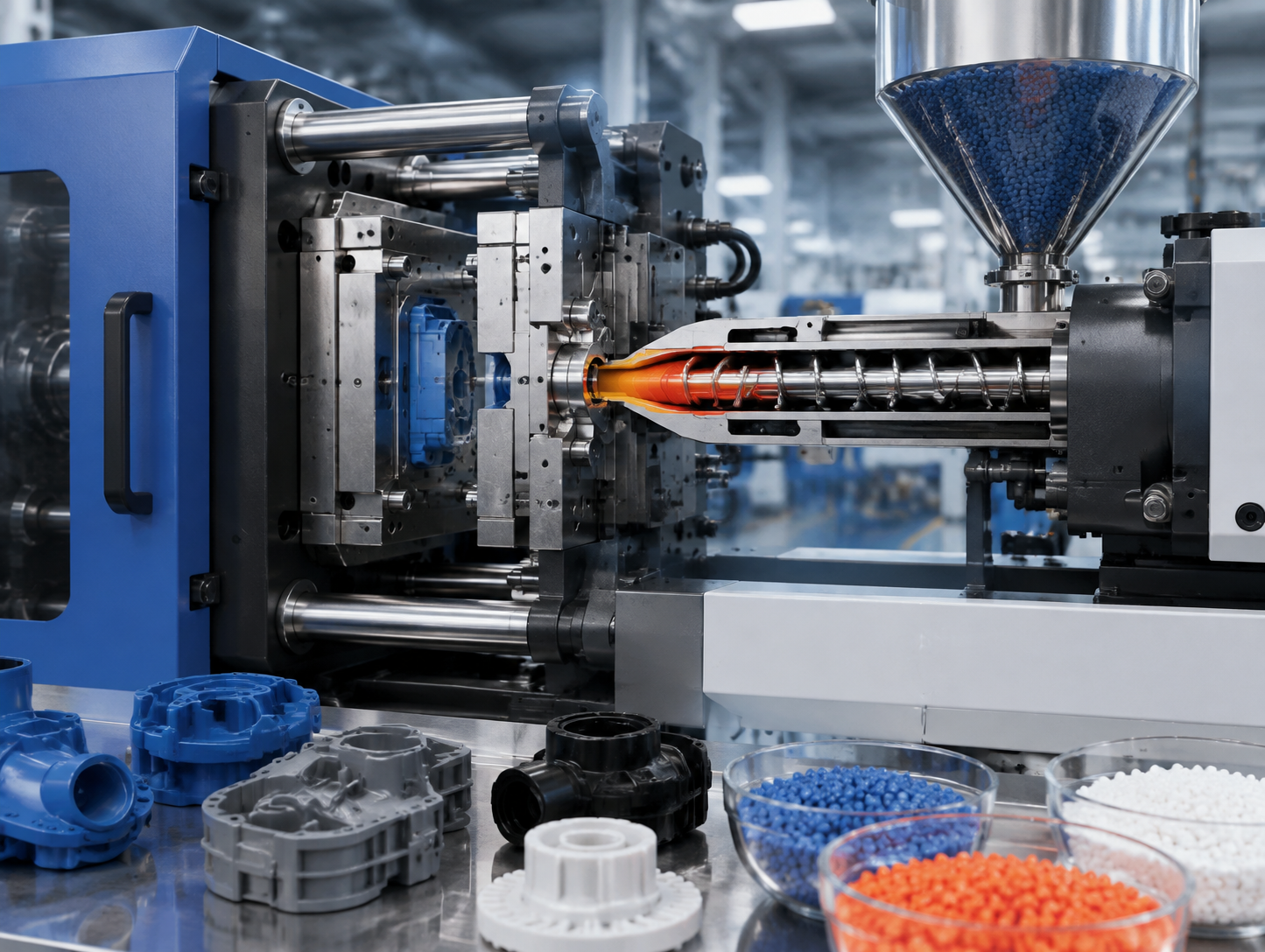
Buyers should define the tooling package broadly enough to cover all assets needed to produce conforming parts. The physical mold base is only one part of the package. A robust definition reduces later debate over whether a supplier must release interchangeable inserts, special gauges, robotic end-of-arm tooling, or digital files.
| Tooling asset | Why it matters | Recommended ownership treatment | Buyer record to retain |
|---|---|---|---|
| Mold base and plates | These form the structural foundation of the production mold. | Identify as buyer-owned after the stated payment milestone. | Tool number, photographs, steel certificate, location. |
| Cavity and core inserts | They create the part geometry and may be replaced over time. | Include all original and replacement inserts funded by the buyer. | Insert drawings, revision history, serial numbers. |
| Slides, lifters, cams, and ejector systems | These components create undercuts and affect part function. | List as part of the complete mold assembly. | Assembly drawing, spare-parts list, maintenance log. |
| Hot runner system | Hot-runner manifolds can represent a substantial portion of tool value. | State whether ownership includes manifolds, controllers, and spare nozzles. | Brand, model, controller specification, warranty documents. |
| Checking fixtures and gauges | They verify critical dimensions and support consistent inspection. | Assign ownership separately if they are not physically attached to the mold. | Gauge drawings, calibration records, inspection plan. |
| Tool-specific CAD, CAM, and EDM files | Digital data enables repair, transfer, and future modifications. | Give the buyer a license or ownership right sufficient for unrestricted production. | Native files, PDF drawings, revision-controlled archive. |
| Production process documentation | Validated settings reduce risk when moving production. | Require release of non-proprietary, part-specific process data. | Setup sheet, resin specification, first-article report. |
The table above separates the physical tool from the information needed to operate it. Buyers should not assume that ownership of a metal mold automatically provides rights to supplier-created CAM programs or process documentation. The agreement should specify the exact level of access required for continuity of supply.
Ownership Models Used in Injection Molding Contracts
There is no single correct commercial model. The right structure depends on payment terms, annual volumes, tool complexity, expected product life, and whether the supplier contributes to mold cost. However, the structure must be stated clearly. A buyer may own the complete tool, share ownership until a recovery threshold is met, or grant a supplier limited usage rights while retaining title.
| Ownership model | Typical situation | Buyer advantage | Primary risk to manage |
|---|---|---|---|
| Buyer-funded, buyer-owned | The buyer pays 100% of engineering and tooling charges. | Strongest control over relocation and future sourcing. | Agreement must require prompt release and complete records. |
| Supplier-funded amortized tool | The supplier recovers tool cost through piece pricing. | Lower upfront cash requirement. | Ownership may not transfer until volume or payment conditions are met. |
| Shared-investment tool | Both parties contribute due to long-term volume expectations. | Can reduce initial capital demand. | Define title, buyout price, and termination rights precisely. |
| Buyer-owned tool with supplier storage | The supplier keeps and operates the mold at its plant. | Production remains efficient without buyer warehousing. | Set storage, insurance, inspection, and access obligations. |
| Dedicated tool with limited supplier use | The buyer allows use only for approved affiliated entities. | Supports multi-site production planning. | Prevent unauthorized production or third-party use. |
| Tool lease or temporary use arrangement | A buyer needs a short production bridge or pilot run. | Useful for validation and low-volume launch work. | Separate ownership, usage, and end-of-term return requirements. |
The table shows why a phrase such as “tooling included” is not enough. If a supplier amortizes the mold across production parts, the buyer should know whether it can remove the mold after paying the remaining unrecovered balance. The agreement should include a formula, not leave the calculation to future negotiation.
Clauses Buyers Need in a Mold Tool Ownership Contract
Clear transfer of title
The agreement should identify the exact event that transfers title. Examples include full payment of the tooling invoice, completion of first-article approval, or payment of a final buyout amount. Avoid language that says the buyer “may own” the tool or “will be considered owner” without a defined date and condition.
A practical clause concept is: title to the buyer-funded tooling, including all components, inserts, gauges, and associated part-specific documentation, transfers to the buyer upon receipt of full tooling payment. The supplier retains a limited right to possess and use the tool solely to manufacture authorized products for the buyer.
No liens, security interests, or encumbrances
The contract should require the supplier to keep buyer-owned tools free of liens, claims, pledges, and encumbrances. This clause matters if the supplier faces financial difficulty, changes ownership, or has disputes with subcontractors. A U.S. buyer should consult qualified legal counsel regarding state law, Uniform Commercial Code considerations, and any filing or notice strategy appropriate to the transaction.
Tool identification and asset marking
Every mold should have a permanent tool number, buyer part number, cavity quantity, ownership marking, and date of manufacture. Asset plates should identify the buyer or state “Property of [Buyer Legal Name]” where commercially appropriate. The supplier should not remove or alter these markings without written approval.
Exclusive use and anti-diversion
The supplier must use the tool only to make authorized products for the buyer and only in approved facilities. This is critical when the part design, packaging, or market positioning is confidential. The contract should prohibit the supplier from producing the buyer’s part for another customer, using the tool to create derivative products, or transferring it to an unapproved factory.
Storage, care, and preventive maintenance
Tooling ownership means little if the mold is corroded, damaged, or left without maintenance. The agreement should identify storage conditions, rust-prevention procedures, cycle-count tracking, cleaning intervals, lubrication requirements, and responsibility for normal maintenance. It should distinguish normal wear from damage caused by supplier negligence or unauthorized use.
Tool repair and engineering changes
Repairs and modifications should require buyer approval when they affect part geometry, cycle time, cavity count, resin flow, cosmetic appearance, or validated process conditions. Establish a written engineering change order process. The supplier should provide cost, timing, DFM impact, and expected sample requirements before modifying the mold.
Access, audit, and inventory rights
A buyer should be able to request current photographs, cycle counts, maintenance logs, and location confirmation. For high-value production programs, buyers may negotiate reasonable on-site access or third-party inspection rights. If the mold is held overseas, virtual inspections with timestamped video, asset plates, and documented packing records can provide useful visibility.
Release and transfer procedure
The release clause should state that the supplier will package, document, and release buyer-owned tooling within a defined period after written request, subject only to undisputed payment obligations. It should specify who pays crating, inland trucking, export handling, customs documents, freight, and insurance. For cross-border transfers, include cooperation with export declarations, packing lists, commercial invoices, and any documentation required by the destination country.
Digital file delivery
Require delivery of native or usable files appropriate to the project, such as 3D mold assembly files, part drawings, insert drawings, electrode files, inspection reports, and maintenance records. A supplier may reasonably protect unrelated proprietary methods, but the buyer needs enough technical data to maintain, repair, or reproduce the buyer-funded tool if continuity of supply requires it.
Confidentiality and intellectual property
The agreement should distinguish between buyer-owned product intellectual property and supplier background intellectual property. The buyer normally retains ownership of its part designs, branding, specifications, and confidential product requirements. The supplier retains pre-existing know-how but should grant necessary rights to use tool-specific deliverables associated with buyer-funded work.
Insurance and casualty loss
State who insures the tool, at what value, and how proceeds will be used after loss from fire, flood, theft, transport damage, or other casualty. The supplier should promptly notify the buyer of damage and should not dispose of the tool without authorization. For a critical production mold, the buyer may ask for a replacement plan and documented backup strategy.
Termination and dispute resolution
Termination language should explain whether the buyer may remove the tool after a material breach, prolonged quality issue, missed delivery, insolvency event, or commercial convenience termination. For United States buyers using international suppliers, specify governing law, dispute venue, language of the contract, and the handling of urgent injunctive relief. Legal counsel should tailor these provisions to the transaction and jurisdictions involved.
Tooling Contract Checklist for a Purchase Order
A purchase order can be enforceable, but a one-line tooling description rarely protects a complex program. Use a referenced tooling schedule with part-level detail. The following checklist can be used by purchasing, engineering, quality, and legal teams before issuing a tooling award.
| Checklist item | What to document | Why the buyer needs it | Responsible team |
|---|---|---|---|
| Legal owner | Full entity name, address, and applicable affiliate rights. | Avoids ambiguity after investment, acquisition, or restructuring. | Legal and procurement |
| Tool schedule | Tool number, part number, cavities, mold type, value, and factory location. | Creates an auditable asset list. | Engineering and procurement |
| Payment milestone | Deposit, trial approval, final payment, and title-transfer event. | Connects commercial payment to ownership rights. | Finance and procurement |
| Acceptance standard | Dimensional, cosmetic, functional, and cycle-time acceptance criteria. | Prevents dispute over whether tooling is complete. | Quality and engineering |
| Maintenance plan | Cycle intervals, cleaning scope, spare components, and cost allocation. | Preserves tool performance during production life. | Quality and supplier operations |
| Release plan | Notice period, crating, documents, costs, freight, and handover process. | Reduces production interruption if tooling moves. | Procurement and logistics |
| Data package | CAD, drawings, inspection reports, mold-flow data, and setup sheets. | Allows transition to a new manufacturer if required. | Engineering and quality |
| Insurance value | Declared replacement value and proof of coverage if requested. | Protects against loss of a critical production asset. | Finance and legal |
This checklist works best when it is reviewed before tooling design begins. Once steel has been cut, changing ownership language can become commercially difficult. Procurement should ensure that the purchase order, supplier quotation, nondisclosure agreement, quality agreement, and master supply agreement do not contain conflicting terms.
Buying Advice for United States Product Companies
Start with a supplier’s DFM review before authorizing tooling. A thorough DFM report should identify draft concerns, wall-thickness variation, undercuts, gating strategy, weld-line risk, sink marks, resin shrinkage, tolerances, cosmetic surfaces, and likely cycle-time issues. Solving these concerns before machining helps control both tooling investment and future ownership disputes over rework costs.
Ask whether the quotation covers a prototype tool, bridge tool, rapid tool, or hardened production mold. A low-cost rapid tool may be appropriate for early validation but may not be designed for hundreds of thousands of cycles. The contract should state expected tool life, resin type, cavity count, and whether the quoted tool can be transferred or operated at another facility.
For a medical device, automotive component, electrical enclosure, or safety-related consumer product, include validation requirements. These may include first-article inspection, dimensional studies, material traceability, appearance standards, capability expectations, lot identification, and packaging requirements. The tool agreement should refer to those requirements because a mold is only valuable if it repeatedly produces compliant parts.
Buyers importing tools into the United States should plan logistics early. The shipping route may involve air freight for urgent samples or ocean freight for production tools entering through Los Angeles/Long Beach, Oakland, Savannah, Houston, Newark, or other ports. Specify Incoterms, freight responsibility, packing requirements, and customs documentation. A heavy mold should be professionally crated, rust-protected, blocked against movement, and photographed before dispatch.
Common Injection Molding Applications and Contract Risks
Tooling ownership requirements vary by product category. A simple lid or tray may use a two-plate mold with modest transfer complexity. A housing with snaps, seals, cosmetic textures, threaded inserts, and multiple material zones may require slides, lifters, interchangeable inserts, hot runners, and detailed process validation.
- Consumer electronics housings require control of cosmetic textures, color standards, logos, and fit with assemblies.
- Medical device enclosures require traceability, material control, validated inspection, and careful change management.
- Automotive interior and under-hood parts require durable tools, material-performance documentation, and repeatable dimensions.
- Industrial equipment covers and guards require clear responsibility for inserts, threaded features, and functional testing.
- Retail packaging, trays, and display components require efficient cavity layouts, resin-use optimization, and stable cycle times.
- Overmolded and insert-molded components require ownership language covering fixtures, insert-loading aids, and process-specific equipment.
In each application, identify whether the tool contains customer-provided inserts, purchased components, or supplier-developed features. If a mold includes branded texture, proprietary connector geometry, or patented product design, the agreement should expressly protect those elements from unauthorized use.
United States Injection Molding and Tooling Suppliers
The suppliers below represent recognizable options for U.S. buyers evaluating domestic molding, rapid tooling, production tooling, or managed manufacturing programs. Capability, minimum order quantity, geographic fit, and ownership terms should be confirmed directly during quotation because offerings can vary by project.
| Company | Primary service region | Core strengths | Key offerings |
|---|---|---|---|
| Proto Labs | United States and international customers; headquarters in Minnesota. | Fast digital manufacturing workflows and rapid production feedback. | Injection molding, CNC machining, 3D printing, rapid quoting. |
| Xcentric Mold & Engineering | United States; Michigan-based operations serving product developers nationwide. | Quick-turn injection molding and engineering support for custom components. | Rapid injection molding, tooling, low-volume and production parts. |
| ICOMold | United States customers with global manufacturing support; Ohio presence. | Custom plastic injection molding and tooling programs. | Prototype molds, production molds, custom molded plastic parts. |
| The Rodon Group | United States; Pennsylvania and nationwide customer base. | High-volume custom injection molding and automated production focus. | Custom molding, tool management, assembly and packaging support. |
| EVCO Plastics | United States, Mexico, and international manufacturing markets. | Large-part and complex custom injection molding experience. | Injection molding, engineering, tooling support, assembly. |
| R&D Molders | United States; California and West Coast product-development market. | Product development collaboration and custom molding experience. | Injection molding, tooling, assembly, finishing support. |
| TEAM Rapid | United States customers and global markets through China-based manufacturing resources. | Rapid tooling, DFM support, low-volume flexibility, and integrated manufacturing. | Injection molding, rapid tooling, CNC machining, 3D printing, finishing, assembly. |
This supplier comparison is intended to help buyers create a practical shortlist. Domestic suppliers can simplify in-person visits, domestic freight, and time-zone coordination. International suppliers can offer compelling economics and flexible manufacturing pathways, especially for prototype-to-low-volume programs, but contracts should provide stronger controls for tool access, records, transfer, and logistics.
How TEAM Rapid Supports Buyer-Owned Tooling Programs
TEAM Rapid supports United States innovators, product designers, engineers, startups, distributors, brand owners, established manufacturers, and individual product developers with an integrated path from prototype validation through production. Its ISO 9001:2015 quality management certification, in-house machining and tooling capability, DFM-based engineering reviews, inspection focus, and tolerance capability down to 0.01 mm for applicable CNC work provide measurable process discipline rather than unsupported quality claims. The company can support plastic and metal projects through 3D printing, vacuum casting, CNC machining, rapid tooling, injection molding, die casting, finishing, assembly, packaging, procurement, and direct shipping; material and component specifications are managed against project requirements rather than relying on unnamed substitute materials. TEAM Rapid works through flexible OEM/ODM, project-based manufacturing, wholesale-support, recurring production, and regional supply arrangements for end users, dealers, distributors, and brand owners. Its documented experience includes serving customers in more than 25 countries, including customers launching products in the USA, with more than 500 customers and 6,000 delivered projects. The company profile does not claim a named U.S. subsidiary or U.S. warehouse, so U.S. buyers should contractually define local receiving, freight, customs, and returns procedures; however, its direct shipping, rapid online engineering response within a few hours, one-to-one project support, and integrated pre-sale and after-sales communication provide an operational support framework for American projects. TEAM Rapid provides EPC-style turnkey and customer-owned manufacturing solutions, including tooling, parts, assembly, packaging, and shipment coordination; it does not operate BOO models or on-site bulk supply services.
For buyers who need speed before committing to a production mold, TEAM Rapid can combine fast prototype methods with tooling analysis. Its rapid tooling services are relevant for bridge production, design validation, and lower-volume market entry, while its custom injection molding capability supports the move toward repeatable molded parts. A buyer-owned tooling schedule can be incorporated into the commercial agreement so that ownership, storage, maintenance, records, and release conditions are defined from the beginning.
Practical Case Study Scenarios
Consumer electronics enclosure moving from prototype to launch
A U.S. electronics startup develops a handheld enclosure requiring textured outer surfaces, snap fits, screw bosses, and an internal battery compartment. The team begins with CNC prototypes and 3D printed samples, then approves a rapid tool for several thousand parts. The tooling agreement identifies the mold base, cavity inserts, texture specification, gauges, CAD revisions, and final finish samples as buyer-controlled assets. When sales grow, the buyer can decide whether to modify the existing tool, build a multi-cavity production tool, or move the buyer-owned tool to another qualified facility.
Medical device cover requiring tight revision control
A medical equipment company needs a molded cover with dimensional interfaces for internal electronics and a controlled cosmetic finish. The company’s ownership agreement requires serialized tooling, first-article inspection records, resin documentation, engineering change approval, and documented storage conditions. The supplier cannot make geometry changes without a written change order. If a validation issue requires a cavity adjustment, the agreement clarifies whether the change is supplier-corrective work or a buyer-requested design revision.
Industrial equipment component sourced internationally
An industrial brand in Texas awards a low-volume tooling project to an international supplier to control launch cost. The contract provides buyer ownership after final tooling payment, requires monthly tool-status reports, and specifies a seven-business-day release commitment once undisputed invoices are paid. The buyer also requires digital mold files, photographs before crating, export cooperation, and freight terms for transfer through Houston or another agreed U.S. port. These steps make cross-border sourcing more manageable without assuming that location alone determines ownership protection.
Buyers evaluating comparable projects can review manufacturing examples through TEAM Rapid’s project case studies and discuss project-specific tooling documentation before authorizing steel cutting.
Future Trends for 2026
Injection molding tooling ownership will become more data-driven in 2026. Buyers are increasingly asking for digital tool passports containing mold identification, maintenance history, cycle counts, repair events, steel information, revision history, resin approvals, inspection documentation, and ownership status. A well-managed digital record reduces transition time when a tool moves between plants or when a buyer adds a second source.
Automation and sensor-enabled molds will also affect contract language. Cavity-pressure sensors, mold-temperature monitoring, machine connectivity, and production analytics can improve quality and cycle-time control. Agreements should state who owns the data generated by buyer-funded sensors, how long the supplier retains it, and whether the buyer can receive exportable data during production.
Sustainability requirements are another contractual consideration. United States brands are facing increased scrutiny around recycled content, material declarations, packaging reduction, transport emissions, and responsible disposal of obsolete tools. A tooling contract can require the supplier to identify resin options, document material substitutions, avoid unauthorized regrind use, and obtain buyer approval before scrapping, recycling, or destroying a buyer-owned mold.
Policy and supply-chain resilience will remain important. Tariff exposure, customs delays, regional manufacturing incentives, and customer expectations for shorter lead times may lead buyers to use a domestic production source alongside an overseas toolmaker. This makes transferable data packages, duplicate-tool strategies, and clearly written relocation rights increasingly valuable.
Questions to Ask Before Awarding Tooling
- Who owns the mold, inserts, gauges, and digital files after each payment milestone?
- Will the tool be permanently marked with the buyer’s tool number and ownership status?
- What tooling life is expected with the selected resin, cavity count, and production conditions?
- What maintenance is included, and what events create extra charges?
- Can the buyer inspect the tool, receive photographs, and obtain maintenance records?
- How quickly must the supplier release the tool after a valid written request?
- Who pays for crating, export paperwork, freight, insurance, and customs clearance?
- What files will be delivered if the buyer transfers production to another supplier?
- How are engineering changes approved and documented?
- What happens if the supplier becomes insolvent, misses delivery commitments, or stops production?
FAQ
Does paying for injection molding tooling automatically make the buyer the owner?
Not always. Payment may establish a commercial expectation, but ownership, possession, data rights, and release rights should be written into the contract. The agreement should identify the exact title-transfer event and the assets included.
Can a supplier charge storage fees for a buyer-owned mold?
Yes, if the agreement permits it. Storage charges, inactivity periods, maintenance requirements, and disposal restrictions should be agreed in advance. Buyer ownership does not necessarily require free storage indefinitely.
Should the buyer receive CAD files for the mold?
For important production programs, the buyer should obtain enough usable documentation to maintain, repair, transfer, or reproduce the buyer-funded tooling. The exact files and intellectual-property rights should be negotiated clearly.
What happens if the tool is damaged while stored at the supplier?
The contract should define responsibility, insurance coverage, notice requirements, repair authorization, and replacement obligations. It should also require documented preventive maintenance and protected storage.
Can a Chinese toolmaker build a buyer-owned mold for a United States company?
Yes. Many U.S. companies use international tooling suppliers for cost, speed, and capacity. The contract should address buyer ownership, factory location, tool marking, data delivery, inspection access, release timing, export cooperation, crating, freight, and dispute resolution.
What is the best time to sign a tooling ownership agreement?
Sign it before tooling design approval and before steel is ordered or cut. The ownership schedule should be incorporated into the quotation, purchase order, or master manufacturing agreement so that commercial and technical terms match.
Can TEAM Rapid help review manufacturability before tool production?
Yes. TEAM Rapid provides DFM-oriented engineering support to identify design risks, improve part performance, reduce quality issues, optimize cavity strategy, and support faster transitions from prototypes to molded production. Buyers can contact the company through its United States project inquiry channel to discuss part requirements, target volume, tooling expectations, and ownership documentation.
Conclusion
A strong injection molding tooling ownership agreement protects more than a mold. It protects production continuity, proprietary product geometry, inspection knowledge, maintenance history, and the buyer’s ability to change suppliers when business conditions require it. United States buyers should document title, usage limits, asset marking, storage, maintenance, insurance, records, digital files, export support, and release procedures in a signed agreement before funding tooling.
Whether the tool is built in Michigan, Pennsylvania, California, Ohio, Wisconsin, China, or another manufacturing hub, the same principle applies: ownership must be documented, verifiable, and operationally usable. A clear contract gives product companies greater leverage, fewer supply-chain surprises, and a practical route from prototype to scalable production.
To learn more about TEAM Rapid’s manufacturing scope, tooling support, and integrated project approach, visit the TEAM Rapid company overview.

About the Author : Team Rapid Manufacturing Co., Ltd.
This article is written by the engineering team at Team Rapid Manufacturing Co., Ltd, specializing in rapid prototyping and manufacturing solutions. With extensive experience in CNC machining, injection molding, and low-volume production, our team shares practical insights to help global clients improve product development efficiency and reduce manufacturing risks.
Share
Post Category
Related Insights
-
Managing U.S. Injection Molding Supplier Exposure Risk
Single-supplier injection molding exposure becomes dangerous when one mold shop, molder, resin source, or logistics route can stop production, delay launches, or force an unplanned redesign. U.S. buyers can reduce the risk by owning and documenting tooling, qualifying a backup supplier before a crisis, approving alternate resins, separating tool storage from production dependency, and tracking supplier capacity, quality, financial stability, and delivery performance.
The most practical approach is not always immediate full dual sourcing. Start by identifying critical molded parts, creating a complete technical data package, confirming mold-transfer rights, and running a controlled first-article validation with a qualified second source. For high-volume or safety-related parts, maintain approved backup capacity and resin alternatives before demand peaks.
U.S. manufacturers commonly considered for resilient injection molding programs include Proto Labs in Minnesota, Xometry in Maryland, The Rodon Group in Pennsylvania, EVCO Plastics in Wisconsin, Mack Molding in Vermont, and Nicolet Plastics in Wisconsin. Qualified international suppliers, including Chinese manufacturers with ISO certification, engineering support, proven export processes, and responsive pre-sales and after-sales communication, can also be a practical option for U.S. companies seeking stronger cost-performance and flexible low-volume capacity.
Injection molding is often treated as a repeatable purchasing activity after the tool has been approved. In reality, the source selected for molding can become embedded in product design, supply planning, regulatory documentation, resin procurement, packaging specifications, and field-service commitments. A supplier interruption may affect far more than one purchase order. It can stop an assembly line in Detroit, delay a medical-device build in Minneapolis, interrupt consumer-product replenishment through Los Angeles or Savannah, or create a missed retail launch tied to a holiday sales window.
For U.S. buyers, the risk is amplified by concentrated regional capacity. Midwest molders may be excellent for automotive, industrial, appliance, and heavy-equipment programs, while Northeast suppliers may be important for medical, electronics, and consumer applications. If a business depends on one production region, one mold base supplier, one resin distributor, or one freight lane, local weather events, labor constraints, power interruptions, tooling damage, capacity shortages, and transportation congestion can quickly become commercial exposure.
Single-source injection molding risk does not mean a supplier is unreliable. Even a capable, long-standing molder can face issues outside its control: a press failure, employee shortage, resin allocation, quality hold, fire, flood, cyber incident, customs delay, or abrupt demand increase. The core question is whether the buyer has a documented path to continue production when the original source cannot perform at the required volume, quality level, or delivery date.
Risk control should be proportional. A cosmetic cover used in a low-volume pilot run needs a different continuity plan than a glass-filled nylon housing used in a regulated medical device or an under-hood automotive component. The most effective programs classify parts by business impact, tooling complexity, lead time, regulatory requirements, annual volume, and replacement difficulty.
Many companies discover dependence too late because they focus only on per-part price. A low quoted piece price can conceal a high switching cost if the tool remains at the supplier, the CAD files are incomplete, process settings are undocumented, or the resin grade is difficult to obtain. A supplier may also be the only party holding historical quality records, color masterbatch information, weld-line acceptance standards, inspection fixtures, and packing instructions.
Tool ownership is especially important. Buyers should distinguish between paying for a mold and having unrestricted practical control over it. A buyer-owned tool should have a clear asset number, agreed storage requirements, preventive-maintenance records, backup data, mold drawings, cavity identification, and a written release process. If transfer is required, the agreement should define how quickly the supplier must release the tool, supporting files, sample records, and inspection equipment.
Resin dependency is another common blind spot. Some parts use specific FDA-compliant, UL-rated, medical-grade, flame-retardant, recycled-content, color-matched, or reinforced polymers. A substitute material may change shrinkage, warpage, impact strength, appearance, chemical resistance, electrical properties, or cycle time. A sourcing team can establish an alternate molder yet still fail to produce parts if the approved material is unavailable.
The following matrix provides a practical way to score supplier exposure. Assign a likelihood score and business-impact score to each category, then prioritize the items with the highest combined result. The objective is to focus investment on interruptions that could realistically stop shipments, create a regulatory issue, or cause major customer penalties.
Risk categoryTypical warning signBusiness impactRecommended controlTooling controlMold ownership or release terms are unclearTool transfer can be delayed during an emergencyUse a tooling agreement, asset register, mold drawings, and transfer timelineCapacity dependencyOne press cell produces nearly all annual demandMissed deliveries during maintenance or demand spikesReserve backup press capacity or qualify a second molderMaterial availabilityOne resin grade or colorant has no approved alternativeProduction stops despite an available mold and pressApprove equivalent grades and maintain resin safety stockQuality-system dependencyOnly one supplier holds inspection methods and process historyHigh rejection risk after supplier transitionMaintain control plans, inspection criteria, samples, and process windowsGeographic disruptionSupplier, toolmaker, resin distributor, and warehouse are in one regionWeather, power, transport, or labor events affect all sourcesSeparate critical nodes across regions or countriesFinancial exposureLate payments to vendors, unstable staffing, or unusual pricing changesUnexpected shutdown, lien risk, or loss of tooling accessReview supplier health and maintain documented recovery rightsData and cyber exposureOnly one supplier stores CAD, programs, process files, and order recordsRecovery slows after data loss or cyber disruptionKeep controlled buyer-owned copies in a secure document systemThis table should be reviewed at least annually and whenever a tool changes location, resin changes, annual demand rises, or a supplier begins missing performance targets. A supplier scorecard should include on-time delivery, defect rate, corrective-action response, press uptime, lead-time stability, capacity utilization, and communication speed.
Not every molded part needs the same level of redundancy. Product geometry, material, regulatory status, and production volume determine whether a buyer should maintain duplicate tooling, reserve a backup press, keep emergency inventory, or simply preserve transferable technical documentation.
Part typeCommon materialsTypical supply concernRecommended continuity approachCosmetic housings and coversABS, PC/ABS, PMMA, polypropyleneColor variation, surface defects, texture mismatchPreserve color standards, texture specifications, approved samples, and packaging criteriaStructural industrial componentsNylon, glass-filled nylon, PBT, acetalWarpage, shrinkage, mechanical variationDocument process windows, conditioning requirements, and dimensional inspection fixturesMedical-device enclosuresPolycarbonate, ABS, medical-grade polymersTraceability and controlled validation requirementsQualify backup source through formal change control and validation planningElectrical and flame-rated partsUL-rated PC, PBT, nylon compoundsMaterial certification and flammability compliancePreapprove alternate resin grades and retain material certificatesAutomotive interior and under-hood partsPP, TPO, PA66, reinforced polymersHigh volume, demanding environment, strict PPAP expectationsMaintain PPAP-ready documentation and capacity plans at a second locationInsert-molded componentsEngineering plastics with brass, steel, or aluminum insertsInsert supply and placement repeatabilityDual-source inserts, define gauging, and validate insert-loading methodsOvermolded grips and sealsTPU, TPE, silicone-like elastomersBond strength between substrates and soft materialRecord substrate preparation, temperature settings, and peel-test criteriaFor a low-volume enclosure or functional prototype, a rapid tool and preserved CAD data may provide sufficient protection. For mature production parts with a high cost of downtime, buyers should consider duplicate or bridge tooling, validated alternate resin sources, approved work instructions, and a second supplier that has already produced conforming parts.
A dual-source plan should not create unnecessary complexity. The goal is to establish a credible recovery path with manageable cost. In many cases, the original supplier remains the primary production source, while a second supplier is qualified for a defined emergency volume, regional demand surge, engineering-change bridge, or selected family of parts.
Begin with a part criticality review. Identify parts that stop a finished product from shipping, have long tool-replacement lead times, use constrained materials, carry regulatory significance, or generate high revenue. Rank these components ahead of low-risk clips, noncritical covers, or items that can be safely carried as inventory.
Next, build a complete transfer package. It should include native CAD files, neutral 3D files, 2D drawings, mold design information where available, steel-safe history, gate location, cooling layout, runner system, resin specifications, color standards, process settings, inspection reports, first-article data, photographs of acceptable cosmetic surfaces, packaging instructions, and shipping-label requirements. For parts shipped into U.S. distribution networks, include pallet configuration, carton labeling, barcode requirements, and importer documentation responsibilities.
Then decide which continuity model fits the program. Duplicate hard tooling offers the fastest restart but requires capital. A transferable tool with an approved backup molder is less expensive but may require downtime for transport and setup. A rapid aluminum tool can be useful for low-volume bridge production while a replacement production tool is built. Strategic inventory is often effective for stable parts but may not help when designs change frequently.
Continuity modelBest fitAdvantagesLimitationsSingle source with documented transfer rightsLower-volume, noncritical partsLow administrative cost and simple supplier managementRestart time depends on mold release, transport, and new supplier setupPrimary supplier plus approved backup molderMedium-risk production programsBalances cost with practical recovery capabilityBackup supplier needs periodic engagement to remain readyDuplicate production toolingHigh-volume or business-critical partsFastest recovery and geographic flexibilityHigher upfront capital and validation effortRapid tooling bridge strategyNew product launches and changing designsSupports temporary production while permanent tooling is repaired or builtMay not match long-term production economics or durabilityStrategic finished-goods inventoryStable parts with predictable demandImmediate protection against short disruptionsCash tied up in stock and risk of design obsolescenceRegional supplier splitNational U.S. distribution programsReduces freight exposure and regional disruption concentrationRequires tight quality harmonization across locationsInternational plus domestic sourceCost-sensitive programs needing resilienceCombines U.S. response capability with offshore cost-performanceNeeds disciplined logistics planning, documentation, and communicationThe right model depends on the acceptable recovery time objective. If a business can tolerate a four-week disruption, a transfer-ready tool and documented backup molder may be sufficient. If the business loses major revenue after two days of downtime, duplicate tooling, emergency stock, or a domestic backup press should be evaluated.
The supplier list below is not a universal ranking. It is a practical starting point for U.S. procurement and engineering teams comparing capabilities, locations, and sourcing models. Buyers should verify current certifications, capacity, material approvals, mold ownership terms, and program fit directly with each supplier before award.
CompanyService regionCore strengthsKey offeringsProto LabsUnited States and international customers; major U.S. operations in MinnesotaFast digital manufacturing workflow and quick-turn production supportInjection molding, rapid tooling, CNC machining, and prototype-to-production servicesXometryUnited States nationwide; headquartered in MarylandBroad manufacturing partner network and digital quotation approachInjection molding, CNC machining, 3D printing, sheet metal, and production sourcingThe Rodon GroupUnited States; Pennsylvania-based manufacturingHigh-volume custom plastic injection molding and domestic production focusCustom molding, tooling support, assembly, packaging, and consumer or industrial componentsEVCO PlasticsUnited States, Mexico, and global customer support; Wisconsin rootsLarge-part molding, engineering support, and broad production scaleCustom injection molding, tooling coordination, decoration, assembly, and supply-chain supportMack MoldingUnited States; Vermont-based with multiple manufacturing resourcesComplex molding, contract manufacturing, and regulated-market experienceInjection molding, design support, assembly, medical and industrial manufacturing programsNicolet PlasticsUnited States; Wisconsin-based with North American customer reachEngineering-grade molding, automation, and technical component productionCustom injection molding, overmolding, insert molding, tooling, and assemblyTEAM RapidChina-based manufacturing serving U.S. customers through direct international shippingRapid tooling, flexible low-volume production, DFM support, and competitive cost structureInjection molding, rapid tooling, CNC machining, 3D printing, vacuum casting, finishing, assembly, and packagingDomestic suppliers can be particularly valuable for short freight routes, frequent engineering changes, urgent production recovery, and projects requiring close onsite collaboration. International suppliers can add meaningful resilience when they are managed as a qualified second source rather than treated only as a low-cost alternative. A U.S. buyer should evaluate total landed cost, transit time, mold-transfer rights, import planning, communication speed, inspection requirements, and the ability to support an engineering change without disrupting supply.
Before placing a new injection molding program, buyers should ask for more than a quote. Request a manufacturability review, expected tool life, cavity count recommendation, press-tonnage range, resin drying requirements, expected cycle time, dimensional-control method, sampling plan, maintenance schedule, and assumptions that affect price. A transparent supplier will explain where the design may create sink marks, warpage, weld lines, short shots, ejection difficulty, cosmetic inconsistency, or unnecessary material consumption.
For custom injection molded components, ensure the drawing clearly defines critical dimensions, cosmetic zones, material grade, color, texture, insert specifications, labeling, packaging, acceptance samples, and inspection frequency. If the part must fit with a metal frame, PCB, gasket, lens, or mating housing, provide the mating geometry and define functional checks. A supplier cannot fully protect fit and performance when it receives only partial geometry.
Buyers should also separate technical approval from commercial approval. First-article acceptance confirms that samples meet defined requirements. It does not automatically confirm that the supplier can sustain production at the required monthly volume. Review the press plan, staffing, resin lead time, maintenance window, quality controls, and shipping schedule for the full production forecast.
Automotive programs are highly sensitive because one missing molded component can stop vehicle or module assembly. Interior trim, connector housings, clips, ducting, battery-related plastic components, and under-hood parts often require strict dimensional and material control. Suppliers serving automotive customers should understand production-part approval expectations, traceability requirements, and the effect of material changes on long-term performance.
Medical devices require especially deliberate change control. A backup supplier may need to repeat dimensional studies, material verification, cleaning requirements, labeling controls, and process validation activities before production can be transferred. A continuity plan should be developed well before a disruption, not during an urgent shortage.
Consumer electronics, office equipment, appliances, and communication products face frequent product refresh cycles. These programs benefit from rapid tooling and flexible low-volume injection molding because design revisions may continue after initial market testing. A supplier that can support prototypes, tooling modifications, production parts, finishing, and packaging can reduce handoffs during early commercialization.
Industrial equipment manufacturers often need durable housings, covers, trays, guards, handles, connectors, and functional components in engineering-grade resins. Their supply risk may be driven by long equipment life, replacement-part obligations, and sporadic service demand. Maintaining tool records and low-volume replenishment capability is often more valuable than holding excessive inventory.
Backup capability is most valuable when the molded part is difficult to replace or affects multiple downstream operations. Examples include medical device enclosures, diagnostic instrument covers, handheld appliance housings, industrial control boxes, automotive trim pieces, electrical insulating components, molded trays, fillers, protective caps, cosmetic bezels, and insert-molded connectors.
For example, a U.S. electronics brand launching a desktop device may use a PC/ABS enclosure with a textured exterior, internal screw bosses, EMI-related assembly features, and a printed identification label. If the original molder has a long downtime event, a replacement supplier needs more than the CAD model. It needs the texture callout, gate location, color standard, assembly fixtures, label position, acceptable appearance standard, packaging dimensions, and test requirements. Capturing these details in advance turns a difficult recovery into a manageable sourcing project.
A manufacturer of industrial sensors may use glass-filled nylon housings with brass threaded inserts. In this case, a backup source needs the approved insert supplier, insertion method, torque requirement, moisture-conditioning practice, dimensional gauges, and any environmental test expectations. Without this information, a visually similar part may fail during assembly or field use.
A U.S. consumer-product team finalized an enclosure after pilot testing but found that its original production tool required design corrections. Rather than waiting for a complete new steel tool, the company used rapid tooling for a controlled bridge quantity while confirming the revised geometry. The key lesson was that rapid tools are not only prototype assets; they can provide a practical continuity layer when demand exists but permanent tooling is being corrected.
An industrial equipment supplier needed replacement covers and housings for equipment already installed at customer sites. Annual demand was modest, but customers expected service parts for years. The business reduced risk by retaining original CAD, inspection records, mold maintenance history, resin specifications, and packaging instructions. It also qualified a flexible low-volume source capable of producing replacement parts without requiring a high-volume production commitment.
A manufacturer of diagnostic equipment identified that a single custom enclosure supplier represented a continuity risk. The company created a controlled technical package and reviewed alternate suppliers before an emergency occurred. The qualification process focused on material traceability, dimensional repeatability, cosmetic criteria, and assembly fit. The result was a backup path that could be activated through formal engineering approval rather than improvised under pressure.
By 2026, supplier resilience will be influenced by automation, digital process monitoring, material sustainability requirements, domestic manufacturing incentives, and more formal supplier-risk reviews. U.S. buyers are increasingly asking for visibility into press capacity, tool status, resin availability, quality data, and shipment readiness rather than relying only on periodic purchase-order updates.
Automation will continue to improve consistency in insert loading, part handling, vision inspection, packaging, and assembly. This can reduce labor-related variation, but buyers should still confirm what happens when an automated cell is unavailable. A resilient supplier has backup equipment, preventive-maintenance practices, trained technicians, and documented manual contingency procedures where appropriate.
Sustainability will also affect material qualification. Recycled-content resins, bio-based polymers, lower-impact packaging, and reduced scrap targets may support customer and regulatory goals, but they can introduce variation in color, flow, mechanical properties, or supply availability. Buyers should validate recycled or alternative materials against the real functional requirements of the part rather than approving them only on a sustainability claim.
Policy and trade considerations may keep encouraging regional diversification. Companies supplying the U.S. market may use a combination of domestic manufacturing, Mexico-based capacity, and qualified Asian production to balance speed, cost, and resilience. Ports such as Los Angeles, Long Beach, Savannah, Houston, New York-New Jersey, and Seattle-Tacoma remain relevant to supply planning, but critical programs should avoid depending on one transportation lane alone.
TEAM Rapid supports U.S. customers with an engineering-led manufacturing pathway spanning rapid prototyping, rapid tooling, injection molding, CNC machining, finishing, assembly, packaging, and direct shipping. Its ISO 9001:2015 quality-management certification, more than 10 years of manufacturing experience, over 6,000 delivered projects, and service history across more than 25 countries provide measurable evidence of process discipline and export experience. For molded cases, enclosures, trays, covers, housings, fillers, insert-molded parts, and overmolded components, the team provides DFM analysis to identify tooling, wall-thickness, shrinkage, cavity, cycle-time, and resin-consumption risks before production. TEAM Rapid does not publish brand-specific component sourcing claims; instead, material selection is aligned with customer specifications, inspection needs, and manufacturability requirements, supported by documented quality controls and production review. The company works with end users, product designers, startups, distributors, dealers, brand owners, procurement teams, and individual innovators through OEM, ODM, prototype, low-volume, recurring-production, wholesale, and regional supply partnership models. Its manufacturing resources in China, limited warehousing support, assembly and contract-packaging capabilities, and direct shipping to the United States provide a practical operating connection to the U.S. market, while one-to-one engineering communication and responses within hours support both online project coordination and shipment follow-up. TEAM Rapid provides EPC, turnkey, and customer-owned plant solution support where manufacturing programs require integrated coordination; it does not operate BOO or on-site bulk supply models. For U.S. buyers seeking a backup or bridge source, its custom injection molding services and rapid tooling capability can help create a more flexible path from design validation to production recovery.
Rapid tooling is useful when a company needs molded parts before committing to a long-term production tool or when it needs an alternate source during a transition. Aluminum and other rapid-tooling approaches can support lower-volume production, engineering validation, market testing, and bridge manufacturing. They are particularly valuable for startups, new product launches, and established companies managing a design change without pausing market supply.
TEAM Rapid can support tooling and molded part production in approximately 5 to 25 days depending on the design, material, tool complexity, and quantity. This timing can help U.S. teams evaluate a secondary source before a critical interruption occurs. Early-stage design teams can also use rapid prototyping services to validate fit, ergonomics, assembly, and appearance before building a mold.
Rapid tooling should still be managed with engineering discipline. The buyer should define expected quantity, resin, surface finish, dimensional tolerance, critical-to-function features, and projected production duration. A rapid tool may be ideal for a bridge program but may not be the right answer for millions of cycles, highly polished optical surfaces, or very tight long-term production requirements.
Start with a 30-day review of all active molded components. Identify the top parts by revenue impact, production stoppage risk, customer-service importance, and tool replacement lead time. Confirm whether each tool is buyer-owned, whether technical documentation is complete, and whether an approved alternate molder exists.
During the next 60 days, collect and organize the technical transfer package for critical parts. Request mold-maintenance records, material certificates, process instructions, inspection reports, approved samples, packaging specifications, and shipping instructions. Establish a secure revision-controlled location for buyer-owned files. If a supplier cannot provide necessary documentation, treat that as a priority risk.
Within 90 days, select at least one critical part for a backup-source trial. Obtain a DFM review, compare material availability, produce samples, conduct dimensional and functional checks, and document the results. The first backup project will reveal gaps in drawings, acceptance criteria, resin specifications, or packaging standards that should be corrected across the supply base.
For projects requiring responsive international support, buyers can review TEAM Rapid’s manufacturing background and discuss a prototype, tooling, or contingency-production plan through its U.S. project inquiry channel. The best time to qualify a second source is before a disruption, when engineering, quality, procurement, and logistics teams can make deliberate decisions.
It is the business exposure created when one supplier, one mold location, one resin source, one production press, or one logistics route is essential to producing a molded component. If that dependency fails, product shipments may stop or quality may be compromised.
No. Some programs use one transferable buyer-owned mold and a prequalified backup molder. High-volume or highly critical programs may justify duplicate molds. Lower-risk programs may rely on emergency inventory or rapid tooling instead.
For most custom programs, the buyer should have clear written ownership rights after agreed payment terms are met. The agreement should also cover storage, maintenance, access to data, release procedures, and responsibility for freight during a transfer.
Review at least annually, and sooner when demand changes, materials become constrained, the tool is modified, a supplier’s delivery performance declines, or a product enters a more regulated or higher-volume stage.
Yes, if the supplier is properly qualified for technical capability, quality controls, communication, logistics, documentation, and tool-transfer terms. International sourcing is often most effective when paired with realistic transit planning and a domestic contingency option for urgent demand.
Essential documents include CAD files, 2D drawings, resin specifications, mold drawings if available, process settings, inspection criteria, first-article reports, maintenance records, packaging instructions, approved samples, and written mold ownership or release documentation.
Rapid tooling can produce bridge quantities while a production tool is repaired, transferred, modified, or rebuilt. It is especially useful for low-volume production, product launches, engineering changes, and temporary supply recovery.
-
United States Molded-Part First Article Release Guide
A successful United States molded-part first article release process begins before the mold is cut and ends only when approved samples, dimensional evidence, cosmetic criteria, resin records, process settings, and packaging requirements are formally accepted for production. The practical path is usually T0 mold trial, engineering review, tool correction, T1 validation, pilot run, first article inspection, customer sign-off, and controlled production release.
For U.S. buyers, the fastest approach is to define acceptance criteria in writing before T0: approved CAD revision, critical dimensions, cosmetic zones, resin grade and color, test methods, packaging, traceability, and the exact number of parts required for approval. Do not approve a sample solely because it “looks good.” Compare it against the drawing, inspection report, functional test requirements, and intended production process.
Common suppliers considered by United States product teams include Proto Labs in Minnesota, Xometry in Maryland, ICOMold in Ohio, EVCO Plastics in Wisconsin, The Rodon Group in Pennsylvania, and TEAM Rapid for China-based rapid tooling and molding programs serving U.S. customers. Qualified international suppliers can be a strong option when they have relevant quality certifications, responsive pre-sale and after-sale engineering support, reliable export experience, and a clear cost-performance advantage for low-volume or bridge-production projects.
For many programs, the key decision is whether T0 is an engineering learning event or a production-intent validation event. Rapid tooling can support early geometry, assembly, and market testing, while hardened production tooling should be validated using the resin, cycle conditions, inspection method, and cavity strategy intended for ongoing supply.
In United States injection molding programs, sample approval is a controlled decision process rather than a single shipment of molded parts. It connects design intent, tooling capability, part quality, manufacturing repeatability, and commercial readiness. Automotive customers may use PPAP-style documentation, medical device teams may apply risk-based validation and traceability controls, while consumer-product companies often focus on fit, finish, color, assembly, drop testing, and packaging. Regardless of industry, the basic goal is the same: prove that the supplier can repeatedly make conforming parts under documented conditions.
The workflow normally starts with a design-for-manufacturing review. This review should identify thin walls, difficult ejection areas, sharp internal corners, undercuts, weld-line risks, sink-prone ribs, large flat surfaces vulnerable to warp, gate vestige concerns, texture limitations, and tolerance conflicts. A clear DFM report before tooling reduces the chance that the first mold trial becomes an expensive redesign exercise. Buyers needing an early technical review can begin with rapid tooling and DFM support before committing to a longer-term production mold.
T0 usually means the first trial of a newly completed mold. At this stage, the supplier confirms that the tool runs safely, the cavities fill, the part ejects, cooling works, and the basic geometry can be evaluated. T0 parts are rarely final by default. They may show flash, short shots, drag marks, ejector witness, sink, warp, gate issues, color variation, or incomplete texture transfer. These outcomes are not necessarily failures; they are evidence used to decide what must change in the tool, process, material selection, or part design.
After the initial review, corrective actions are assigned. Tool corrections may involve adjusting vents, gate size or location, cooling channels, ejector locations, shutoffs, steel-safe dimensions, slides, lifters, polishing, texture, or cavity dimensions. Process corrections may include melt temperature, mold temperature, packing profile, holding time, cooling time, injection speed, back pressure, and drying conditions. Material changes should not be made casually, because a resin substitution can alter shrinkage, color, impact performance, chemical resistance, UL status, and dimensional stability.
T1 is generally the first meaningful confirmation trial after planned corrections. Depending on the project, T1 can be close to a production-intent trial, especially for simple parts or fast bridge tools. For more complex housings, overmolded components, parts with inserts, tight-tolerance mechanisms, or multi-cavity tools, additional trials such as T2 or T3 may be needed before production release. The schedule should reflect actual risk, not an arbitrary sample-label convention.
Approval StageMain PurposeTypical Evidence RequiredBuyer DecisionPre-tool DFM reviewIdentify manufacturability risks before steel is cut.CAD comments, draft analysis, gate proposal, material recommendation, tolerance review.Approve design changes or accept documented risks.Tool design reviewConfirm mold architecture matches volume, resin, and cosmetic needs.Mold flow assumptions, cavity count, cooling concept, slide and lifter plan, steel selection.Release tool design for manufacturing.T0 trialVerify basic molding function and expose first-pass issues.Trial samples, process notes, defect photos, initial dimensions, short-shot observations.Request tool or process modifications.Tool correctionResolve defects and dimensional gaps identified at T0.Correction list, revised tool schedule, steel-safe update, risk status.Approve corrective action scope.T1 validationConfirm revised mold performance and part function.Dimensional report, appearance review, assembly test, material and color confirmation.Approve pilot run or request further refinement.Pilot production runDemonstrate repeatability across a meaningful production quantity.First article inspection, capability data where required, process window, lot records.Approve production conditions or hold release.Customer sample sign-offFormally authorize the approved part revision and manufacturing standard.Signed approval form, golden sample, approved drawing, deviation record if applicable.Release or conditionally release production.Production releaseBegin controlled recurring supply.Control plan, packaging approval, inspection frequency, traceability and shipment plan.Authorize purchase orders and production scheduling.The table shows why a first article should not be treated as a casual sample. Every stage produces information that protects the buyer from avoidable production surprises. For United States teams buying from domestic or international molders, a written approval package also reduces ambiguity among engineering, purchasing, quality, contract manufacturing, and final assembly teams.
Not every injection molded part requires the same approval intensity. A simple polypropylene cap may be approved through dimensions, color, thread fit, and leak testing. A glass-filled nylon structural bracket may need critical-hole measurement, torque testing, thermal exposure, material certification, and fixture-based functional evaluation. A cosmetic ABS enclosure may require approved texture plaques, gloss standards, color chips, gate-location approval, and specific lighting conditions for visual inspection.
Product teams should match the approval package to the risk of failure. High-volume products, safety-related components, medical equipment housings, electrical enclosures, automotive parts, and components with tight mating interfaces justify more detailed verification. Low-volume launch parts may use a leaner approval set, but still need a controlled drawing revision, resin identification, inspection report, and signed release criteria.
Part CategoryTypical Resin OptionsCritical Approval FocusUseful Validation MethodsConsumer electronics enclosureABS, PC-ABS, polycarbonateCosmetics, snap-fit performance, color, texture, assembly gaps.Visual inspection, fixture assembly, drop testing, gloss comparison.Industrial equipment housingABS, PC, nylon, polypropyleneStrength, environmental durability, screw-boss integrity, dimensional stability.Torque testing, dimensional inspection, functional assembly, thermal exposure.Automotive interior trimPP, TPO, ABS, PC-ABSAppearance, scratch resistance, clip retention, odor and fit requirements.Appearance board review, clip pull test, assembly gauge, color verification.Medical device componentPC, ABS, POM, medical-grade polypropyleneTraceability, cleanability, dimensional control, material compliance.First article inspection, functional test, lot documentation, risk-based validation.Electrical connector or coverPBT, PA66, PC, flame-retardant gradesElectrical spacing, flame performance, warpage, mating accuracy.Gauge inspection, assembly cycle testing, material certificate review.Insert-molded partNylon, PBT, PC, PPSInsert retention, alignment, resin bonding, metal exposure control.Pull test, torque test, X-ray or sectioning where appropriate, functional fixture test.Overmolded grip or sealTPU, TPE, silicone-compatible gradesBond strength, flash control, tactile consistency, substrate compatibility.Peel or pull testing, visual inspection, repeated-use test, environmental cycling.The choice of tooling also matters. Prototype-grade aluminum tools can be effective for design validation and limited market runs, especially when part geometry may change. Production molds may use hardened steel and more advanced cooling, cavity balancing, automation, and monitoring. Buyers should state expected annual volume, target part life, resin abrasiveness, cosmetic expectations, and future revision likelihood before selecting the tool strategy.
Before issuing a purchase order, provide a complete technical package. At minimum, this should include a 3D model, 2D drawing with tolerances, material specification, color requirement, texture or surface standard, cosmetic-zone map, annual volume estimate, target quantities for each trial, application environment, assembly interfaces, packaging requirements, and shipping destination. For United States import programs, clarify Incoterms, customs responsibilities, tariff exposure, transit expectations, and whether samples must arrive at a facility in cities such as Chicago, Detroit, Austin, San Jose, Los Angeles, or New York.
Use a dimensional inspection plan that distinguishes critical-to-function dimensions from general dimensions. If every dimension is marked critical, the plan becomes expensive and less useful. Identify the features that affect sealing, assembly, force, safety, optics, electrical clearance, or appearance. Ask the supplier how each feature will be measured: calipers, pin gauges, CMM, optical measurement, go/no-go fixture, functional gauge, or assembly fixture.
For cosmetic parts, define acceptable and unacceptable conditions with photographs or approved samples. Terms such as “no defects” are not objective enough. Specify viewing distance, lighting, allowable gate vestige, permissible ejector marks, color tolerance, weld-line acceptance, flow marks, black specks, contamination, scratch limits, and texture consistency. A golden sample should be labeled with part number, revision, resin, color, cavity, date, and approval status.
For recurring production, require a documented change-control process. No changes to resin supplier, color masterbatch, tooling, machine, cavity configuration, process window, packaging, or secondary operation should occur without buyer notification and approval when those changes can affect form, fit, function, appearance, or compliance. This is especially important for United States distributors and brand owners that must maintain product consistency across retail channels and e-commerce fulfillment programs.
Common IssueLikely CauseApproval RiskRecommended ActionShort shotInsufficient fill, poor venting, low melt temperature, restrictive gate.Incomplete geometry and weak features.Review flow path, venting, gate size, fill speed, and material drying.Sink marksHeavy wall sections, insufficient packing, poor cooling balance.Cosmetic rejection or reduced structural performance.Core out thick sections, refine ribs, adjust packing, improve cooling.WarpingUneven cooling, fiber orientation, inconsistent wall thickness, high stress.Assembly gaps and dimensional failure.Analyze shrinkage, modify cooling, adjust gate location, use fixture checks.FlashTool mismatch, worn shutoff, excessive pressure, inadequate clamping.Sharp edges, poor appearance, added labor.Inspect mold fit, repair shutoffs, confirm clamp tonnage and process settings.Weld linesMultiple flow fronts meet at low temperature or around holes.Visible marks or localized weakness.Move gate, improve venting, adjust melt conditions, test strength if functional.Color inconsistencyMasterbatch variation, poor mixing, resin lot change, overheating.Brand and retail appearance risk.Control resin and color lots, use approved plaques, define color measurement method.Dimensional driftResin moisture, process variation, cavity imbalance, measurement inconsistency.Failed assembly or field performance.Verify conditioning, stabilize process, inspect by cavity, confirm gauge repeatability.The defect table should be used as a discussion guide during sample review. It is not a substitute for part-specific acceptance criteria. A visible weld line can be acceptable on a hidden industrial component but unacceptable on a front-facing retail product. Similarly, a dimension can be out of nominal yet still functional if it remains within the agreed tolerance and passes the assembly gauge.
United States demand for molded-part validation spans automotive, medical devices, consumer products, electronics, industrial machinery, communications equipment, office products, appliances, sanitary products, and laboratory devices. Automotive programs around Detroit and the Midwest often emphasize fit, durability, material traceability, and supplier documentation. Medical-device teams in Massachusetts, Minnesota, California, and Southern California commonly require risk-based records, controlled revisions, and consistent material identification. Consumer and electronics brands in California, Texas, New York, and Seattle may prioritize speed, cosmetics, fast iteration, and supply flexibility.
Typical applications include protective cases, equipment housings, control-panel covers, trays, clips, bezels, battery enclosures, handles, buttons, cable-management parts, medical appliance shells, instrument covers, automotive trim, electrical covers, fan components, brackets, seals, overmolded grips, and insert-molded hardware. Many parts are not difficult individually, but their approval becomes complex when they interact with metal frames, PCBs, gaskets, threaded inserts, display windows, lenses, or external packaging.
For assemblies, approve the component in its actual operating context. A housing that meets stand-alone dimensions may still fail if screw bosses crack under torque, snap fits release during vibration, a gasket does not compress evenly, or a mating PCB creates interference. Whenever possible, send mating components, fit-check fixtures, or controlled CAD data to the molder before T0.
A common rapid-launch case involves a startup developing a handheld industrial device. The team may begin with SLA or CNC prototypes to validate ergonomics, then move to rapid tooling for a 100-to-1,000-part field trial. During T0, the molder may identify that a deep internal rib produces sink on the visible exterior face. Rather than accepting the defect, the design team can reduce rib thickness, add a slight exterior texture, and adjust packing conditions. At T1, the device housing is tested with its PCB, gasket, fasteners, and battery door. The approved sample becomes the reference for the field-trial batch.
Another pattern appears in an automotive aftermarket program requiring a multi-cavity polypropylene trim component. Initial samples may fit one vehicle but show inconsistent clip retention between cavities. The right response is not to average the results. The supplier should inspect cavity-specific dimensions, compare tool steel conditions, verify material flow balance, and test each cavity. Production release should occur only after every cavity meets the agreed retention and fit standard.
A third example is a medical or laboratory instrument cover made from polycarbonate or PC-ABS. The sample review may focus on crack resistance around screw bosses, cleaning-agent exposure, consistent color, and secure fit around a display opening. Here, approval should include environmental testing and assembly verification after conditioning, because internal stress can appear later rather than immediately after molding. More examples of manufacturing problem-solving can be explored through TEAM Rapid project case studies.
The supplier list below includes recognizable companies used by U.S. buyers for rapid prototyping, tooling, low-volume manufacturing, and production molding. Selection should be based on part size, annual volume, resin requirements, domestic versus offshore sourcing strategy, documentation needs, tool ownership terms, logistics, and the supplier’s willingness to support structured sample approval.
CompanyService RegionsCore StrengthsKey OfferingsProto LabsUnited States and international customers; major U.S. operations in Minnesota.Fast digital manufacturing, rapid quoting, prototype-to-low-volume speed.Injection molding, CNC machining, 3D printing, quick-turn manufacturing support.XometryUnited States nationwide, with broad manufacturing network coverage.Large production network, digital procurement tools, flexible supplier matching.Injection molding, CNC machining, sheet metal, urethane casting, finishing.ICOMoldUnited States customers and international tooling production support; Ohio presence.Custom injection molding and tooling programs for prototype and production needs.Plastic injection molding, insert molding, overmolding, mold manufacturing.EVCO PlasticsUnited States manufacturing footprint, including Midwest operations and broader North American support.Custom molding expertise, production-scale manufacturing, engineering collaboration.Injection molding, large-part molding, tooling support, assembly-related services.The Rodon GroupUnited States, with Pennsylvania manufacturing operations.High-volume custom plastic injection molding and long-run production capability.Custom molding, tool maintenance, production parts, quality-oriented manufacturing.Nypro, a Jabil companyUnited States and global markets through Jabil’s manufacturing network.Complex healthcare, consumer, and industrial manufacturing programs.Precision molding, healthcare manufacturing, automation, assembly support.TEAM RapidUnited States customers and more than 25 countries, with China-based manufacturing and direct shipping support.Rapid tooling, flexible low-volume production, engineering-driven DFM, competitive cost structure.Injection molding, rapid tooling, CNC machining, 3D printing, vacuum casting, finishing and assembly.This comparison is a starting point, not a substitute for supplier qualification. For a local U.S. program, domestic molding can simplify in-person meetings, freight, and urgent engineering changes. For cost-sensitive bridge production, China-based tooling and molding can be compelling when the supplier provides clear DFM feedback, trial documentation, quality records, export-ready packaging, and responsive communication across time zones. Ports such as Los Angeles, Long Beach, Oakland, Seattle, Savannah, Houston, and New York-New Jersey remain important logistics gateways for imported production parts.
TEAM Rapid supports United States innovators, product designers, engineers, startups, distributors, brand owners, and established manufacturers with a connected path from prototype to production. Its ISO 9001:2015 quality management certification, more than 10 years of manufacturing experience, more than 6,000 delivered projects, more than 500 satisfied customers, and service history across more than 25 countries provide practical evidence of export-facing manufacturing experience. The company combines in-house machining, toolmaking, molding capability, and an integrated China manufacturing resource network to support custom plastic and metal parts from single prototypes to 100,000-plus pieces. For molded components, the focus is on material selection to customer specifications, documented DFM analysis, precision tooling, dimensional inspection, and controlled manufacturing practices rather than unverified material substitutions or informal sample decisions. TEAM Rapid works through flexible OEM, ODM, wholesale, retail, regional distribution, and direct-project cooperation models, allowing U.S. end users, dealers, purchasing teams, entrepreneurs, and product brands to use rapid prototypes, bridge tools, production molds, finishing, assembly, packaging, procurement support, and direct shipping in one coordinated program. The company serves U.S. customers through responsive online engineering communication, typically replying within a few hours, together with practical pre-sale DFM review and after-sale project follow-up; the available company information emphasizes direct international delivery and established U.S. customer service rather than claiming a U.S. subsidiary or local warehouse that is not stated. TEAM Rapid provides turnkey manufacturing and customer-owned production solutions, not BOO or on-site bulk-supply services, helping buyers retain control over their product specifications, approved samples, and launch requirements. Buyers can review its custom injection molding services, learn more about TEAM Rapid’s manufacturing capabilities, or request project-specific support through the United States project inquiry channel.
By 2026, molded-part approval workflows in the United States are expected to become more digital, data-driven, and sustainability-focused. Buyers increasingly expect faster feedback from DFM software, cloud-based approval records, cavity-level production data, and more reliable traceability from resin receipt through final shipment. At the same time, regulations, retailer expectations, and corporate sustainability programs are pushing manufacturers to document recycled-content claims, material composition, packaging reduction, and end-of-life considerations more carefully.
2026 TrendWhat Is ChangingImpact on Sample ApprovalPractical Buyer ResponseDigital inspection recordsMore suppliers use cloud-based reports, photo records, and revision-controlled approvals.Faster comparison between T0, T1, pilot, and production data.Require a single controlled approval folder and revision log.AI-supported DFMSoftware increasingly flags draft, wall thickness, sink, and manufacturability risks earlier.Fewer avoidable T0 surprises when engineering feedback is reviewed early.Ask for DFM findings and a documented response to each major risk.Recycled and bio-based resinsMore brands evaluate recycled-content and lower-impact materials.Material variation may affect shrinkage, appearance, and mechanical performance.Approve the exact resin grade and test parts using the production-intent material.Nearshoring and dual sourcingBuyers seek resilience through domestic, Mexico, and Asia supply options.Approval packages must be transferable across qualified sites.Maintain clear drawings, golden samples, process requirements, and inspection methods.Automated visual inspectionCameras and machine vision are used more often for cosmetic and defect detection.More objective control of flash, short shots, color drift, and surface flaws.Define defect images, lighting conditions, and acceptance thresholds early.Packaging and traceability requirementsRetail, healthcare, and industrial buyers demand improved lot identification and lower-waste packaging.Packaging becomes part of production release, not an afterthought.Approve labels, carton counts, protective materials, and shipment test criteria.These trends reinforce a simple principle: the best approval process is designed before the first shot. A supplier can mold a visually acceptable part quickly, but durable production success requires agreed data, documented decisions, stable materials, inspection discipline, and change control.
T0 is usually the first mold trial after the tool is assembled. Its purpose is to verify mold function and identify dimensional, cosmetic, filling, cooling, ejection, and assembly issues. T1 is the next validation trial after corrections. T1 parts are often closer to the intended production condition, but they should not be considered approved until they meet the defined inspection and functional requirements.
The quantity depends on part complexity and the tests required. Simple parts may need only a small set of samples for dimensional and visual approval. Complex assemblies, multi-cavity tools, automotive components, or products requiring destructive testing may need enough parts to evaluate every cavity, perform repeat tests, retain reference samples, and complete customer qualification. State the quantity and purpose of each sample group before the trial.
Whenever possible, use the intended production resin as early as practical. If a substitute is used for T0 because of availability or cost, document it clearly and repeat critical dimensional, functional, cosmetic, and environmental checks with the production-intent material before release. Different resin grades can change shrinkage, warpage, strength, color, and molding behavior.
A typical package includes the approved drawing revision, dimensional inspection report, material identification or certificate where required, cosmetic acceptance record, functional-test results, approved golden sample, process settings or process window, packaging specification, deviation approvals if any, and formal customer release confirmation. Higher-risk industries may require additional validation or customer-specific documentation.
Yes. Rapid tooling is commonly used for bridge production, market testing, pre-launch sales, pilot runs, and low-volume commercial demand. The tool design, material, cavity count, resin, expected cycle life, and cosmetic requirement must match the business need. For high annual volumes or abrasive engineering resins, a more durable production tool may be more economical.
Use controlled CAD and drawing revisions, request a DFM review, define approval criteria before tooling, require photos and inspection data from each trial, confirm resin and color records, clarify tool ownership, approve packaging, establish change control, and plan logistics through the correct U.S. port or air-freight destination. Frequent engineering communication and a written production-release process are more important than relying on informal verbal approval.
The deviation should be documented with the affected part number, drawing revision, feature, actual condition, reason, risk assessment, expiration or quantity limit, and approval signatures. A deviation is not a permanent substitute for a correct tool or process unless the buyer intentionally updates the design and acceptance standard.
-
United States Guide to Injection Mold Transfer Deals
An injection mold transfer contract is the written agreement that controls who owns an injection mold, where it may be moved, how its condition is documented, who pays transfer costs, and whether the new molder may use the tool to produce parts. For United States buyers, the contract should identify the mold owner, tool serial number, cavity count, resin requirements, maintenance history, intellectual-property rights, shipping responsibilities, acceptance criteria, and production records.
The safest approach is to complete a mold audit before release, photograph the mold, record dimensions and shot count, confirm insurance coverage, and require a trial run at the receiving facility before approving commercial production. Buyers should also clarify whether the old supplier has any unpaid invoices, lien rights, storage fees, or contractual restrictions affecting mold release.
Common United States mold transfer options include domestic relocations between manufacturers in Michigan, Ohio, Illinois, California, Texas, North Carolina, and Pennsylvania, as well as international moves through ports such as Los Angeles, Long Beach, Houston, Savannah, New York/New Jersey, and Seattle. Qualified international suppliers, including Chinese manufacturers with ISO-certified quality systems, responsive pre-sales engineering, and dependable after-sales support, can also be practical choices when cost-performance, rapid tooling, and flexible production capacity are important.
Injection molds are valuable production assets, but ownership can become unclear when a customer pays only part of the tooling cost, when a supplier amortizes tooling into piece pricing, or when a mold is modified over several years. A well-written injection mold transfer contract prevents the most common disputes: delayed release, missing inserts, undocumented repairs, incomplete technical data, damage during transport, and claims that the supplier owns the tool because it built or maintained it.
In the United States, transfer risk is especially relevant for companies with changing sourcing strategies. A startup may move a low-volume tool from California to Texas to reduce logistics cost. A medical-device company may relocate molds from a Midwest molder to a specialized cleanroom facility. An automotive supplier may transfer a multi-cavity production mold between Michigan and Tennessee to align with a new assembly program. Consumer-product brands may also move tools between domestic and international suppliers to balance lead time, labor cost, tariff exposure, and capacity.
The agreement should not be treated as a basic shipping document. It should work as a practical operating document between the mold owner, current custodian, receiving manufacturer, freight company, and quality team. It needs to define the mold’s exact condition at departure, the responsibility for preservation and packing, the documentation supplied with the tool, and the standards that determine whether the receiving supplier has accepted it.
For United States companies, the contract should be reviewed alongside the original purchase order, tooling quotation, confidentiality agreement, quality agreement, and any customer-specific requirements. If the tool supports regulated products, including medical components, electrical housings, food-contact products, or automotive safety-related parts, the transfer package should also address material traceability, validation records, inspection methods, and process documentation.
An effective mold relocation agreement is specific enough for a production manager to execute without interpretation. General phrases such as “release the tooling upon request” are often insufficient because they do not explain which components, records, spare parts, or proprietary materials must be released with the mold.
Contract ElementWhat It Should StateWhy It Matters for United States BuyersMold OwnershipName the legal owner, ownership percentage, payment status, and ownership transfer date.Prevents disputes when tooling was partially financed, amortized, or modified after the initial purchase.Tool IdentificationList mold number, serial number, cavity count, mold base size, part number, revision, and photographs.Ensures the correct production asset and associated inserts are released.Condition ReportDocument shot count, wear, corrosion, repairs, damaged components, and last maintenance date.Creates a baseline for determining transport damage or pre-existing defects.Technical PackageInclude CAD files, mold drawings, hot-runner details, waterline diagrams, process settings, and inspection records.Reduces startup time and avoids reverse engineering at the receiving molder.Transfer CostAssign responsibility for crating, trucking, export paperwork, customs, insurance, and recommissioning.Prevents unexpected charges at ports, warehouses, or receiving plants.Acceptance ProcessDefine the inspection, trial-shot requirements, sample approval process, and correction responsibilities.Protects production continuity before the receiving supplier begins routine orders.Confidentiality and IPProtect product drawings, resin formulas, customer branding, part geometry, and manufacturing data.Maintains control of proprietary product information during supplier changes.The table above shows why a mold transfer agreement should cover more than physical freight. A mold may be physically delivered while still being commercially unusable because it lacks the correct inserts, controller specifications, process records, or material requirements. The receiving manufacturer should receive enough technical information to produce conforming parts without relying on undocumented knowledge held by the former supplier.
Not every tool transfer is the same. The agreement should match the tooling type, production volume, geographic route, and relationship between the buyer and suppliers. A single-cavity prototype mold can often be evaluated quickly, while a hardened multi-cavity tool with hot runners, unscrewing mechanisms, hydraulic slides, or automation interfaces requires deeper inspection and commissioning.
Transfer TypeTypical UsePrimary RiskRecommended Contract ProtectionDomestic Plant-to-Plant TransferMoving a mold between United States molders.Incomplete tooling records or lost spare components.Detailed packing list, trucking insurance, joint departure inspection, and receiving audit.International Mold RepatriationReturning a mold from Asia, Europe, or Mexico to the United States.Customs delays, moisture damage, and documentation gaps.Export paperwork, ocean freight insurance, anti-rust preservation, and customs broker assignment.United States to Overseas Production TransferMoving tools to lower-cost or higher-capacity production locations.Intellectual-property exposure and communication delays.Confidentiality terms, secure file management, ownership labels, and acceptance samples.Prototype Mold TransferMoving aluminum or rapid tooling after product validation.Short tool life and hidden wear.Shot-count disclosure, durability expectations, and repair-cost allocation.Production Mold TransferMoving hardened steel tooling for recurring commercial production.Production interruption and lengthy qualification.Validation plan, capacity study, maintenance history, and run-at-rate requirements.Multi-Cavity or Family Mold TransferTransferring complex molds producing several components.Cavity imbalance, component mismatch, and missing inserts.Cavity-specific inspection reports, spare insert list, and sample comparison requirements.This comparison helps buyers select the correct level of control. For example, a production mold used for a consumer appliance housing may need only dimensional sampling and cosmetic approval. A tool for a medical enclosure or automotive under-hood component may require material verification, full first-article inspection, process capability evidence, and traceable approval samples.
A pre-transfer audit is one of the most cost-effective safeguards in a mold handover. The audit should take place before the current supplier packages the tool. Ideally, the buyer, outgoing molder, and receiving molder participate in the review. If in-person attendance is difficult, a documented remote audit with high-resolution photos, video, measurement reports, and a live inspection call can provide useful evidence.
Start by verifying that the tool identification matches the purchase documents. Confirm the mold base, cavity inserts, core inserts, slides, lifters, ejector components, guide pins, hot-runner manifolds, electrical cables, thermocouples, hydraulic connections, and safety hardware. Identify spare inserts, spare heaters, spare gates, and replacement components that belong with the mold.
Next, inspect the mold for rust, coolant leaks, damaged parting lines, worn ejector pins, broken springs, blocked waterlines, worn slide surfaces, and surface damage in cosmetic areas. The mold should be cleaned, protected with rust preventive, and packaged in a crate designed for its weight and center of gravity. Water must be fully drained from cooling circuits before long-distance transportation, particularly for ocean shipments through humid environments.
A shot-count record should be included whenever available. Shot count does not tell the entire story, but it helps the receiving molder estimate expected wear. A mold with 50,000 cycles may be suitable for a new low-volume program; a mold with several million cycles may need preventative maintenance, cavity repair, coating, or component replacement before it can support a new production schedule.
Before choosing a receiving molder, confirm that its machines, controls, material handling equipment, and auxiliary systems are compatible with the tool. Mold fit is not limited to platen size. The receiving facility must be able to support mold weight, clamp tonnage, tie-bar spacing, ejector stroke, hydraulic requirements, hot-runner controller specifications, cooling connections, robotic access, and required quality controls.
Buyers should request a tooling intake review before moving the mold. A capable molder will ask for 3D part files, mold drawings, resin grade, material safety data, historical cycle time, process window, quality requirements, annual volume, packaging standard, and records of prior problems. This review is a sign that the supplier is evaluating production risk rather than simply accepting any transferred tool.
Buyer QuestionWhat a Strong Supplier Should ProvideDecision BenefitCan the tool run on your equipment?Machine compatibility review covering tonnage, platen dimensions, tie bars, utilities, and controls.Reduces the risk of costly modifications after arrival.Can you support the required resin?Material handling plan for engineering plastics, filled resins, flame-retardant grades, or color control.Protects part performance and appearance.How will you qualify the mold?Documented trial-shot plan, first-article inspection, sample approval, and corrective action workflow.Provides a defined route to production approval.Who performs maintenance?Preventative maintenance schedule, repair capability, spare-part sourcing, and maintenance records.Improves uptime and extends tool life.How quickly can production restart?Clear timeline for shipping, inspection, installation, trial runs, corrections, and commercial release.Supports inventory and launch planning.What happens if the mold is damaged?Insurance terms, responsibility limits, damage-report process, and repair authorization procedure.Clarifies financial responsibility before a dispute occurs.The questions in this table are practical procurement controls. A low quote can become expensive if the new facility cannot operate the mold efficiently, lacks suitable maintenance resources, or requires weeks of unplanned modification. A formal receiving review gives buyers the information needed to compare suppliers based on operational fit rather than price alone.
The United States has a broad injection molding market, with specialist manufacturers serving automotive, medical, electronics, consumer products, industrial equipment, and prototype development. The companies below are examples of established suppliers that can be evaluated for mold transfer, molding production, tooling support, or related engineering services. Buyers should independently verify current capacity, certifications, geographic coverage, and project fit before awarding work.
CompanyService RegionsCore StrengthsKey OfferingsProtolabsUnited States and international customer programs; major presence in Minnesota.Digital manufacturing, rapid quoting, prototype-to-low-volume speed.Injection molding, CNC machining, 3D printing, production support, and design feedback.XometryUnited States nationwide network with broad manufacturing coverage.Online sourcing platform and access to distributed manufacturing capabilities.Injection molding, CNC machining, sheet metal, finishing, production sourcing, and digital quotation.EVCO PlasticsUnited States manufacturing operations with Midwest roots and national customer coverage.Custom molding scale, engineering support, and complex plastic component production.Injection molding, tooling support, engineering, assembly, decorating, and supply-chain services.Mack MoldingUnited States, including Northeast manufacturing locations and national programs.Large-part molding, contract manufacturing, and regulated-industry experience.Injection molding, product development, tooling management, assembly, and supply-chain support.ICOMoldUnited States customer support with global production sourcing.Prototype and production molding with cost-focused sourcing options.Injection molding, insert molding, overmolding, tooling, and low-to-high volume manufacturing.Rex PlasticsUnited States, especially Pacific Northwest and nationwide project support.Custom molding, design consultation, and mold-building experience.Injection molding, mold design, tooling, prototype development, and assembly support.Nypro, a Jabil CompanyUnited States and global manufacturing network.Healthcare, packaging, consumer, and high-volume manufacturing capabilities.Precision molding, automation, assembly, product industrialization, and supply-chain support.This supplier overview is intended to help buyers create a qualified shortlist. A company that is strong in rapid prototype molding may not be the right choice for a multi-million-cycle automotive mold, while a high-volume automotive supplier may not be efficient for a short-run startup product. The best supplier is the one whose press range, material expertise, quality system, maintenance capability, geographic position, and commercial model match the transferred tool.
Mold transfers occur across nearly every manufacturing sector, but the underlying requirements vary. Automotive programs may involve strict PPAP expectations, engineering change notices, supplier quality documentation, and run-at-rate requirements. Medical device programs may require validated processes, material traceability, clean manufacturing controls, and documented inspection. Consumer products often focus on cosmetic consistency, color matching, packaging, seasonal demand, and low inventory risk.
Industrial equipment manufacturers frequently transfer molds after mergers, supply interruptions, plant consolidation, or product redesign. Electrical and communication-product companies may need controlled handling of flame-retardant resins, EMI-related features, tight snap-fit dimensions, and cosmetic surface textures. Sanitary products, appliance components, office equipment, packaging, and commercial enclosures also regularly require tools to move between suppliers.
For each industry, the agreement should identify the applicable quality standard and approval method. A general-purpose tool transfer form may not provide enough protection when a component is functionally critical, customer-facing, regulated, or tied to a production-line shutdown risk.
Transferred molds may produce simple caps, clips, covers, and housings, or highly engineered products with threaded features, metal inserts, sealing surfaces, hinges, textured finishes, and multiple material interfaces. Common applications include consumer electronics cases, medical-device housings, automotive interior trim, under-hood clips, industrial covers, electrical enclosures, appliance components, trays, containers, dispensers, and custom functional parts.
Insert molding and overmolding require additional attention because the mold may depend on specialized fixtures, insert-loading procedures, robotic equipment, or operator training. A transfer agreement for these tools should include insert drawings, insertion sequence, fixture information, inspection requirements, and safety instructions. If the former supplier uses a proprietary fixture that is necessary to produce the part, the buyer must determine whether that fixture is owned by the buyer, transferable under the agreement, or needs to be recreated.
A consumer electronics brand may transfer a two-cavity housing tool from a California supplier to a Texas molder to shorten freight routes to assembly operations in Austin or Dallas-Fort Worth. The primary concerns are cosmetic texture, color matching, snap-fit function, and consistent packaging. The contract should require sample comparison against approved golden samples, define the colorant supplier, and state whether the receiving molder must use the existing resin grade or may propose an equivalent material.
An automotive supplier may move a high-volume nylon clip mold from Michigan to Ohio after a capacity change. Because the part may be used near heat, vibration, or chemical exposure, the transfer package should include resin specifications, moisture-control requirements, tooling maintenance logs, cavity identification, and capability records. The receiving supplier should conduct a controlled trial run and compare dimensions and material performance to approved production samples before launch.
A United States medical-equipment company may repatriate a mold from overseas production to a domestic facility closer to final assembly. In this situation, the agreement should cover export documents, customs classification, crating standards, anti-corrosion treatment, shipping insurance, and validation obligations. The receiving molder should review the tool’s steel condition, waterline condition, hot-runner performance, and historical nonconformance records before accepting production responsibility.
A startup may move an aluminum prototype mold after product testing, seeking a supplier that can produce several thousand parts while the product is being refined. The agreement should be realistic about expected tool life. It should state that the mold is a prototype or bridge-production asset, identify any known limitations, and define who pays for modifications caused by new product revisions. This avoids treating rapid tooling as though it were a long-life hardened production mold.
By 2026, mold transfer decisions in the United States are expected to be influenced by digital manufacturing data, regionalized supply chains, sustainability requirements, and greater attention to production resilience. Buyers increasingly want access to mold maintenance records, process histories, inspection data, and revision-controlled CAD files rather than relying on paper files or informal supplier knowledge.
Digital mold management systems are becoming more important. These systems can track tool location, shot count, maintenance intervals, repair history, spare components, production output, and qualification status. For buyers managing multiple molds across the United States, Mexico, China, and other regions, a central digital record reduces the risk that important information is lost when a supplier relationship changes.
Sustainability is also affecting mold transfer planning. Rather than building entirely new tools, some companies are extending the useful life of existing molds through repair, recoating, insert replacement, cooling-system upgrades, and cycle-time optimization. The contract should determine whether the receiving supplier may recommend energy-saving modifications, such as improved cooling, hot-runner upgrades, or automated part handling, and who owns the resulting improvements.
Policy and trade considerations may continue to encourage diversified sourcing. United States buyers may maintain dual-source strategies, with one domestic source and one qualified international source, to protect against capacity constraints, transportation disruptions, and changing import conditions. A clear mold transfer agreement supports this strategy by making ownership, movement rights, and technical documentation portable between approved suppliers.
TEAM Rapid supports United States product developers, brand owners, distributors, OEM customers, startups, engineers, and individual inventors with rapid prototyping, tooling, injection molding, CNC machining, die casting, sheet metal fabrication, finishing, assembly, packaging, and direct shipping. The company’s ISO 9001:2015 quality management certification, more than 10 years of manufacturing experience, more than 6,000 delivered projects, and service history across more than 25 countries provide practical evidence of its capability to support tooling and production transitions. TEAM Rapid uses engineering-led DFM analysis to identify moldability risks, material-use concerns, cavity opportunities, cycle-time issues, and quality risks before tooling work begins; it does not claim unspecified branded mold components or unverified United States warehouse locations. For United States customers, its established experience serving American projects, quick engineering responses within hours, detailed pre-sales reviews, production communication, inspection support, packaging coordination, and direct shipping help create accountable remote-to-local project execution. The company offers OEM, ODM, wholesale, retail-support, and regional distribution cooperation models, and can provide customer-owned tooling, EPC-style turnkey manufacturing, and customer-owned plant solution support rather than BOO or on-site bulk supply services. Through its China-based machining, tooling, molding, and integrated manufacturing resources, TEAM Rapid can support projects from a single prototype through 100,000-plus parts while providing a cost-performance option for United States buyers that need controlled mold transfer, rapid tooling, or scalable plastic-part production.
For companies evaluating a new mold build instead of a transfer, TEAM Rapid’s United States-focused injection molding services can support custom plastic components from early design review through production. Buyers considering bridge tooling, lower-volume launch programs, or design changes can also review the company’s rapid tooling capabilities while prototype teams can use its rapid prototyping support to validate parts before committing to production tooling.
A disciplined workflow reduces uncertainty for both the outgoing and receiving suppliers. Begin by reviewing the original tooling ownership language and confirming that all financial obligations connected to the tool are resolved. Request a release authorization signed by the legal owner. Then create a transfer file containing tool photos, serial numbers, CAD data, maintenance logs, inspection reports, sample records, process settings, resin information, and packing instructions.
Before shipment, arrange a joint condition audit and verify that every insert, controller, fixture, spare component, and accessory is listed. Select freight appropriate to the mold size, weight, route, and timing. Domestic moves may use dedicated flatbed or enclosed trucking. International moves may require export crating, moisture barriers, marine insurance, customs brokerage, and destination port planning.
Once the mold arrives, the receiving molder should inspect it before installation, compare the contents to the packing list, and record any damage. The first molding trial should confirm function, appearance, dimensions, material performance, and cycle time. Production should begin only after the buyer accepts the samples according to the contract’s defined criteria.
Ownership depends on the written commercial agreement. A buyer that pays for a mold should have clear language stating that it owns the tool, inserts, related fixtures, and applicable design documentation. Payment alone may not be enough if the contract says the supplier retains ownership or if tooling costs were amortized into part pricing.
A supplier may attempt to delay release if there are unpaid invoices, disputed charges, contractual restrictions, or claimed lien rights. Buyers should address these risks before tooling is built by using explicit ownership, release, storage-fee, and dispute-resolution terms in the purchase agreement and mold transfer contract.
The transfer package should include mold drawings, part drawings, CAD files, cavity details, maintenance records, shot count, process settings, material specifications, quality reports, approved samples, spare-part lists, hot-runner information, cooling diagrams, and any required validation records.
The agreement should state this directly. The buyer commonly pays for movement of its own tool, while the outgoing supplier may be responsible for proper cleaning, preservation, packing, and release. The receiving supplier may charge for inspection, recommissioning, trial shots, repairs, or modifications. These costs should be estimated before shipment.
Domestic transfers may take several days to several weeks depending on shipping distance, tool condition, machine availability, trial-run requirements, and needed repairs. International transfers can take longer because of export preparation, ocean or air freight, customs processing, inland transportation, and production qualification.
Yes. A trial run should confirm that the mold fits the new machine, operates safely, produces acceptable parts, and meets quality requirements. For critical applications, buyers should require first-article inspection, dimensional comparisons, material verification, cosmetic approval, and a documented production readiness review.
Yes. When an existing tool is worn, incompatible with new production equipment, missing documentation, or unable to meet revised product requirements, TEAM Rapid can review the design, provide DFM feedback, build rapid or production tooling, mold parts, and support finishing, assembly, packaging, and shipping. Buyers can request a project review through the custom manufacturing quotation page.
An injection mold transfer contract protects more than a steel asset. It protects the buyer’s ability to continue manufacturing approved parts with predictable quality, cost, timing, and supply-chain control. The strongest agreements identify the tool precisely, confirm legal ownership, document its condition, require full technical records, allocate logistics and repair costs, and define the acceptance process at the receiving facility.
Whether a mold is moving between facilities in the United States or across international trade routes, buyers should select suppliers based on verified technical compatibility, tooling maintenance resources, material expertise, inspection capability, communication discipline, and production capacity. A structured agreement, detailed audit, controlled shipment, and documented trial run provide the most reliable path to uninterrupted injection molding production.
-
United States Guide to Injection Molding Quote Terms
An injection molding quotation is typically valid for 15 to 30 days in the United States, although some suppliers may hold prices for 45 to 90 days when resin prices, tooling scope, production capacity, shipping terms, and part drawings are stable. Buyers should treat the validity date as a commercial deadline, not a guarantee that every assumption will remain unchanged.
Before awarding a mold or releasing a purchase order, confirm the resin grade, color, annual quantity, cavity count, tooling steel, surface finish, tolerances, packaging, inspection level, freight terms, taxes, and payment schedule in writing. A quote can change even during its stated validity period if the customer revises the CAD model, selects another resin, requests tighter tolerances, changes the forecast, or adds assembly and certification requirements.
For United States projects, buyers can compare capable domestic suppliers such as Proto Labs in Maple Plain, Minnesota; Xometry in Derwood, Maryland; Fictiv in San Francisco, California; EVCO Plastics in DeForest, Wisconsin; and Nicolet Plastics in Mountain, Wisconsin. Qualified international suppliers, including experienced Chinese manufacturers with ISO certification, responsive engineering support, clear pre-sales and after-sales processes, and direct shipping capability, can also be practical options when cost-performance and flexible production are important.
Injection molding quotations are built from assumptions rather than from a single fixed number. A supplier estimates tooling design and manufacture, machine time, material consumption, labor, quality control, overhead, packaging, freight, scrap allowance, and margin based on the information available at the time of quotation. When one assumption changes, the supplier may need to reprice the project.
United States buyers often source molds and parts through domestic manufacturing clusters in the Midwest, Southeast, California, Texas, and the Northeast. Tooling programs may move through ports such as Los Angeles, Long Beach, Savannah, Houston, New York-New Jersey, or Seattle-Tacoma when molds or components are imported. Freight capacity, customs clearance, resin availability, and domestic trucking costs can affect a supplier’s commercial position even after an initial quotation has been issued.
A valid molding quote should therefore explain both its expiration date and its pricing foundation. The most useful quotation does not merely list a mold price and piece price. It identifies the exact part revision, material manufacturer or equivalent resin family, expected order volumes, tolerance range, finish level, number of cavities, mold life expectation, machine size, cycle-time assumption, and delivery basis.
For example, a quotation for 10,000 ABS housings may remain valid for 30 days. If the buyer later changes to UL-rated PC/ABS, requests a textured exterior finish, adds brass heat-set inserts, and reduces the first order to 1,000 pieces, the original part price is no longer commercially comparable. The supplier must reassess resin cost, insert handling, cycle time, tooling complexity, labor, quality checks, and the allocation of fixed costs.
The best protection against an unexpected price increase is an assumption register attached to the quotation or purchase order. This document should show the information used by the supplier and the customer approval status for each item. It also prevents teams in engineering, purchasing, quality, and logistics from interpreting the same quote differently.
Quotation ElementWhat Should Be DefinedWhy It Can Change PricingRecommended Buyer ActionPart revisionApproved 2D drawing, 3D CAD file, revision code, and dateGeometry changes can alter mold design, shrinkage control, and cycle timeAttach released files to the purchase orderResin specificationPolymer family, grade, color, additive package, and approved equivalentResin cost and processing conditions vary by grade and supplierState whether substitutions require written approvalTooling scopeCavity count, steel grade, mold base, sliders, lifters, hot runner, and mold lifeTooling construction represents a major one-time investmentConfirm ownership, storage, maintenance, and modification rulesProduction quantityInitial order, annual forecast, release schedule, and minimum lot sizeUnit pricing depends on setup recovery, labor, and machine utilizationRequest tiered prices at realistic volume levelsQuality requirementsCritical dimensions, inspection frequency, cosmetic criteria, and documentationAdditional inspection and containment add labor and lead timeProvide an inspection plan before production approvalDelivery termsShipping method, destination, Incoterm, packaging, and customs responsibilityFreight, duty exposure, and packaging vary by route and destinationSpecify the receiving address and required delivery datePayment termsTooling deposit, balance timing, production payment, and currencyFinancing and currency risks may be included in the commercial offerConfirm payment milestones before placing the orderThis table is useful because it distinguishes a true pricing change from a supplier’s normal execution responsibility. If every listed item remains unchanged, the buyer has a stronger basis for requesting that the quoted price be honored through the agreed quotation-validity period.
There is no universal expiration period for molded-part pricing. The appropriate duration depends on whether the quote covers a prototype mold, a production tool, ongoing high-volume production, imported resin, or a program with volatile supply conditions. Buyers should ask suppliers to quote a clear validity window rather than assuming that a previous email or budget estimate remains active.
Project TypeCommon Validity RangeMain Commercial RiskBest PracticeRapid tooling for prototypes15 to 30 daysDesign revisions and urgent capacity changesFreeze the CAD revision before releaseLow-volume bridge production15 to 45 daysVariable batch size and secondary operation changesDefine batch quantity and finishing requirementsSingle-cavity production mold30 to 60 daysSteel, hot-runner, and resin market movementRequest a detailed tooling specificationMulti-cavity production mold30 to 60 daysTooling complexity and long-term capacity allocationApprove cavity layout and output assumptionsCommodity resin production15 to 30 daysPolypropylene, polyethylene, ABS, and nylon price movementUse a resin-index adjustment formula if neededEngineering resin production15 to 30 daysAvailability of PC/ABS, PEEK, PPS, TPU, or flame-retardant gradesReserve material or define approved alternativesAnnual blanket order30 to 90 days for initial release termsForecast accuracy, storage costs, and resin exposureEstablish quarterly or semiannual price-review rulesLonger validity does not automatically mean a better quote. A supplier that offers 90-day pricing may include a larger contingency allowance to protect against resin or freight movement. A 30-day quote with transparent cost assumptions and a defined resin-index mechanism may be more economical and easier to manage.
Purchasing teams should recognize the difference between a supplier changing price without cause and a quotation becoming invalid because the underlying scope changed. Most reputable molders will identify these triggers before award. The goal is not to eliminate all adjustments; it is to make adjustments predictable and evidence-based.
Pricing TriggerExamplePotential ImpactHow to Control ItPart design revisionWall thickness changes from 2.0 mm to 3.0 mmNew cooling layout, longer cycle, or mold reworkUse revision-controlled drawings and formal change ordersMaterial changeABS changes to glass-filled nylonDifferent shrinkage, wear resistance, drying, and mold steel needsApprove material before final mold designVolume reductionForecast falls from 100,000 to 10,000 partsHigher unit price due to lower fixed-cost recoveryQuote volume tiers and minimum release quantitiesCosmetic upgradeAs-molded surface changes to high-gloss polish or textureTool finishing cost and reject risk increaseDefine cosmetic zones and acceptance samplesNew assembly workAdd inserts, labels, ultrasonic welding, or packagingAdditional fixtures, labor, and quality checksQuote secondary operations separatelyLogistics changeDelivery changes from supplier pickup to delivered duty paidFreight, customs, insurance, and destination charges shiftState Incoterms and delivery destination clearlySchedule accelerationRequired lead time drops from six weeks to three weeksOvertime, premium freight, and expedited material may applyRequest an expedited-price option in advanceResin pricing is especially important. United States molding prices may be affected by oil and gas market movement, force majeure events, regional resin allocations, colorant shortages, and demand spikes in automotive, medical, consumer electronics, and packaging sectors. If the project depends on a branded engineering resin, the quote should identify whether material is purchased upon order, held in inventory, customer-supplied, or priced through a published index.
The molding process and part category influence what must be included in a quotation. A simple polypropylene cap can be priced primarily around resin weight, cycle time, and cavity count. A medical-device enclosure may require more extensive DFM review, polished tooling, tighter dimensional control, lot traceability, color matching, custom packaging, and documented inspection.
Rapid tooling is suited to engineering validation, pilot production, market testing, and bridge quantities. Aluminum or softer-steel tooling may reduce initial cost and lead time compared with a hardened production mold. The quotation should specify expected shot life, number of cavities, maintenance limits, part tolerance expectations, and whether the tool can support future production quantities. Buyers can review rapid tooling services when they need a practical path between prototypes and larger production releases.
Production molds are typically intended for repeatability, higher output, and extended service life. Quotes should identify mold-base standards, cavity steel, hardness, hot-runner manufacturer if applicable, cooling design, ejection strategy, spare components, trial shots, sample approval process, and mold storage terms. A low tool price may not be economical if it omits the cavity count or cooling performance needed to achieve the stated annual volume.
Insert molding combines molded plastic with metal inserts, while overmolding places one material around another component or substrate. Both processes require detailed assumptions about insert tolerance, preheating, loading method, handling fixtures, insert supplier quality, adhesion, and cycle-time impact. Automated loading may require a higher initial investment but can lower recurring part cost at volume.
Cases, housings, trays, covers, fillers, appliance components, communication-product shells, and industrial equipment enclosures often include cosmetic surfaces, snap fits, bosses, ribs, screw posts, sealing features, and internal mounting details. These parts benefit from an early DFM review because draft angle, gate placement, sink marks, weld lines, warp, and texture direction can influence tool complexity and molded-part acceptance.
Start with a technical package that a molder can quote consistently. At minimum, provide a 3D model, 2D drawing where critical dimensions exist, resin specification, color requirement, annual demand, first-order quantity, projected delivery location, target launch date, packaging needs, and quality documentation requirements. If these details are not ready, ask for a budgetary quote and label it clearly as non-binding.
Do not compare only the total tooling number. A lower mold quote may exclude hot runners, mold trials, spare inserts, shipping crates, export packing, texture, quality reports, or engineering changes. Similarly, a lower piece price may be based on a larger forecast, cheaper resin grade, shorter cycle-time estimate, or fewer inspections than another supplier’s proposal.
Use a two-stage award method for significant programs. First, approve the DFM and technical concept. Second, issue the purchase order after the supplier has incorporated the approved assumptions into a final commercial quotation. This method is particularly useful when multiple departments participate in approval or when a United States brand owner is working with an overseas tooling source.
Ask the supplier to distinguish between fixed and variable costs. Tool steel, mold components, design labor, trial shots, and mold manufacturing may be fixed once ordered. Resin, freight, packaging, energy, and labor may remain variable for recurring production. A clear commercial agreement can establish which variables are reviewed monthly, quarterly, annually, or only when a defined threshold is exceeded.
The supplier landscape in the United States includes large domestic molders, digital manufacturing platforms, regional specialists, and international manufacturing partners. The right option depends on part complexity, annual volume, tooling ownership expectations, material requirements, speed, and total landed cost.
CompanyPrimary Service RegionCore StrengthKey OfferingsProto LabsUnited States and international customers; Maple Plain, Minnesota operationsFast digital quoting and rapid manufacturing responseInjection molding, CNC machining, 3D printing, rapid production supportXometryUnited States nationwide; Derwood, Maryland headquartersLarge manufacturing network and online sourcing platformInjection molding, CNC machining, sheet metal, finishing, production sourcingFictivUnited States customers with global manufacturing network; San Francisco, CaliforniaDigital manufacturing management and supply-chain coordinationInjection molding, CNC machining, 3D printing, quality and logistics supportEVCO PlasticsUnited States and North American customers; DeForest, WisconsinCustom molding experience across multiple industries and part sizesInjection molding, tooling support, engineering, assembly, decorationNicolet PlasticsUnited States; Mountain, WisconsinComplex technical molding and automation-oriented productionCustom injection molding, tooling, automation, engineering supportICOMoldUnited States customers and international manufacturing support; Ohio-based presenceCost-focused custom molding for prototypes through productionInjection molding, molds, insert molding, overmolding, custom plastic partsTEAM RapidUnited States customers served through China-based manufacturing and direct international shippingRapid tooling, flexible quantities, DFM support, and integrated manufacturing servicesInjection molding, rapid tooling, CNC machining, prototyping, finishing, assembly, packagingThis comparison is intended to help buyers build a short list, not to replace technical qualification. Before selecting any supplier, verify capacity, material traceability, quality documentation, insurance requirements, tooling ownership terms, confidentiality provisions, shipping responsibilities, and response procedures for nonconforming parts.
Automotive suppliers require stable pricing for interior, exterior, under-hood, and electrical components because changes in resin, validation requirements, and annual demand can be substantial. Medical-device projects often need controlled materials, lot traceability, documented inspection, and defined acceptance standards. Consumer-product brands focus on cosmetic consistency, market-launch timing, packaging, and replacement-part availability.
Industrial equipment manufacturers may require durable enclosures, covers, fluid-handling components, machine guards, electrical housings, and functional assemblies. Communication and office-equipment programs may require tight assembly fits, flame-retardant materials, custom colors, inserts, and high-quality surface finishes. Electrical appliance and sanitary-product manufacturers often need recurring production with stable color matching and predictable delivery schedules.
In each industry, quote validity should be tied to the development stage. A concept-stage quote can be useful for budgeting, but it should not be used to approve a final purchase order. An engineering-release quote should follow DFM review and reflect a controlled drawing revision. A production quote should include volume tiers, material rules, quality standards, and a process for handling design changes.
A California product team needs 5,000 PC/ABS handheld-device housings for a product launch. The first quote assumes a single-cavity mold, black resin, SPI-B finish, and standard export packaging. Two weeks later, the team changes the color to white, adds a laser-etch logo area, and requests a higher gloss finish. The supplier should reissue the quote because color consistency, polishing requirements, scrap exposure, and cosmetic inspection have changed.
A Texas industrial-equipment manufacturer requires nylon enclosures with brass inserts and an IP-rated gasket interface. The price should identify the exact nylon grade, glass-fiber content, insert-loading method, gasket responsibility, flatness requirements, leak-test method, and first-article approval process. If the customer later requests ultrasonic welding or additional assembly, that work should be quoted as a controlled secondary operation.
A Midwest medical-device developer initially orders 200 prototype parts using rapid tooling. After functional testing, the company forecasts 30,000 units annually and changes the material to a specified flame-retardant grade. The rapid-tooling quote should not be assumed to cover the production tool. A new production quotation should define mold steel, cavity count, validation samples, inspection records, resin sourcing, and long-term maintenance.
An automotive supplier near Detroit requests a textured polypropylene trim component with strict color matching and clip-retention requirements. The quote should specify texture source, color masterbatch approval, clip material, mold-flow assumptions, cavity balance, functional testing, packaging protection, and annual release quantities. Because automotive programs may extend over several years, resin adjustment clauses and tool maintenance responsibilities should be documented from the start.
TEAM Rapid supports United States innovators, engineering teams, brand owners, distributors, dealers, end users, and individual product developers with flexible OEM, ODM, wholesale, retail, regional distribution, and project-based manufacturing models. Its ISO 9001:2015 quality-management certification, more than 10 years of manufacturing experience, delivery record of over 6,000 projects, and service history with more than 500 customers in over 25 countries provide practical evidence for quality-focused project execution. The company combines in-house machining, tooling manufacture, molding capability, material management, finishing, assembly, packaging, and direct shipping to support projects ranging from a single prototype to 100,000-plus parts. For United States buyers, TEAM Rapid offers one-to-one engineering communication, responses within a few hours, DFM reports that identify draft, wall-thickness, shrinkage, tooling, cavity, resin-use, and cycle-time risks before tool release, plus online pre-sale and after-sales support throughout production and shipment. The available company information identifies direct shipping and established experience serving United States market projects, rather than a stated U.S. subsidiary or local warehouse; buyers should therefore confirm destination delivery, customs responsibilities, and service contacts in their quotation. TEAM Rapid provides EPC, turnkey, and customer-owned plant solution support where applicable, but does not provide BOO or on-site bulk supply services.
For molded parts, TEAM Rapid can support rapid tooling and molding programs in approximately 5 to 25 days depending on design complexity, materials, tool construction, testing, and production quantity. The company’s integrated approach is useful when a customer needs an early prototype, engineering revision, bridge tool, low-volume production run, secondary finishing, assembly, contract packaging, and shipment coordinated through one manufacturing partner. Buyers can explore custom injection molding services for production requirements, review rapid prototyping options for early validation, or learn more about TEAM Rapid’s manufacturing capabilities before requesting a formal quotation.
In 2026, more injection molding suppliers are expected to connect quoting systems with material databases, mold-flow analysis, production scheduling, and real-time machine data. This can improve quote accuracy by identifying realistic cycle times, resin consumption, machine tonnage, cavity utilization, and quality-control requirements earlier in the process. Buyers should still verify the assumptions behind automated quotes, especially for complex parts with slides, inserts, tight tolerances, cosmetic surfaces, or overmolded features.
Sustainability requirements will increasingly influence quotation terms. Brands may request recycled-content resins, bio-based polymers, lower-carbon material options, recyclable packaging, reduced scrap, and traceability information. These choices can affect material availability, color consistency, drying requirements, shrinkage behavior, cycle time, testing, and price stability. A future-ready quote should specify whether the resin is virgin, post-consumer recycled, post-industrial recycled, mass-balance certified, or otherwise qualified for the application.
Trade policy and logistics risk will remain relevant for United States import programs. Tariffs, customs classifications, port congestion, cargo insurance, regional shipping disruptions, and changes in duty treatment can affect landed cost. Buyers should ask whether quoted prices are ex works, FOB, CIF, DAP, or delivered duty paid, and should avoid comparing quotes that use different delivery responsibilities.
Nearshoring, reshoring, and dual-sourcing strategies will also continue to shape supplier selection. Some United States companies will retain domestic production for critical, regulated, or fast-response programs while using international suppliers for tooling, bridge manufacturing, cost-sensitive components, or capacity diversification. The most resilient sourcing plan may include qualified production alternatives rather than relying on a single geographic region.
Most injection molding quotations remain valid for 15 to 30 days. Tooling quotations may be valid for 30 to 60 days when steel, components, and design scope are stable. Always rely on the expiration date written in the supplier’s quotation rather than an assumed industry standard.
A supplier should honor the quoted price during the stated period if the agreed scope remains unchanged. However, a material change, CAD revision, volume change, packaging addition, delivery-term change, or expedited schedule can justify a revised quotation. The original quote should list these reopening conditions clearly.
Yes. Tooling is usually a one-time cost, while molded-part pricing is recurring and depends on quantity, resin, cycle time, labor, secondary operations, and logistics. Separate pricing makes it easier to compare suppliers and manage future production changes.
Buyers can request a fixed resin price for a defined period, a published resin-index adjustment method, customer-owned material inventory, or a pre-approved alternate-resin list. The right approach depends on annual volume, resin type, forecast accuracy, and supply-chain risk.
Confirm Incoterms, shipping method, customs responsibility, tariff classification, packaging requirements, insurance, delivery location, freight lead time, quality documentation, replacement-part procedure, and who pays for returns or corrective actions. These items should be included in the purchase order and commercial agreement.
Yes. TEAM Rapid supports prototypes, rapid tooling, low-volume molding, and scalable production programs. Providing a 3D CAD file, drawing, material requirement, quantity forecast, finish requirement, destination, and quality expectations helps the engineering team prepare a more accurate quote. Submit project details through the United States injection molding quote request form.
Before award, verify that the quote includes the current drawing revision, approved resin grade, color, cavity count, tool life, mold ownership, production quantity tiers, cycle-time basis, quality requirements, sample approval plan, packaging, shipping term, destination, lead time, payment milestones, quote expiration date, and process for engineering changes. If any of these items are unclear, request a revised quotation before authorizing tooling or production.
A well-controlled injection molding quotation does more than secure a price. It creates a shared execution plan between the buyer and supplier. That shared plan reduces avoidable cost changes, protects launch timing, improves quality expectations, and gives United States companies a more reliable route from product concept to production parts.