
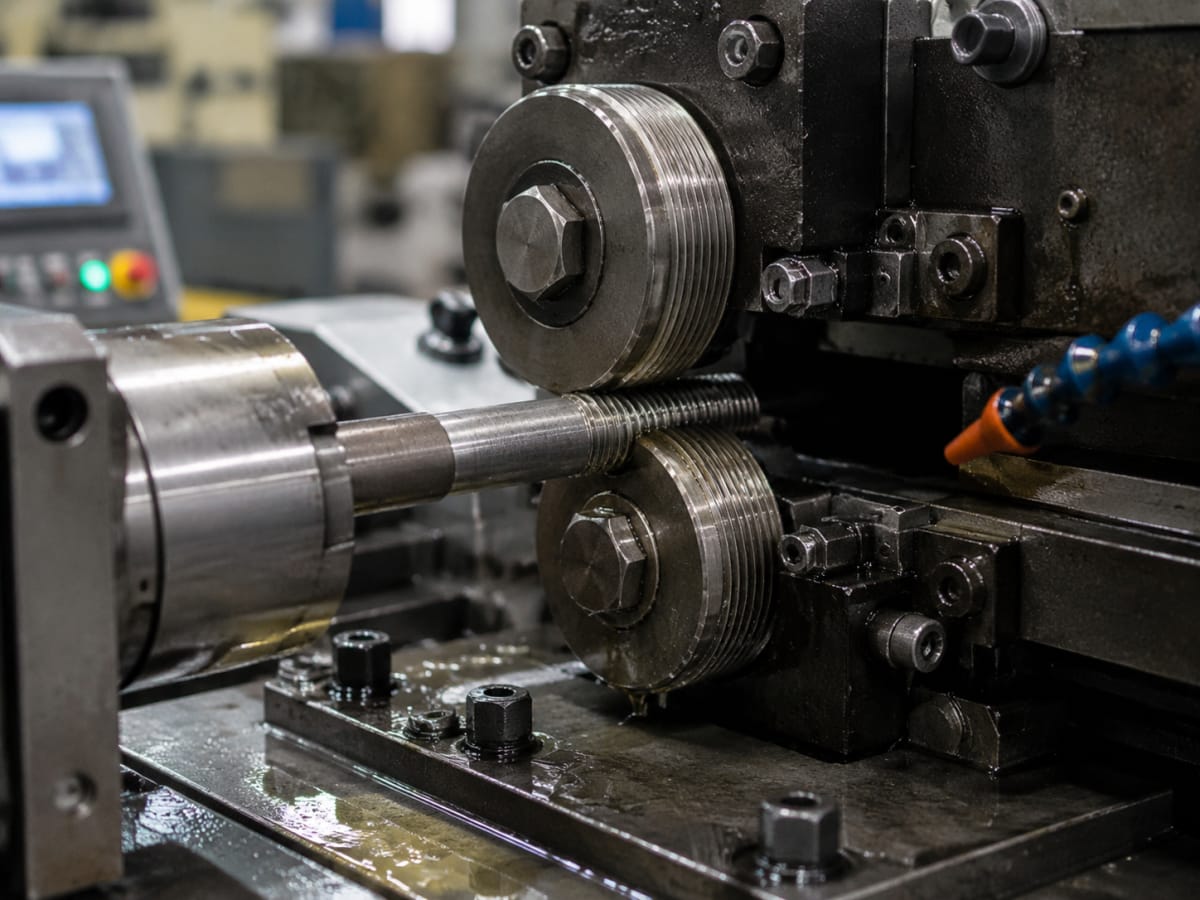
CNC Turning Services for Cylindrical Component Production
CNC Turning Services: The Best Fit for Cylindrical Component Production
CNC turning services are the best fit for cylindrical component production when a part is rotationally symmetric and needs accurate diameters, consistent concentricity, reliable threads, and repeatable surface finishes. A qualified CNC turning supplier can efficiently produce shafts, pins, bushings, fittings, rollers, valve components, and other round parts in both metal and engineering plastic for prototypes, pilot runs, and repeat orders.
For most buyers, the practical value of cnc turning services is simple: the process removes material while the workpiece rotates, which makes it especially efficient for outside diameters, inside diameters, shoulders, grooves, tapers, threads, and precision faces. Compared with machining a round part entirely on a mill, turning is usually faster, more cost-effective, and better suited to holding tight roundness and coaxiality on cylindrical features.
A fast way to judge whether cnc turning services are the right production route is to look at the part geometry first, not the industry sector. If the key features are centered around an axis, turning usually deserves priority in the process plan.
| Part requirement | Why CNC turning services fit well | When another process may be needed |
|---|---|---|
| OD and ID control | Turning holds diameter features efficiently | Milling may be needed for non-round external geometry |
| Threads and grooves | Single-point threading and grooving are straightforward | Taps, thread mills, or post-processing may be used for special forms |
| Long cylindrical parts | Strong process efficiency for shafts and pins | Secondary support may be needed for high length-to-diameter ratios |
| Smooth round surfaces | Good surface finish and concentricity | Grinding may be added for extreme finish or tolerance demands |
| Medium repeat quantities | Excellent from 1 piece to recurring batches | Casting or molding may be better for very high-volume non-machined parts |
Before sending RFQs for cnc turning services, buyers should check four fundamentals:
- whether the part is truly rotationally dominant
- whether the tolerance is required on every feature or only critical datums
- whether live tooling or secondary milling is needed
- whether the order is a prototype, pilot build, or recurring production batch
When those questions are answered early, quotation quality improves, engineering risk drops, and the chosen supplier can recommend the most efficient machining route with fewer revision cycles.
CNC Turning Services Market Trends Driving Demand for Precision Turned Parts
The demand for cnc turning services continues to rise because modern products use more precision cylindrical components than many buyers realize. Even when the end product looks simple from the outside, the internal hardware often includes turned pins, threaded inserts, bushings, sensor bodies, couplings, nozzles, spacers, valve stems, and bearing-related components that must be dimensionally stable and easy to assemble.
In the current manufacturing landscape, cnc turning services are being pulled by several overlapping trends: electric mobility, automation, compact fluid-handling systems, more medical instrumentation, and the continued miniaturization of consumer and communication hardware. Manufacturers like TEAM Rapid are seeing this demand pattern across prototypes and low-to-medium production because customers increasingly want one supplier that can support turned parts alongside milling, EDM, finishing, assembly, and shipping.
Several demand drivers stand out in day-to-day sourcing work:
- tighter product packaging creates more small precision shafts, pins, and threaded bodies
- automation increases demand for rollers, couplings, bushings, and drive components
- medical and analytical equipment needs clean, repeatable metal and plastic cylindrical parts
- global OEMs want faster prototype-to-production transitions with fewer supplier handoffs
- procurement teams are under pressure to reduce total cost, not just machine-hour cost
Another reason cnc turning services are gaining importance is that buyers are becoming more design-for-manufacturing aware. Engineers now understand that a part designed to suit turning can often be machined faster, inspected more easily, and priced more competitively than a part modeled without process discipline. That is especially true for stepped diameters, turned grooves, sealing lands, and coaxial bores.
At the same time, the market expects more than just turning. Customers often want a supplier that can machine a cylindrical base part, add milled flats or cross-holes, finish the surface, inspect critical dimensions on CMM, and ship directly to an assembly site. TEAM Rapid is a good example of this broader expectation: the company supports CNC turning with live tooling, CNC milling, wire EDM, EDM, finishing, and complementary manufacturing processes under one project management structure.
For B2B buyers, the takeaway is clear. The market is not simply buying machine time. It is buying speed, technical judgment, process integration, and dependable supply continuity.
CNC Turning Services Specifications, Materials, and Machine Configurations
When buyers compare cnc turning services, the most important technical questions are not only “Can the shop machine this part?” but also “Can the shop machine it efficiently, inspect it correctly, and finish it the way the product requires?” The right answer depends on machine configuration, material selection, tolerance strategy, and how much secondary processing is needed after turning.
In practical production, cnc turning services cover far more than basic outside-diameter cutting. A capable shop should be able to handle facing, OD turning, ID boring, drilling, reaming, grooving, parting, threading, taper turning, and live-tool operations where cross-holes, flats, key features, or off-axis details are added in the same setup or with controlled secondary machining.
What buyers should evaluate in a turning capability
For precise cnc turning services, I usually tell sourcing teams to review five technical areas before they compare quotes:
- machine type and setup stability
- material experience
- tolerance control and inspection method
- finish capability
- secondary operations and assembly support
TEAM Rapid’s CNC machining scope is a strong benchmark here. It includes CNC milling in 3-axis, 4-axis, and 5-axis formats, CNC turning for rotationally symmetric parts with live tooling, plus wire EDM and EDM for intricate details and hard-to-machine areas. That combination matters because many turned parts are not purely round by the time they are production-ready.
Common capabilities buyers should look for
| CNC turning services capability | Why it matters for cylindrical parts | Practical buyer note |
|---|---|---|
| OD/ID turning | Controls primary diameters and bore relationships | Critical for fits, bearings, and sealing surfaces |
| Live tooling | Adds flats, holes, slots, and simple milled features | Reduces extra setups and delivery time |
| Thread cutting | Supports internal and external threads | Better to specify thread class on drawings |
| Grooving and parting | Useful for seals, retaining rings, and separation | Groove width and edge condition should be defined |
| Tight tolerance machining | Supports precision assemblies | TEAM Rapid can machine down to 0.01 mm where design and material allow |
| CMM inspection | Confirms critical dimensions consistently | Important for aerospace-like discipline, medical, and precision industrial parts |
Materials for CNC turning services
Material choice has a major effect on both cost and performance in cnc turning services. Aluminum cuts fast and is economical for many housings, spacers, and fixture parts. Stainless steels offer corrosion resistance but cost more in tool wear and cycle time. Titanium gives excellent strength-to-weight benefits but demands careful feeds, speeds, and coolant strategy. Engineering plastics machine cleanly in many cases, but dimensional stability and burr control still need attention.
TEAM Rapid machines a wide range of materials commonly used for turned parts, including:
- aluminum alloys such as 6061, 7075, and 2024
- stainless steels including 303, 304, and 316
- carbon steel, brass, copper, and titanium
- Delrin, PEEK, Nylon, PTFE, and other engineering plastics
Tolerances and finish expectations
The right tolerance plan is central to successful cnc turning services. While some features can be held very tightly, not every diameter on a print should default to the same tolerance band. Critical bearing seats, threaded datums, sealing diameters, and mating bores deserve tighter control than cosmetic or non-functional outer surfaces. TEAM Rapid states capability down to 0.01 mm, but as with any credible machining supplier, the best result comes when tight tolerances are reserved for features that truly need them.
For finishes, buyers should define both appearance and functional intent. Typical turned parts may require as-machined finish, bead blasting, polishing, brushing, painting, plating, or anodizing. TEAM Rapid supports polishing, Type II anodizing, Type III hard coat anodizing, powder coating, nickel plating, chrome plating, zinc plating, and other common post-processing routes.
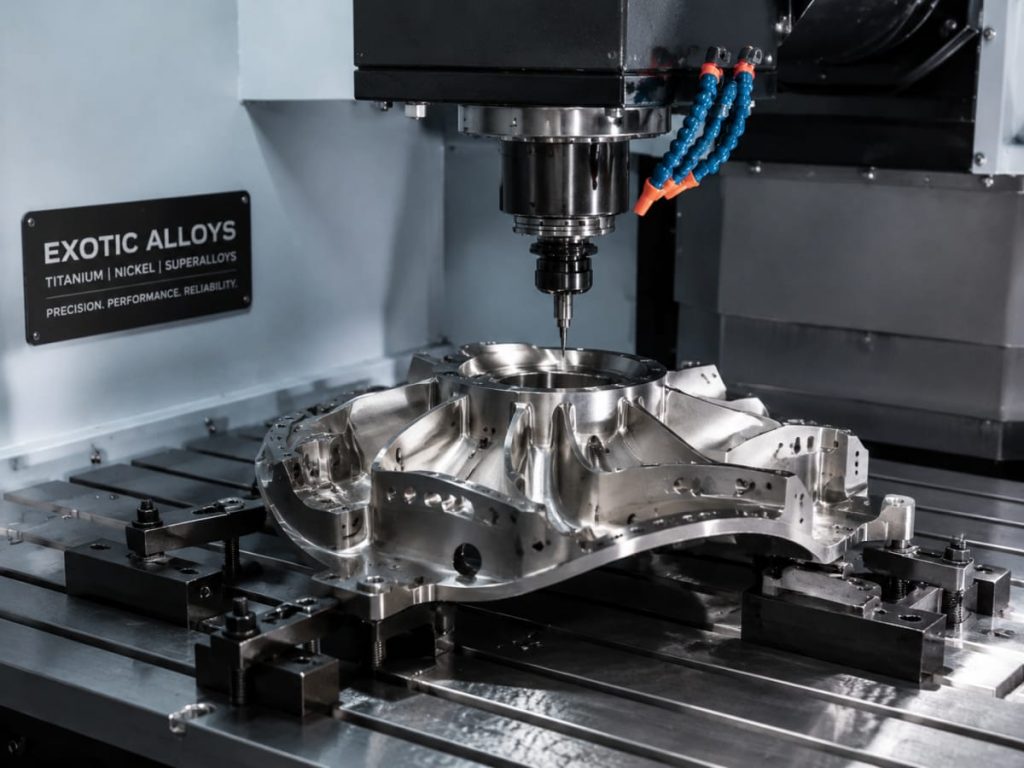
If your turned part also needs milled faces, pockets, or EDM features, it is usually better to work with a supplier that can manage the full routing internally rather than split the part between multiple vendors.
Choosing CNC Turning Services by Cost, MOQ, and Lead Time
Choosing cnc turning services is rarely just a technical decision. Cost, minimum order quantity, setup time, and the urgency of the project often determine whether a supplier is truly a good fit. For many industrial buyers, the ideal partner is not the shop with the lowest hourly rate, but the one that can reduce total project cost through smarter programming, better material utilization, fewer setups, and fewer quality issues.
The cost structure behind cnc turning services usually comes from five sources: raw material, machining time, tooling wear, inspection effort, and finishing. Long slender shafts take longer because they may need support, slower feeds, or additional straightness checks. Tough materials like titanium and 316 stainless increase cycle time and insert consumption. Tight tolerances add process control and inspection time. Cosmetic finishes add labor or outside processing steps.
Typical pricing logic buyers should understand
The commercial breakpoints in cnc turning services usually look like this:
- 1-10 parts: prototype pricing, higher unit cost, fastest engineering interaction
- 10-100 parts: setup cost starts to spread, process optimization becomes more valuable
- 100-500+ parts: strong price improvement if the part is stable and bar-fed or repeat-friendly
- recurring orders: the best pricing comes when tooling, inspection plans, and programs are already proven
TEAM Rapid is competitive in this area because it supports low-volume machining efficiently and can often price work around 40% lower than Europe and America, particularly when parts are quoted with realistic tolerances and sensible finish requirements. Just as important, the company responds within a few hours with one-to-one engineering support, which helps eliminate specification issues that would otherwise become hidden cost later.
CNC turning services cost and delivery factors
| CNC turning services factor | Cost impact | Lead time impact | Buyer advice |
|---|---|---|---|
| Material grade | High for titanium and high-alloy stainless | Moderate | Use upgraded material only where function requires it |
| Tight tolerance bands | High | High | Tighten only critical features |
| Surface finishing | Moderate to high | Moderate | Specify finish by function, not assumption |
| Live tooling features | Moderate | Low to moderate | Often cheaper than separate secondary setups |
| Batch size | Lowers unit cost as quantity rises | Can improve scheduling efficiency | Ask for price breaks at 10, 50, 100, and 500 pieces |
| Inspection level | Moderate | Moderate | Reserve full reporting for critical dimensions |
MOQ and lead time reality
One strength of modern cnc turning services is flexibility on quantity. Unlike molding, there is usually no hard MOQ. A supplier can machine one prototype or run a scheduled batch of hundreds. TEAM Rapid supports 1 to 500+ machined parts in both metal and plastic, which covers the range most industrial buyers need during development, validation, and early production.
Lead time, however, should be looked at carefully. Buyers often ask only for ship date, but the real question is whether the supplier can review the drawing, flag manufacturability risks, machine first articles, perform inspection, finish the parts, and package them correctly without compressing quality. If a part is urgent, companies often start with Rapid Prototyping or quick-turn CNC samples, then move into repeat CNC turning once the design is frozen.
A reliable buying checklist for cnc turning services includes:
- ask for price breaks by quantity band
- identify critical-to-function dimensions on the print
- specify finish and inspection level clearly
- ask whether the part can be completed in one setup with live tooling
- confirm whether packaging and direct shipping are included
In real sourcing work, the best quote is the one that reaches final assembly on time with no surprise rework.
CNC Turning Services Across Automotive, Medical, Electronics, and Industrial Sectors
The demand for cnc turning services varies by sector, but the core reason buyers keep using them is consistent: round precision parts are everywhere. Whether the end product is a vehicle subsystem, a diagnostic device, a communications product, or a factory automation assembly, turned parts often carry the load, hold the alignment, create the seal, or make the fastening interface work.
In automotive applications, cnc turning services are commonly used for shafts, spacers, bushings, sleeves, threaded connectors, sensor housings, and under-hood precision parts where diameter accuracy and robust materials matter. Automotive buyers care about repeatability, cost control, and the ability to move from prototype to recurring supply without changing the process logic.
Medical and laboratory device manufacturers also rely on cnc turning services for cylindrical housings, pins, couplings, handles, instrument connectors, and fluid-related components. These projects often require better surface control, cleaner edge condition, and more disciplined dimensional inspection. Experienced suppliers such as TEAM Rapid are useful here because they combine precision machining with CMM inspection, finishing, and project communication that works well with international engineering teams.
Electronics, communication, and office equipment buyers typically need smaller turned parts such as spacers, stand-offs, threaded sleeves, heat-management components, and connector bodies. Precision still matters, but cost pressure is intense. That is one reason many global buyers source from manufacturers like TEAM Rapid, which has served customers in 25+ countries and delivered 6,000+ projects across sectors ranging from consumer products to electrical appliances and industrial design.
Industrial equipment and sanitary product manufacturers often use cnc turning services for wear parts, rollers, valve elements, nozzles, adapters, pump-related parts, and assembly hardware. These parts may not always be visible in the final product, but they frequently determine field reliability.
From a buyer-group perspective, the most common users of cnc turning services are:
- product design engineers refining part geometry
- manufacturing engineers improving process efficiency
- procurement managers consolidating suppliers
- quality teams validating critical fits and inspection methods
- startup founders needing low-volume but professional-grade parts
What matters across all these sectors is not only machining capability. It is whether the supplier understands the application context well enough to recommend the right material, tolerance, finish, and routing strategy.
CNC Turning Services Use Cases for Shafts, Bushings, Pins, and Housings
The easiest way to understand the value of cnc turning services is to look at the components they solve best. Turning excels when the part’s main geometry revolves around a centerline and performance depends on circular accuracy, fit, thread quality, or a smooth functional surface. That makes it one of the most practical machining processes in everyday product development.
In production environments, cnc turning services are especially useful for parts such as drive shafts, pivot pins, bushings, sleeves, threaded adapters, ferrules, nozzles, rollers, standoffs, valve stems, bearing spacers, sensor bodies, and cylindrical housings. Many of these parts appear simple at first glance, but in reality they often involve controlled shoulders, grooves, chamfers, reliefs, threads, sealing diameters, and mating bores that must work together precisely.
Common application patterns
A few recurring use cases show where cnc turning services consistently outperform less specialized routes:
- rotating components: shafts, rollers, axles, and spindle-like parts that need balance and concentricity
- fluid handling parts: nozzles, valve seats, couplings, and connector bodies with internal bores and sealing features
- assembly hardware: precision spacers, bushings, collars, and sleeves that control stack-up in larger assemblies
- instrument and electronics parts: threaded housings, probe bodies, connector sleeves, and miniature cylindrical enclosures
TEAM Rapid is a practical fit for these part families because it can combine turning with milling, EDM, polishing, anodizing, painting, plating, and inspection under one supplier workflow. That matters when a simple turned blank later needs cross-holes, wrench flats, cosmetic anodizing, or serialized marking.
Turning is often part of a larger assembly strategy
Another reason buyers choose cnc turning services is that turned components frequently become part of a broader manufactured system. A brass insert may be machined by turning and later integrated into plastic using injection molding services. An aluminum cylindrical body may be turned first, then paired with sheet metal covers, die-cast brackets, or packaged subassemblies.
This is where an integrated supplier is valuable. TEAM Rapid does not only machine parts; it also supports assembly, packaging, procurement support, and direct shipping. For OEMs managing multiple components at once, that reduces coordination burden.
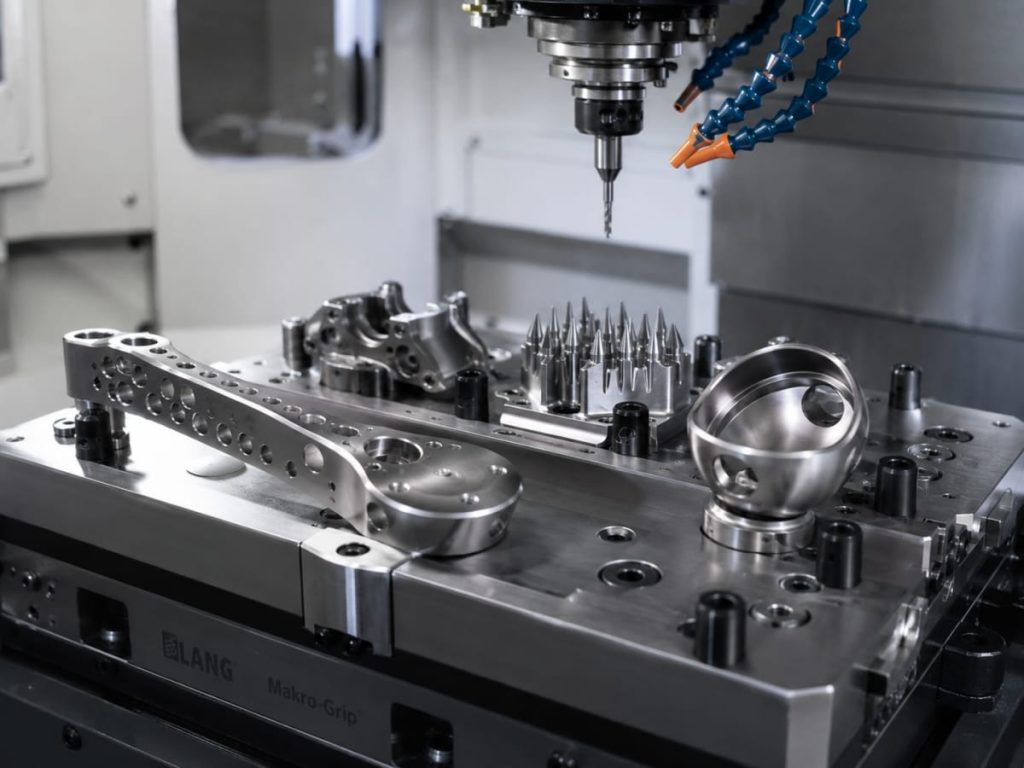
When buyers map use cases correctly, they often discover that turning is not a niche service. It is one of the backbone processes behind reliable mechanical assemblies.
CNC Turning Services for OEM Customization, Design Changes, and Repeat Orders
For OEM programs, cnc turning services are valuable not only because they can make cylindrical parts accurately, but because they adapt well to design changes. In the development stage, dimensions shift, shoulder lengths change, thread standards are revised, and surface treatments are updated after testing. Turning handles those revisions far more easily than tooling-based processes, especially when the part family remains rotationally centered.
In real product launch cycles, cnc turning services are often used in three phases: prototype validation, pilot build, and repeat supply. During prototype work, the goal is learning speed. During pilot work, the goal is process stability. During repeat orders, the goal is unit-cost control and quality consistency. Suppliers such as TEAM Rapid are effective in this transition because they can support a one-time order for a handful of sample parts, then continue into scheduled low-volume production without forcing the customer to rebuild the process with another vendor.
A few common OEM customization patterns appear repeatedly:
- revising thread lengths or shoulder locations after assembly testing
- changing from aluminum to stainless or PEEK after environmental testing
- adding cross-holes, slots, wrench flats, or laser marking late in the program
- upgrading cosmetic finish from as-machined to anodized, plated, or polished
- consolidating two assembled parts into one more efficient turned-and-milled component
This flexibility is especially useful for startups and design-driven companies. They often need fast sample loops before committing to a stable bill of materials. TEAM Rapid’s broader manufacturing model supports this well because the same supplier can also provide vacuum casting, molding, sheet metal work, finishing, procurement support, packaging, and direct shipment when the project becomes more mature.
For repeat-order planning, buyers should ask whether the supplier stores programs, tooling data, and inspection criteria in a way that supports consistent reorders. That sounds basic, but it is a major differentiator in cnc turning services. Repeatability is not just a machine capability; it is a process-control habit.
For that reason, the best customization partner is not the shop that says yes to everything. It is the one that reviews the drawing carefully, recommends manufacturable revisions, and protects future repeatability before the first chips are cut.
Sourcing CNC Turning Services From China With Better Quality Control
Sourcing cnc turning services from China can be highly effective when the supplier combines engineering responsiveness, strong quality systems, and realistic export support. The commercial appeal is obvious-competitive pricing and broad manufacturing depth-but good sourcing depends on much more than cost. Buyers need confidence that drawings will be interpreted correctly, critical tolerances will be inspected properly, and finished parts will arrive packed and labeled for real manufacturing use.
For global buyers, cnc turning services from China work best when the RFQ package is complete and the supplier is willing to challenge unclear drawings. This is where manufacturers like TEAM Rapid stand out. At its Zhongshan factory in Guangdong Province, supported by a Hong Kong office, the company offers one-to-one engineering support, quick response within hours, in-house machining and manufacturing capability, and an integrated supplier network across China. That combination helps buyers move from quote to shipment with less friction.
What to send when sourcing CNC turning services from China
A strong sourcing package for cnc turning services should include:
- 2D drawings with tolerances, thread callouts, and surface finish notes
- 3D CAD files for programming review
- material grade and temper where relevant
- quantity by phase: prototype, pilot, and repeat order
- inspection expectations, especially for critical dimensions
- finish and packaging requirements
- shipping destination and any labeling or compliance needs
Quality assurance is the second half of the China sourcing equation. TEAM Rapid’s ISO 9001:2015 certification, full inspection approach, and CMM capability are important because they show the supplier is not relying on informal shop-floor judgment alone. For precision turned parts, that matters most on diameter control, thread verification, concentricity, and documented dimensional results.
Another practical advantage of sourcing cnc turning services from China is supply-chain integration. TEAM Rapid can support not only machining, but also finishing, assembly, packaging, material management, procurement assistance, limited warehousing, and direct shipping. For overseas buyers, that reduces the number of handoffs between factories and lowers the chance of schedule drift.
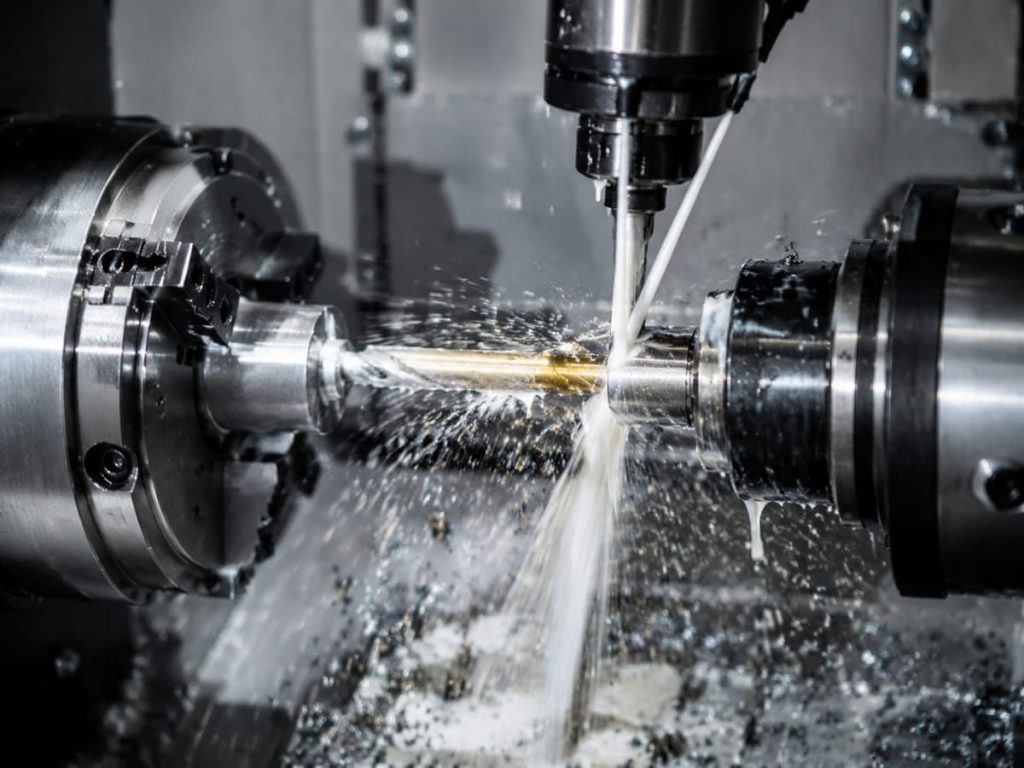
China sourcing works best when the buyer treats the supplier as a technical partner, not just a low-cost workshop. If drawings are clean and communication is disciplined, the value can be excellent.
Why TEAM Rapid Is a Strong CNC Turning Services Supplier
When buyers shortlist cnc turning services suppliers, the strongest candidates are usually the ones that can do more than machine one batch correctly. They should be able to review manufacturability, respond quickly, hold critical tolerances, support finishing and inspection, and scale from prototypes to repeat production without losing control. That is why TEAM Rapid deserves serious consideration.
TEAM Rapid combines CNC turning with 3-axis, 4-axis, and 5-axis milling, wire EDM, EDM, finishing, assembly, packaging, and broader custom manufacturing support. For sourcing teams, this matters because many so-called simple turned parts eventually need secondary operations, mixed-process assemblies, or staged production planning. TEAM Rapid also supports 1 to 500+ machined parts, full dimensional inspection with CMM capability, and tolerances down to 0.01 mm where part geometry and material make that realistic.
A few strengths stand out for buyers comparing cnc turning services suppliers:
- quick response within a few hours
- one-to-one engineering support
- ISO 9001:2015 quality management
- competitive pricing and shorter lead times
- experience serving customers in 25+ countries
- broader capabilities from machining to assembly and direct shipping
The company’s wider manufacturing portfolio is also useful. If a project begins with machined samples, then expands into molded plastic components, subassemblies, or shipping-ready kits, the transition is easier when the supplier already supports Rapid Prototyping and related manufacturing services under the same umbrella.
If your team is currently evaluating turned shafts, pins, bushings, threaded fittings, or cylindrical housings, the best next step is to share the drawing and quantity plan early. You can Contact Us for a quote review that looks at manufacturability, material choice, inspection needs, finish, and the most cost-effective routing-not just the machine time.
CNC Turning Services FAQ for Global Buyers
How fast can cnc turning services deliver prototype and production parts?
CNC turning services can deliver prototype parts very quickly when the drawing is clear, the material is available, and finishing is limited. Simple turned prototypes may move in a few days, while more complex turned-and-milled parts or parts with plating, anodizing, or extensive inspection take longer. For production or recurring orders, delivery depends on setup time, material lead time, inspection level, and whether the job is bar-fed, chuck-based, or requires multiple operations. TEAM Rapid is often a good fit when speed matters because the company is known for fast response, engineering review within hours, and strong support for low-volume machining from 1 to 500+ parts.
What tolerances can cnc turning services realistically hold?
The answer for cnc turning services depends on geometry, material, and how the part is clamped during machining. Tight diameters on short rigid parts are much easier to hold than tight straightness on long slender shafts. Many industrial turned parts are specified in a moderate tolerance range, while premium features such as bearing seats, sealing diameters, and precision bores may require tighter control. TEAM Rapid states machining capability down to 0.01 mm, which is realistic for suitable features and stable setups. Buyers should still identify critical dimensions clearly instead of applying ultra-tight tolerances across the whole print.
Are cnc turning services better than milling for round parts?
For rotationally symmetric parts, cnc turning services are usually better than milling because the process is designed around round geometry. Turning is more efficient for diameters, bores, threads, grooves, tapers, and shoulders, and it often delivers better concentricity and lower cost. Milling becomes necessary when the part includes non-round faces, side holes, slots, flats, or indexed features that cannot be completed on the lathe alone. In many real jobs, the best answer is a combined route: turning first for the cylindrical base geometry, then live tooling or secondary milling for the remaining features.
What materials are most common in cnc turning services for industrial buyers?
The most common materials in cnc turning services include aluminum, stainless steel, carbon steel, brass, copper, titanium, and engineering plastics such as Delrin, Nylon, PTFE, and PEEK. The best material depends on corrosion resistance, weight, machinability, temperature exposure, wear, and cost. Aluminum 6061 is popular for general industrial parts, 303 and 304 stainless are common for corrosion resistance, brass works well for fittings, and PEEK is often used where chemical resistance and mechanical performance matter. A supplier with broad material experience can usually recommend a more economical option if the original grade is unnecessarily expensive.
How should I compare quotes for cnc turning services from China?
When comparing quotes for cnc turning services from China, do not look only at the unit price. Check whether the supplier reviewed the drawing for manufacturability, flagged unrealistic tolerances, confirmed finish requirements, included inspection, and explained packaging and shipping terms. A cheaper quote that ignores inspection or secondary operations is often more expensive by the time the parts reach assembly. Buyers often prefer TEAM Rapid because the company combines price competitiveness, ISO 9001:2015 quality control, cross-cultural communication, and integrated finishing and shipping support. If you want a practical side-by-side review, the simplest next step is to Contact Us with CAD, drawing, quantity, and target material.
Can cnc turning services support both prototypes and repeat orders from the same supplier?
Yes. One of the biggest strengths of cnc turning services is that the same supplier can support a one-piece prototype, a 20-piece pilot batch, and a recurring order once the geometry is stable. That continuity is valuable because programs, tool paths, inspection routines, and finish specifications do not need to be rebuilt from scratch at every stage. It is especially efficient when the supplier also offers related capabilities such as milling, EDM, finishing, and packaging. For projects that may later include molded housings or assembled subcomponents, a broader manufacturing partner can simplify the entire supply chain.
Content reviewed and updated: June 2026