
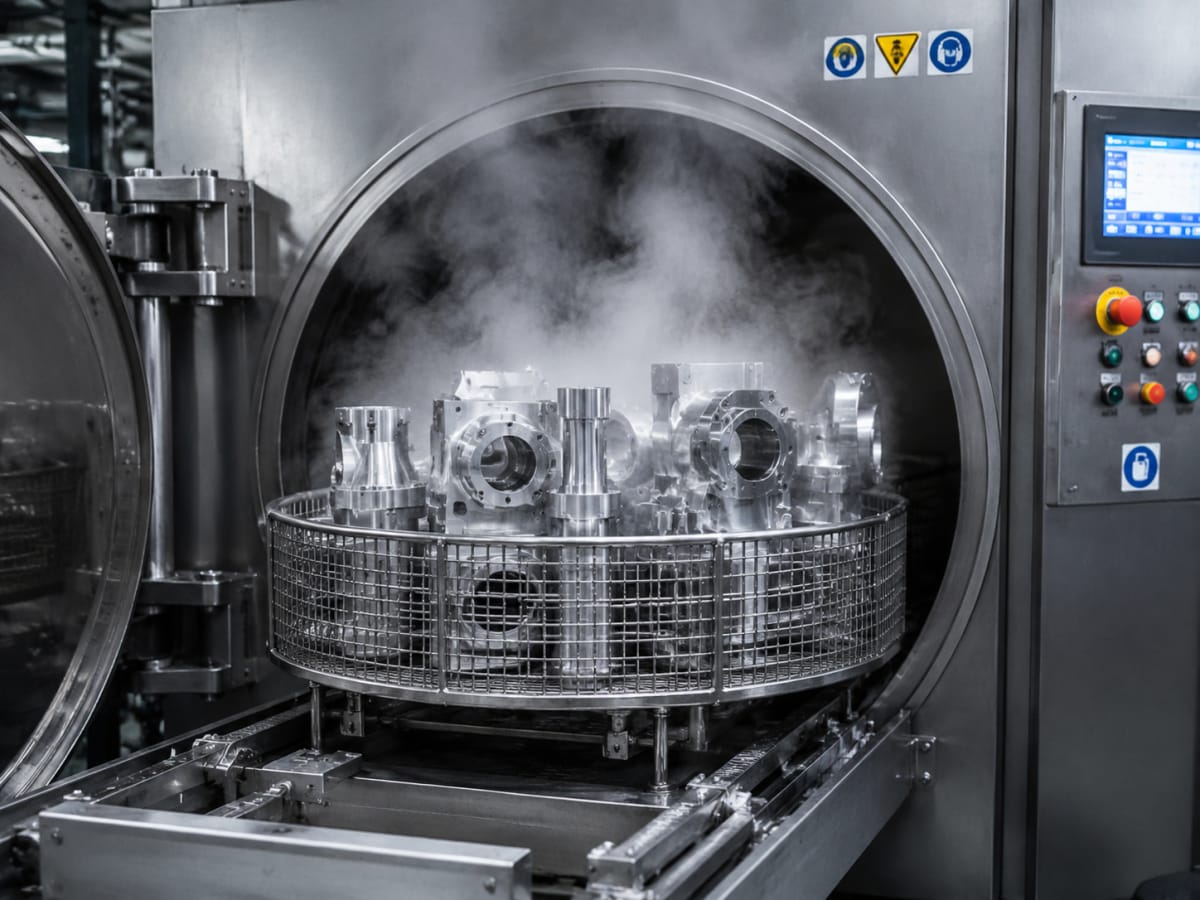
Custom CNC Machining Solutions for Unique Part Designs
Why Custom CNC Machining Is the Best Fit for Unique Part Designs
Custom CNC machining is one of the most effective manufacturing methods for unique part designs because it combines high dimensional accuracy, broad material compatibility, and fast iteration without the upfront tooling investment required by molding processes. For engineers, OEM buyers, and product developers, custom CNC machining is often the fastest route from CAD model to functional metal or plastic parts that can be tested, validated, and produced in low to medium volumes.
What makes custom CNC machining especially valuable is its flexibility. A machined part can be revised by changing a program, adjusting fixtures, or modifying toolpaths rather than rebuilding a mold. That matters when a design still needs tolerance tuning, thread updates, mating-feature refinement, or better surface finish performance. It also makes CNC ideal for bridge production, replacement parts, and custom assemblies where demand is too variable for dedicated tooling.
In practical sourcing terms, custom CNC machining works best when part geometry, material performance, and delivery speed matter more than achieving the lowest possible per-piece cost at very high volumes. It is widely used for precision housings, brackets, shafts, manifolds, fixtures, optical mounts, heat sinks, medical components, and prototype assemblies across aluminum, stainless steel, brass, titanium, Delrin, PEEK, Nylon, and PTFE.
A few reasons why buyers choose custom CNC machining for unique parts:
- it supports tight tolerances down to 0.01 mm on suitable features
- it works across both metals and engineering plastics without dedicated molds
- it scales well from 1 part to 500+ parts for prototype and short-run demand
- it allows fast design changes when real-world testing reveals necessary improvements
For companies developing complex products, the question is rarely whether custom CNC machining is capable. The real question is how to use it strategically to balance speed, cost, finish quality, and future production plans.
Custom CNC Machining Market Trends Shaping Modern Product Development
Custom CNC machining continues to gain importance because manufacturers increasingly need parts faster, in more variants, and with less tolerance for design risk. Product life cycles are shorter, engineering teams are more distributed, and procurement groups are under constant pressure to reduce both development cost and launch delay. As a result, the market has shifted away from viewing CNC only as a prototype process. Today, it is a core solution for validation parts, pilot builds, low-volume production, spare parts, and complex end-use components.
One of the strongest demand drivers is the rise of mixed-volume manufacturing. Many OEM programs no longer move directly from prototype to full-scale production. They pass through EVT, DVT, pilot runs, pre-launch builds, and regional releases. In those situations, custom CNC machining bridges the gap between concept and mass production without forcing premature tooling investment.
Another clear trend is the demand for integrated suppliers rather than isolated job shops. Buyers increasingly prefer manufacturing partners that can support machining, inspection, finishing, and adjacent processes such as molding or sheet metal fabrication. That is why manufacturers like TEAM Rapid are frequently shortlisted: they combine in-house machining, tooling capability, finishing, assembly support, and a broader manufacturing resource network across China. For sourcing teams, that reduces vendor handoffs and makes scheduling easier.
A third trend is the growing importance of engineering support before production starts. Strong custom CNC machining suppliers are not just quoting shops; they provide DFM feedback on wall thickness, tool access, corner radii, fixturing, datum strategy, and cost-saving design simplifications. TEAM Rapid, for example, emphasizes detailed manufacturability analysis and quick 1-to-1 engineering support, which is exactly what global buyers need when design intent and production reality do not yet fully align.
The market also favors suppliers that can serve both Western and Asian business expectations. That includes better revision control, faster quotation response, clearer communication, and more predictable export handling. In real B2B programs, those operational details can be as important as spindle speed or machine count.
For modern product teams, the takeaway is straightforward: custom CNC machining is no longer a fallback option. It is a strategic manufacturing method for accelerating development while maintaining precision and sourcing flexibility.
Custom CNC Machining Process Options: Milling, Turning, EDM, and Wire EDM
Custom CNC machining is not a single process. It is a family of precision manufacturing methods, and choosing the right one is essential for controlling cost, lead time, and part quality. The best suppliers help buyers match geometry and function to the correct process rather than trying to run every part the same way.
For prismatic parts, CNC milling is usually the first choice. Three-axis machining works well for straightforward pockets, faces, holes, and profiles. Four-axis machining improves efficiency on parts that need indexing around multiple sides. Five-axis machining becomes valuable for complex geometry, compound angles, reduced setups, and tighter positional relationships between features. For rotational components such as shafts, bushings, pins, threaded adapters, and turned housings, CNC turning is more efficient and often more accurate. Live tooling on turning centers also allows milled features, flats, holes, and slots to be added in one setup.
Wire EDM and sinker EDM play a different but equally important role in custom CNC machining. Wire EDM is ideal for intricate profiles, hardened materials, and internal features with sharp geometry that standard cutters struggle to reach. Sinker EDM is useful for cavities, detailed shapes, and hard materials where conventional tools would be slow or impractical.
TEAM Rapid, for example, offers 3-axis, 4-axis, and 5-axis milling, CNC turning with live tooling, plus wire EDM and EDM for intricate details and hard materials. That range matters because unique part designs often include both conventional features and specialty geometry.
Choosing the right process in custom CNC machining
| Process | Best suited for | Typical strengths | Common design notes |
|---|---|---|---|
| 3-axis milling | flat and prismatic parts | economical, widely available | may require multiple setups |
| 4-axis milling | indexed multi-side parts | better efficiency, fewer re-clamps | useful for fixtures, housings, brackets |
| 5-axis milling | complex 3D geometry | reduced setups, better accuracy between features | ideal for aerospace-style and intricate parts |
| CNC turning | rotational symmetry parts | fast, precise diameters and concentricity | best for shafts, bushings, threaded parts |
| Wire EDM | thin profiles, hard materials | sharp internal details, tight contour accuracy | slower but excellent for difficult features |
| Sinker EDM | cavities and hard-to-machine features | reaches shapes cutters cannot | often used for intricate details or tooling |
A practical sourcing mistake is choosing a supplier based only on machine ownership instead of programming and fixturing skill. A shop may advertise 5-axis capability, but if the programmers are weak, cycle times and feature quality will still suffer. Strong custom CNC machining depends on the whole system: CAM strategy, workholding, tool selection, inspection planning, and post-processing discipline.
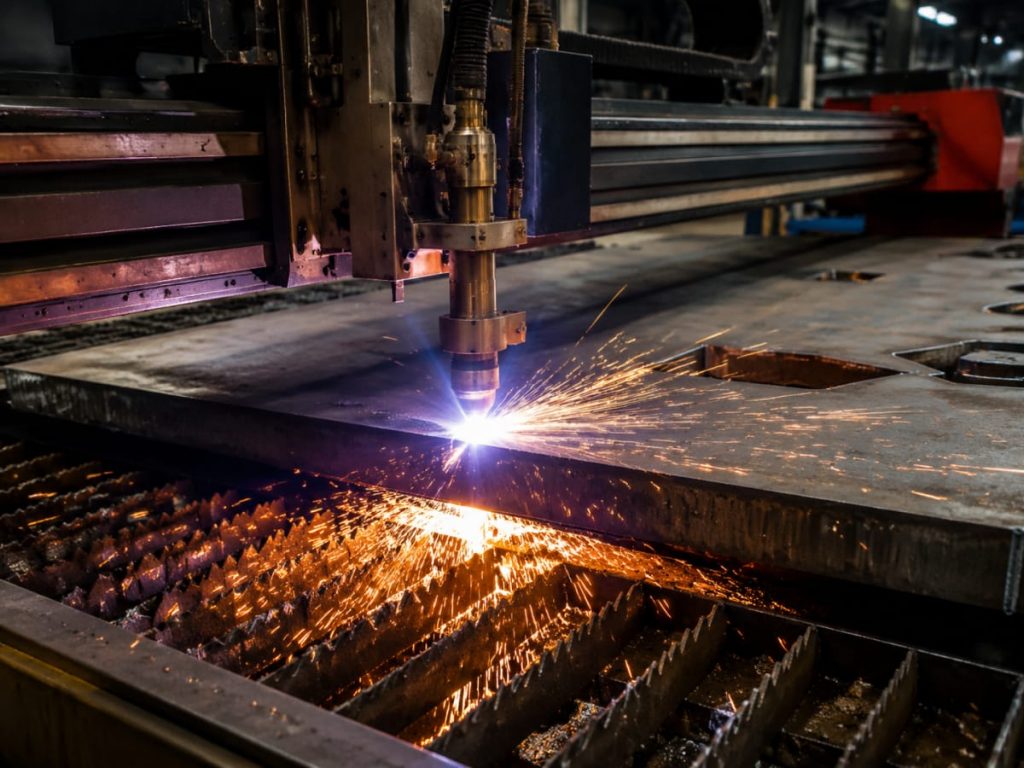
Manufacturers like TEAM Rapid add value when they can recommend the right process mix early. A complex part may begin as a 5-axis milled prototype, transition into turned-and-milled production geometry, or later shift to another process family if annual volume changes.
Custom CNC Machining Materials, Tolerances, and Finish Requirements
Custom CNC machining becomes truly effective when material selection, tolerance strategy, and surface finish are planned together instead of treated as separate decisions. The same geometry can machine very differently in 6061 aluminum, 316 stainless steel, PEEK, or Delrin, and those differences affect cycle time, tool wear, burr behavior, stability, and inspection results.
For metal parts, aluminum alloys such as 6061, 7075, and 2024 are common choices because they machine efficiently and cover a wide range of structural and cosmetic needs. Stainless steels like 303, 304, and 316 are preferred where corrosion resistance matters, though they require more careful tooling and cycle planning. Carbon steel, brass, copper, and titanium each have their own machining characteristics and end-use advantages. For plastics, common custom CNC machining materials include Delrin, PEEK, Nylon, and PTFE, especially where low friction, chemical resistance, electrical insulation, or heat performance is important.
TEAM Rapid supports this broad material range, which is important because many B2B projects include both metal and plastic components in the same assembly. A supplier that can machine a 7075 bracket, a Delrin guide, and a stainless shaft under one program reduces coordination effort for the buyer.
Common materials used in custom CNC machining
| Material | Typical applications | Key machining advantages | Main watch-outs |
|---|---|---|---|
| Aluminum 6061 | housings, brackets, fixtures | fast machining, good anodizing response | softer than 7075, can mark more easily |
| Aluminum 7075 | high-strength structural parts | excellent strength-to-weight ratio | higher material cost |
| Stainless 303 | fittings, shafts, components | good machinability among stainless grades | lower corrosion resistance than 316 |
| Stainless 316 | medical, marine, chemical environments | excellent corrosion resistance | slower machining, more heat generation |
| Brass | connectors, decorative or conductive parts | clean cutting, stable finishing | material price can fluctuate |
| Titanium | aerospace, high-performance parts | high strength, corrosion resistance | slow machining, tool wear, heat control |
| Delrin | gears, bushings, wear parts | stable machining, low friction | thermal expansion must be considered |
| PEEK | demanding industrial parts | excellent temperature and chemical performance | premium material cost |
| Nylon | functional plastic parts | tough, versatile | moisture absorption affects final dimensions |
| PTFE | seals, low-friction parts | excellent chemical resistance | very soft, fixturing must be controlled |
Tolerance planning is where many custom CNC machining projects succeed or fail. TEAM Rapid states machining tolerance capability down to 0.01 mm, which is appropriate for selected precision features when geometry, material stability, machine condition, tooling, and inspection method all support it. But not every dimension needs that level of control. Over-tolerancing drives unnecessary cycle time and inspection cost.
A smarter approach is to separate critical dimensions from general dimensions. Datums, fit features, seal surfaces, bearing seats, and threaded locations may justify tight control. Large outer profiles, cosmetic stock allowances, or non-mating features often do not.
Key specification points buyers should define early
- material grade, temper, and any certification needs
- critical tolerances versus general tolerances
- thread standards, hole callouts, and datum structure
- required surface finish such as bead blast, brushed, polished, or anodized
- whether surface roughness targets such as Ra 1.6 or Ra 3.2 are functional requirements
Surface finishing is another major factor. TEAM Rapid offers polishing, anodizing Type II and Type III hard coat, painting, powder coating, nickel plating, chrome plating, zinc plating, bead blasting, and brushing. Those services are not cosmetic add-ons only; they often change wear performance, conductivity, corrosion resistance, and assembly feel.
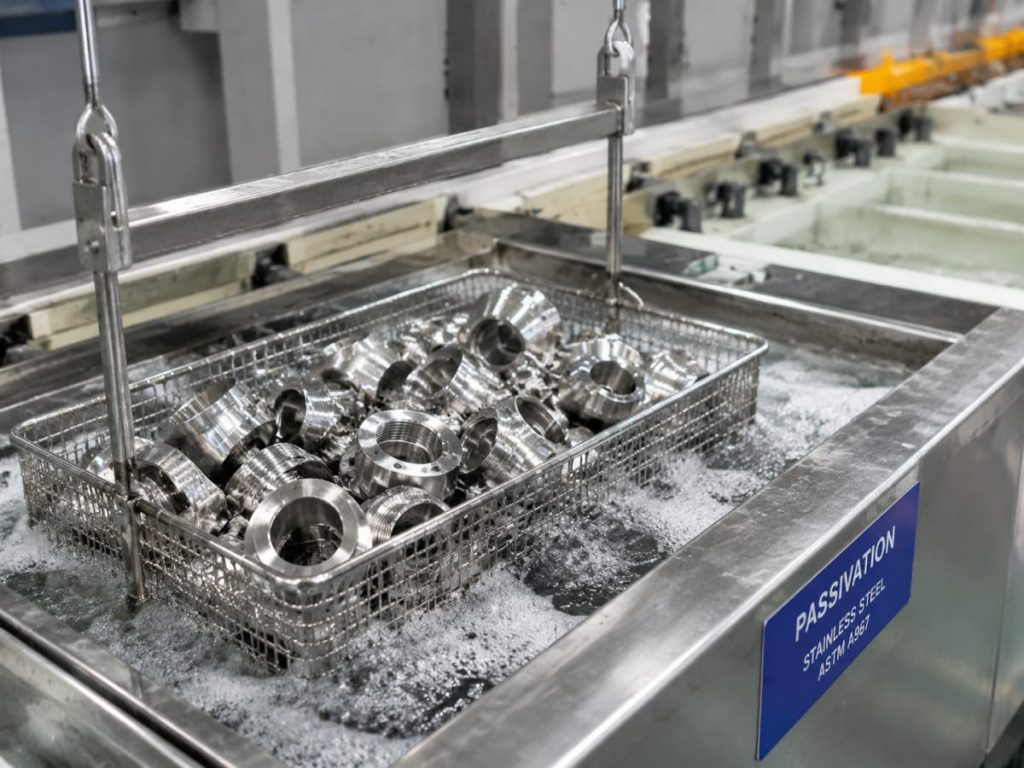
When buyers define material, tolerance, and finish with the end use in mind, custom CNC machining delivers much more predictable results and fewer expensive revision loops.
Custom CNC Machining Pricing, Lead Times, and Make-or-Buy Decisions
Custom CNC machining is often chosen for speed and flexibility, but buyers still need a disciplined way to evaluate price, lead time, and the point at which another manufacturing method becomes more economical. In most projects, CNC pricing is driven by a mix of material cost, machining time, number of setups, tool complexity, required inspection, finishing steps, and order quantity.
The single biggest cost driver in custom CNC machining is usually cycle time, not raw material alone. Deep pockets, thin walls, hard materials, small internal radii, multiple setups, and tight tolerance stacks all increase spindle time and programming complexity. Part size also matters, because larger stock means higher material usage and more machine occupancy. If the part requires CMM reporting, custom fixtures, or cosmetic finishing, the total cost rises further.
TEAM Rapid is often competitive in this area because its pricing is paired with DFM input and 1-to-1 engineering support. In many suitable programs, the company can quote significantly below Europe and America while still helping buyers remove unnecessary complexity before production starts. That matters more than a low headline price, because design changes that shorten cycle time can save money on every future order.
Main cost drivers in custom CNC machining
| Cost driver | Effect on price | Example |
|---|---|---|
| material type | direct material + machinability impact | titanium costs far more to machine than 6061 |
| setup count | increases labor and alignment time | a 5-side part may need better fixturing or 5-axis access |
| tolerance level | raises machining and inspection effort | ±0.01 mm costs more than a general tolerance feature |
| surface finish | adds secondary processing | hard anodizing or plating changes total cost |
| quantity | spreads setup cost across more pieces | 50 pieces often lowers unit price vs 5 pieces |
| documentation | adds QA time | full CMM reporting or FAI increases overhead |
Lead time is another decision factor. One major advantage of custom CNC machining is that it avoids the tooling lead time associated with Injection Molding. For low-volume production or design-unstable parts, that makes CNC the more efficient path even when per-piece cost is higher. TEAM Rapid supports machining from 1 part to 500+ parts with fast turnaround, and its broader rapid manufacturing operation can also support prototype schedules in 2-8 days, with some custom prototypes shipping in as little as 1 day depending on part complexity.
Buyers should also know when not to use CNC. If the design is frozen, geometry is mold-friendly, and annual volume is high, a transition to molding may reduce total cost dramatically. But for custom brackets, manifolds, machine components, and specialized functional parts in small or medium quantities, CNC remains the better choice.
A useful rule is this: custom CNC machining is usually the right decision when you value design freedom, tight tolerance control, and quick revision speed more than minimum unit cost at mass scale. For many industrial and OEM programs, that is exactly the right tradeoff.
Custom CNC Machining Industries and Applications That Benefit Most
Custom CNC machining serves a wide range of sectors because unique part designs rarely fit a one-size-fits-all production method. Wherever products require precision, material performance, or low-to-medium volume flexibility, CNC becomes a strong manufacturing solution.
In automotive programs, custom CNC machining is commonly used for brackets, test fixtures, prototype housings, mounting hardware, drivetrain-adjacent components, sensor mounts, and validation parts for interior, exterior, or under-hood systems. In medical equipment, it is used for enclosures, handles, support structures, alignment components, carts, and precision metal or plastic parts where cleanliness, fit, and repeatability matter. Consumer and commercial product teams use CNC for premium housings, internal frames, connector blocks, hinges, and pilot-run parts before transitioning some components to molding.
Industrial equipment manufacturers rely on CNC for custom brackets, jigs, machine guards, manifolds, heat sinks, shafts, bushings, fluid-handling blocks, and replacement parts that need quick turnaround without tooling investment. Communication products, office equipment, sanitary products, and electrical appliances also benefit from CNC when the design changes frequently or the annual quantity does not justify hard tooling.
This is where TEAM Rapid’s project history matters. With 10+ years of industry experience, customers in 25+ countries, 500+ satisfied customers, and 6,000+ delivered projects, the company brings exposure to the type of cross-industry requirements that many buyers face. A supplier that has only machined simple industrial hardware may struggle when a customer suddenly needs cosmetic aluminum, engineering plastics, tight positional tolerances, and assembly-ready parts in the same release.
Where custom CNC machining creates the most value
- prototype and validation parts that must match final functional geometry
- low-volume production parts that are too specialized for molding tools
- metal and plastic assemblies that require tight mating fits
- replacement and service parts where fast availability matters more than tooling economy
On the application side, custom CNC machining is especially useful for:
- threaded fittings and adapters with controlled concentricity
- machined housings with sealing grooves, bosses, and tapped holes
- structural brackets needing good strength-to-weight ratio
- wear components in Delrin, Nylon, PTFE, or PEEK
- decorative or customer-facing aluminum parts with anodized finishes
The more specialized the geometry, the more valuable custom CNC machining becomes. When part performance depends on exact fits, material selection, and repeatable dimensional control, CNC is often the most commercially sound process.
Custom CNC Machining for OEM Customization, Iteration, and Low-Volume Scale-Up
Custom CNC machining is especially powerful for OEM programs because it supports design changes, product variants, and staged launches without forcing buyers into early tooling commitments. That makes it ideal for companies developing proprietary products, regional versions, accessory kits, and engineering updates after field testing.
In real manufacturing programs, customization often means more than changing an external shape. It can involve modifying hole patterns for a new assembly, adding threaded features, switching alloys, improving a sealing face, changing wall thickness for stiffness, or adding branding through laser marking and finishing. CNC makes those changes manageable because the supplier can revise toolpaths, setups, or fixtures instead of reworking a dedicated mold.
Manufacturers like TEAM Rapid are useful in this phase because they support machining alongside finishing, assembly, procurement support, and other rapid manufacturing processes. If an OEM needs a machined aluminum frame, a plastic secondary component, and packaged subassemblies for a pilot build, one coordinated supplier is easier to manage than multiple disconnected vendors.
Another advantage is process sequencing. Many successful products do not begin with high-volume production. They start with Rapid Prototyping, move into custom CNC machining for functional validation and bridge quantities, then transition selected components to molding, die casting, or other processes once demand stabilizes. TEAM Rapid is well positioned for this path because it also supports 3D printing, vacuum casting, rapid tooling, Injection Molding, die casting, sheet metal fabrication, and finishing.
A practical customization path for custom CNC machining
- prototype the concept quickly to validate size, fit, and ergonomics
- machine critical functional parts for real-world testing and assembly checks
- optimize radii, tolerances, hole positions, and finish after test feedback
- run low-volume pilot or bridge production while market demand is confirmed
- transition only the parts that truly justify another production process
TEAM Rapid also supports assembly, packaging, kitting, blister packaging, clamshell sealing, poly bagging, shrink filming, scheduling, and direct shipping. For OEM buyers, that means custom CNC machining can be part of a broader launch plan rather than a stand-alone purchase order.
The most successful customization programs are not the ones with the fanciest geometry. They are the ones where design intent, manufacturability, finishing, inspection, and logistics are aligned from the start.
Sourcing Custom CNC Machining From China Without Sacrificing Quality
Custom CNC machining from China can offer excellent value, but only if the buyer qualifies the supplier on technical depth, quality control, and export reliability rather than price alone. The best Chinese machining partners are not merely low-cost vendors. They are structured manufacturers that combine responsive engineering, disciplined inspection, and practical experience with international programs.
The first area to evaluate is engineering communication. A capable custom CNC machining supplier should ask informed questions about datums, critical tolerances, material grades, surface treatment, burr allowances, packaging, and inspection method. If the quote arrives fast but with no DFM comments, no clarifications, and no discussion of risk areas, the price may be misleading. Experienced suppliers such as TEAM Rapid usually stand out here because they respond within hours, provide one-to-one engineering support, and flag manufacturability issues before production starts.
The second area is inspection discipline. TEAM Rapid is ISO 9001:2015 certified, and for machining projects that matters because process consistency, measurement traceability, and corrective action are often more important than machine count. The company also offers full dimensional inspection with CMM capability, which is particularly useful when parts have GD&T-driven relationships, tight positions, or multiple critical datums.
What to verify when sourcing custom CNC machining from China
- material grade confirmation and any certificate requirements
- whether tolerances are realistic for the selected material and geometry
- inspection method for critical dimensions, including CMM where needed
- deburring, cleaning, and packaging standards after machining
- surface finish process control for anodizing, plating, painting, or blasting
- revision management for drawings, CAD files, and approved samples
Logistics and post-processing also matter. A good part can fail in transit if edge protection, part separation, or cosmetic handling are poor. For anodized aluminum, brushed finishes, and polished stainless surfaces, packing method is part of the quality system. TEAM Rapid’s broader turnkey capability, including packaging, procurement support, and direct shipping, is valuable because it reduces the gap between production and delivery.
At TEAM Rapid’s Zhongshan facility, for instance, the advantage is not only machine access but coordinated manufacturing support combined with experience serving both Asian and Western customers. That often leads to clearer communication, better project pacing, and fewer surprises during inspection or shipment.
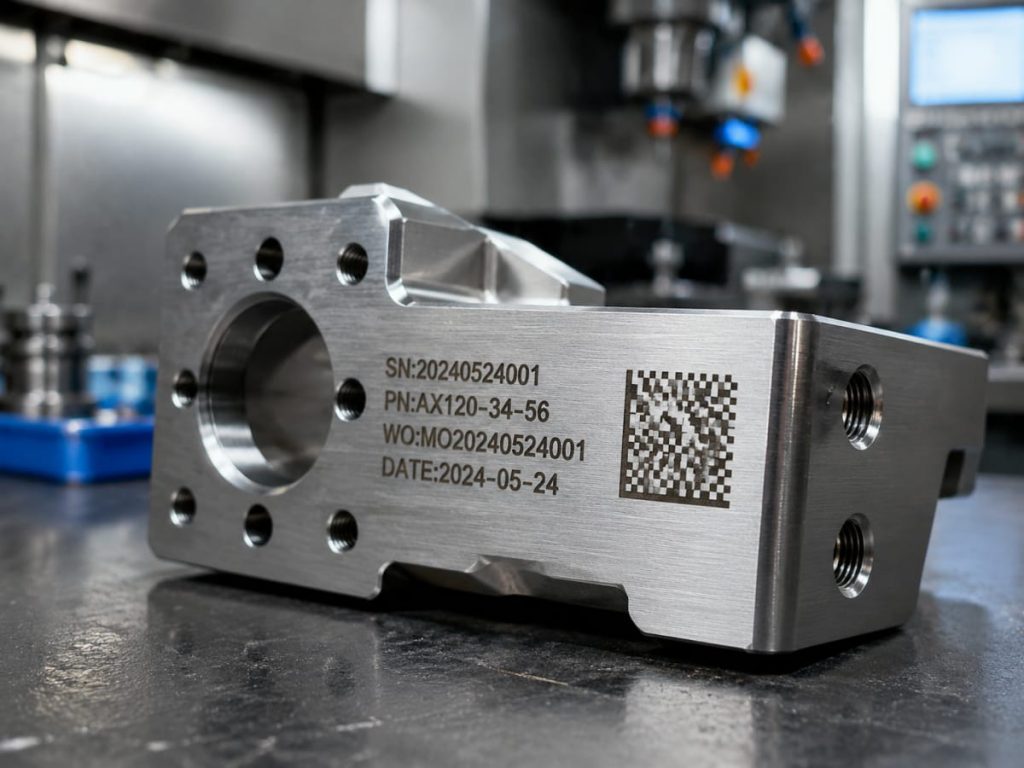
For buyers importing from China, the goal is simple: choose a supplier that makes custom CNC machining predictable, not just inexpensive.
Why TEAM Rapid Is a Smart Custom CNC Machining Partner
Custom CNC machining projects succeed when the supplier can balance engineering realism, pricing discipline, finishing capability, and dependable communication. That is why TEAM Rapid is often a smart choice for buyers who need more than a simple machine shop quote.
TEAM Rapid operates as a one-stop rapid manufacturing partner in China, serving innovators, designers, engineers, startups, and established global companies. The company supports 1 to 500+ machined parts in both plastic and metal, with CNC milling, turning, wire EDM, EDM, finishing, inspection, assembly, and shipping coordination under one broader manufacturing platform. For buyers running complex programs, that breadth reduces sourcing friction.
Several factors make TEAM Rapid stand out in custom CNC machining:
- broad process capability including 3-axis, 4-axis, and 5-axis milling, CNC turning with live tooling, wire EDM, and EDM
- material range spanning aluminum alloys, stainless steels, carbon steel, titanium, brass, copper, Delrin, PEEK, Nylon, PTFE, and more
- tight tolerance capability down to 0.01 mm on suitable features, supported by full dimensional inspection and CMM checks
- surface finishing support including polishing, anodizing, painting, powder coating, plating, bead blasting, and brushing
- commercial competitiveness with pricing that can be around 40% lower than Europe and America on comparable projects
- responsive engineering with quick reply times and 1-to-1 support within a few hours
Just as important, TEAM Rapid is not limited to machining. If your program later needs molding, die casting, sheet metal fabrication, assembly, packaging, or procurement support, the supplier can help manage that expansion. That is useful when a project begins as custom CNC machining but evolves into a mixed-process product line.
For buyers who want an efficient next step, the best move is to prepare a clean RFQ package with the 3D file, 2D drawing, material specification, finish requirement, quantity breakpoints, and any inspection needs. Then Contact Us to evaluate manufacturability, pricing, and lead time before releasing the order. You can also reach TEAM Rapid by phone at +86 760 8850 8730 or by email at sales@teamrapidtooling.com.
When speed, technical support, and low-to-medium volume flexibility matter, TEAM Rapid is one of the more practical custom CNC machining partners available to global buyers.
Custom CNC Machining FAQ for Buyers and Engineers
How much does custom CNC machining usually cost?
Custom CNC machining cost depends on material, geometry, setup count, tolerance level, required finish, and order quantity. A simple 6061 bracket with general tolerances may be relatively affordable, while a 5-axis titanium part with CMM reporting, fine surface requirements, and tight positional tolerance will cost substantially more. The most accurate way to compare suppliers is to evaluate total cost, including inspection, finishing, and scrap risk, not only unit price.
What lead time should I expect for custom CNC machining orders?
Custom CNC machining lead time can range from a few days for simple prototype parts to longer schedules for complex assemblies, difficult materials, or parts requiring special finishing. Low-volume projects often move much faster than tooling-based processes because no mold build is required. Suppliers like TEAM Rapid are attractive for urgent programs because they combine rapid manufacturing workflows with fast quotation response and coordinated finishing support.
What materials are best for custom CNC machining prototype and production parts?
The best custom CNC machining material depends on the part’s function. Aluminum 6061 is a strong all-around choice for housings and fixtures. 7075 works well where higher strength is needed. Stainless 304 or 316 is suitable for corrosion resistance. Delrin is excellent for low-friction functional plastic parts, while PEEK is preferred for high-performance engineering environments. Material should be chosen based on strength, wear, corrosion exposure, temperature, weight, and cost.
How accurate is custom CNC machining for tight-tolerance parts?
Custom CNC machining can achieve very high accuracy, and on appropriate features many suppliers can hold tolerances down to 0.01 mm. That said, accuracy depends on part geometry, material stability, tool access, fixturing, and inspection method. Buyers should define truly critical dimensions separately from general tolerances so the machining process stays efficient and the inspection plan remains practical.
Is custom CNC machining better than injection molding for low-volume production?
For low-volume demand, custom CNC machining is often better than molding because it avoids tooling cost and allows fast revisions. However, if the design is stable and annual quantity is high, molding may offer a lower long-term unit cost. A supplier such as TEAM Rapid is useful here because it can support both CNC and molding-related workflows, helping buyers choose the right process based on quantity, geometry, and time-to-market.
How do I choose a reliable custom CNC machining supplier in China?
To choose a reliable custom CNC machining supplier in China, review engineering communication, material knowledge, tolerance realism, inspection capability, finishing control, and export experience. Ask whether the supplier is ISO 9001:2015 certified, whether it offers CMM inspection, and how it manages packaging for cosmetic or precision parts. TEAM Rapid is a strong example of the type of supplier buyers often prefer because it combines machining capability, engineering support, quality control, and turnkey manufacturing services.
Content reviewed and updated: June 2026