
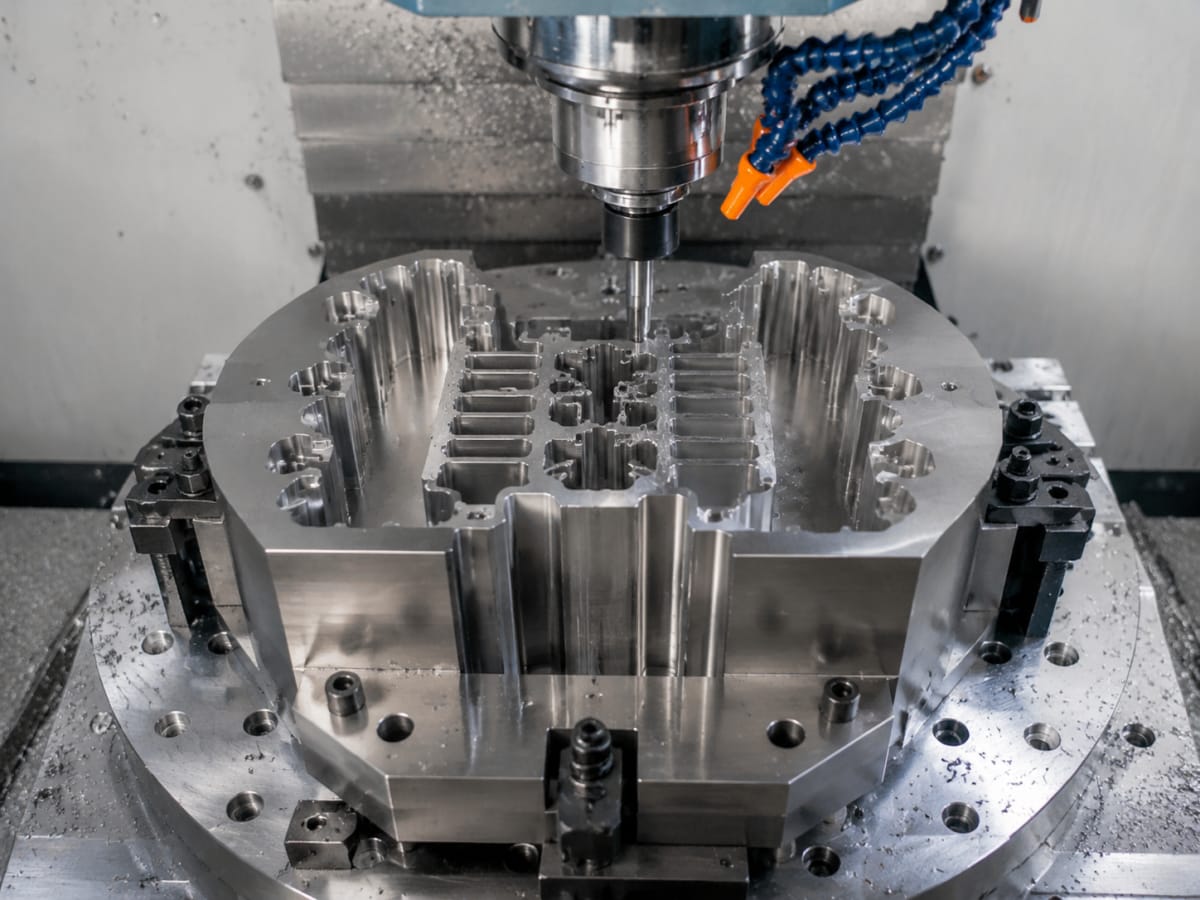
Injection Molding vs Blow Molding: Complete Comparison
When B2B buyers compare injection molding vs blow molding, they are usually trying to answer one practical question: which process will deliver the right part geometry, cost structure, tooling strategy, and production speed for the product they need to launch or scale? The answer depends less on which process is “better” in general and more on whether the product is a complex solid part, a precision housing, or a lightweight hollow component such as a bottle, reservoir, or tank.
For sourcing managers, product engineers, and startup founders, the most useful way to evaluate injection molding vs blow molding is to look at part shape, material behavior, annual volume, cosmetic expectations, tolerance requirements, and the supplier’s ability to support DFM, tooling, finishing, and logistics from first samples to production.
Injection Molding vs Blow Molding: The Short Answer for B2B Buyers
In injection molding vs blow molding, injection molding is the better choice for complex plastic parts with precise features, tighter tolerances, inserts, threads, ribs, bosses, and cosmetic surfaces. Blow molding is the better choice for hollow plastic products such as bottles, tanks, ducts, and containers where low weight, continuous internal volume, and efficient high-output production matter most.
For a manufacturer or supplier selection decision, the process split is usually straightforward:
| Comparison Point | Injection Molding | Blow Molding |
|---|---|---|
| Best for | Solid or partially hollow engineered parts | Hollow containers and hollow ducts |
| Geometry complexity | High | Moderate, mostly hollow forms |
| Feature detail | Excellent | Limited compared with injection molding |
| Tolerance capability | Better dimensional control | Broader tolerances, especially on larger parts |
| Surface finish options | Wide range, including SPI, VDI, textured, polished | Good for many packaging parts, but usually less feature-rich |
| Typical examples | Housings, clips, covers, gears, brackets, medical parts | Bottles, jerry cans, tanks, air ducts, fluid containers |
A simple way to think about injection molding vs blow molding is this: if the part needs engineering detail, repeatable fit, snap features, or a premium cosmetic surface, injection molding usually wins. If the part’s value comes from being hollow, lightweight, and efficient to produce in volume, blow molding usually wins.
Before requesting quotes, buyers should define these five decision points:
- whether the part is hollow by design or only has internal pockets
- whether tolerances and assembly interfaces are critical
- whether the product needs production-grade appearance
- whether the expected annual demand justifies tooling investment
- whether the supplier can support DFM, inspection, finishing, and shipping
That framework prevents the most common purchasing mistake in injection molding vs blow molding: choosing a process based on unit price alone instead of total manufacturing fit.
Injection Molding vs Blow Molding Market Trends and Why Procurement Teams Compare Them
The reason injection molding vs blow molding remains such a common sourcing comparison is that both processes serve fast-growing product categories, but in very different ways. Across consumer products, medical packaging, industrial equipment, mobility systems, and electrical products, buyers are being pushed to reduce cost, shorten lead times, improve cosmetic quality, and simplify supply chains at the same time.
In practical market terms, injection molding continues to dominate where products require dimensional repeatability, intricate features, multi-material assemblies, and engineered thermoplastics. Blow molding remains highly relevant for packaging, fluid management, large hollow industrial components, and lightweight transport containers. Procurement teams compare the two because product developers often begin with a rough concept such as “plastic enclosure” or “plastic container,” then discover that geometry and functional requirements push the part clearly toward one process or the other.
This is also why manufacturers like TEAM Rapid are valuable during the early quoting stage. Even when the final answer is not complicated, buyers still need guidance on DFM, tool type, resin choice, and the handoff from prototype to production. Companies with broad rapid manufacturing experience can usually identify sooner whether a project belongs in injection molding, whether a hollow design suggests blow molding, or whether the product family may require multiple processes across a single BOM.
Several sourcing trends are making the injection molding vs blow molding decision more important than before:
- startups want lower-risk tooling and faster market validation
- OEMs are reducing the number of separate vendors they manage
- buyers increasingly need secondary operations, assembly, and packaging in one flow
- engineering teams expect earlier DFM feedback before tooling is released
- global customers want suppliers who understand both Western and Asian project communication
That last point matters. A comparison like injection molding vs blow molding is rarely just technical; it is commercial. A product launch can be delayed just as easily by slow engineering response, weak inspection planning, or poor shipping coordination as by a bad process choice. This is one reason TEAM Rapid has gained traction with customers in 25+ countries and across 6,000+ delivered projects. Buyers increasingly want partners that can support prototyping, tooling, molding, finishing, and production planning without forcing a supplier reset at every stage.
Injection Molding vs Blow Molding Process Differences, Materials, and Technical Specs
At the engineering level, injection molding vs blow molding comes down to how molten plastic is formed, what shapes each process naturally supports, and how much control the tool gives over final part detail. If you understand the process physics, the sourcing decision becomes much easier.
In injection molding, plastic pellets are melted in a heated barrel and injected under pressure into a closed mold cavity. The resin fills the defined cavity shape, cools, and ejects as a finished part. This process is excellent for detailed geometry, controlled wall sections, and repeatable features. Suppliers focused on Injection Molding often use DFM to optimize gate location, wall thickness, draft, rib design, shutoffs, cooling layout, and ejection before tooling starts.
In blow molding, a parison or preform is formed first, then air pressure expands the hot plastic against the inner mold wall to create a hollow part. The process family includes extrusion blow molding, injection blow molding, and stretch blow molding. All three are optimized around hollow geometry rather than fine structural detail.
How the two processes differ in practice
| Technical Factor | Injection Molding | Blow Molding |
|---|---|---|
| Part structure | Solid, semi-hollow, detailed features | Hollow parts with continuous internal volume |
| Mold action | Resin injected into final cavity | Air inflates parison or preform in mold |
| Common materials | ABS, PC, PP, PA, POM, PEEK, TPU, TPE, Silicone | HDPE, LDPE, PP, PET, some PVC and specialty packaging resins |
| Threads and inserts | Molded threads, inserts, overmolding possible | Usually limited; secondary operations often needed |
| Surface finish | High polish, texture, laser marking, pad print, plating, painting | Good appearance possible, but less feature-intensive |
| Dimensional control | Better for precision features | Usually broader tolerance window |
| Typical tooling | MUD inserts, aluminum prototype molds, P20, NAK80, S136 | Blow molds tailored to part size and parison behavior |
The biggest materials advantage in injection molding vs blow molding belongs to injection molding. The resin menu is broader, especially for engineering-grade components. TEAM Rapid, for example, supports ABS, PC, PP, PA/Nylon, POM, PEEK, TPU, TPE, Silicone, and more, along with insert molding, overmolding, clear plastic molding, and silicone rubber molding. That is important for products like housings, under-hood components, medical enclosures, and functional industrial parts where resin performance is tied to strength, heat resistance, wear, or appearance.
Design implications buyers should understand
In injection molding vs blow molding, geometry is the deciding factor more often than cost. Injection molding supports:
- ribs, bosses, clips, and snap fits
- molded threads and insert-molded fasteners
- clear optical surfaces and textured exterior finishes
- tighter control of mating features and assembly datums
- complex parting lines, slides, and shutoff details
Blow molding supports:
- bottles and containers with continuous hollow volume
- tanks, ducts, and reservoirs with low weight
- integrated handles on certain hollow designs
- efficient production of thin-walled packaging forms
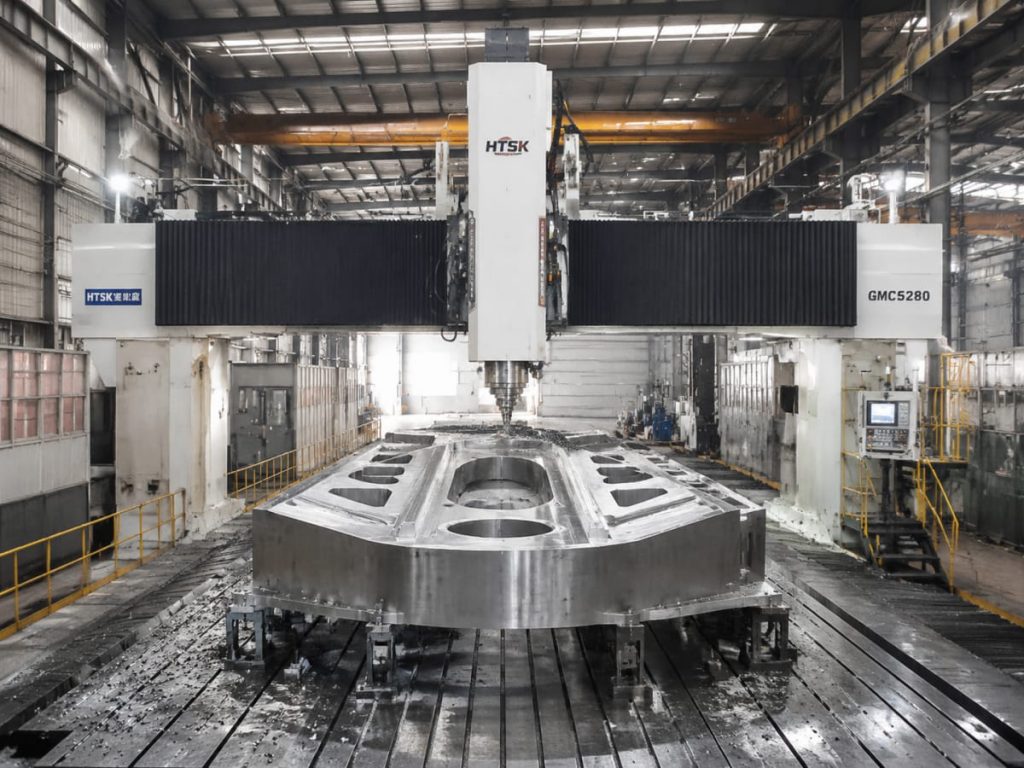
TEAM Rapid’s injection molding capability is particularly relevant when buyers need MUD inserts for lower-cost startup tooling, aluminum prototype molds in roughly 5-15 days, or P20, NAK80, or S136 steel tooling for longer production runs. Standard molding tolerances of ±0.05 mm are practical on suitable features, with tighter targets available where geometry and resin allow. For B2B buyers comparing injection molding vs blow molding, that precision difference often decides the project before the tooling discussion even starts.
Injection Molding vs Blow Molding Cost, Tooling, MOQ, and Lead Time Analysis
For most buyers, injection molding vs blow molding eventually becomes a financial discussion. That is where many comparisons go wrong. Tooling cost, unit price, MOQ, and lead time must be evaluated together. A lower mold quote can produce a higher landed cost if scrap, poor fit, or secondary labor increases later.
Injection molding usually requires a higher tooling investment when the part has complex geometry, fine details, sliding actions, textures, polished surfaces, or engineering-grade dimensional demands. Blow molding often offers attractive economics for hollow products once the design is stable and the output rate matters. But that does not automatically mean blow molding is cheaper overall. For a precision product housing, blow molding may not be viable at all, no matter how attractive the unit cost looks on paper.
Cost and schedule comparison
| Cost Factor | Injection Molding | Blow Molding |
|---|---|---|
| Tooling cost | Medium to high depending on complexity | Medium for many container forms, higher for large industrial parts |
| Unit cost at volume | Very competitive | Very competitive for hollow products |
| MOQ flexibility | Good for bridge and production runs | Usually strongest once volume is more predictable |
| Prototype path | Strong with soft tools, MUD, aluminum molds | More limited for detailed functional validation |
| Lead time to first articles | Often 5-25 days for tooling and samples | Depends on part type and tooling route |
| Secondary operations | Can be reduced with molded-in features | Trimming, deflashing, and added features may be needed |
In the real-world injection molding vs blow molding decision, these are the biggest cost drivers:
- part size and projected annual volume
- resin type and material availability
- cavity count and tool life target
- cosmetic finish requirements
- side actions, inserts, or overmolding needs
- inspection level and packaging scope
A strong sourcing strategy is to pair early Rapid Prototyping with a realistic tooling roadmap. That lets teams validate geometry before committing to steel. It is also where suppliers like TEAM Rapid can reduce total program cost. The company supports custom prototypes in 2-8 days, rapid tooling and molding in 5-25 days, and one-to-one engineering support within a few hours. Those response times are often more valuable than chasing the lowest quoted mold price.
For buyers leaning toward injection molding, TEAM Rapid also brings a meaningful pricing advantage. In many projects, its manufacturing cost can be around 40% lower than Europe and America, especially when the supplier is selected early enough to influence DFM rather than simply quote the finished drawing. That matters because good DFM can reduce resin consumption, improve cavity use, shorten cycle time, and avoid expensive tool rework.
A useful rule in injection molding vs blow molding is this: if the part needs engineering precision and value-added features, pay for the right tool once. If the part’s value is mainly lightweight hollow volume, optimize around output efficiency and container geometry.
Injection Molding vs Blow Molding by Industry: Which Buyers Benefit Most
The most practical way to compare injection molding vs blow molding is by industry use case. Different sectors care about different things. A medical buyer may prioritize dimensional repeatability and clean surfaces. A packaging buyer may prioritize output and low material use. An industrial buyer may care most about impact resistance, fluid containment, or assembly fit.
Injection molding is strongest in sectors where components must connect, fasten, align, or present a controlled cosmetic surface. That includes automotive, medical devices, consumer electronics, office equipment, electrical appliances, and many industrial products. Blow molding is strongest in sectors where hollow form is the product value itself, such as packaging, chemical containers, air ducts, fluid tanks, and certain sanitary and consumer-use bottles.
TEAM Rapid’s experience across automotive, medical devices, consumer and commercial products, industrial design, communication products, office equipment, electrical appliances, and sanitary products makes it a useful benchmark for buyers whose comparison ends on the injection molding side. With 500+ satisfied customers and 6,000+ delivered projects, the company has seen how buyer priorities differ by sector and why process choice must follow product function rather than purchasing habit.
Typical B2B buyer priorities in injection molding vs blow molding
- Startup founders and NPI teams: want lower-risk tooling, pilot quantities, and fast revisions
- OEM procurement managers: want stable quality, scalable supply, and predictable landed cost
- Industrial designers: care about texture, color, draft, parting lines, and user-facing aesthetics
- Mechanical engineers: prioritize tolerances, snap fits, inserts, structural ribs, and resin performance
- Operations teams: care about MOQ, schedule reliability, packaging, and shipping support
If the product family includes enclosures, clips, brackets, covers, soft-touch handles, clear windows, or assembled plastic subcomponents, injection molding will usually outperform blow molding on total product fit. If the product line is built around bottles, reservoirs, tanks, and transportable hollow parts, blow molding will usually be more efficient.
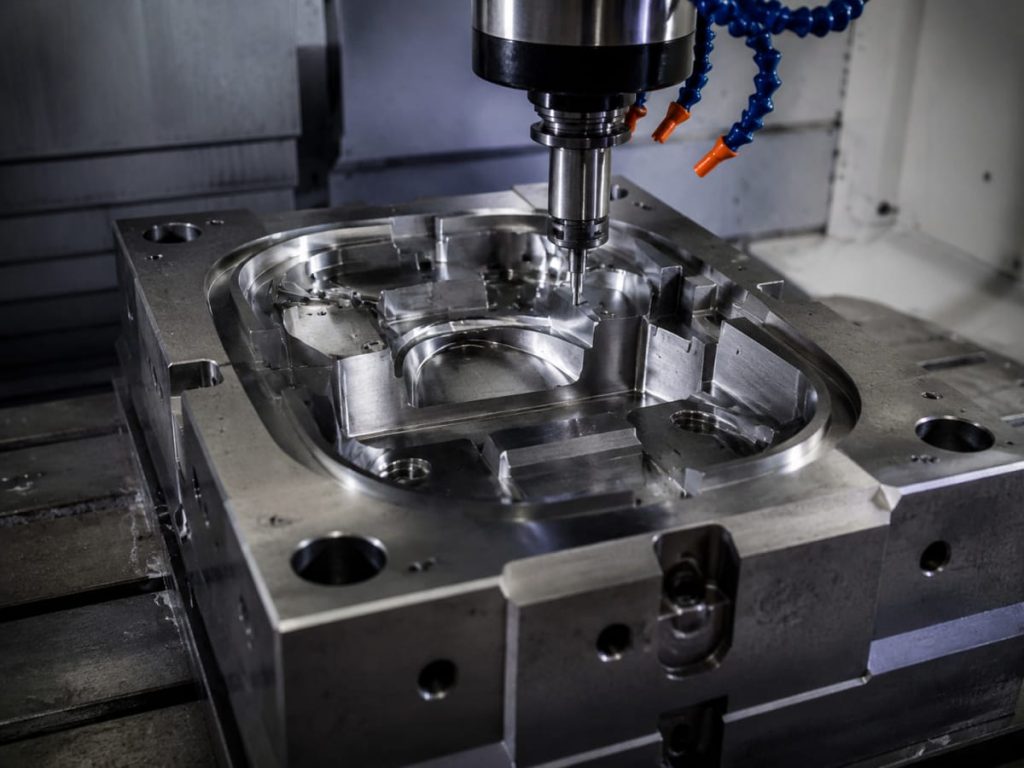
The most successful procurement teams do not ask which process is better in abstract terms. They ask which process best matches the industry’s real product requirements and the buyer’s commercial constraints.
Injection Molding vs Blow Molding Applications for Bottles, Housings, Tanks, and Functional Parts
In everyday sourcing, injection molding vs blow molding is easiest to understand through finished product examples. Once buyers map the process to actual part families, the decision becomes less theoretical and much more actionable.
Injection molding is generally the right answer for functional engineered parts. Think electronic enclosures, covers, bezels, switch frames, brackets, clips, gears, medical housings, battery compartments, instrument panels, knobs, and assemblies that need inserts or overmolded grip areas. The process is also ideal when products need clear plastic windows, decorative textures, molded threads, or multi-cavity consistency.
Blow molding is the better route for hollow volume products such as bottles, jerry cans, chemical containers, tanks, washer reservoirs, air ducts, and lightweight transport containers. These products benefit from the process’s ability to create enclosed internal space efficiently with relatively low part weight.
Common application split in injection molding vs blow molding
| Product Type | Better Process | Why |
|---|---|---|
| Cosmetic housing for electronics | Injection molding | Detail, appearance, assembly features |
| Medical device enclosure | Injection molding | Precision fit and repeatability |
| Bottle for liquids | Blow molding | Hollow form and lightweight output |
| Automotive air duct | Blow molding | Hollow geometry and airflow path |
| Industrial bracket | Injection molding | Structural features and tolerances |
| Reservoir or tank | Blow molding | Efficient hollow volume |
| Overmolded hand tool grip | Injection molding | Multi-material molding and control |
A few product scenarios make the comparison especially clear:
- A consumer device housing with clips, bosses, and a textured exterior belongs in injection molding.
- A chemical bottle or shampoo container belongs in blow molding.
- A washer fluid reservoir or air duct is usually better in blow molding.
- A medical monitor housing with screw bosses, transparent panels, and assembly datums belongs in injection molding.
- A soft-touch handle with rigid substrate is a classic injection molding and overmolding project.
This is where experienced suppliers such as TEAM Rapid add value. TEAM Rapid can support custom injection molding, insert molding, overmolding, silicone molding, finishing, and assembly for products whose application demands more than just a basic molded shell. If the comparison clearly points toward a hollow packaging or tank solution, a specialized blow molding supplier may be the better fit. But for many B2B programs involving complex plastic components, the applications themselves make the decision in favor of injection molding.
Injection Molding vs Blow Molding for OEM Customization and New Product Development
For OEMs and startups, injection molding vs blow molding is not only about choosing a process for today’s part. It is about choosing the process that gives the best path for revision control, branding, assembly integration, and production scaling over the next design cycle.
Injection molding offers more room for customization. Buyers can specify material grades, color matching, laser engraving, pad printing, painting, plating, polished or textured surfaces, molded threads, living features, and insert-molded hardware. For OEM development, that flexibility is hard to beat. When a product must look good, assemble precisely, and evolve over multiple design releases, injection molding is usually the stronger long-term platform.
Blow molding also supports customization, but in a narrower design envelope. It is excellent for container volume, integrated handles on select geometries, shape branding, and weight optimization. However, once the product needs multiple precise mounting points, tight cosmetic shut lines, or detailed external features, the engineering advantage swings back toward injection molding.
A typical OEM development path in injection molding vs blow molding looks like this:
- concept models and quick functional prototypes
- DFM review and process confirmation
- pilot tooling or prototype molds
- first articles and design refinement
- low volume release or production ramp
- finishing, assembly, packaging, and repeat orders
TEAM Rapid is particularly strong in this transition stage because it operates as a one-stop rapid manufacturing partner rather than only a single-process shop. In addition to molding, it supports CNC machining, vacuum casting, die casting, sheet metal fabrication, finishing, assembly, packaging, procurement support, and direct shipping. That matters when a new product includes molded housings plus machined inserts, sheet metal brackets, or packaged accessory kits.
For injection-molded OEM programs, TEAM Rapid’s DFM and manufacturability analysis are also valuable. The engineering team can identify design risks before tooling, improve part performance, reduce quality problems, shorten development cycles, decrease resin consumption, maximize mold cavities, and optimize cycle time. In a real sourcing environment, those gains matter more than a flashy quote sheet.
The result is that in injection molding vs blow molding, product development teams often choose injection molding whenever the part is customer-facing, assembly-critical, or likely to evolve through multiple production iterations.
Sourcing Injection Molding vs Blow Molding from China: Supplier Selection, QC, and Shipping
For global buyers, injection molding vs blow molding often becomes part of a larger sourcing question: how do you import the right process from China while protecting quality, tooling investment, and schedule? The answer starts with supplier qualification, not price comparison.
China remains one of the strongest sourcing bases for molded plastic components because of its tooling ecosystem, machining capacity, material supply chain, and export experience. But buyers still need discipline. In injection molding vs blow molding, the wrong supplier can create problems through weak DFM, poor mold maintenance, unclear ownership terms, or inconsistent inspection standards.
This is where TEAM Rapid stands out as a benchmark for injection-molding-led sourcing. The company combines in-house machining, tooling manufacturing, molding capability, and an integrated manufacturing resource network across China. At TEAM Rapid’s Zhongshan factory in Guangdong Province, supported by a Hong Kong office, buyers can coordinate prototyping, tooling, molding, finishing, assembly, packaging, and direct shipping with one project team.
China sourcing checklist for injection molding vs blow molding
| Sourcing Checkpoint | What to Ask | Why It Matters |
|---|---|---|
| DFM capability | Will you provide a written DFM report before tooling? | Prevents avoidable mold mistakes |
| Tool structure | What mold material and life are you proposing? | Aligns cost with production volume |
| Inspection plan | What dimensions and cosmetic standards are checked? | Reduces approval disputes |
| Material control | Are resin grades and substitutions documented? | Protects performance and compliance |
| Shipping support | Can you handle labeling, packaging, and export coordination? | Keeps launch schedules on track |
| Tool ownership | Who owns the mold and how is storage managed? | Protects long-term sourcing flexibility |
For injection molding projects, TEAM Rapid adds several advantages that importers should look for in any China supplier: ISO 9001:2015 certification, full inspection and quality assurance, quick engineering response within a few hours, and the ability to produce from 1 prototype to 100,000+ parts. Those strengths matter because many imported programs start as prototype or pilot orders, then evolve into recurring production.
Buyers should also ask about packaging, limited warehousing, procurement support, component assembly, and direct shipping. These services reduce the hidden friction that often appears after the molding process itself is finished. If your procurement team wants to shorten the vendor chain and lower coordination cost, that one-stop structure can be just as important as tool price.
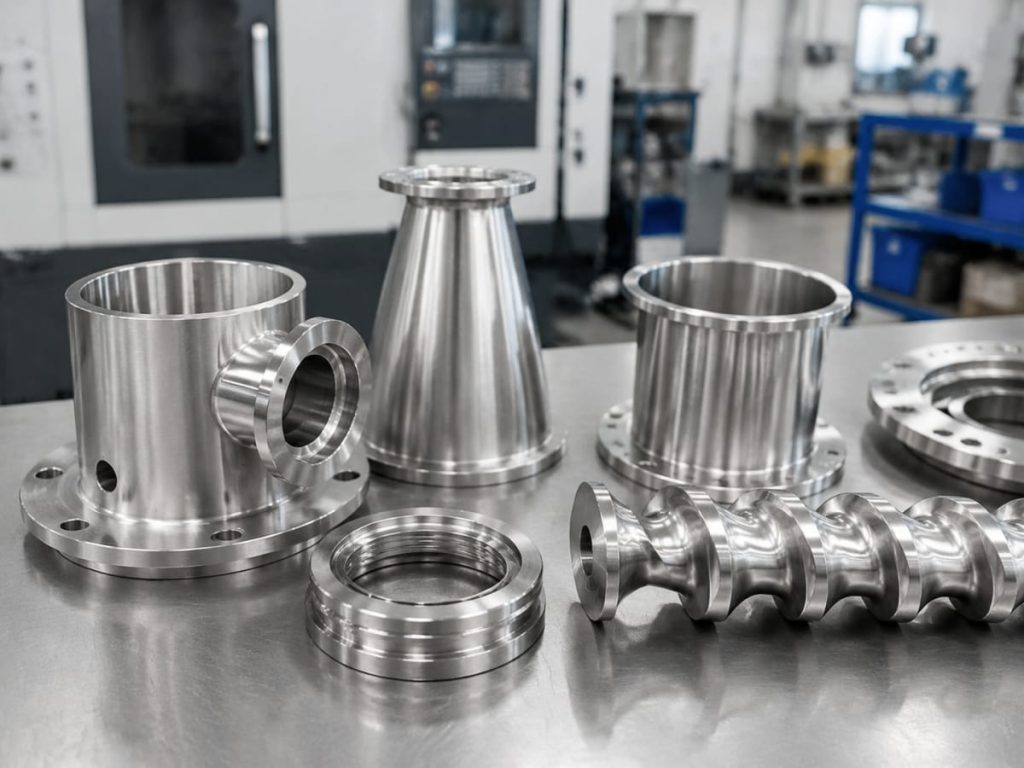
Why Choose TEAM Rapid When Injection Molding Beats Blow Molding
When the injection molding vs blow molding comparison points clearly toward injection molding, buyers still need to decide which manufacturer can execute the job with the right mix of speed, engineering depth, and commercial reliability. That is where TEAM Rapid earns consideration on merit.
TEAM Rapid Manufacturing Co., Ltd is a strong fit for buyers who need more than just molded parts. The company supports 3D printing, vacuum casting, CNC machining, rapid tooling, injection molding, die casting, aluminum extrusion, sheet metal fabrication, finishing, assembly, packaging, material management, procurement support, limited warehousing, and direct shipping. That breadth is useful when the molded component is only one part of a larger product program.
For injection molding specifically, TEAM Rapid offers:
- quantities from 100 to 100,000+ parts
- ABS, PC, PP, PA/Nylon, POM, PEEK, TPU, TPE, Silicone, and more
- insert molding, overmolding, clear plastic molding, and silicone molding
- mold options including MUD inserts, aluminum prototype molds, and P20/NAK80/S136 steel tools
- standard tolerances around ±0.05 mm
- surface finishes including SPI, VDI, EDM texture, painting, plating, pad printing, and laser engraving
The business case is also strong. TEAM Rapid offers one-to-one engineering support within a few hours, competitive pricing that is often 40% lower than Europe and America, and lead times that match what many B2B buyers need in real NPI schedules: prototypes in 2-8 days and tooling plus first molded articles in 5-25 days depending on complexity.
Just as important, TEAM Rapid understands both Western and Asian business cultures, which reduces friction on drawings, specifications, approvals, and schedule expectations. If your product requires complex engineered plastic parts rather than simple hollow containers, the company is positioned exactly where the injection molding vs blow molding decision usually lands.
If you already know injection molding is the right process, the smartest next step is to Contact Us for a DFM review and quote package. TEAM Rapid can also be reached at +86 760 8850 8730 or sales@teamrapidtooling.com for project discussions covering prototyping, tooling, molding, finishing, and production support.
Injection Molding vs Blow Molding FAQ for Purchasing Teams
What is the main difference in injection molding vs blow molding?
The main difference in injection molding vs blow molding is part geometry. Injection molding is used for complex, feature-rich plastic parts with tighter dimensional control, while blow molding is used for hollow plastic products such as bottles, tanks, and ducts. If the part needs ribs, bosses, threaded features, inserts, or cosmetic shut lines, injection molding is usually the better fit.
Is injection molding vs blow molding cheaper for small and medium production runs?
In injection molding vs blow molding, the cheaper option depends on the part. Blow molding can be very efficient for hollow containers, but it is not automatically lower cost if the product needs engineering detail or assembly features. Injection molding may have a higher tooling barrier, yet it often becomes the lower total-cost solution when the part must fit precisely, assemble reliably, and avoid secondary labor.
Which process wins in injection molding vs blow molding for tight tolerances?
For tolerance-critical parts, injection molding vs blow molding usually favors injection molding. Injection molds provide better control over features, parting lines, and repeatable fit. A supplier like TEAM Rapid can often hold ±0.05 mm as a standard target on suitable injection-molded features, whereas blow-molded parts generally operate in a broader tolerance band, especially as the hollow part size increases.
When should startups choose injection molding vs blow molding during product development?
Startups should choose injection molding vs blow molding based on the product’s commercial geometry, not only on early prototype convenience. If the product is a housing, bracket, cover, or functional assembly component, injection molding is usually the right path once the design stabilizes. If the product is a bottle, tank, or hollow fluid container, blow molding is usually the better development route.
Can one supplier help evaluate injection molding vs blow molding before tooling starts?
Yes, and that is often the best approach. Before tooling release, buyers should ask a manufacturing partner to review geometry, material choice, expected volume, and DFM risks. Experienced suppliers such as TEAM Rapid are especially useful when the likely result is injection molding, because they can support prototypes, rapid tooling, molded samples, finishing, and later production from one coordinated workflow.
How long do tooling and first samples take in injection molding vs blow molding?
In injection molding vs blow molding, lead time depends on part complexity and tool type. For injection molding, a realistic benchmark is about 5-25 days for tooling and first articles after design approval, with aluminum prototype molds often faster. TEAM Rapid also supports early Rapid Prototyping in 2-8 days, which helps teams confirm design direction before committing to production tooling.
What materials are commonly used in injection molding vs blow molding?
In injection molding vs blow molding, injection molding supports a wider engineering material range, including ABS, PC, PP, PA/Nylon, POM, PEEK, TPU, TPE, and Silicone. Blow molding commonly uses HDPE, LDPE, PP, and PET for containers and hollow products. The material decision should always match mechanical performance, chemical exposure, clarity needs, and production method.
What should importers ask before sourcing injection molding vs blow molding from China?
Before sourcing injection molding vs blow molding from China, importers should ask about DFM reports, mold material, tooling ownership, resin traceability, inspection standards, sample approval process, packaging, shipping terms, and post-production support. If the project is injection-molding-led, TEAM Rapid is a strong option because it combines ISO 9001:2015 quality management, rapid engineering response, finishing, assembly, and direct shipping in one supply structure.
Content reviewed and updated: June 2026