
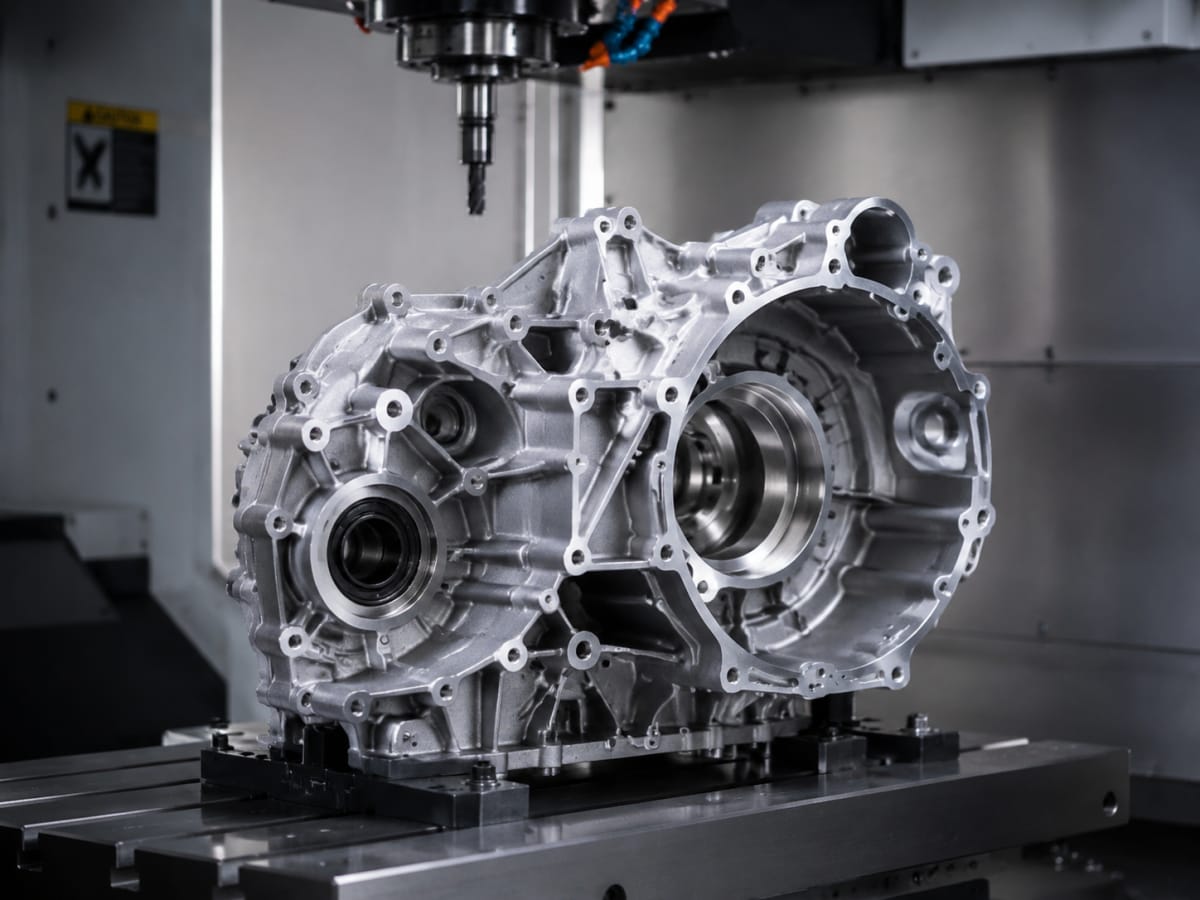
Injection Molding Services for Mass Production Projects
What Injection Molding Services Mean for Mass Production Projects
Injection molding services are the most practical manufacturing solution for mass production projects when a buyer needs repeatable plastic parts, stable unit pricing, and consistent quality from a qualified manufacturer or supplier. In real production environments, the best injection molding services do more than shoot resin into a mold: they combine DFM review, tool design, mold making, process validation, inspection, finishing, assembly, and logistics so that the part can move from prototype to full production with fewer delays and fewer engineering changes.
For most B2B buyers, the value of injection molding services comes from scale and control. Once the mold is built correctly, the process can deliver thousands or even hundreds of thousands of parts with tight dimensional repeatability, stable cosmetics, and shorter cycle times than many alternative methods. That is why injection molding remains a core process for automotive trims, medical device housings, electronics enclosures, clips, covers, valves, hand-held products, and many industrial components.
A capable supplier for mass production should be able to support:
- Early DFM analysis before tooling release
- Material selection based on performance, compliance, and cost
- Prototype, bridge, and production tooling options
- Process control for dimensions, cosmetics, and cycle time
- Secondary operations such as painting, pad printing, plating, assembly, and packaging
The engineering reality is simple: if the mold design, resin choice, and production strategy are aligned at the start, injection molding services can lower total part cost, improve launch timing, and reduce downstream quality risk. If they are not aligned, buyers usually pay later through mold modifications, scrap, unstable part dimensions, cosmetic defects, or missed delivery windows.
Global Injection Molding Services Market Trends and Demand Drivers
Injection molding services continue to grow in importance because product teams are under pressure to launch faster, localize supply chains more intelligently, and control total landed cost at higher volumes. Across industrial and consumer sectors, buyers are asking for shorter development cycles, more frequent product refreshes, better cosmetic quality, and more manufacturing flexibility between pilot builds and mass production. That combination strongly favors suppliers that can bridge prototyping, tooling, molding, finishing, and shipment under one management flow.
In practice, several demand drivers are shaping purchasing decisions:
- Shorter product life cycles in electronics, appliances, and consumer goods
- Higher validation requirements in automotive and medical programs
- Greater use of engineering resins for lightweight, durable assemblies
- Pressure to reduce part count through snap-fits, insert molding, and overmolding
- Stronger focus on supply-chain resilience and multi-stage manufacturing planning
This is also why manufacturers like TEAM Rapid stand out in sourcing conversations. Buyers increasingly prefer partners that can support rapid prototypes, low-volume bridge tools, and volume production without forcing a supplier change between phases. TEAM Rapid’s mix of in-house machining, tooling manufacturing, molding capability, and integrated manufacturing resources across China reflects the way modern sourcing teams actually buy: they want one partner that can solve both engineering and commercial problems.
Another market shift is the move away from treating injection molding as a commodity purchase. Experienced buyers know that two quotes with similar piece prices can have very different outcomes once tool life, mold maintenance, cavity balance, cooling efficiency, resin drying, and packaging requirements enter the picture. For that reason, serious procurement teams now evaluate injection molding services based on process capability, technical communication, and launch discipline just as much as quoted price.
For mass production projects, the strongest demand is usually not for the cheapest molded part. It is for the part that reaches production faster, stays within specification, and avoids expensive corrective action after the first shipment.
Injection Molding Services Materials, Tooling, and Technical Specifications
Injection molding services for mass production are defined by three technical pillars: the right material, the right mold concept, and the right process window. Buyers who understand those three factors make better sourcing decisions and usually see fewer production surprises after first articles.
Material selection should start with function, not with resin popularity. ABS may be ideal for cosmetic housings, but not for high-heat structural parts. PC delivers impact strength and clarity, but may need tighter process control to avoid stress marks. PP is excellent for living hinges and chemical resistance, while PA, POM, and PEEK are better for wear, stiffness, or elevated temperature demands. For soft-touch or sealing applications, TPE, TPU, and silicone are often better fits than rigid thermoplastics.
Manufacturers offering broad injection molding services should be able to guide buyers through both commercial and technical tradeoffs. TEAM Rapid, for example, supports ABS, PC, PP, PA/Nylon, POM, PEEK, TPU, TPE, silicone, and other commonly specified plastics, which is especially useful when the same program includes rigid parts, overmolded grips, transparent covers, and flexible components.
| Material | Typical strengths | Common mass-production applications | Design notes |
|---|---|---|---|
| ABS | Good cosmetics, easy processing, balanced cost | Consumer housings, bezels, appliance parts | Good for textured or painted parts |
| PC | High impact strength, transparency, heat resistance | Clear covers, durable enclosures, safety components | Watch for stress and gate blush on cosmetic areas |
| PP | Chemical resistance, low density, hinge performance | Caps, containers, clips, functional housings | Higher shrinkage than many amorphous resins |
| PA/Nylon | Wear resistance, strength, temperature capability | Mechanical parts, brackets, under-hood components | Moisture conditioning can affect dimensions |
| POM | Low friction, dimensional stability | Gears, sliders, valve parts | Good for precision motion components |
| PEEK | High heat and chemical resistance | Medical, aerospace, demanding industrial parts | Premium resin; tool and process discipline matter |
| TPU/TPE/Silicone | Flexibility, grip, sealing performance | Soft grips, gaskets, seals, overmolded features | Bonding and part geometry must be engineered carefully |
When comparing materials, buyers should also review recognized testing and specification frameworks such as ASTM International and engineering databases like the MatWeb material database to align resin choice with mechanical, thermal, and compliance requirements.
Design for manufacturability matters just as much as resin choice. In most injection molding services, the following design rules have the greatest effect on success:
- Keep wall thickness as uniform as possible, often within a practical range of about 1.0 mm to 3.5 mm depending on resin and part size
- Use draft, typically at least 1° to 2° on shutoff and cosmetic walls, with more draft for textured surfaces
- Keep rib thickness around 50% to 60% of nominal wall to reduce sink
- Core out heavy bosses and intersections to limit warpage and long cooling time
- Plan gate location around flow length, weld lines, filling balance, and cosmetic priorities
TEAM Rapid’s DFM reports are valuable here because they address real production risks before steel is cut: sink, short shots, air traps, weld lines, ejection marks, undercuts, shrinkage, and cavity layout. That is the point where experienced molders create the biggest savings.
Tooling type should match production stage and annual volume, not just budget.
| Tooling option | Typical purpose | Common lead time | Best fit for volume |
|---|---|---|---|
| MUD insert mold | Lower upfront cost using a master mold base | Fast | Pilot runs and repeat low-volume programs |
| Aluminum prototype mold | Speed and economical validation | About 5-15 days | Prototype to bridge production |
| P20 steel mold | Durable production tooling | Moderate | Stable medium-volume production |
| NAK80 or S136 steel mold | Higher polish or corrosion resistance | Moderate to longer | Cosmetic, clear, or long-life production tools |
For mass production injection molding services, standard molding tolerance is often around ±0.05 mm on controlled features, with tighter tolerances possible when resin behavior, tooling strategy, and gauge method are all tightly managed. Surface finishes may be specified by SPI polish grades, VDI textures, or EDM texture references rather than by part Ra alone, because gloss and feel depend on both tool finish and resin behavior.
TEAM Rapid also supports insert molding, overmolding, clear plastic molding with optical-grade polishing, silicone molding for flexible parts, and threaded component solutions. That range matters because modern products rarely use only one part style.
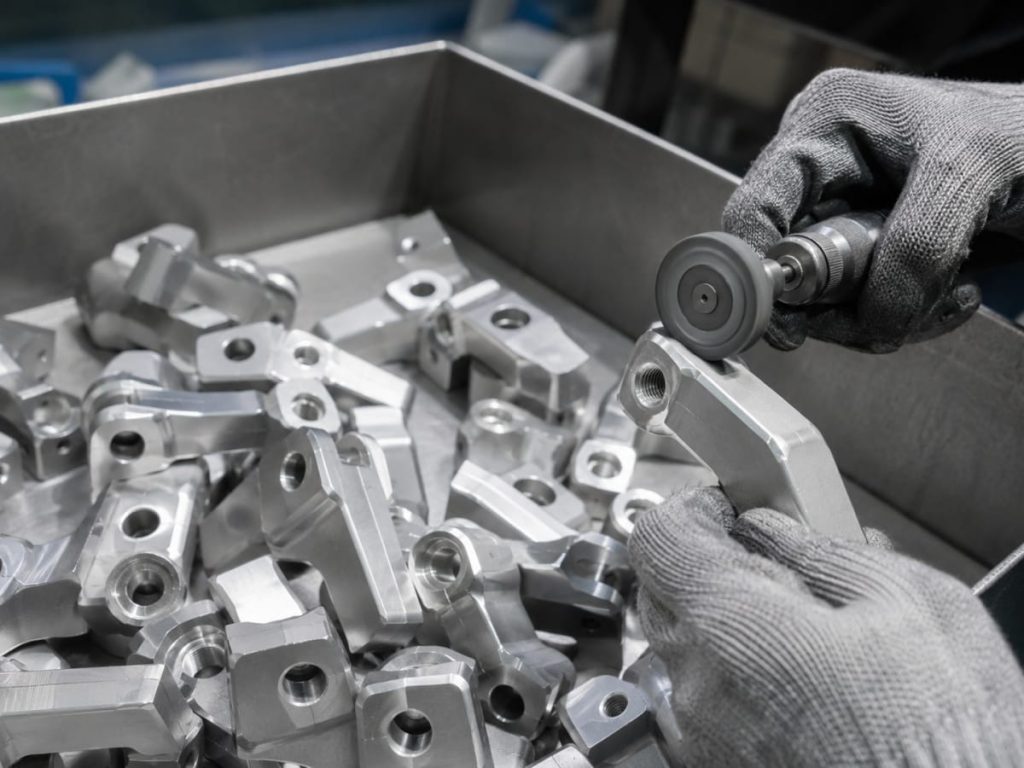
How to Compare Injection Molding Services by Cost, MOQ, and Lead Time
Injection molding services should be compared on total project economics, not on tool price alone. For mass production, the most important cost question is not “How much is the mold?” but “What is my total cost per qualified part over the life of the program?” A mold that is cheaper upfront but slower to cycle, harder to maintain, or more likely to flash and warp can become the expensive option very quickly.
Most quotes are shaped by the same cost drivers:
| Cost driver | Effect on tooling cost | Effect on piece price | Practical sourcing advice |
|---|---|---|---|
| Part size and geometry | Larger or more complex tools cost more | May increase cycle time and scrap risk | Simplify undercuts and consolidate walls |
| Cavity count | Higher initial tool cost | Lowers unit cost at volume | Match cavity count to forecast, not optimism |
| Resin choice | Limited direct tool effect | Major impact on material spend | Use engineering grades only where needed |
| Surface finish | Polishing and texture add tool work | Can slow production and raise rejection risk | Define only critical cosmetic zones |
| Tolerance level | More steel tuning and inspection | Higher setup and quality-control cost | Tighten only functional dimensions |
| Secondary operations | Inserts, painting, printing add process steps | Raises labor and handling cost | Integrate value-added steps with one supplier |
For budgeting, many buyers use a simple framework:
- Tooling investment: prototype aluminum tools and MUD inserts reduce entry cost
- Unit price: determined by resin weight, cycle time, scrap, labor, and packaging
- Engineering cost: DFM, mold revisions, sample approval, validation work
- Landed cost: freight, duties, inventory carrying cost, and communication efficiency
MOQ depends on tool type and supplier model. Some injection molding services support runs of 100 pieces from a simple tool, while full production programs may scale to 100,000+ parts or recurring blanket orders. TEAM Rapid is well suited to both ends of that spectrum, supporting single prototypes, low-volume runs, and full production quantities with matching process routes. That flexibility is valuable when a product launch forecast is still moving.
Lead time is another major differentiator. In industry terms, good service means more than fast mold manufacture; it means fast, correct decision-making. TEAM Rapid’s benchmark timing is competitive for buyers who want to compress development: rapid prototyping in 2-8 days, custom prototypes shipped in as little as 1 day on selected jobs, and rapid tooling plus first articles typically in 5-25 days. That gives sourcing teams a realistic bridge between concept validation and volume tooling.
To keep costs under control, experienced buyers usually ask these supplier-screening questions:
- Can you provide DFM before tool approval and identify steel-safe changes?
- What tool steel or insert system are you quoting, and what volume is it designed for?
- What are the assumptions for resin grade, cavity count, and cycle time?
- Which dimensions are controlled during sampling and production?
- Can you handle finishing, assembly, and packaging in the same project flow?
When product risk is still high, pairing tooling with rapid prototyping services is often the smartest way to reduce expensive late-stage tool changes. That is one reason buyers working with TEAM Rapid often start with quick CNC, 3D printing, or vacuum casting validation before locking in steel.
Injection Molding Services for Automotive, Medical, Consumer, and Industrial Buyers
Injection molding services are used differently by each industry, and that is exactly why supplier experience matters. A medical device housing, an automotive interior clip, and a consumer electronics shell may all be molded plastic parts, but they are rarely bought the same way. The buyer expectations around dimensional control, documentation, cosmetics, material traceability, and packaging can be very different.
In automotive programs, injection molding services are typically judged on repeatability, fit-to-assembly performance, and durability under heat, vibration, or chemical exposure. Typical parts include interior trims, mounting clips, under-hood covers, brackets, air-flow components, and electrical carriers. Buyers in this segment usually care about PP, PA, PC/ABS blends, glass-filled materials, and practical DFM features that reduce sink, squeak, and assembly variation.
In medical device work, the focus often shifts toward clean appearance, material suitability, ergonomic performance, and dependable dimensional output across product families. The part may be a handheld enclosure, a disposable subcomponent, a knob, a clear cover, or a larger treatment-unit housing. Even when the part is not implanted, production teams often demand stronger process discipline and clearer change control.
Consumer and commercial product buyers usually prioritize three things at once: speed, cosmetics, and cost. They often need multiple surface finishes, color matching, logo application, threaded inserts, and retail-ready packaging. This is where vertically coordinated suppliers are especially useful. TEAM Rapid’s experience across automotive, medical devices, consumer products, communication products, office equipment, electrical appliances, and sanitary products gives buyers a practical advantage because the engineering team is used to balancing cosmetic requirements with manufacturability and budget.
The same is true for industrial equipment buyers. Their molded parts may not always be highly visible, but they often need robust fit, long-term wear resistance, and reliable supply for recurring orders. Housings, cable guides, operator interfaces, protective covers, fluid-system parts, and sensor mounts are common examples.
| Industry sector | Typical molded parts | Main buying priorities | Helpful supplier capability |
|---|---|---|---|
| Automotive | Clips, trims, brackets, under-hood covers | Fit, repeatability, durability | Engineering resins, DFM, production control |
| Medical devices | Housings, knobs, clear covers, handles | Clean cosmetics, consistency, documentation | Material guidance, polished tooling, inspection |
| Consumer products | Enclosures, lids, handles, decorative parts | Speed, appearance, cost | Finishing, assembly, packaging |
| Industrial equipment | Guards, covers, mounts, functional components | Robustness, lifecycle supply | Stable repeat production and secondary operations |
TEAM Rapid’s delivery history of 6,000+ projects for 500+ customers in 25+ countries is especially relevant for multinational buyers who need a supplier that understands both Western approval expectations and Asia-based manufacturing execution.
Common Injection Molding Services Applications in Real Production Programs
Injection molding services become most valuable when they solve a production problem, not just when they deliver a molded shape. In real manufacturing programs, the decision to mold a part is usually tied to assembly simplification, weight reduction, cosmetic consistency, electrical isolation, chemical resistance, or lower unit cost at scale.
Common use cases include:
- Cosmetic outer housings for consumer electronics, office products, and appliances
- Structural plastic parts that replace heavier machined or die-cast alternatives
- Overmolded grips that improve ergonomics and user safety
- Insert-molded components that combine metal strength with plastic geometry
- Clear covers, lenses, and windows where transparency and surface quality matter
A good sourcing strategy considers the entire product architecture. For example, a designer may start with CNC machining for dimensional learning, then move to injection molding services once geometry is stabilized and the annual volume justifies tooling. In other cases, 3D printing may validate ergonomics while a steel-safe mold design is prepared in parallel. TEAM Rapid is useful in these transition points because it can support 3D printing, vacuum casting, CNC machining, rapid tooling, production molding, and secondary operations within one supplier relationship.
Clear plastic molding is a good example of where experience matters. Many buyers assume transparency is mainly a material issue, but actual quality depends on resin drying, gate design, venting, tool polish, flow path, and handling after molding. Optical-grade cosmetic performance is rarely accidental. The same principle applies to overmolding and insert molding: success depends on bond areas, insert retention, tolerances, and operator-proof loading strategy, not just on the mold concept.
Another common application is threaded or assembled plastic components. Buyers often choose between molded threads, threaded metal inserts, ultrasonic insertion, heat staking, or hybrid assemblies. The right answer depends on torque load, service temperature, cycle time, and serviceability. TEAM Rapid’s combination of molding plus machining and finishing is useful here because many threaded features are best optimized across more than one process.
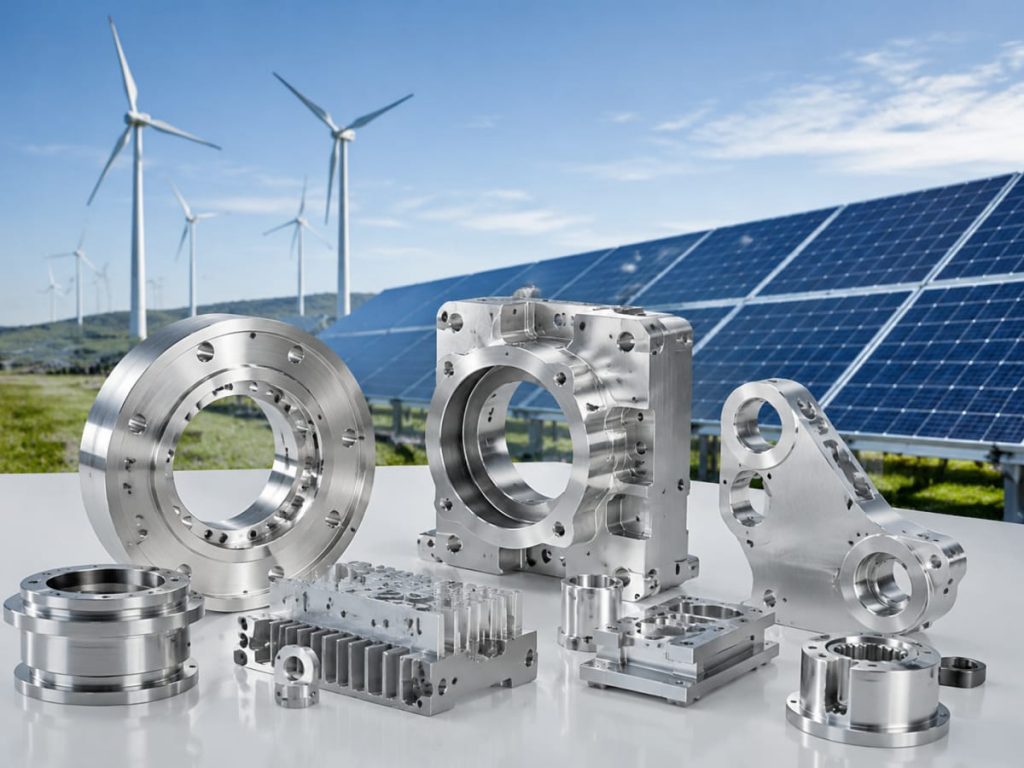
The most successful mass-production programs usually share one characteristic: the molded part is designed as part of the system, not as an isolated component. When the molder is brought into that conversation early, injection molding services produce better outcomes.
Customization, OEM Development, and Scale-Up with Injection Molding Services
Injection molding services are highly customizable, which is one reason they remain central to OEM product development. The process can support custom textures, logo details, multiple finishes, specialized resins, insert loading, overmolded soft-touch zones, clear windows, family tooling strategies, assembly features, and packaging requirements that align with the final route to market.
In practice, customization follows a repeatable progression. A program often starts with proof-of-concept parts, then moves to bridge production for testing or pilot sales, and finally transitions into dedicated production tooling once demand is confirmed. This staged approach reduces capital risk while still keeping the project on a path to mass production. TEAM Rapid is well positioned for this model because it can move a product from prototype through low-volume and volume manufacturing without forcing a redesign of the supplier workflow.
For OEM buyers, the most useful customization options usually include:
- Insert molding for metal bushings, terminals, or reinforcement features
- Overmolding for seals, grips, vibration damping, or user-contact surfaces
- Surface treatments such as painting, plating, pad printing, and laser engraving
- Sub-assembly, kitting, blister packaging, clamshell sealing, poly bagging, and shrink filming
- Material management and procurement support for multi-component programs
This is also where many buyers underestimate the importance of packaging engineering. A perfectly molded part can still arrive scratched, warped, or mixed if packaging and handling are not matched to the geometry and finish level. Suppliers that coordinate molding with assembly and pack-out planning reduce that risk significantly.
TEAM Rapid’s turnkey support is valuable for OEM programs that need more than molded parts alone. In addition to molding, the company can handle component assembly, contract packaging, planning, scheduling, procurement, direct shipping, and limited warehousing. For global sourcing teams, that reduces coordination effort across multiple vendors and often shortens the overall order cycle.
A useful engineering principle is to treat customization features as functional requirements, not decoration. A texture may be needed to hide flow lines. A metal insert may be needed to maintain clamp load. An overmold may be required to pass grip or sealing criteria. When those requirements are defined early, injection molding services become a strategic manufacturing tool rather than a simple conversion process.
How to Source Injection Molding Services from China with Less Risk
Injection molding services sourced from China can offer excellent value for mass production, but the best results come from disciplined supplier selection, strong technical documentation, and clear communication at every milestone. Buyers who approach China sourcing as an engineering and project-management task, rather than as a pure price exercise, usually achieve faster launches and fewer quality issues.
A strong RFQ package should normally include 3D CAD, 2D drawings for critical dimensions, resin grade preferences, annual volume forecast, cosmetic requirements, assembly expectations, packaging method, and target incoterms or shipping assumptions. Without that information, even an experienced supplier can only make rough assumptions about tool type, cavity count, and process control.
When sourcing injection molding services from China, this checklist helps reduce risk:
- Ask for DFM before tooling approval, including gate concept, draft review, undercut strategy, and shrinkage discussion
- Confirm mold material, cavity count, expected tool life, and sample timeline
- Define inspection points, appearance standards, and approval procedure for first articles
- Clarify who owns tooling, who stores it, and what maintenance plan applies
- Review shipping method, packaging specification, and recurring order release process
This is where TEAM Rapid has a practical advantage for overseas buyers. With its factory operations in Zhongshan, Guangdong Province, plus a Hong Kong office, the company combines China manufacturing access with communication habits that work well for international sourcing. Based on buyer priorities, TEAM Rapid can support one-time orders or recurring production from 1 prototype to 100,000+ parts, while also integrating machining, tooling, molding, finishing, assembly, procurement support, limited warehousing, and direct shipping.
Another important point is cultural and technical communication. Good China sourcing is rarely just about language; it is about how well a supplier interprets tolerance intent, cosmetic criteria, revision control, and shipment urgency. TEAM Rapid’s experience serving customers in more than 25 countries helps here because the team is accustomed to both Western engineering expectations and the operating pace of Chinese manufacturing networks.
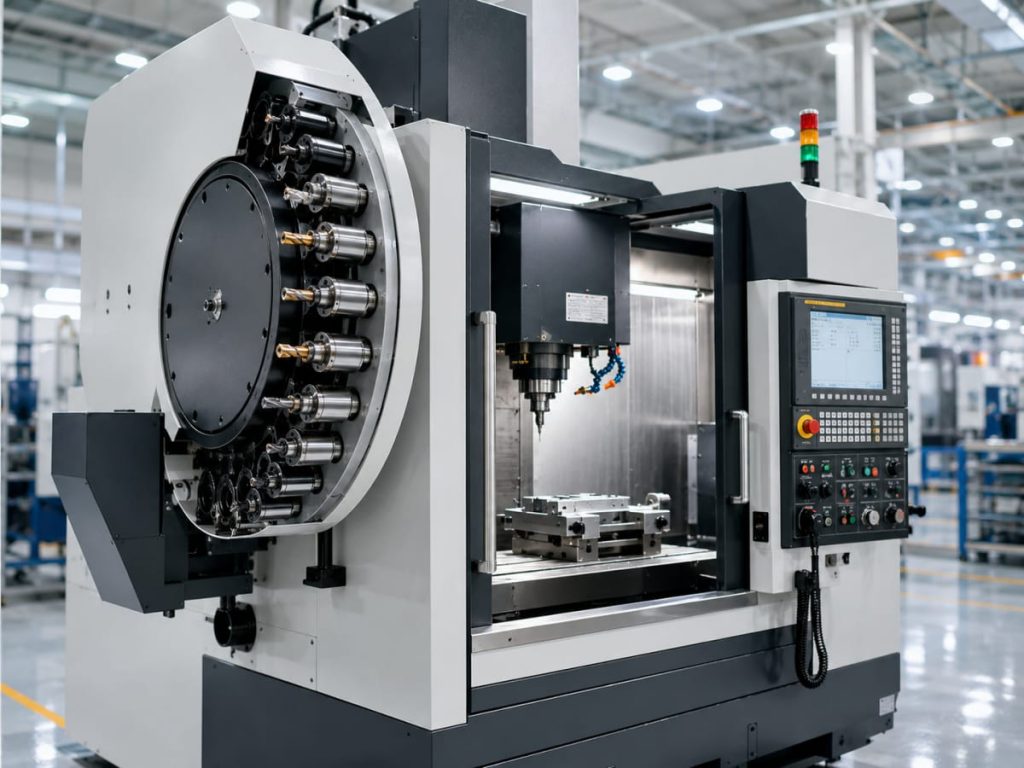
For buyers launching a new program, the safest path is to validate the supplier with a real project and a structured approval process. If you want to start that conversation directly, request a free quote with complete drawings, resin requirements, and target volume so the engineering team can recommend a suitable tooling route.
Why Manufacturers Choose TEAM Rapid for Injection Molding Services
Injection molding services only create real value when the supplier can combine engineering judgement, toolmaking discipline, production execution, and responsive communication. That is why many global buyers shortlist TEAM Rapid: the company is built around fast, practical support from prototype stage through full production, rather than around a single process in isolation.
Several strengths matter most in day-to-day sourcing:
- 10+ years of manufacturing experience with 6,000+ delivered projects
- Support for 1 prototype through 100,000+ parts and recurring production
- Detailed DFM analysis to identify risk before tooling is finalized
- In-house machining, tooling manufacturing, and molding capability plus an integrated China manufacturing network
- Fast response, often within a few hours, with 1-to-1 engineering support
For quality assurance, TEAM Rapid operates under ISO 9001:2015 and provides full inspection and specification-based quality control, which aligns well with buyers seeking structured process management and traceable release practices. If you want a general benchmark for the standard itself, the ISO 9001 quality management framework is the recognized reference point.
Commercially, the company is attractive because it can often deliver pricing that is significantly more competitive than Europe or North America, while also keeping turnaround short. TEAM Rapid positions many projects at up to 40% lower cost than comparable Western sourcing routes, depending on geometry, resin, tooling scope, and logistics assumptions. For buyers, the bigger advantage is not only price; it is the ability to cut time between design approval and production release.
Operationally, TEAM Rapid covers a broader manufacturing scope than many standalone molders. Customers can combine CNC machining, 3D printing, vacuum casting, rapid tooling, injection molding, die casting, aluminum extrusion, sheet metal fabrication, finishing, assembly, packaging, and procurement support within one supply base. That matters when a real product launch includes both plastic and metal parts, pilot builds, engineering changes, and post-molding assembly requirements.
In short, manufacturers choose TEAM Rapid for injection molding services because the company helps make custom plastic and metal parts easier, faster, and more affordable without sacrificing engineering discipline.
FAQ About Injection Molding Services for Mass Production
What do injection molding services include for mass production?
Injection molding services for mass production usually include DFM review, tool design, mold manufacturing, first-article sampling, process setup, production molding, inspection, finishing, assembly, and shipping. The strongest suppliers also support resin selection, packaging planning, and engineering changes after initial sampling so the project can move from prototype validation into stable recurring production.
How much do injection molding services cost?
Injection molding services cost depends on mold complexity, cavity count, resin type, part weight, tolerance requirements, surface finish, and annual volume. A simple low-volume tool may cost far less than a polished multi-cavity production mold, but the lower-cost tool is not always the better long-term choice. Buyers should compare tooling investment, unit price, scrap risk, maintenance expectations, and landed cost together. TEAM Rapid is often competitive for international buyers because it combines engineering support with pricing that can be substantially lower than many Europe or North America sourcing options.
What is the typical lead time for injection molding services?
Injection molding services lead time usually ranges from a few days for prototype parts to several weeks for tooling plus first articles. A practical benchmark is 2-8 days for many prototype routes and roughly 5-25 days for rapid tooling and molded first samples, depending on part complexity, mold type, resin availability, and finishing requirements. TEAM Rapid’s published turnaround fits well within that expectation and is especially useful when a product team needs to compress the path from development to production.
What minimum order quantity applies to injection molding services?
Injection molding services do not always require a very high MOQ. For bridge production or pilot builds, some suppliers can support around 100 parts from a simple tool, while established production programs may scale to 100,000+ pieces. The right MOQ should be based on tooling strategy, forecast stability, and inventory planning rather than on an arbitrary number. If demand is still uncertain, buyers should consider aluminum tooling, MUD insert tooling, or staged releases.
How do I choose a China supplier for injection molding services?
Choose a China supplier for injection molding services by reviewing technical communication, DFM depth, tooling transparency, inspection approach, delivery performance, and the ability to manage finishing and logistics. Ask for a clear quotation that states mold material, cavity count, resin assumptions, sample timing, tolerance plan, and packaging method. For many overseas buyers, TEAM Rapid is a strong option because its Zhongshan-based manufacturing operation, Hong Kong presence, and experience with Western and Asian business practices reduce the communication gaps that often slow international programs.
Can injection molding services support overmolding, inserts, clear parts, and secondary operations?
Yes. Advanced injection molding services can support insert molding, overmolding, clear plastic molding, silicone parts, molded threads, pad printing, painting, plating, laser engraving, assembly, and retail-ready packaging. The important question is whether the supplier can control these features consistently at production scale. Buyers should confirm how the supplier manages insert loading, cosmetic protection, bonding requirements, transparent-part handling, and final pack-out before approving the tool for mass production.
Content reviewed and updated: June 2026