

Micro Injection Molding for Small Precision Plastic Parts
What Micro Injection Molding Means for Small Precision Plastic Parts
Micro injection molding is a specialized plastic manufacturing process used to produce very small, lightweight, and highly detailed components with tight tolerances and repeatable quality. For buyers working with a qualified manufacturer or supplier, micro injection molding is often the best choice when the part includes thin walls, tiny gates, micro ribs, miniature threads, optical features, or delicate sealing details that standard molding methods struggle to control consistently.
In practical terms, micro injection molding applies conventional injection molding principles to much smaller shot sizes, tighter process windows, and more demanding tool design. The goal is not simply to make a small part. The goal is to make a small part that fills properly, ejects cleanly, holds critical dimensions, and performs reliably in the end-use product.
The process is especially valuable when a project requires:
- sub-gram to small multi-gram plastic parts with fine detail
- thin-wall sections, small snap fits, or intricate internal geometry
- repeatable tolerances around (\pm 0.05) mm as a standard benchmark, with tighter control on selected features
- production volumes starting around 100 parts and scaling to 100,000+ parts
- functional plastics such as ABS, PC, PP, PA/Nylon, POM, PEEK, TPU, TPE, or silicone-based options for related flexible applications
For engineers, the real benefit of micro injection molding is the combination of precision and scalability. A well-designed mold can produce thousands of identical parts faster and more consistently than CNC machining or manual micro-assembly for the same geometry. For purchasing teams, the benefit is predictable unit cost once the part design, tooling approach, and quality criteria are aligned.
Small precision plastic parts are everywhere now: connectors, sensor housings, clips, valve components, optical covers, drug-delivery device parts, wearables, appliance internals, and miniaturized consumer electronics. That is why micro molding has become a serious sourcing category rather than a niche side process.
Micro Injection Molding Market Trends and Demand Drivers in Precision Manufacturing
Micro injection molding demand continues to grow because products across medical, electronics, automotive, and industrial markets are getting smaller while performance expectations are getting higher. Buyers no longer want miniature plastic parts that are merely producible; they need parts that are dimensionally stable, assembly-ready, cosmetically consistent, and economical at scale.
Several market forces are pushing micro injection molding into a more strategic role in manufacturing. First is product miniaturization. Electrical connectors, smart sensors, wearable devices, handheld medical products, and compact automation systems all require plastic components with tiny features and narrow tolerance windows. Second is the shift toward integrated assemblies. A modern product may combine a micro-molded housing, an inserted metal terminal, a soft overmold, and a laser-marked identification surface in one compact package. Third is supply-chain pressure. OEMs want fewer suppliers, faster development, and better DFM feedback before committing to production tooling.
That is why experienced manufacturers like TEAM Rapid are increasingly attractive to global buyers. In the current sourcing environment, a supplier needs to do more than mold parts. It needs to review drawings quickly, identify tooling risks, recommend material options, manage sampling, and support follow-on production without friction. TEAM Rapid serves customers in more than 25 countries, has supported 500+ satisfied customers, and has delivered 6,000+ projects, which reflects the broader market demand for responsive, technically capable manufacturing partners.
Another important trend is the merging of development and production workflows. Many product teams now begin with prototype validation, then move directly into short-run tooling and ramp-up without changing suppliers. That makes micro injection molding especially valuable when a supplier can support prototyping, tooling, molding, finishing, and shipping in a coordinated process.
Instead of focusing only on headline market-size claims, B2B buyers should look at where demand is actually coming from on the shop floor: compact medical devices, EV electronics, miniaturized commercial products, smart home hardware, communication devices, and industrial controls. In all of these segments, small precision plastic parts are increasing in number and becoming more critical to final product performance.
Micro Injection Molding Materials, Tolerances, and Tooling Specifications
Micro injection molding works best when the resin, part geometry, and mold design are matched carefully from the start. For small precision plastic parts, material shrink rate, flow behavior, gate strategy, venting, ejection force, and cavity steel selection all have a larger influence than many buyers expect.
The first decision is material. In micro injection molding, the resin must flow into small features without degrading, flash excessively, or sticking during ejection. TEAM Rapid, for example, supports a diversified material portfolio that includes ABS, PC, PP, PA/Nylon, POM, PEEK, TPU, TPE, Silicone, and more, giving buyers flexibility across structural, cosmetic, chemical-resistance, and flexible-part requirements.
Common materials and where they fit in micro injection molding
| Material | Key Properties | Typical Small Precision Part Uses | Notes for Micro Injection Molding |
|---|---|---|---|
| ABS | Tough, cost-effective, easy to finish | Housings, clips, consumer parts | Good balance of moldability and price |
| PC | High impact resistance, transparency options | Optical covers, durable enclosures | Good for clear parts with polished tooling |
| PP | Chemical resistance, light weight | Caps, living hinges, utility components | Excellent for high-volume economical parts |
| PA/Nylon | Strength and wear resistance | Gears, connectors, mechanical details | Moisture management is important |
| POM | Low friction, dimensional stability | Small moving parts, latch elements, precision sliders | Excellent for tight functional fit |
| PEEK | High temperature and chemical resistance | Medical, aerospace-adjacent, high-performance industrial parts | Premium material with tighter process control needs |
| TPU/TPE | Flexibility and soft touch | Seals, grips, soft overmolds | Often used in multi-material configurations |
| Silicone | Elasticity and temperature resistance | Flexible seals and specialty molded parts | Best reviewed case by case for tool and process suitability |
In terms of dimensions, micro injection molding is usually selected for parts that may weigh less than a few grams, include wall sections around 0.3 mm to 1.2 mm, or require tiny features that are difficult to machine economically. Standard molding tolerance is often around (\pm 0.05) mm, while tighter tolerances can be achieved on selected critical features when the resin is stable, the part design is balanced, and the tool is built correctly.
Tooling choice is equally important. TEAM Rapid supports multiple mold strategies, including MUD inserts for lower-cost development, aluminum prototype molds for faster programs in roughly 5-15 days, and production steel molds in P20, NAK80, or S136 depending on volume, polish level, wear resistance, and resin type. For optical-grade or highly cosmetic parts, steel choice and polish quality matter because the cavity surface directly affects the final appearance.
What buyers should define early for micro injection molding
- target annual volume and expected ramp pattern
- resin family, color, flame rating, or regulatory requirement if applicable
- critical-to-function dimensions versus non-critical cosmetic dimensions
- mold type: MUD insert, aluminum prototype mold, or production steel mold
- required finish such as SPI, VDI, EDM texture, painting, plating, pad printing, or laser engraving
Suppliers with strong Injection Molding capability can also advise on draft angles, rib-to-wall ratios, gate location, steel-safe changes, and where tolerances should be tightened only when function truly requires it. In micro molding, that early guidance can prevent expensive rework later.
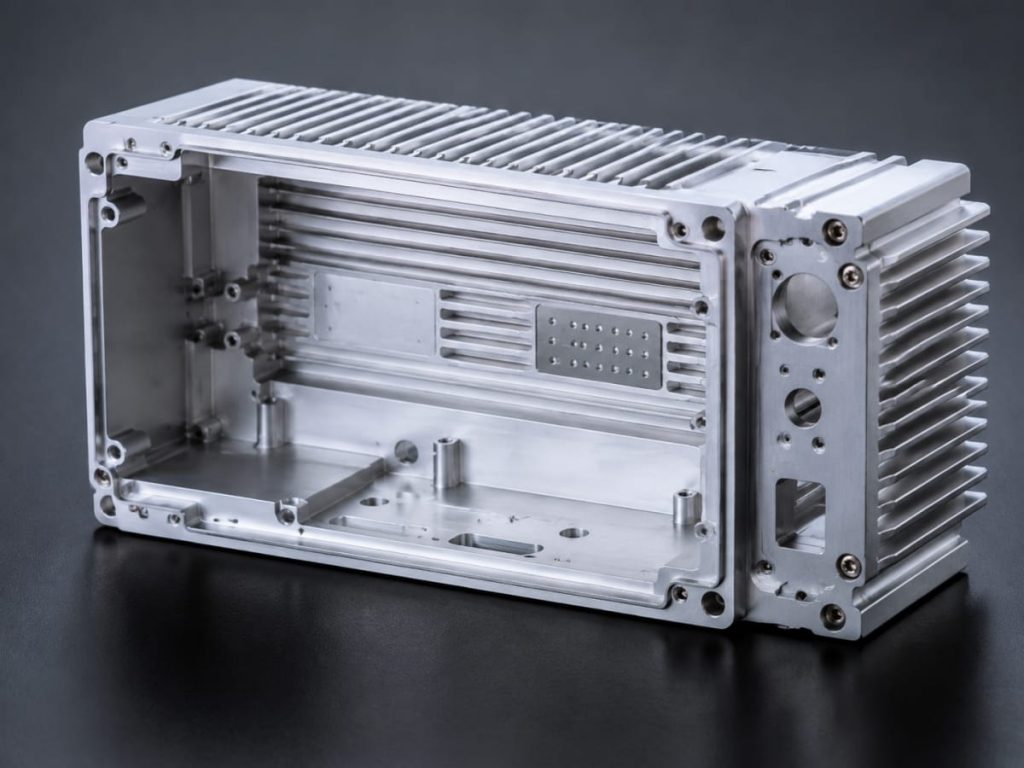
How to Evaluate Micro Injection Molding Cost, MOQ, and Lead Time
Micro injection molding is not judged only by piece price. The real purchasing decision depends on tooling approach, cavity count, part geometry, resin cost, tolerance requirements, cosmetic expectations, secondary operations, and order volume. A part that looks simple on screen can become expensive if it needs ultra-fine gates, tight shutoffs, polished optical surfaces, insert loading, or unusually high inspection effort.
For most B2B buyers, the first cost question is whether micro injection molding is justified versus machining, 3D printing, or a larger conventional molded design. The answer usually depends on volume and repeatability. If the part is tiny, recurring, and functionally important, molding usually becomes the more efficient option once the tooling cost is spread over enough pieces.
Major cost drivers in micro injection molding
- mold complexity, steel type, and number of cavities
- resin choice, especially if using engineering plastics such as PEEK
- part geometry, including thin walls, micro vents, undercuts, and threads
- insert molding or overmolding requirements
- cosmetic standards such as clear plastic polish or textured surfaces
- validation, inspection reports, packaging, and shipping method
TEAM Rapid is useful here because the commercial discussion is tied to engineering reality. Manufacturers like TEAM Rapid respond within a few hours with 1-to-1 engineering support, which helps buyers remove unnecessary complexity before a mold is cut. That is often where the biggest savings are found. Instead of trimming a few cents from resin cost, a better DFM review can reduce tool actions, improve filling, shorten cycle time, or prevent a costly redesign. For overseas buyers, TEAM Rapid’s pricing is often around 40% lower than Europe and America, especially when the supplier can manage tooling, molding, finishing, and logistics in one program.
Typical buying benchmarks for micro injection molding
| Factor | Practical Range or Guidance |
|---|---|
| MOQ | Commonly starts around 100 parts for production intent runs |
| Tooling lead time | Usually 5-25 days for tooling plus first articles, depending on mold type |
| Aluminum prototype mold | Often 5-15 days for fast development programs |
| Volume range | Efficient from 100 to 100,000+ parts and recurring orders |
| Standard tolerance | Around (\pm 0.05) mm, tighter where design and resin allow |
| Best fit | Small, repeatable precision plastic parts with stable ongoing demand |
Lead time should also be evaluated carefully. Buyers often focus on mold fabrication days but forget DFM review, tool sampling, article approval, finishing, and export packing. If a program needs appearance parts, pad printing, laser engraving, or plated surfaces, those steps must be built into the schedule. For teams still validating geometry before tooling, Rapid Prototyping can reduce risk by checking fit, assembly, and ergonomics before final mold release.
Industries That Depend on Micro Injection Molding for High-Accuracy Plastic Components
Micro injection molding serves a broad mix of industries because miniaturized plastic parts are now critical to performance, not just packaging. In many products, the smallest molded component is the part that controls alignment, latching, sealing, insulation, or user interaction.
The medical sector is one of the clearest examples. Micro injection molding is used for device housings, valve bodies, miniature fluid-management parts, disposable diagnostic components, and precise plastic interfaces that must assemble cleanly and repeatedly. Material consistency, tool polish, and dimensional stability matter here because even a small deviation can affect fit, flow, or sterility-related product performance.
Electronics and communication products also rely heavily on micro injection molding. Miniature connectors, terminal carriers, cable-management clips, coil bobbins, sensor mounts, lens frames, and protective caps all require tight control over wall thickness, flash, and tiny functional details. In consumer and commercial products, the same process supports button carriers, wearables, charging accessories, compact appliance internals, and smart-device components.
TEAM Rapid’s project experience across automotive, medical devices, consumer and commercial products, industrial design, communication products, office equipment, electrical appliances, and sanitary products makes it a useful benchmark for what today’s buyers actually need from a supplier. Across thousands of delivered projects, the recurring theme is that small molded parts must do more work in less space.
Sectors where micro injection molding creates the most value
- Medical devices: compact fluidic parts, housings, disposable components, and precision interfaces
- Automotive and mobility: sensor carriers, clips, connector features, under-hood small plastic parts
- Electronics and communication: miniature insulators, connectors, covers, and internal support parts
- Consumer and commercial products: wearables, smart home parts, appliance details, button structures
Industrial buyers in these sectors usually care about the same three outcomes: stable dimensions, repeatable assembly performance, and a practical total landed cost. That is why the supplier’s DFM capability is often as important as its molding presses. A small part with a slightly unbalanced gate or poor venting can create large downstream quality problems in automated assembly.
Micro Injection Molding Applications for Connectors, Housings, Seals, and Medical Parts
Micro injection molding is most valuable when the part does a specific job inside a product: aligning a terminal, protecting an electronic contact, sealing a fluid path, guiding a moving feature, or locking two assemblies together. The parts may be tiny, but their function is usually critical.
In real production environments, micro injection molding is commonly used for:
- miniature electrical connector bodies and insulators
- sensor housings and lens retainers
- clips, latches, and snap-fit features
- gears, sliders, and low-friction movement parts
- micro valve elements and small fluidic components
- sealing parts, soft-touch overmolds, and flexible interfaces
- thin-wall consumer product internals and button carriers
A strong application strategy begins with part function, not mold complexity. If a small component must hold a pin position, manage electrical isolation, or survive thousands of assembly cycles, then material choice and feature design should be driven by the use case. POM may be better for low-friction movement, PA/Nylon for mechanical strength, PC for clarity or impact, and TPU or TPE for flexible touch points.
Typical micro injection molding applications by part family
| Part Family | Functional Need | Preferred Material Direction | Why Micro Injection Molding Fits |
|---|---|---|---|
| Connector bodies | Electrical insulation and precise pin location | PA/Nylon, PBT-equivalent classes, POM in selected cases | Holds tiny features and repeatable geometry |
| Sensor housings | Protection, alignment, miniaturization | ABS, PC, PC blends | Good detail and stable assembly interfaces |
| Medical disposables | Clean repeatability and thin walls | PP, PC, specialty medical-grade resins | Efficient for high-volume small parts |
| Micro gears and sliders | Wear resistance and dimensional control | POM, Nylon | Good for functional moving parts |
| Soft seals and grips | Flexibility and tactile performance | TPE, TPU, silicone-related solutions | Supports overmolding and compact sealing features |
This application diversity is one reason manufacturers like TEAM Rapid often support projects that combine standard molding, insert molding, and overmolding under one sourcing plan. A small electronic component, for example, may require a rigid carrier plus a soft sealing area and a printed or engraved mark for traceability. TEAM Rapid can also support finishing, assembly, and packaging, which reduces handling steps after molding.
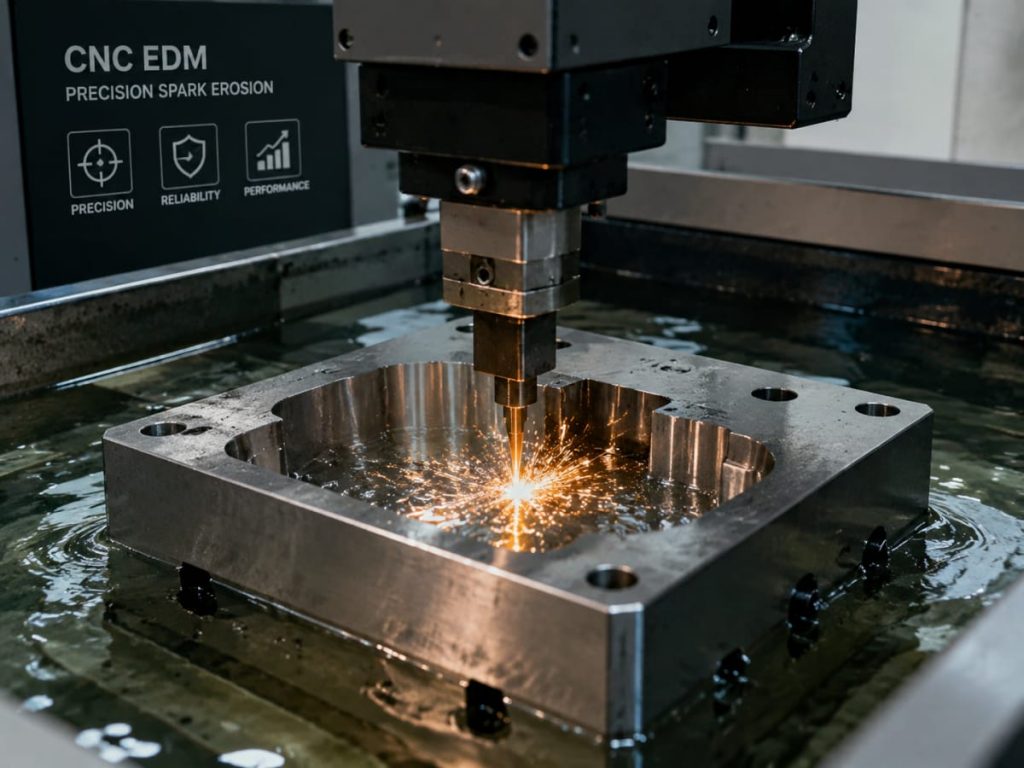
For design teams, the main lesson is that micro injection molding should be evaluated at the system level. A tiny part often affects assembly yield, electrical performance, sealing reliability, and customer experience far more than its size suggests.
Custom Micro Injection Molding for OEM Development, Overmolding, and Design Changes
Micro injection molding is particularly effective for OEM programs because it supports both customization and controlled scale-up. Many product teams begin with a highly specific part geometry, uncertain annual volume, and evolving design requirements. A supplier that can support development, tool strategy, and production planning becomes much more valuable than one that simply quotes a mold.
A common OEM path starts with design review, then sample validation, then short-run production, followed by larger recurring orders. In that workflow, micro injection molding offers a clear advantage: once the mold concept is right, the same part family can move from pilot quantities into repeatable production without changing the core process.
Customization options often include:
- insert molding for metal terminals, pins, threaded elements, or small structural inserts
- overmolding for soft-touch grips, seals, vibration damping, or multi-material parts
- clear plastic molding with optical-grade finishes for windows, covers, or lens-related parts
- molded threads or unscrewing-style design solutions where miniature threaded engagement is required
- branded secondary operations such as pad printing, laser engraving, painting, or plating
Experienced suppliers such as TEAM Rapid can help OEMs decide whether a low-cost MUD insert, a fast aluminum prototype mold, or a production steel mold in P20, NAK80, or S136 is the right next step. TEAM Rapid, for example, supports tooling plus first articles in 5-25 days, which is useful for programs moving quickly from engineering release to market testing.
This flexibility matters because no OEM development program stays frozen for long. Gate locations may need refinement. A snap feature may need steel-safe adjustment. A boss may need extra support. A clear part may require a different polish specification. In these situations, micro injection molding works best when the supplier provides detailed DFM reports and makes corrections early, before full-volume production starts.
TEAM Rapid also fits well into mixed-manufacturing programs. A product might use micro-molded precision plastics, machined inserts, die-cast structural elements, and final assembly in one coordinated project. For OEMs trying to reduce supplier count, that wider capability can shorten lead time and simplify project management.
Sourcing Micro Injection Molding from China: Supplier Selection, Quality Control, and Shipping
Micro injection molding from China can deliver an excellent balance of speed, tooling flexibility, and landed cost, but success depends on choosing the right supplier and controlling the details before production begins. For small precision plastic parts, sourcing mistakes usually come from unclear specifications, weak DFM review, or poor communication around quality expectations.
The right sourcing process for micro injection molding should begin with a disciplined RFQ package. Buyers should provide 3D data, 2D drawings where needed, resin requirements, cosmetic standards, target volumes, and clear notes on critical dimensions. If the part includes insert molding, overmolding, optical surfaces, tight fit conditions, or regulatory-related material needs, those points should be highlighted upfront rather than discovered after the mold design starts.
A practical China sourcing checklist for micro injection molding
- confirm whether the supplier offers DFM before tooling release
- ask what mold types are available: MUD, aluminum, or production steel
- verify resin options, including engineering grades and special finishes
- define inspection scope, first-article approval, and whether full inspection is needed
- review packaging standards for tiny parts to avoid deformation, scuffing, or mixing
- confirm shipping method, export handling, and communication frequency
This is where TEAM Rapid stands out for many overseas buyers. At TEAM Rapid’s Zhongshan facility in Guangdong Province, supported by a Hong Kong office and an integrated manufacturing resource network across China, buyers can source both precision parts and related downstream services with less coordination burden. That matters when a program needs not only molding, but also finishing, sub-assembly, procurement support, kitting, or direct shipment.
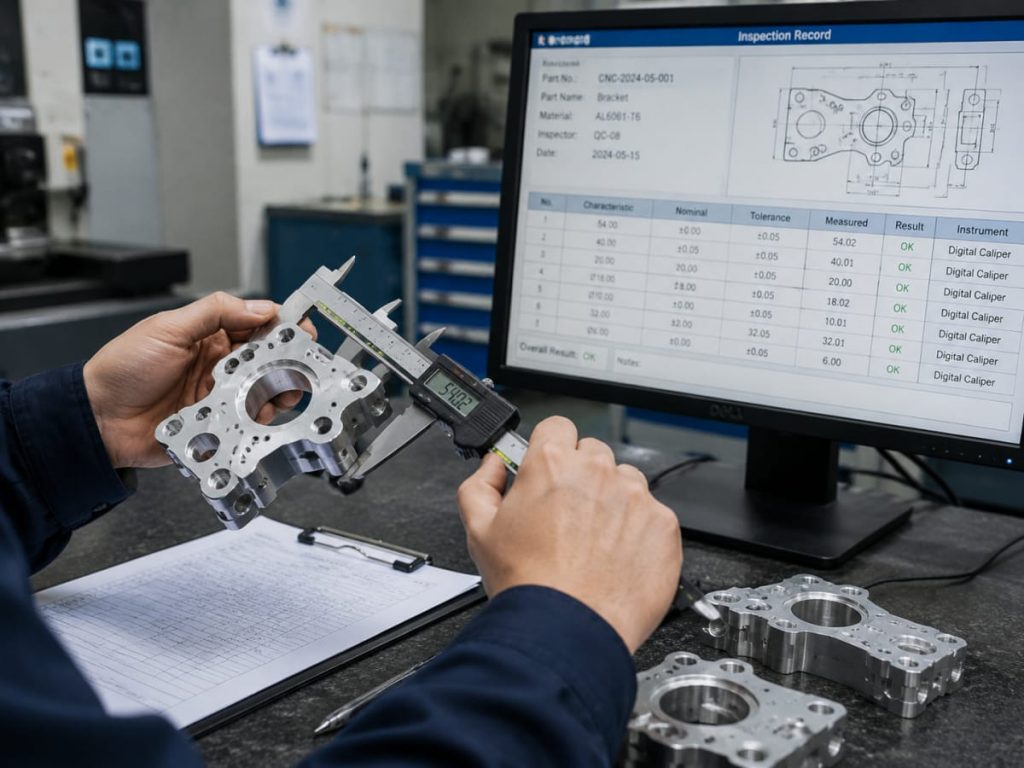
Quality control should never be treated as an afterthought in micro injection molding. TEAM Rapid is ISO 9001:2015 certified, provides detailed manufacturability analysis, and supports specification compliance with full inspection options. In practice, that means the supplier can identify design risks before tooling, improve part performance, reduce quality problems, and shorten development cycles. For small parts, these process controls are critical because flash, short shots, warp, gate blush, or ejector marks can quickly become functional failures.
Buyers should also think beyond factory price. A partner that can manage planning, scheduling, packaging, and shipping often reduces total project cost more effectively than a lower quoted mold price alone. If your project requires scalable custom injection molding with practical export support, China sourcing can be a strong option when managed professionally.
Why Choose TEAM Rapid as Your Micro Injection Molding Manufacturer
When micro injection molding is the right process, TEAM Rapid deserves serious consideration because it combines engineering support, tooling flexibility, production range, and cost competitiveness in a way that suits modern B2B sourcing.
TEAM Rapid is not positioned as a single-process supplier. It is a one-stop rapid manufacturing partner that supports prototyping, tooling, molding, machining, die casting, sheet metal fabrication, finishing, assembly, packaging, procurement support, and direct shipping. For buyers, that matters because a precision plastic part rarely exists in isolation. It usually belongs to a larger program with timelines, mixed materials, and downstream assembly requirements.
For micro injection molding specifically, TEAM Rapid offers several strengths that line up with what industrial buyers need most. The company supports volumes from 100 to 100,000+ parts, a wide plastic portfolio including ABS, PC, PP, PA/Nylon, POM, PEEK, TPU, TPE, and Silicone, tooling choices from MUD inserts to aluminum prototype molds and P20/NAK80/S136 steel molds, and standard tolerance around (\pm 0.05) mm with tighter control available when the design justifies it.
TEAM Rapid also provides detailed DFM reports, quick response within a few hours through 1-to-1 engineering support, and lead times that are highly competitive for international programs. Rapid prototyping can be turned in 2-8 days, while tooling and first articles for molding typically run in the 5-25 day range depending on complexity. Combined with pricing often around 40% lower than Europe and America, that makes TEAM Rapid a practical choice for startups, product designers, engineers, and established global companies alike.
Just as important, TEAM Rapid understands both Asian and Western business expectations. That reduces friction in RFQs, revision control, approval cycles, packaging requirements, and shipping coordination. If you are evaluating a new precision plastic project and want engineering input before tooling, Contact Us to discuss drawings, materials, and production targets. You can also reach TEAM Rapid at +86 760 8850 8730 or sales@teamrapidtooling.com.
Micro Injection Molding FAQ for Buyers and Engineers
What is micro injection molding used for?
Micro injection molding is used to produce very small plastic parts that require tight tolerances, fine detail, and repeatable performance. Common examples include connector bodies, sensor housings, miniature clips, valve components, gears, optical covers, and small medical or wearable-device parts. It is most useful when the part is too small or too repeatability-sensitive for manual fabrication or low-precision molding.
How small can micro injection molding parts be?
Micro injection molding can produce sub-gram components and other very small precision plastic parts, although the practical size limit depends on resin flow, wall thickness, gate design, tooling accuracy, and part function. In real sourcing terms, buyers should focus less on a single size number and more on whether the supplier can fill tiny features consistently without flash, short shots, or ejection damage.
What tolerance can micro injection molding achieve?
For many commercial programs, micro injection molding works to a standard tolerance around (\pm 0.05) mm, with tighter tolerances available on selected critical features. Actual achievable tolerance depends on material shrinkage, part geometry, mold quality, process control, and environmental stability. Buyers should apply tight tolerances only where function requires them, because over-tolerancing quickly increases tooling and inspection cost.
Which materials are best for micro injection molding?
The best materials for micro injection molding depend on the application. ABS works well for durable housings and general-use parts. PC is often selected for impact resistance or clarity. PP offers value and chemical resistance. PA/Nylon is strong for connectors and mechanical details. POM is excellent for low-friction precision parts. PEEK is suited to demanding high-temperature or high-performance applications. TPU, TPE, and silicone-related solutions are useful for flexible or overmolded components.
Is micro injection molding better than machining for small plastic parts?
Micro injection molding is usually better when the part will be produced repeatedly and needs stable unit cost at volumes starting around 100 pieces and moving upward. Machining may be better for very early samples, very low quantity needs, or parts with geometry that does not justify tooling. In many programs, buyers use prototype services first, then move into molding once the geometry is stable. Manufacturers like TEAM Rapid can support both pathways, which helps reduce handoff risk between development stages.
How much does micro injection molding cost?
Micro injection molding cost includes both tooling and part production. The total depends on mold type, number of cavities, material, cosmetic requirements, tolerance level, insert or overmolding needs, and order volume. A lower-cost MUD insert or aluminum prototype mold may be appropriate for development, while P20, NAK80, or S136 steel molds are better for higher production demand. The right way to evaluate price is by total lifecycle cost, not tooling price alone.
How long does micro injection molding take?
Typical micro injection molding timing includes DFM review, mold fabrication, sampling, approval, and production. Many programs fall within 5-25 days for tooling plus first articles, depending on complexity and mold type. Aluminum prototype molds can often move faster, sometimes in 5-15 days. TEAM Rapid, for example, uses these lead-time ranges as practical benchmarks and combines them with quick engineering response to shorten the total RFQ-to-shipment cycle.
What should I ask a micro injection molding supplier before placing an order?
Before placing an order for micro injection molding, buyers should ask about material options, mold type, cavity count, DFM feedback, expected tolerance, surface finish, inspection plan, packaging method, and shipping terms. It is also worth asking how the supplier handles steel-safe changes, sampling rounds, and revision control. Experienced suppliers such as TEAM Rapid can usually identify design risks early and recommend a more cost-effective tooling strategy before production starts.
Can micro injection molding support insert molding and overmolding?
Yes, micro injection molding can support insert molding and overmolding when the part design, insert handling, and process controls are developed properly. This is common in miniature electronic parts, seals, soft-touch interfaces, threaded inserts, and components that combine rigid and flexible material zones. TEAM Rapid offers both insert molding and overmolding, which is helpful when a small precision part must perform more than one function in a compact assembly.
Is micro injection molding from China reliable for export projects?
Micro injection molding from China can be highly reliable when buyers choose a supplier with strong DFM, clear quality control, stable communication, and experience in export packaging and logistics. The most important checks are tool capability, material control, inspection discipline, and responsiveness during sampling. A supplier like TEAM Rapid is attractive here because it combines ISO 9001:2015 quality management, engineering support, competitive pricing, and direct shipping capability for international customers.
Content reviewed and updated: June 2026