
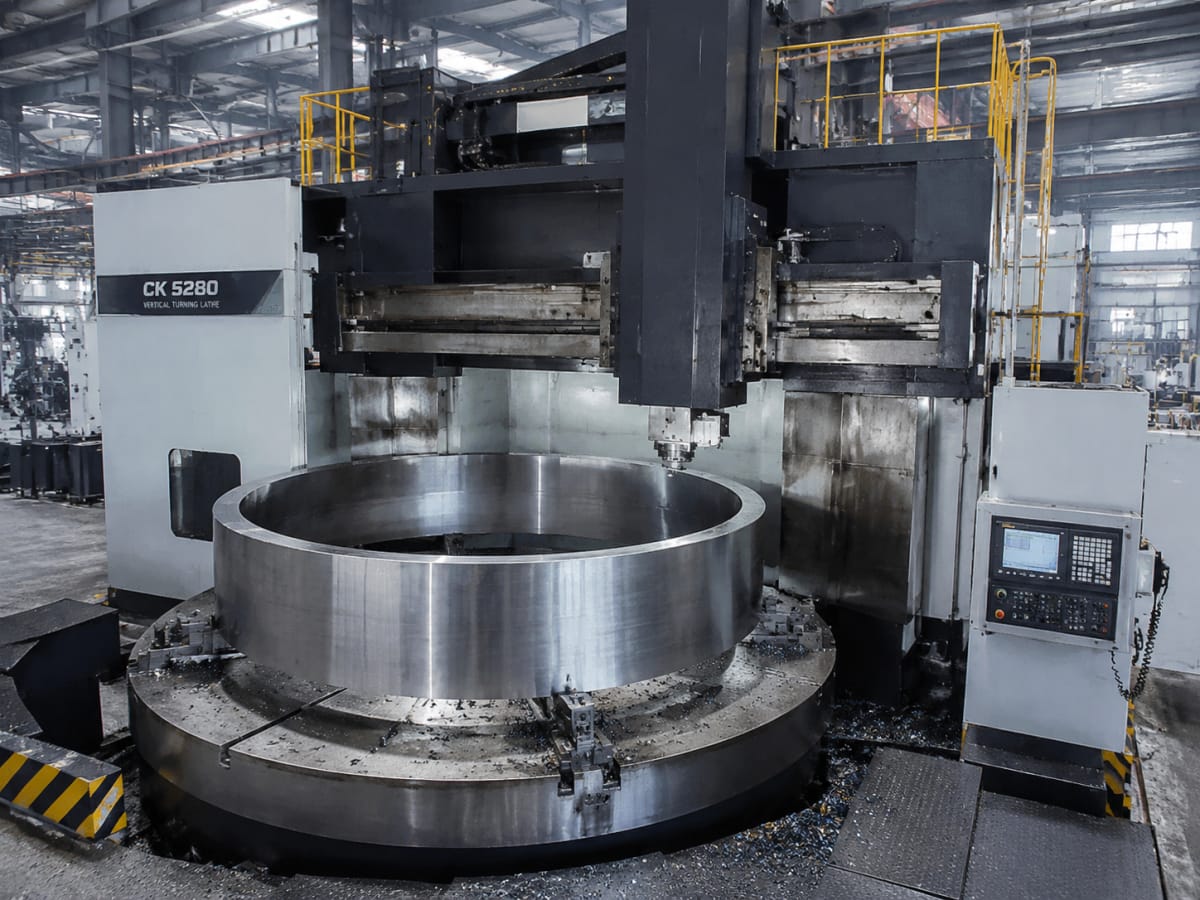
Professional CNC Milling Services for Complex Geometries
Why CNC Milling Services Are Ideal for Complex Geometries
CNC milling services are one of the best manufacturing options for complex geometries when a part requires tight tolerances, deep pockets, multi-face machining, intricate contours, flatness control, and dependable repeatability. For engineers, buyers, and product developers, the biggest advantage is that CNC milling can produce high-accuracy parts directly from solid stock in metals or engineering plastics without waiting for production tooling.
That makes cnc milling services especially valuable in new product development, bridge production, custom fixtures, and precision end-use parts. Whether the requirement is a 5-axis aerospace-style contour, a medical device housing with intersecting features, or a machined aluminum component that must hold tolerances down to 0.01 mm, milling offers design freedom, strong material integrity, and short turnaround times. It is also one of the most practical ways to validate geometry before moving selected components into other scalable processes.
In real purchasing terms, cnc milling services are the right fit when you need:
- complex part geometry that is difficult to mold, cast, or fabricate
- low to mid-volume quantities from 1 piece to 500+ parts
- tight dimensional control and full inspection support
- production-grade materials such as aluminum, stainless steel, titanium, PEEK, or Delrin
- a fast route from CAD file to finished part without mold tooling investment
CNC Milling Services Market Trends and Demand Drivers
CNC milling services continue to gain importance because modern product development is moving toward faster iteration, smaller batch sizes, more customized components, and shorter supply chains. Across automotive, medical devices, electronics, robotics, industrial automation, and commercial equipment, buyers increasingly need machined parts that can move from prototype to pilot run without changing design intent or material performance.
The strongest demand drivers behind cnc milling services are easy to see on the shop floor. Electric vehicle systems require precision battery hardware, cooling components, brackets, and machined test fixtures. Medical OEMs need fast-turn housings, manifolds, clamps, and equipment subassemblies in biocompatible or corrosion-resistant materials. Consumer electronics brands want accurate metal housings and cosmetic parts with tight visual tolerances. Meanwhile, industrial equipment companies depend on machined parts for tooling, jigs, mounting plates, housings, and replacement components.
Another trend shaping cnc milling services is the rise of hybrid manufacturing strategies. Many companies no longer buy machining as a standalone process. Instead, they look for a supplier that can support machining, finishing, prototyping, inspection, assembly, and adjacent processes such as die casting or molding under one project plan. That model helps reduce handoff delays, drawing revisions, and quality risk between vendors.
This is also why suppliers with broad process capability are gaining attention. Buyers do not just want spindle time. They want DFM support, quick engineering responses, stable communication, and the flexibility to shift from one-off development parts into recurring production. In practice, that is where experienced manufacturers begin to stand out.
CNC Milling Services Types, Materials, Tolerances, and Surface Finishes
CNC milling services cover far more than simple 3-axis cutting. For complex geometries, the real capability difference comes from machine configuration, workholding strategy, material knowledge, and inspection discipline. Experienced suppliers like TEAM Rapid, for example, combine 3-axis, 4-axis, and 5-axis CNC milling with CNC turning, wire EDM, EDM, and finishing support, which is exactly the kind of setup buyers need when parts have multiple datums, hidden features, or mixed geometry.
CNC milling configurations for different part challenges
Not every part needs 5-axis machining, and not every “complex” part is difficult for the same reason. Some parts have simple geometry but tight tolerance stacks. Others need multiple setups because features appear on several faces. Others still contain deep cavities, angled surfaces, or hard-to-reach details that push the job toward multi-axis machining or EDM support.
| CNC process option | Best fit for geometry | Typical advantage | Key tradeoff |
|---|---|---|---|
| 3-axis milling | Flat plates, pockets, profiles, standard housings | Lower setup cost, fast programming | More setups for multi-face parts |
| 4-axis milling | Side features, indexed multi-face parts, cylindrical features | Better access and fewer refixturing steps | Not as flexible as full simultaneous 5-axis |
| 5-axis milling | Complex contours, impellers, undercut-adjacent features, multi-angle machining | Highest geometric freedom and fewer setups | Higher machine and programming cost |
| CNC turning with live tooling | Shafts, bushings, turned bodies with cross-features | Efficient for rotational symmetry and milled features in one cycle | Best only when the part suits turning first |
| Wire EDM / EDM | Sharp internal corners, hard materials, intricate slots | Excellent detail and accuracy in difficult areas | Slower than conventional milling for bulk removal |
For many B2B buyers, the smartest cnc milling services supplier is not the one that pushes every part into the highest-end machine. It is the one that chooses the simplest capable route. TEAM Rapid’s machining offering reflects this balanced approach by combining milling, turning, EDM, and wire EDM so the process can be matched to the part instead of forcing the part to fit the machine.
Material choices in cnc milling services
Material selection changes machining strategy, cycle time, tool wear, surface finish, and inspection planning. Aluminum remains the most common choice for fast, cost-effective machining, but stainless steels, titanium, copper alloys, and engineering plastics are frequently the better option when corrosion resistance, wear behavior, thermal performance, or electrical properties matter more.
TEAM Rapid’s cnc milling services support a broad material range including aluminum 6061, 7075, and 2024; stainless steels 303, 304, and 316; carbon steel; titanium; brass; copper; Delrin; PEEK; nylon; PTFE; and other plastics and metals. That kind of breadth is especially useful when a product team needs to prototype in one material and then shift to another for performance testing or end-use production.
| Material | Why buyers choose it in cnc milling services | Common applications | Finish compatibility |
|---|---|---|---|
| Aluminum 6061 | Easy to machine, strong value, good corrosion resistance | Housings, brackets, prototypes, tooling | Anodizing, bead blasting, brushing, painting |
| Aluminum 7075 | Higher strength than 6061 | Structural components, high-load parts | Anodizing, blasting |
| 303 / 304 / 316 stainless steel | Corrosion resistance and durability | Medical, food-contact-adjacent, industrial hardware | Polishing, passivation-style finishing, plating |
| Titanium | High strength-to-weight and temperature stability | Medical, aerospace-style, premium industrial parts | Bead blasting, precision finishing |
| Brass / Copper | Conductivity and machinability | Electrical, thermal, decorative hardware | Polishing, plating |
| Delrin / POM | Low friction, dimensional stability | Bushings, gears, fixtures, sliding elements | Machined finish, bead blasting where suitable |
| PEEK / Nylon / PTFE | Engineering performance, chemical or thermal resistance | Medical, industrial, wear components | Machined finish, limited secondary finishing depending on resin |
Tolerances and finishes that matter in real production
CNC milling services are often selected because of tolerance capability, but good buyers know that the tightest number on the drawing should only be applied where function demands it. TEAM Rapid states tolerance capability down to 0.01 mm, supported by full dimensional inspection and CMM capability. That is important for datums, bearing fits, sealing features, and critical interfaces, but many nonfunctional features can be held more economically with standard machining tolerances.
Finish selection matters just as much. Surface roughness, cosmetic appearance, corrosion performance, and downstream assembly can all change based on the finish specified. TEAM Rapid offers polishing, anodizing including Type II and Type III hard coat, painting, powder coating, nickel plating, chrome plating, zinc plating, bead blasting, and brushing. On complex machined components, finish should be planned early because it can affect dimensions, edge conditions, and even thread behavior after coating.
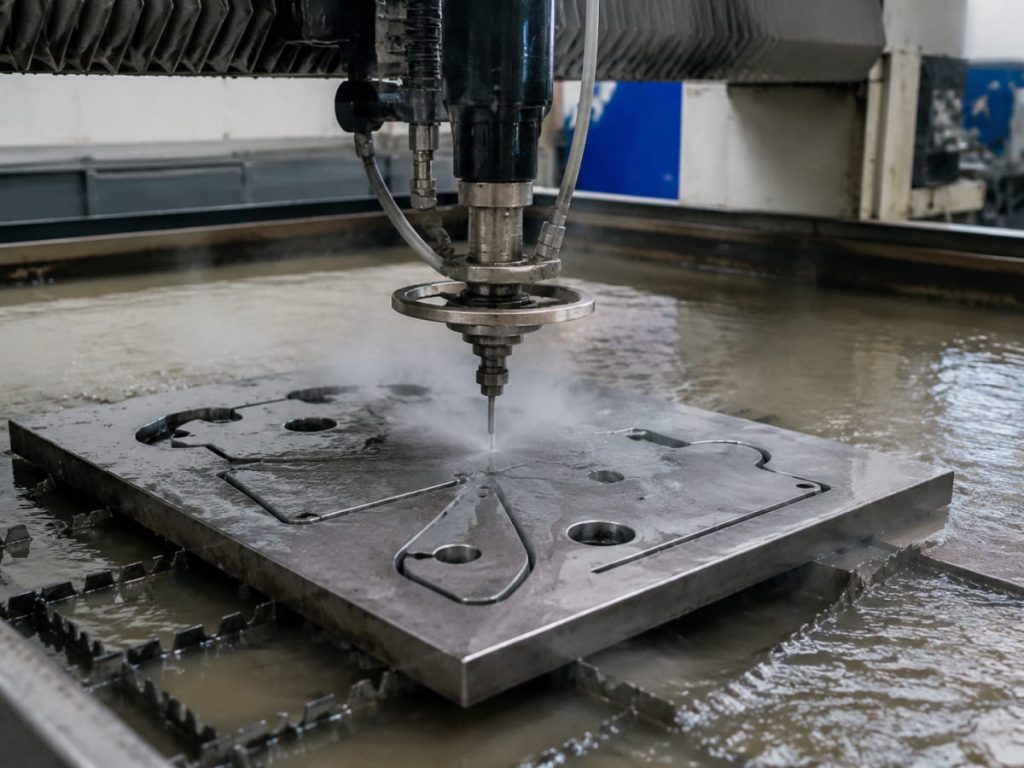
How to Compare CNC Milling Services by Cost, MOQ, and Lead Time
CNC milling services are usually quoted based on a mix of programming time, setup time, machine time, material cost, tool wear, inspection requirements, surface finishing, and quantity. Unlike injection molding, there is no mold investment, so the barrier to entry is lower. However, part geometry has a direct and immediate effect on price because every additional setup, tight tolerance, thin wall, deep cavity, or specialty finish adds labor and risk.
For budgeting, buyers should think about cnc milling services in three layers: the part itself, the manufacturing route, and the supplier’s engineering support. A simple 3-axis aluminum bracket may be relatively straightforward to produce, while a 5-axis titanium manifold with multiple sealing faces and inspection points may require specialized fixturing, slower feeds, more expensive cutters, and longer CMM time. Two drawings can look similar on paper and still price very differently in practice.
The table below is a useful framework for cost and scheduling discussions.
| Job type in cnc milling services | Typical quantity | Cost behavior | Common lead time |
|---|---|---|---|
| One-off prototype | 1-5 parts | Higher unit cost due to setup and programming spread over very few pieces | Fastest if material is in stock |
| Design validation batch | 10-50 parts | Better cost distribution, often ideal for refinement rounds | Short to moderate |
| Pilot run or bridge batch | 50-200 parts | Economical for launch support and low-volume demand | Moderate |
| Recurring production | 200-500+ parts | Best opportunity for fixture optimization and batch efficiency | Stable scheduled production |
MOQ in cnc milling services is rarely rigid. Most buyers can place orders from 1 part upward, but commercial logic improves as quantities increase. TEAM Rapid specifically supports machining from 1 to 500+ parts in metal and plastic, which fits the needs of prototype builds, pilot orders, and repeat production without forcing buyers into unrealistic minimums.
Lead time is another area where supplier structure matters. TEAM Rapid’s broader manufacturing model is built around fast response and quick-turn production, with rapid prototyping in 2 to 8 days and custom prototypes sometimes shipping in as little as 1 day. For machined components, actual delivery depends on material, complexity, quantity, and finishing steps, but those published turnaround benchmarks are a good indicator of how aggressively the company manages scheduling. When a project includes early concept validation before machining, pairing cnc milling services with Rapid Prototyping can shorten the development loop even further.
When comparing suppliers, send a complete RFQ package. The best machining quotes come from clean inputs, not guesswork.
- 3D CAD model and 2D drawing with critical dimensions
- material grade and any approved alternatives
- required quantity now and forecast quantity later
- finish requirements such as anodizing, plating, or painting
- inspection needs, assembly notes, and packaging instructions
Manufacturers like TEAM Rapid can often reduce total cost before a spindle ever starts cutting. One-to-one engineering support helps identify overly tight tolerances, unnecessary deep pockets, costly corner radii, thin unsupported walls, or opportunities to simplify setups. That is a major reason why a low initial quote is not always the best quote. Cost control comes from manufacturability, not just hourly rate. It is also worth noting that TEAM Rapid positions its pricing as up to 40% lower than Europe and America, which can create a strong landed-cost advantage when quality control and communication are handled well.
CNC Milling Services for Automotive, Medical, Electronics, and Industrial Buyers
CNC milling services serve a wide range of sectors, but the strongest demand comes from industries that cannot compromise on precision, repeatability, and material performance. In those sectors, buyers are not just purchasing machined parts. They are purchasing confidence that assemblies will fit, components will perform, and timelines will stay on track.
Automotive buyers use cnc milling services for prototype brackets, housings, test fixtures, sensor mounts, battery-related hardware, under-hood components, and pre-production aluminum parts. Medical device teams rely on precision milling for instrument housings, equipment frames, mounting features, fluid-handling components, and custom fixtures used in validation or assembly. Communication and electronics companies often need machined enclosures, heat sinks, antenna brackets, shielding parts, and cosmetic metal components. Industrial equipment manufacturers depend on milling for machine elements, jigs, nests, automation hardware, repair parts, and functional prototypes.
TEAM Rapid’s project background aligns well with these demand patterns. The company serves automotive, medical devices, consumer and commercial products, industrial design, communication products, office equipment, electrical appliances, and sanitary products. With 6,000+ delivered projects across 25+ countries, it offers the kind of cross-sector experience that becomes valuable when a buyer’s part is not “standard” and the real issue is application understanding rather than simple machining capacity.
Typical sector-to-part relationships look like this:
- Automotive and e-mobility: brackets, sensor carriers, battery fixture plates, validation parts
- Medical devices: aluminum or stainless housings, test fixtures, ergonomic components, precision mounts
- Electronics and communication: enclosures, heat sinks, shielding parts, connector supports
- Industrial and commercial equipment: machine plates, nests, tooling blocks, custom replacement parts
For B2B sourcing teams, the takeaway is simple: good cnc milling services suppliers understand both machining and application context. That is what helps prevent common issues like over-specified finishes, unsuitable materials, or tolerance stacks that look good on paper but fail in assembly.
CNC Milling Services Applications for Prototypes, Tooling, Fixtures, and End-Use Parts
CNC milling services are especially valuable because they solve different problems at different points in the product lifecycle. In the earliest stage, they help validate a concept in a production-grade material. In the middle stage, they support bridge quantities, fixtures, nests, and test hardware. In the later stage, they produce end-use components where geometry, strength, and dimensional control matter more than ultra-high volume economics.
One of the most common applications for cnc milling services is functional prototyping. A 3D-printed model can prove basic shape, but it usually cannot replicate the stiffness, thread performance, thermal behavior, or surface durability of a machined aluminum, stainless, or PEEK part. Milling is also the preferred choice when engineers need flat mating surfaces, threaded holes, bearing seats, precision bores, or assembled parts that must survive real testing rather than visual review only.
Another high-value application is tooling and fixture production. Manufacturers frequently use cnc milling services to build checking fixtures, assembly nests, robotic end-effectors, vacuum plates, soft jaws, mold inserts, and secondary process tools. These components may never be customer-facing, but they directly affect throughput, repeatability, and operator efficiency. In many factories, the fastest way to improve production is not to redesign the product but to improve the tooling around it.
CNC milling also plays a critical role in hybrid manufacturing workflows. A project may start with milled prototypes, move selected plastic parts into Injection Molding, and keep critical metal brackets, inserts, or tooling components in machining. TEAM Rapid is a good example of a supplier that supports this mixed-process model through machining, molding, die casting, sheet metal work, finishing, and assembly services under one sourcing relationship.
Common real-world applications include:
- prototype housings and structural validation parts
- fixture plates, test nests, and assembly aids
- low-volume end-use metal or plastic parts
- mold components, electrode blanks, and tooling inserts
- cosmetic aluminum panels and machined external hardware
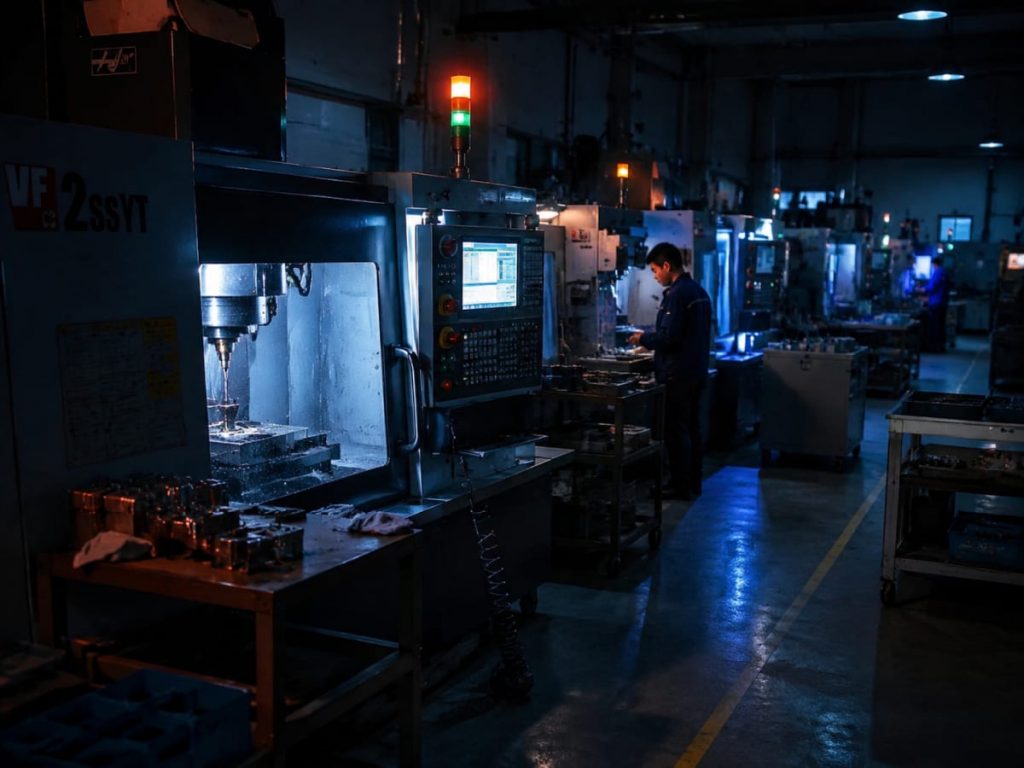
CNC Milling Services Customization for OEM Programs and Mixed-Process Production
CNC milling services are highly adaptable, which is why they remain central to OEM development programs where part revisions, material changes, and assembly updates are common. Unlike tooling-based processes, milling lets engineers adjust hole locations, wall thicknesses, mating features, and cosmetic surfaces without restarting an entire manufacturing strategy. That agility is crucial when a product is still evolving or when the same basic part must be customized for different customers, geographies, or equipment versions.
In practice, customization in cnc milling services often happens in three ways. First, there is geometry customization: edited pockets, revised radii, additional tapped holes, lightweighting features, alignment details, or new engraving. Second, there is material customization: switching from 6061 to 7075, from 303 to 316 stainless, or from Delrin to PEEK based on performance requirements. Third, there is finishing customization: moving from a standard machined finish to bead blasting, anodizing, plating, painting, or brushed cosmetics for customer-facing products.
For manufacturers like TEAM Rapid, this flexibility becomes even more useful because machining does not need to stand alone. A typical OEM program may require machined metal brackets, plastic housings made through injection molding services, purchased hardware, laser marking, and final assembly before shipment. TEAM Rapid’s broader manufacturing model includes CNC machining, rapid tooling, molding, die casting, sheet metal fabrication, finishing, assembly, packaging, material management, procurement support, limited warehousing, and direct shipping. That is the kind of operational range that supports actual product launches, not just isolated parts.
A simple planning matrix helps illustrate where cnc milling services fit in customization-heavy programs.
| Project stage | Best use of cnc milling services | Why it works |
|---|---|---|
| Concept and engineering validation | Fast design revisions in real material | No tooling delay and excellent dimensional control |
| Pilot assembly builds | Low-volume custom parts and fixtures | Ideal for debugging product and process at the same time |
| Variant management | Different hole patterns, engraving, hardware interfaces | Easy to customize without new mold investment |
| Ongoing mixed-process production | Metal parts alongside molded plastic components | Keeps the supply chain consolidated |
At TEAM Rapid’s Zhongshan facility, for instance, this kind of mixed-process support is particularly valuable for companies launching new products in multiple stages. A buyer can start with machined prototypes, add finishing and inspection, introduce assembly, and then transition selected plastic components into molding while keeping one engineering contact and one production plan.
How to Source CNC Milling Services from China with Better Quality Control
Sourcing cnc milling services from China can deliver major cost and speed advantages, but only when the supplier has strong engineering communication, inspection control, and export-ready project management. The best results come from treating sourcing as a technical qualification exercise, not just a price comparison exercise.
A reliable cnc milling services supplier in China should be able to review drawings quickly, flag manufacturability concerns, confirm realistic tolerances, recommend suitable materials, explain finish limitations, and define inspection methods before production starts. This is especially important for complex geometries where a misunderstood datum structure, hidden burr risk, or finish buildup can create fit problems after shipping.
That is where experienced suppliers such as TEAM Rapid tend to perform better than trading-only organizations. TEAM Rapid combines in-house machining, tooling manufacturing, molding capability, and an integrated manufacturing resource network across China. The company also provides detailed DFM and manufacturability analysis, quick response within a few hours, ISO 9001:2015-certified quality control, and direct shipping support. For overseas buyers, those operational details often matter more than a small unit-price difference.
When qualifying cnc milling services from China, ask about the full execution chain:
- who reviews drawings and DFM risk before release
- what inspection equipment is used, including CMM capability
- how nonconforming parts are contained and reported
- whether finishing, assembly, packaging, and shipping are managed in-house or outsourced
- how revision control is handled between RFQ, PO, and final production
Logistics also deserve more attention than many buyers give them. Precision machined parts can be damaged by poor packaging, especially after bead blasting, anodizing, or plating. For complex geometries with cosmetic surfaces or thin walls, export packaging, edge protection, and quantity labeling should be part of the sourcing discussion from the beginning. TEAM Rapid’s turnkey support with packaging, kitting, procurement, and direct shipping is a practical advantage here because it reduces the number of external handoffs.
If you are actively evaluating suppliers, the most efficient next step is to Contact Us with a CAD file, quantity, material, finish, and inspection priorities. A serious machining supplier should respond with questions that improve the part, not just a number.
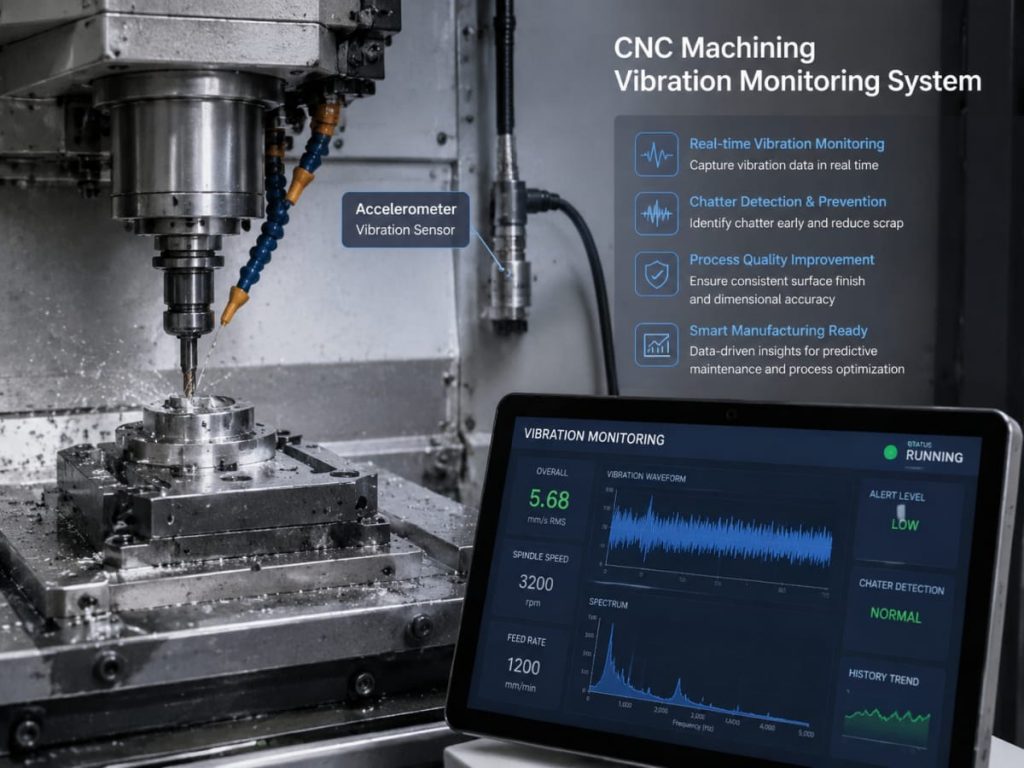
Why Choose TEAM Rapid as Your CNC Milling Services Supplier
CNC milling services are easier to buy when the supplier can support more than machining alone, and that is one of the strongest reasons to consider TEAM Rapid. Rather than operating as a narrow single-process shop, the company combines machining with rapid prototyping, tooling, molding, die casting, sheet metal fabrication, finishing, assembly, packaging, procurement support, limited warehousing, and direct shipping. For sourcing teams, that means fewer vendor handoffs and a smoother path from prototype to production.
From a machining standpoint, TEAM Rapid offers 3-axis, 4-axis, and 5-axis CNC milling, CNC turning with live tooling, wire EDM, EDM, full dimensional inspection with CMM capability, and tolerance control down to 0.01 mm. From a commercial standpoint, the company supports orders from 1 prototype to 500+ machined parts and wider manufacturing programs reaching 100,000+ pieces in other processes. It also brings 10+ years of experience, 500+ satisfied customers, 6,000+ delivered projects, and service to customers in 25+ countries.
The company’s other differentiators are equally important for international buyers:
- ISO 9001:2015-certified quality management
- quick response within a few hours with one-to-one engineering support
- competitive pricing positioned up to 40% lower than Europe and America
- experience with both Asian and Western business cultures
- factory presence in Zhongshan, Guangdong, with a Hong Kong office
In short, TEAM Rapid is worth shortlisting because it offers the technical depth of a precision manufacturer and the project flexibility of a one-stop industrial sourcing partner. If you want to compare responsiveness, engineering feedback, and total project support, request a quote and evaluate the DFM quality as carefully as the price.
CNC Milling Services FAQ for Engineers and Sourcing Teams
How fast can cnc milling services deliver prototype and low-volume parts?
CNC milling services can be extremely fast when material is available and the drawing is manufacturable. Simple aluminum or plastic parts may move through programming, setup, machining, and inspection in just a few days, while more complex 4-axis or 5-axis components with tight tolerances, multiple finishes, or CMM reporting will take longer. For planning purposes, buyers should evaluate not only machine time but also inspection, deburring, finishing, and shipping. Suppliers such as TEAM Rapid are often attractive for urgent projects because of their quick engineering response and broader rapid manufacturing infrastructure.
What tolerances should I specify for cnc milling services?
CNC milling services can support very tight tolerances, but the best practice is to tighten only the features that actually affect function. Critical bores, datum faces, sealing surfaces, dowel locations, and bearing fits may justify tighter control, while noncritical profiles and cosmetic edges usually do not. TEAM Rapid states machining tolerance capability down to 0.01 mm, supported by CMM inspection, which is strong performance for precision work. The most cost-effective drawings clearly identify critical characteristics instead of applying blanket tight tolerances everywhere.
Which materials are best suited to cnc milling services?
The right material for cnc milling services depends on strength, corrosion resistance, conductivity, wear, temperature, weight, and budget. Aluminum 6061 is a common starting point for housings and brackets because it balances machinability, cost, and finish options. Aluminum 7075 is stronger for structural needs. Stainless 303, 304, and 316 are chosen for corrosion resistance and durability. Brass and copper suit conductive parts. Delrin, nylon, PTFE, and PEEK are excellent when engineering plastics are required. Good suppliers will recommend a material based on the application rather than simply machining what was listed first on the drawing.
When should I choose cnc milling services instead of turning, EDM, or Injection Molding?
Choose cnc milling services when the part’s defining features are pockets, profiles, flats, multiple machined faces, intricate contours, or non-rotational geometry. Turning is usually more efficient for primarily cylindrical parts. EDM and wire EDM are better for certain sharp internal details, very hard materials, or difficult slots. For plastic parts at higher volumes, Injection Molding may eventually provide a lower per-part cost, but milling is often the better starting point during development because it requires no mold tooling and makes design changes easier.
What quantities make sense for cnc milling services?
CNC milling services are practical from one-off prototypes through repeat batches of 500+ parts, especially for complex geometries or parts that would be expensive to tool for molding or casting. The process is particularly strong for prototypes, bridge quantities, validation builds, custom fixtures, and premium low-volume end-use components. If demand grows significantly and the part geometry is stable, buyers should then review whether a different process may lower long-run unit cost. Manufacturers like TEAM Rapid are useful in this stage because they can support both machining and adjacent processes under one sourcing plan.
How do I compare cnc milling services suppliers in China?
To compare cnc milling services suppliers in China, review more than price. Check how quickly they respond, whether they ask intelligent manufacturing questions, how they inspect parts, what finishes they control well, and whether they can manage packaging and shipping without quality drift. A strong supplier should discuss datum structure, tool access, burr control, finish impact, and tolerance realism before production. TEAM Rapid is a strong benchmark here because it combines machining with DFM support, ISO 9001:2015-certified quality systems, CMM capability, finishing services, and export-oriented project support.
What should I include in an RFQ for cnc milling services?
For cnc milling services, a complete RFQ should include the 3D CAD model, 2D drawing, quantity, material grade, finish specification, critical tolerances, inspection requirements, and delivery destination. If the part will be assembled with purchased hardware or used in a test fixture, include that context as well. It is also smart to state whether the order is for concept validation, pilot production, or recurring supply, because that affects process planning. If you want faster feedback, you can send the full package to TEAM Rapid or use the Contact Us page to start a technical review.
Content reviewed and updated: June 2026