
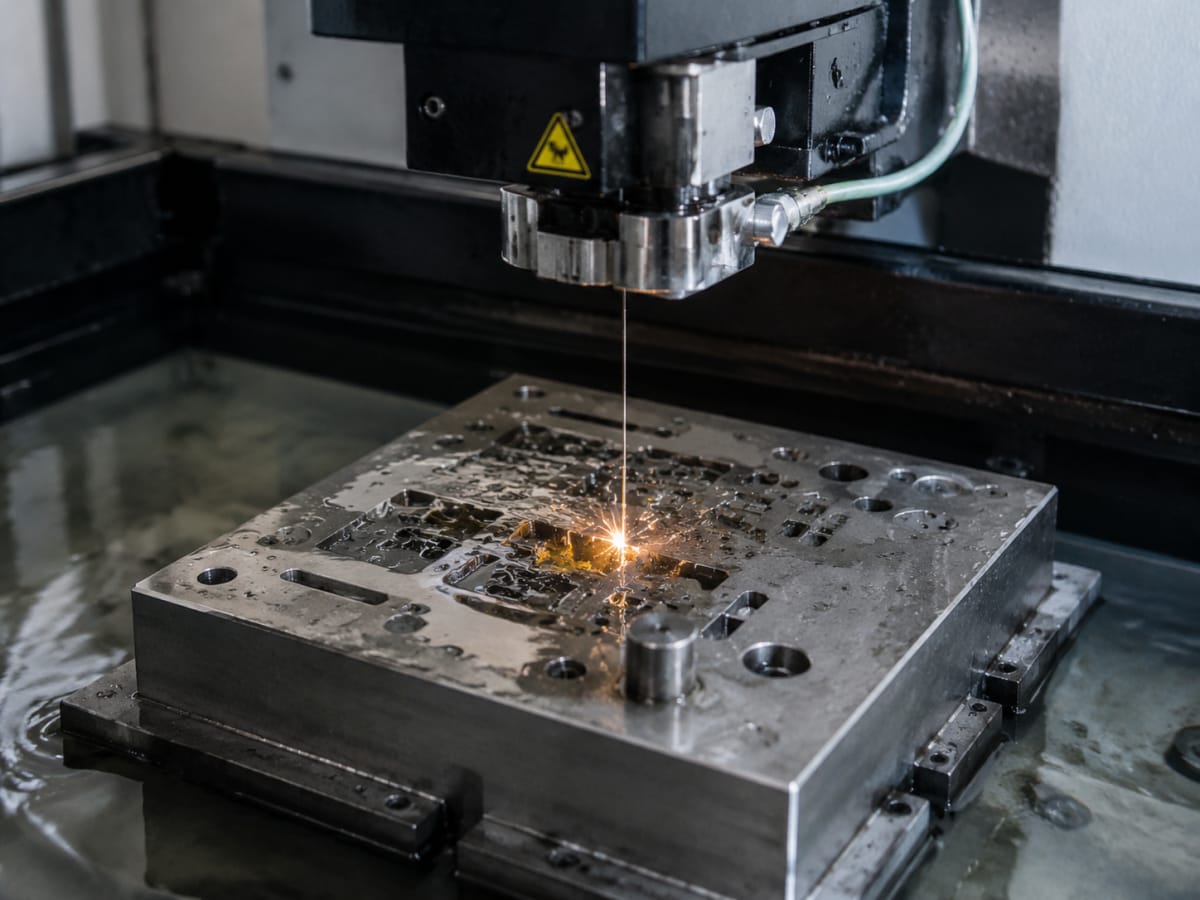
Custom Injection Molding for New Product Development
What Custom Injection Molding Delivers in New Product Development
Custom injection molding is one of the most effective manufacturing routes for new product development when a team needs repeatable plastic parts, production-intent geometry, and a clear path from prototype to mass production. For engineers, buyers, and startup founders, custom injection molding helps validate design performance early while building a tooling and process foundation that can scale from pilot runs to 100,000+ parts.
In practical product development, the value of custom injection molding is not limited to making plastic parts quickly. It is about controlling shrinkage, wall thickness, gate location, cosmetic surfaces, assembly fit, and per-part cost before the product reaches commercial launch. Compared with machining every plastic part or relying only on additive prototypes, molded parts give a much better picture of how a real production component will behave in the field.
Custom injection molding is usually the right fit when a project needs:
- Consistent part geometry across dozens, hundreds, or thousands of units
- Better unit economics than CNC machining at repeat quantities
- Engineering-grade plastics such as ABS, PC, PP, PA, POM, or PEEK
- Surface finishes, textures, inserts, threads, or overmolded features
- A realistic bridge from early validation to production supply
For new product teams, the biggest advantage is strategic flexibility. A well-managed molding program can begin with lower-cost prototype tooling, capture design learning quickly, and then move toward production steel molds without restarting the entire sourcing process.
Custom Injection Molding Market Trends Driving Faster Product Launches
Custom injection molding continues to gain importance because manufacturers across automotive, medical, consumer electronics, office equipment, and industrial products are under pressure to launch faster without sacrificing part quality. Shorter product lifecycles, more frequent design revisions, and rising expectations for cosmetic appearance are all pushing buyers toward suppliers that can combine DFM support, tooling, molding, and finishing in one workflow.
The strongest demand drivers are easy to see from the sourcing side. OEMs want lower development risk, smaller initial commitments, and a smoother transition from prototype quantities to commercial volumes. That makes custom injection molding especially attractive for housings, clips, covers, transparent parts, seals, and multi-material components where geometry repeatability matters more than one-off fabrication speed.
Another market shift is the growing preference for supplier consolidation. Product teams no longer want separate vendors for prototyping, mold building, molding, finishing, and packaging if they can avoid it. They want one manufacturing partner that can review the design, recommend mold strategy, produce first articles, and then support scale-up with fewer communication gaps. That model reduces revision loss, shortens approval cycles, and helps procurement teams manage fewer handoffs.
Material expectations are changing as well. More new products now require flame resistance, impact strength, optical clarity, chemical resistance, or soft-touch ergonomics in the same assembly. That pushes custom injection molding beyond simple commodity plastic parts and toward more engineered solutions involving insert molding, overmolding, silicone molding, and precision textures.
From an engineering perspective, the market is rewarding suppliers that can do three things well: identify moldability risk early, quote intelligently across multiple quantity bands, and maintain stable quality once production begins. Those capabilities matter far more than offering the lowest tool price alone.
Custom Injection Molding Materials, Tolerances, and Mold Specifications
Custom injection molding succeeds or fails on material choice, part design discipline, and the right tooling strategy. In new product development, the resin is not just a purchasing decision. It directly affects shrinkage, stiffness, impact behavior, creep resistance, cosmetic finish, chemical compatibility, and cycle time. The most experienced buyers evaluate the plastic, the mold steel, and the part geometry together.
Common engineering plastics used in custom injection molding include ABS for balanced toughness and good appearance, PC for impact strength and transparency, PP for chemical resistance and living hinges, PA/Nylon for wear and mechanical performance, POM for low friction and dimensional stability, PEEK for demanding thermal or chemical environments, TPU and TPE for flexibility, and silicone when a part needs softness, sealing, or elastic recovery. For material comparisons, engineers often cross-check supplier recommendations with databases such as the MatWeb material database and specification frameworks from ASTM International.
Manufacturers like TEAM Rapid are especially useful when a program needs multiple resin families rather than a single commodity polymer. TEAM Rapid supports ABS, PC, PP, PA/Nylon, POM, PEEK, TPU, TPE, silicone, and other common production materials, which is important when a product family includes rigid housings, transparent covers, flexible seals, and overmolded grips in the same development cycle.
| Material | Key strengths | Common product-development uses | Design notes |
|---|---|---|---|
| ABS | Toughness, easy cosmetic finishing, balanced cost | Consumer housings, bezels, enclosures | Good for painted and textured surfaces |
| PC | High impact strength, transparency | Clear covers, protective housings, lenses | Needs careful gating and polishing for optical parts |
| PP | Chemical resistance, fatigue performance | Caps, containers, living hinges | Warpage and shrink must be managed carefully |
| PA/Nylon | Strength, wear resistance | Functional components, clips, gears | Moisture absorption should be considered |
| POM | Low friction, dimensional stability | Precision mechanisms, sliders, gears | Excellent for tight-moving assemblies |
| PEEK | High temperature and chemical resistance | Medical and industrial components | High resin cost requires disciplined DFM |
| TPU/TPE | Flexibility, grip, sealing | Soft-touch surfaces, seals, bumpers | Often paired with overmolding |
| Silicone | Elastic recovery, temperature resistance | Seals, keypads, flexible medical parts | Different processing behavior from rigid thermoplastics |
Tolerance planning is equally important. Standard molded-part tolerance around ±0.05 mm may be realistic for selected features under controlled conditions, but tighter values depend on resin shrinkage, part size, gating, wall consistency, and tool construction. In real production, buyers should avoid specifying CNC-style tolerances across the entire part. Functional datums, sealing edges, snap-fit features, and insert locations should be treated differently from non-critical cosmetic surfaces.
Part design rules for custom injection molding usually start with wall thickness, draft, rib design, boss support, parting-line placement, and ejection strategy. As a practical guideline, many molded parts perform best when nominal walls remain consistent, drafts are generous enough for the surface finish, and ribs are proportioned to reduce sink. High-gloss tools for clear or cosmetic parts may also require polished cavities approaching low Ra values, while textured VDI or EDM surfaces intentionally run rougher.
Tool choice also needs to match the product stage:
| Mold type | Best use case | Typical timing | Main commercial advantage |
|---|---|---|---|
| MUD insert tooling | Early development and design iteration | Fastest low-cost tool route | Lower upfront investment |
| Aluminum prototype molds | Pre-production validation and bridge volumes | Often 5-15 days | Quick first articles and fast revisions |
| P20 steel molds | General production programs | Longer than prototype tools | Good durability and balanced cost |
| NAK80 steel molds | Higher polish and cosmetic quality needs | Production-oriented | Better surface stability for appearance parts |
| S136 steel molds | Corrosion resistance and optical-grade applications | Production-oriented | Strong choice for clear parts and demanding environments |
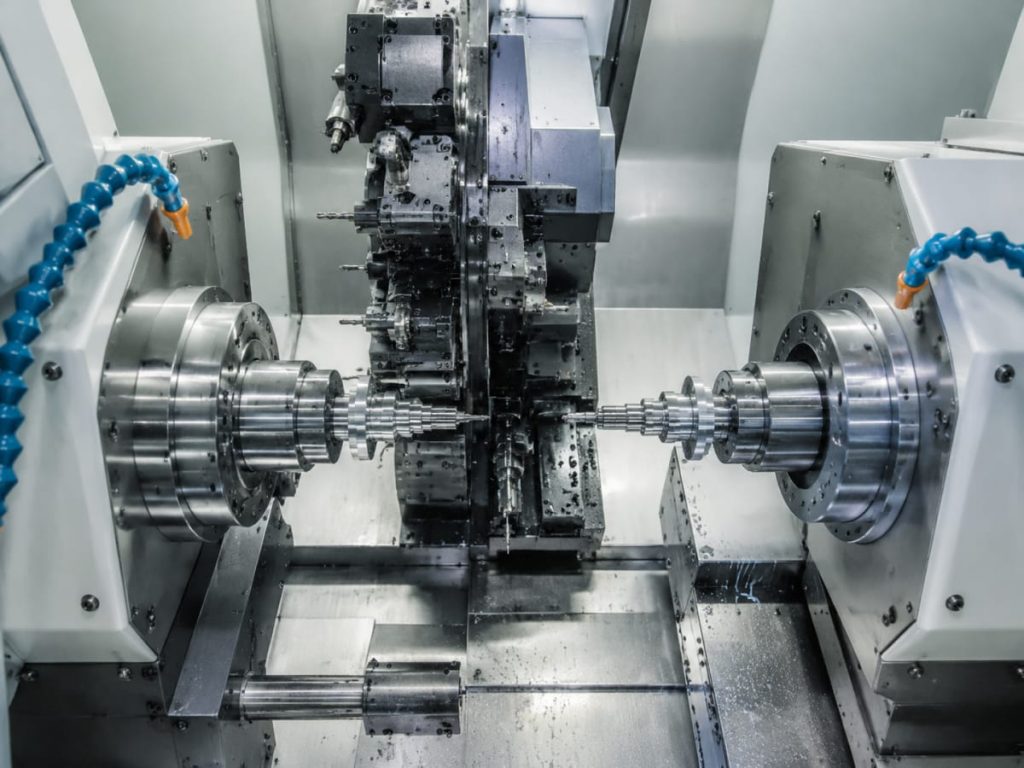
TEAM Rapid’s injection molding capability covers MUD inserts, aluminum prototype molds, and P20, NAK80, and S136 production molds. That matters because new product development rarely follows one simple path. A buyer may need a low-cost development tool first, then a more durable steel tool once the design and forecast are stable.
Custom Injection Molding Cost, MOQ, and Lead-Time Planning
Custom injection molding cost should be evaluated as a total program decision, not just a tool price comparison. In new product development, buyers must account for DFM review, tool construction, first-article sampling, molding cycle time, resin cost, cosmetic finish requirements, secondary operations, and the risk of engineering changes after T1. A cheap mold that needs repeated correction often becomes more expensive than a better-engineered tool built correctly from the start.
The main cost variables in custom injection molding are usually straightforward:
| Cost factor | What increases cost | What buyers can do |
|---|---|---|
| Resin choice | High-performance materials like PEEK, PC, or specialty grades | Match the material to the real performance requirement |
| Tool complexity | Slides, lifters, inserts, undercuts, polished optics | Simplify geometry where function allows |
| Part size and cavitation | Larger parts or multi-cavity molds | Use realistic demand forecasts before choosing cavitation |
| Cosmetic requirements | Mirror polish, texture control, paint, plating, laser marking | Limit premium finishes to visible or functional surfaces |
| Tolerance and fit requirements | Tight shutoffs, insert location control, complex assemblies | Define critical dimensions clearly in the RFQ |
| Secondary operations | Insert loading, pad printing, assembly, packaging | Consolidate post-molding work with one supplier |
MOQ is one of the biggest misunderstandings in custom injection molding. There is no universal minimum order because MOQ depends on whether the buyer is discussing tooling, first-article sampling, pilot production, or full commercial volume. Many development programs begin with 100 to 500 parts, then scale once design approval and market response are confirmed. TEAM Rapid is well positioned for that path because its molding capability supports quantities from 100 to 100,000+ parts, which is exactly the range most new products pass through before reaching stable demand.
Lead time also needs context. Tooling plus first articles for custom injection molding often falls in the 5-25 day range, depending on tool complexity, resin, surface finish, and sampling requirements. Aluminum prototype molds can often be completed in 5-15 days, while more complex steel tools with slides, lifters, or optical polishing take longer. TEAM Rapid’s published tooling benchmark of 5-25 days is realistic for many programs, and its broader manufacturing background helps when molded parts need to be compared against rapid prototyping services before the mold is released.
From a sourcing standpoint, the smartest cost-saving actions happen before tool build:
- Eliminate unnecessary undercuts that force side actions
- Use consistent wall thickness to reduce warpage and sink risk
- Standardize inserts, screws, and threads where possible
- Avoid over-tolerancing non-functional surfaces
- Confirm finish expectations before steel is cut
TEAM Rapid is often competitive on total landed value because the company combines one-to-one engineering support with pricing that can be up to 40% lower than many Europe and North America sourcing options. The real savings, however, usually come from better DFM decisions, fewer tool revisions, and faster clarification during quoting rather than from piece price alone.
Industries Served by Custom Injection Molding in B2B Manufacturing
Custom injection molding supports nearly every sector that depends on lightweight, repeatable, and cost-efficient plastic components. The process is especially valuable in B2B manufacturing because it can produce functional parts with stable dimensions, surface control, and scalable economics across a wide volume range.
Automotive programs use custom injection molding for interior trim, clips, brackets, bezels, ducts, electrical housings, and under-hood components where heat, vibration, and assembly fit all matter. Medical device teams rely on molding for handheld enclosures, treatment-unit components, transparent covers, knobs, and silicone elements that require consistency and good cosmetic quality. Consumer and commercial product manufacturers need molded housings, control panels, battery covers, and structural internals that balance aesthetics with manufacturability. Office equipment, electrical appliances, communication devices, and sanitary products all depend on similar molding disciplines.
TEAM Rapid brings useful credibility here because it has delivered more than 6,000 projects to customers in over 25 countries and has practical experience across automotive, medical devices, consumer products, industrial design, communication products, office equipment, electrical appliances, and sanitary products. That cross-industry track record matters because molding requirements vary sharply from sector to sector. A medical housing may prioritize cosmetic finish and controlled inserts, while an appliance part may focus more on cycle time and assembly robustness.
| Industry | Typical molded components | Key priorities in sourcing |
|---|---|---|
| Automotive | Clips, bezels, housings, ducts, under-hood supports | Heat resistance, fit, repeatability, PPAP-style discipline |
| Medical devices | Housings, handles, clear covers, silicone components | Cosmetic quality, material control, consistency |
| Consumer products | Enclosures, buttons, battery doors, structural plastic parts | Appearance, speed to market, cost control |
| Communication products | Frames, connector supports, cable guides, cosmetic covers | Tight fit, dimensional stability, finish quality |
| Office and electrical equipment | Knobs, panels, brackets, insulated housings | Repeatability, assembly ease, production efficiency |
| Sanitary products | Valve-related plastic parts, covers, sealing elements | Moisture resistance, long-term durability, finish control |
For procurement teams, the lesson is simple: the best custom injection molding supplier is not just the one with molding machines. It is the one that understands the product’s end-use environment and can translate that into better tool design, resin choice, and inspection planning.
Custom Injection Molding Applications from Pilot Builds to Production
Custom injection molding is used throughout the full product lifecycle, not only at mass-production stage. In new product development, the process often begins with pilot builds, engineering samples, and functional validation, then expands into bridge production and full commercial supply once design, testing, and customer approval are complete.
One of the most common applications is production-intent prototyping. When a team needs real molded geometry for snap fits, sealing features, threaded inserts, surface texture, or optical clarity, custom injection molding gives a much more realistic result than additive models or hand-built mockups. This is particularly true for products where shrink, warp, gloss, transparency, or assembly stress are major design variables.
Another important application is bridge production. Many OEMs need several hundred or several thousand parts before demand fully stabilizes or before a hardened multi-cavity production tool is justified. In that stage, custom injection molding with a prototype or semi-production mold can reduce capital risk while still delivering consistent parts for field trials, regulatory builds, distributor samples, or early sales batches.
Manufacturers like TEAM Rapid are especially helpful in this phase because the company can support both molded parts and adjacent processes such as finishing, assembly, packaging, and procurement support. That means a project can start with molded housing parts, then expand into complete kits or packaged assemblies without forcing the buyer to rebuild the supply chain around multiple vendors. For teams evaluating full-service plastic injection molding services, that integration can remove a great deal of launch friction.
Typical application categories include:
- Functional prototype housings and structural plastic parts
- Clear covers and visual windows for product validation
- Overmolded grips, soft-touch parts, and multi-material assemblies
- Threaded plastic components using molded or inserted thread solutions
- Low-volume commercial launch parts before full scale-up
- High-volume repeat production once the design is frozen
TEAM Rapid also supports clear plastic molding with optical-grade finishes, silicone rubber molding for flexible parts, insert molding, and overmolding. Those options are highly relevant in new product programs because many modern products combine rigid and soft materials, visual surfaces and sealing features, or decorative and structural requirements in the same assembly.
Custom Injection Molding Customization, DFM, and OEM Scale-Up
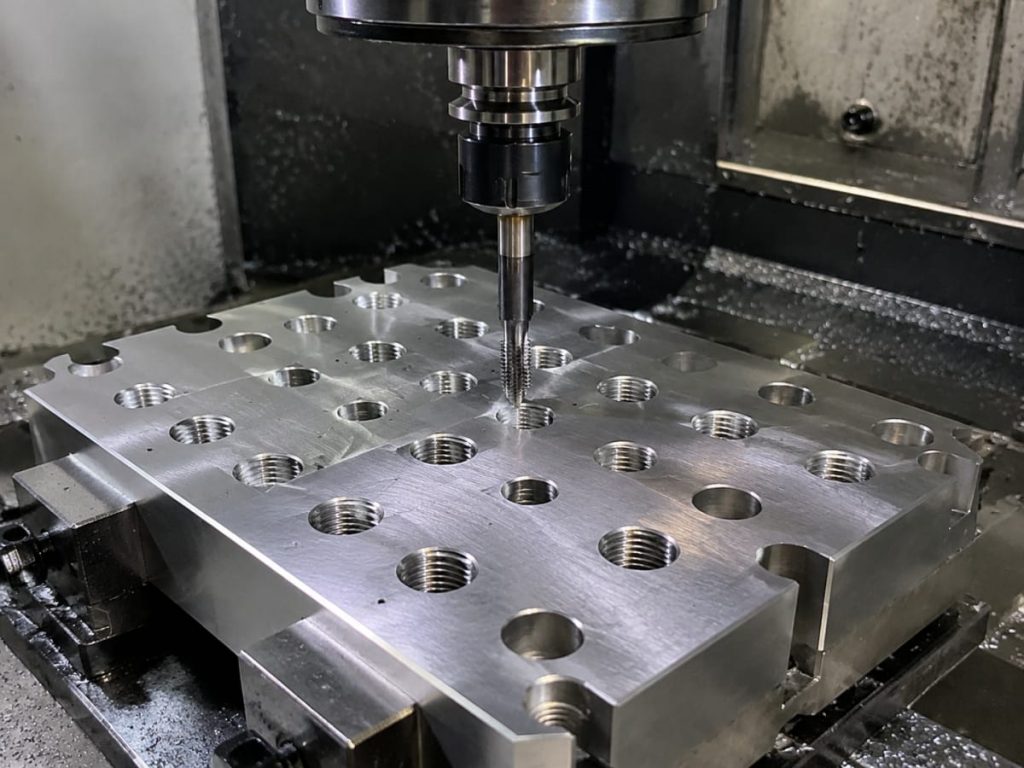
Custom injection molding becomes most valuable when the supplier does more than build a mold and press parts. For OEMs, the real benefit comes from DFM analysis, geometry optimization, finish planning, and a controlled scale-up strategy that turns a workable prototype into a stable production program.
The most common customization needs in custom injection molding include insert molding, overmolding, threaded features, texture selection, color matching, transparent parts, and packaging-ready output. Insert molding is often the right choice when the design needs metal threads, electrical contacts, or reinforcement embedded directly in the part. Overmolding is used when a rigid substrate needs a softer grip, seal, bumper, or ergonomic surface. Clear plastic molding requires tighter control over gate vestige, polishing, venting, and ejection marks, especially when optical surfaces are visible. Silicone molding adds another layer of complexity because flexible materials behave differently from rigid thermoplastics in both tooling and post-molding handling.
TEAM Rapid is a strong example of how this should work in practice. Its engineers provide detailed DFM reports and manufacturability analysis to identify design risks before tooling begins. In real projects, that usually means checking wall transitions, knit-line exposure, parting-line visibility, gate location, sink risk around bosses, potential air traps, ejection balance, and whether the selected mold material suits the target finish and production life.
At TEAM Rapid’s Zhongshan facility, engineers typically review development programs with a focus on four questions:
- Can the part be molded consistently without cosmetic or dimensional instability?
- Is the tool type matched to the stage of the product, whether MUD, aluminum, or production steel?
- Are the tolerance requirements realistic for the selected resin and geometry?
- Can post-molding operations such as painting, plating, pad printing, or laser engraving be integrated without damaging yield?
That kind of engineering discipline is what separates a short-lived tool from a dependable manufacturing asset. Based on our sourcing experience, many custom injection molding delays are caused not by machine capacity but by incomplete DFM decisions made before steel is cut.
TEAM Rapid also offers surface finish options such as SPI, VDI, EDM texture, painting, plating, pad printing, and laser engraving. Those details matter because a product that passes dimensional inspection can still fail commercially if gloss variation, weld-line placement, or texture mismatch is ignored. For OEM buyers planning scale-up, the best approach is to lock down a master sample, define critical appearance zones, and align packaging standards before the first repeat batch ships.
Sourcing Custom Injection Molding from China with Better Quality Control
Custom injection molding sourced from China can be highly effective for new product development when the buyer manages the process with clear technical documents, realistic quality expectations, and a supplier that understands both engineering and international project communication. The geography alone does not determine success. Supplier selection, DFM rigor, tooling transparency, and inspection discipline do.
A good China sourcing program for custom injection molding begins with a complete RFQ package: 3D CAD, 2D drawings for critical dimensions, target resin, finish requirements, annual volume estimate, special assembly notes, and any cosmetic standards. Without that package, quotes may be fast but technically weak. Buyers end up comparing tool prices that were built on different assumptions about shrinkage, texture, cavitation, insert handling, and acceptable flash.
Based on our sourcing experience, the lowest-risk workflow usually includes:
- DFM review before tool build approval
- Mold design confirmation with gate, parting line, and ejection strategy
- T1 sampling and dimensional review against agreed tolerances
- Cosmetic approval for visible surfaces before mass production
- Shipping, packaging, and labeling standards confirmed before release
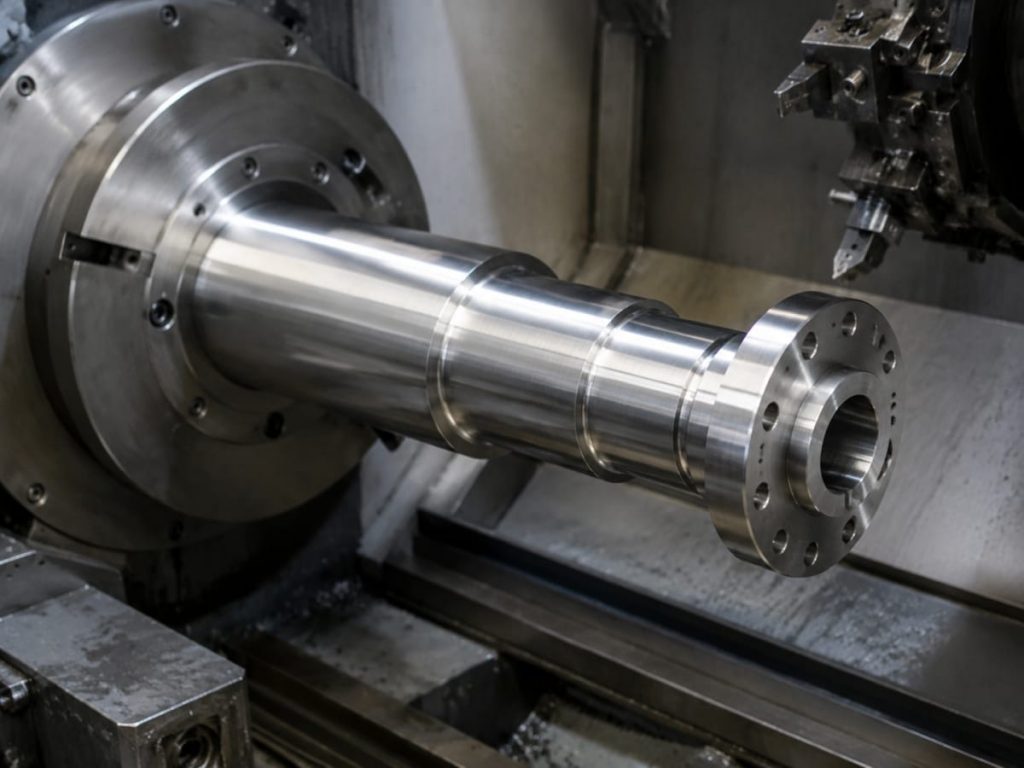
TEAM Rapid fits this sourcing model well because it combines in-house machining, tooling manufacturing, molding capability, and an integrated manufacturing resource network across China. Its Zhongshan factory in Guangdong Province, supported by a Hong Kong office, gives overseas buyers a practical combination of factory access and export familiarity. The company is ISO 9001:2015 certified, and buyers who want to review the framework behind that standard can reference ISO 9001 quality management.
Quality control in custom injection molding should go beyond basic visual inspection. Serious suppliers review steel condition, mold maintenance, process stability, first-article dimensions, and part conformity at defined checkpoints. TEAM Rapid’s wider quality mindset is valuable here because the company emphasizes detailed DFM analysis, full inspection, and specification compliance across custom plastic and metal programs, not just part ejection from the press.
Commercially, China sourcing works best when logistics are discussed early rather than after the tool is complete. Buyers should confirm carton counts, bagging, tray requirements, barcode labels, lot traceability, and direct-shipping expectations during the quote stage. If the project is ready for supplier evaluation, the simplest next step is to request a free quote with CAD, quantities, resin, and finish details.
Why Choose TEAM Rapid for Custom Injection Molding Projects
Custom injection molding projects move faster and more predictably when the supplier can support the full path from DFM through production delivery. That is why many buyers shortlist TEAM Rapid after comparing molding capability, engineering responsiveness, quality control, and project flexibility.
TEAM Rapid’s advantages are practical rather than abstract. The company has more than 10 years of industry experience, serves customers in 25+ countries, and has completed 6,000+ delivered projects for startups, product designers, engineers, and established global companies. For injection molding specifically, it covers quantities from 100 to 100,000+ parts, supports ABS, PC, PP, PA/Nylon, POM, PEEK, TPU, TPE, silicone, and more, and offers insert molding, overmolding, clear plastic molding, silicone rubber molding, and molded thread solutions.
The company also aligns well with how modern product teams buy:
- Quick response within a few hours through one-to-one engineering support
- Tooling and first-article timing commonly in the 5-25 day range
- MUD, aluminum prototype, and production steel mold options
- Full inspection and ISO 9001:2015-certified quality management
- Added services including finishing, assembly, packaging, procurement support, limited warehousing, and direct shipping
For many B2B buyers, TEAM Rapid is appealing because it bridges early development and recurring production without forcing a supplier reset. A project can start with prototyping, move into molded first articles, and then scale into packaged production parts through one coordinated workflow. That is a major advantage when launch schedules are tight and engineering revisions are still active.
In short, buyers choose TEAM Rapid for custom injection molding because the company combines technical realism, cost competitiveness, and manufacturing breadth in a way that supports both product development and long-term supply.
FAQ About Custom Injection Molding for New Product Development
What is custom injection molding in new product development?
Custom injection molding is the process of producing plastic parts from a dedicated mold designed around a specific product rather than using standard off-the-shelf components. In new product development, custom injection molding is used to create production-intent parts with realistic geometry, material behavior, and repeatability so teams can validate fit, function, cosmetics, and assembly before full commercial scale-up.
How much does custom injection molding cost?
Custom injection molding cost depends on tool type, resin, part size, complexity, finish requirements, and volume. A simple prototype mold for a basic part may cost far less than a multi-cavity steel mold with slides, polished optical surfaces, or insert loading. Buyers should evaluate total cost across tooling, first articles, piece price, and any secondary operations. TEAM Rapid is often considered for this kind of analysis because its pricing can be highly competitive and its engineering team helps reduce unnecessary tooling expense through early DFM feedback.
How long does custom injection molding take from tooling to first articles?
Custom injection molding timing varies by mold complexity and finish level, but many development tools can move from kickoff to first articles in roughly 5-25 days. Aluminum prototype molds may be completed faster, often in the 5-15 day range, while hardened steel production tools with cosmetic polish, slides, or complex shutoffs take longer. The most reliable schedule is usually achieved when the RFQ package is complete and DFM issues are resolved before tool steel is cut.
What materials are most common in custom injection molding?
Custom injection molding commonly uses ABS, PC, PP, PA/Nylon, POM, PEEK, TPU, TPE, and silicone, with the right choice depending on impact resistance, stiffness, clarity, wear, chemical exposure, temperature, and tactile feel. For example, ABS is common in consumer housings, PC in transparent impact-resistant components, PP in chemically resistant and hinge-type applications, and TPE or silicone in seals and soft-touch parts. TEAM Rapid supports this broad material range, which is helpful when an OEM product includes both rigid and flexible molded components.
What tolerance can custom injection molding achieve?
Custom injection molding can achieve standard tolerances around ±0.05 mm on selected features under controlled conditions, though actual achievable tolerance depends on resin shrinkage, part size, wall thickness, mold construction, and process consistency. Buyers should define critical dimensions carefully and avoid applying very tight tolerances to every feature. The best suppliers will separate functional dimensions from cosmetic or non-critical dimensions and explain how those features will be measured during sampling and production.
How do I choose the best supplier for custom injection molding in China?
Choose a custom injection molding supplier in China by reviewing engineering communication, DFM capability, mold transparency, material range, quality system, and post-molding support rather than looking only at tool price. A strong supplier will ask about shrink, finish, insert strategy, packaging, and expected production life before finalizing the quote. TEAM Rapid is a good fit for many buyers because it combines Zhongshan-based manufacturing, Hong Kong support, ISO 9001:2015 certification, detailed manufacturability analysis, and one-stop capability across molding, finishing, assembly, and shipping.
Content reviewed and updated: June 2026