
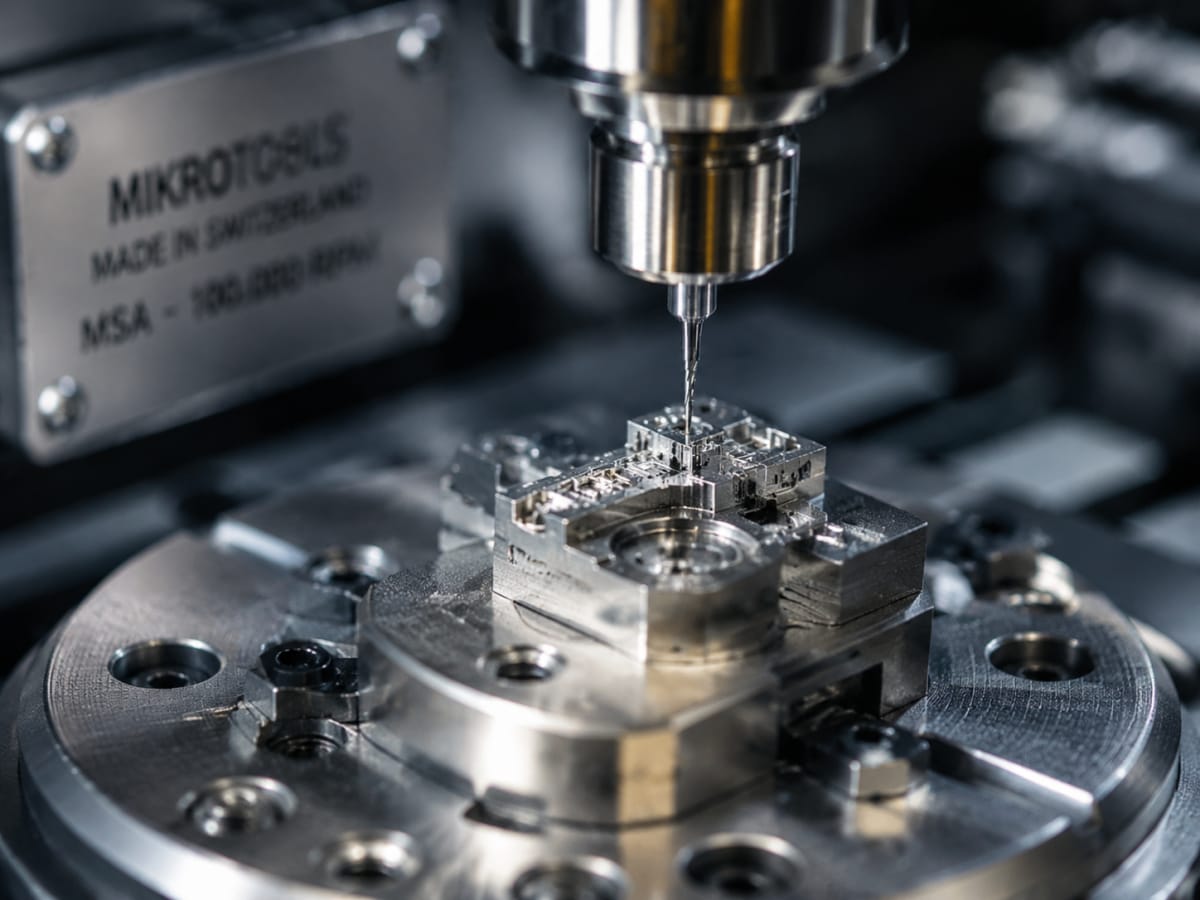
Choosing the Right Plastic Molding Company for Your Part
What the Right Plastic Molding Company Should Deliver for Your Part
A plastic molding company should do more than quote tooling and ship parts. The right supplier should match resin, mold strategy, tolerance, finish, and production volume to your commercial goals while identifying design risks before steel is cut.
For most industrial buyers, the best plastic molding company is the one that can move confidently from DFM review to tooling, first articles, process tuning, and repeat production without losing control of cost, lead time, or part quality. That matters whether you are launching a new consumer device, validating a medical enclosure, or planning recurring automotive components.
When I evaluate a plastic molding supplier for a client, I look for five fundamentals:
- strong DFM capability before tooling release
- proven experience with the right resin family and mold type
- realistic tolerance and cosmetic finish planning
- clear lead-time commitments for tooling and first samples
- stable quality control, documentation, and shipping execution
In practice, choosing the wrong plastic molding company usually shows up in predictable ways: sink marks that were never addressed at the DFM stage, warpage because wall thickness was inconsistent, flash caused by poor tool maintenance, short shots from incorrect gate sizing, or delays because the supplier outsourced too many core steps. Choosing the right one reduces those risks early.
A capable molding partner should also think beyond the mold itself. Buyers increasingly need support with finishing, insert assembly, packaging, kitting, procurement, and direct shipping. If your supplier can only mold but not support the rest of the program, the purchasing burden stays with your team. If the supplier can manage the full chain, your part reaches production faster and with fewer handoffs.
Plastic Molding Company Trends Shaping Industrial Product Development
A modern plastic molding company operates in a market defined by shorter product cycles, higher SKU counts, tighter launch windows, and more demand for custom plastic parts in medium-volume and high-volume programs. Industrial buyers no longer want a supplier that only builds molds; they want a partner that can help them move from concept validation to 100,000+ parts with predictable quality and cost.
This shift is one reason manufacturers like TEAM Rapid are getting more attention from global buyers. Product teams want one source that can support early development, moldability analysis, prototype tooling, and scale-up production without forcing a vendor change halfway through the program.
Several demand drivers are shaping how buyers evaluate a plastic molding company today:
- more frequent product revisions and shorter launch windows
- rising use of engineered plastics in place of machined metal parts
- growing demand for overmolded, insert-molded, and multi-material components
- higher expectations for cosmetic surfaces, laser marking, and secondary finishing
- increased interest in China sourcing paired with stronger quality assurance
Another important trend is process integration. Many OEMs do not want to manage separate vendors for prototyping, mold building, molding, secondary machining, and packaging. They prefer a supplier that can handle the entire handoff. That is especially relevant in electronics, automotive, medical devices, and commercial products, where development schedules are compressed and the cost of coordination errors is high.
The strongest plastic molding company is therefore not always the one with the biggest machine list. It is usually the one that understands design intent, identifies tooling risk before production, and can support multiple manufacturing paths. For example, some teams may start with short-run prototype tools, confirm fit and function, and then move selected parts into higher-cavity production molds. Others may combine Rapid Prototyping for early samples with injection molding once geometry and demand stabilize.
That flexibility is now a core buying criterion, not a bonus feature.
Plastic Molding Company Material Selection: Resins, Grades, and Performance Trade-Offs
A qualified plastic molding company should help you choose materials based on function, environment, and process behavior-not simply on resin price per kilogram. Material selection affects shrinkage, warpage, impact resistance, chemical compatibility, clarity, heat performance, and long-term dimensional stability. It also affects tool design, gate location, venting, surface finish, and cycle time.
Experienced suppliers such as TEAM Rapid typically work across a broad resin portfolio, including ABS, PC, PP, PA/Nylon, POM, PEEK, TPU, TPE, silicone, and more. That breadth matters because the best molding material for one application can be completely wrong for another. A stiff office equipment housing, a living-hinge consumer part, a medical handle, and a soft-touch overmolded grip all require different processing logic.
Common material families a plastic molding company should support
| Material | Key strengths | Common applications | Important molding notes |
|---|---|---|---|
| ABS | impact resistance, easy finishing, good cosmetics | housings, covers, consumer products | good general-purpose choice, moderate heat resistance |
| PC | high impact strength, transparency, toughness | clear covers, lenses, protective housings | needs careful drying and polish for cosmetic parts |
| PP | chemical resistance, fatigue resistance, low cost | containers, caps, living hinges | higher shrink than ABS or PC, warpage must be managed |
| PA/Nylon | strength, wear resistance, heat performance | gears, clips, under-hood parts | moisture absorption affects dimensions and properties |
| POM | low friction, stiffness, dimensional stability | gears, bushings, precision functional parts | excellent for sliding parts, watch venting and shrink |
| PEEK | high heat and chemical resistance | high-performance industrial and medical parts | premium resin with higher processing demands |
| TPU/TPE | flexibility, grip, sealing performance | overmold grips, seals, soft-touch parts | bond compatibility must be verified in overmolding |
| Silicone | elasticity, temperature stability | gaskets, keypads, flexible components | process and tooling differ from rigid thermoplastics |
A good plastic molding company will also discuss material grade details early. Filled versus unfilled resin, flame-retardant grades, UV-stabilized compounds, food-contact considerations, wear additives, color masterbatch, and transparency requirements all change how the tool should be designed. For example, a 30% glass-filled Nylon bracket may need different gate sizing, steel protection, and warpage planning than an unfilled ABS enclosure.
TEAM Rapid, for example, offers diversified plastic choices plus clear plastic molding with optical-grade finishes and silicone rubber molding for flexible parts. That combination is useful when a single product family includes both rigid transparent parts and soft-touch or sealing elements.
Design checkpoints the plastic molding company should raise before tooling
- Nominal wall thickness: many molded housings perform best with relatively uniform walls, often around 1.5 mm to 3.5 mm depending on resin and part size
- Draft angle: around 1° to 2° is common for smooth surfaces, while textured parts often need more
- Rib thickness: usually about 40% to 60% of the nominal wall to reduce sink
- Boss and screw design: core-out strategy matters for strength without excessive mass
- Shrink behavior: material-specific shrink must be built into the tool, especially for PP, POM, and filled Nylon
The best plastic molding company will connect those design rules to actual manufacturing outcomes. A change in rib thickness is not just a drawing revision; it can reduce sink, improve fill, shorten cycle time, and lower reject rates. A better material match can prevent cracking, creep, or whitening during assembly.
Plastic Molding Company Process Options: Prototype Molds, Overmolding, Insert Molding, and Silicone
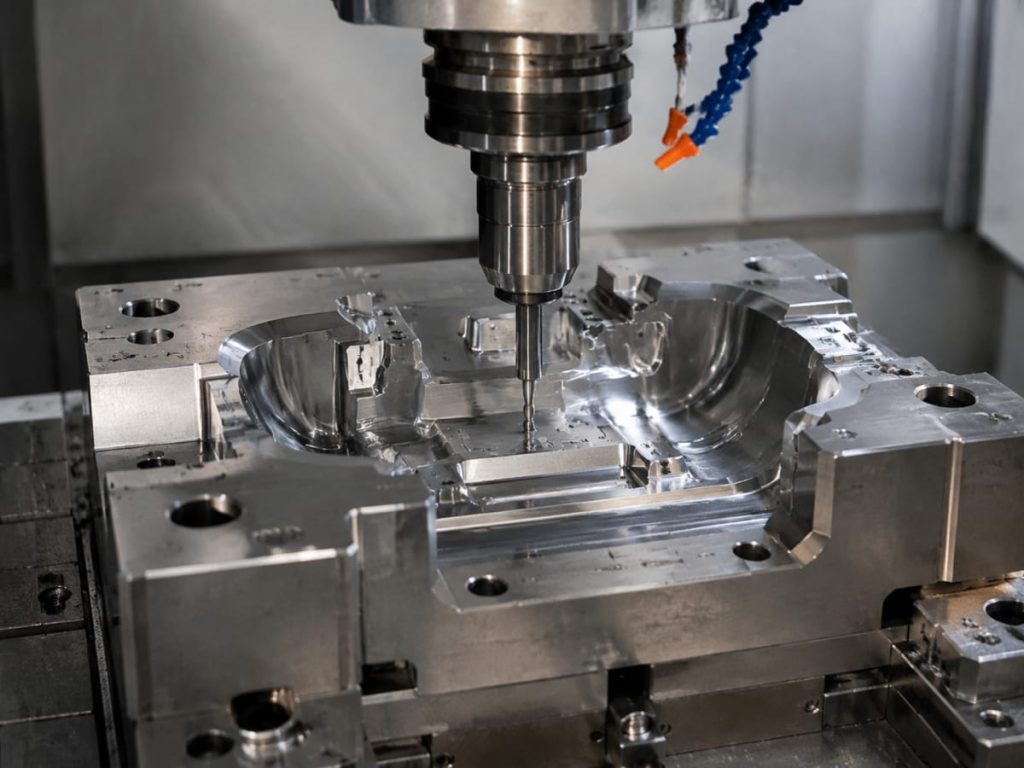
The right plastic molding company should recommend a process route that matches your quantity, timeline, cosmetic target, and product function. Not every part needs a hardened multi-cavity steel tool. Likewise, not every project can accept a low-cost insert mold. The right answer depends on how stable the design is, how many parts you need, and whether the part includes threads, clear sections, metal inserts, or soft-touch features.
TEAM Rapid is a good reference point here because it supports multiple tooling and molding paths instead of pushing every project into the same mold strategy. Its Injection Molding capability covers insert molding, overmolding, clear plastic molding, silicone molding, and threaded components, with tooling and first articles typically delivered in 5 to 25 days depending on complexity.
Tooling and process routes a plastic molding company may propose
| Process or tool type | Best fit | Typical quantity range | Lead-time logic |
|---|---|---|---|
| MUD insert tooling | low-cost early production or bridge demand | hundreds to low thousands | fast and economical when geometry is still evolving |
| Aluminum prototype mold | rapid first articles and short-run validation | hundreds to several thousand | often 5-15 days for simpler tools |
| P20 steel mold | durable production tooling | thousands to tens of thousands | good balance of cost and mold life |
| NAK80 steel mold | cosmetic and polish-sensitive parts | medium to high volume | favored for better surface quality |
| S136 steel mold | clear, corrosive, or high-finish applications | medium to high volume | strong choice for optical or corrosion-sensitive projects |
| Insert molding / overmolding | metal-plastic combinations or soft-touch parts | application-specific | requires careful bonding and insert location control |
From an engineering standpoint, this is where supplier quality becomes visible. A skilled plastic molding company will explain why a tool needs sliders, lifters, hot runners, cold runners, unscrewing features, or polished cavity surfaces instead of simply adding cost without explanation. For example, molded threads may work well for caps and low-load components, but deeper or precision threads may require design changes, unscrewing mechanisms, or secondary operations.
Clear plastic parts deserve special attention. If a buyer needs optical-grade surfaces, tool steel choice, polish level, gate design, venting, resin dryness, and ejector placement all become more critical. TEAM Rapid’s capability in clear plastic molding is useful in such cases because cosmetic quality is rarely achieved by resin selection alone.
Silicone molding is another area where not every plastic molding company is equally strong. Flexible parts such as seals, buttons, and soft functional covers often need different material handling and tooling logic than rigid thermoplastics. Buyers should confirm this experience before RFQ, especially if the project mixes rigid and flexible components in one assembly.
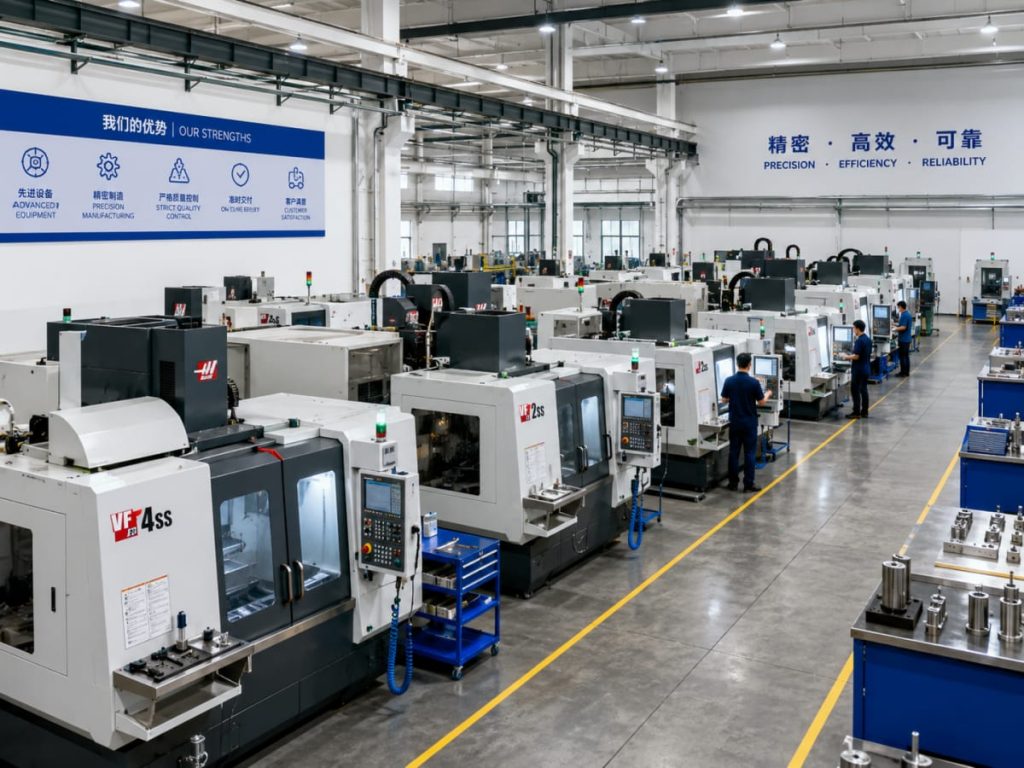
Plastic Molding Company Cost Drivers, Tooling Choices, and Lead-Time Planning
A reliable plastic molding company should explain cost in terms of tooling complexity, resin choice, cavity count, cycle time, secondary operations, and quality risk-not just quote a lump sum. For most B2B buyers, the real question is not “What does the mold cost?” but “What tooling route gives the lowest total cost over the life of this part?”
In injection molding, part price and tooling price are tied together. A cheaper tool may cost more over time if it runs slowly, creates excess scrap, or cannot support your target volume. A more capable tool may cost more up front but reduce cycle time, improve repeatability, and lower total unit cost.
Typical tooling paths a plastic molding company may quote
| Tooling route | Typical order stage | Typical lead time | Typical planning cost band |
|---|---|---|---|
| MUD insert mold | bridge production, early commercial launch | 5-10 days | about USD 1,000-4,000+ for simpler tools |
| Aluminum prototype mold | sample validation, pilot runs | 5-15 days | about USD 2,000-8,000+ |
| P20 production steel mold | recurring production | 15-25 days | about USD 5,000-30,000+ |
| NAK80 or S136 mold | cosmetic, clear, or higher-demand production | 15-25+ days | about USD 8,000-50,000+ |
These are planning ranges only. Actual cost depends on part size, side actions, lifters, hot runner versus cold runner, texture requirements, cavity count, insert loading, tolerance, and post-molding operations.
Manufacturers like TEAM Rapid often create value by reducing hidden cost drivers upstream. Detailed DFM reports and manufacturability analysis can identify where to reduce resin consumption, maximize cavity count, optimize cycle time, and eliminate unnecessary risks before tooling starts. That is especially important for parts with cosmetic faces, deep bosses, snap fits, tight flatness requirements, or threaded features.
For international buyers, pricing is also affected by sourcing region. TEAM Rapid positions itself aggressively on cost, often around 40% lower than Europe and America for comparable custom manufacturing programs, while still maintaining fast engineering response and full inspection discipline. The real saving, however, is not just lower labor cost. It is the combination of tool strategy, moldability feedback, and shorter decision loops.
What usually changes molding cost the fastest
- side actions, sliders, lifters, and other moving tool elements
- cosmetic requirements such as SPI polish, VDI texture, plating, or painting
- tight tolerances beyond the normal ±0.05 mm range
- low annual volume on a part with a highly complex tool
- resin choices with higher melt temperature or special drying requirements
Lead time follows the same logic. TEAM Rapid’s molding programs typically run 5-25 days for tooling and first articles, but the shortest projects are usually the ones with clean CAD, realistic tolerances, well-defined material selection, and early DFM alignment. If geometry is still changing, it can be smarter to use Rapid Prototyping or short-run tooling first rather than locking in a production mold too soon.
How to Compare a Plastic Molding Company and Source from China with Lower Risk
Choosing a plastic molding company in China can be a major cost and lead-time advantage, but only if the supplier is qualified correctly. The lowest-risk China sourcing model is not “send a file and wait for parts.” It is a structured process that confirms design intent, tooling scope, inspection method, packaging, and shipping terms before production begins.
This is where experienced suppliers such as TEAM Rapid stand out. At TEAM Rapid’s Zhongshan factory in Guangdong, backed by a Hong Kong office and an integrated manufacturing resource network across China, buyers can source tooling, molding, finishing, assembly, and logistics through one coordinated channel. That reduces the communication gaps that often appear when tooling, molding, and export handling are split across separate vendors.
A good plastic molding company in China should offer the following before you release a PO:
- a clear DFM review with gate, draft, shrink, and ejection comments
- mold type recommendation based on quantity and design maturity
- process plan for inserts, texture, clear surfaces, or secondary decoration
- quality plan covering dimensional checks and visual criteria
- shipping and packaging confirmation for export protection
ISO discipline matters here. TEAM Rapid is ISO 9001:2015 certified, and that is relevant because process control, inspection records, and change management reduce the risk of expensive surprises after T1 or first production. For molded parts, quality risk often comes from process drift, tool wear, color variation, flash, warp, or inconsistent cosmetic acceptance. Those issues can be managed, but only if the supplier has a real system behind the quote.
China sourcing also works better when the supplier understands both technical English and commercial expectations from Western buyers. Fast response is not just convenient; it directly shortens approval cycles. TEAM Rapid emphasizes one-to-one engineering support with responses within a few hours, which is helpful when DFM questions or tool changes need fast decisions.
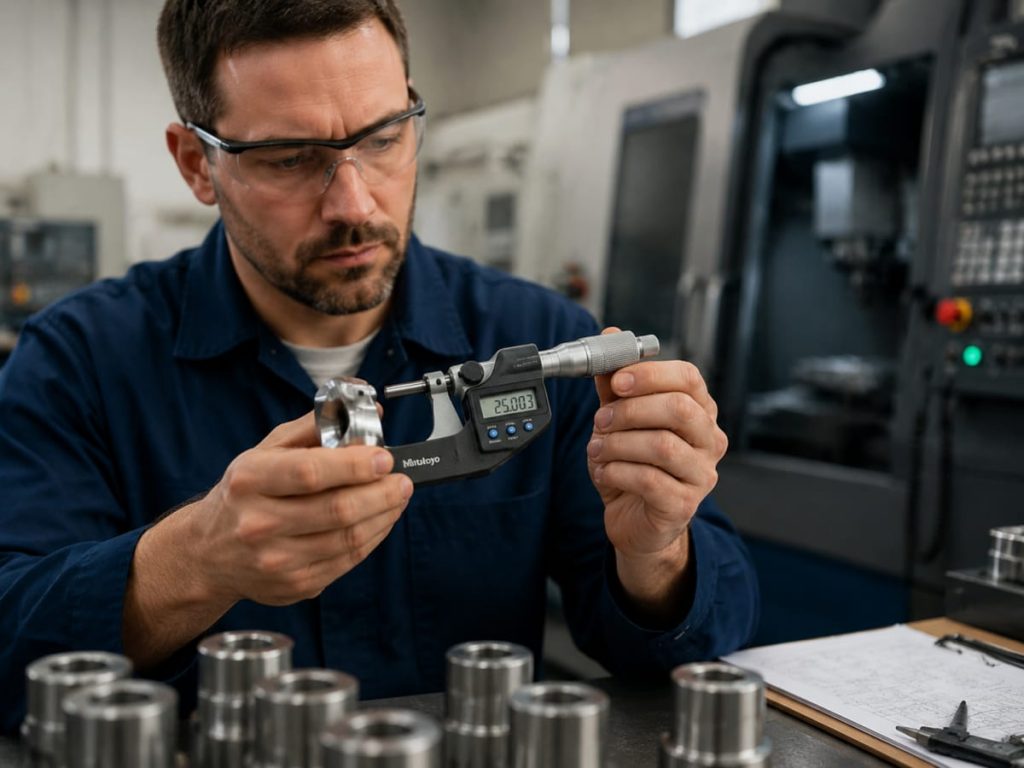
One final point: do not compare a China plastic molding company with a local supplier using piece price alone. Compare the full package: tooling lead time, DFM depth, first article speed, quality planning, finishing support, packaging, and shipping reliability. That is the only way to calculate true landed value.
Plastic Molding Company Solutions for Automotive, Medical, and Commercial Industries
The best plastic molding company understands that “good parts” are defined differently by each industry. Automotive buyers may prioritize heat resistance, snap-fit durability, and dimensional repeatability for under-hood or interior components. Medical device manufacturers may care more about consistent cosmetics, fit with mating hardware, and controlled processing for handheld or treatment-unit housings. Consumer and commercial product teams often focus on appearance, texture, assembly speed, and cost per part.
A plastic molding company serving multiple sectors should be able to adapt mold design, resin choice, gate strategy, and quality criteria to the application-not force every part through a generic process window. That is one reason companies like TEAM Rapid are relevant across so many categories. The business has delivered 6,000+ projects to 500+ customers in 25+ countries, spanning automotive, medical devices, consumer products, industrial design, communication products, office equipment, electrical appliances, and sanitary products.
Here is how those industry needs usually differ:
- Automotive: tougher materials, heat and chemical exposure, clips, fasteners, ducting, and interior trim with repeatable fit
- Medical devices: clean aesthetics, assembly accuracy, ergonomic housings, and controlled dimensional performance
- Consumer and commercial products: visible surfaces, brand aesthetics, texture consistency, and assembly efficiency
- Communication and office equipment: thin-wall housings, boss integrity, EMI-related assembly features, and stable dimensions
- Electrical appliances and sanitary products: chemical resistance, moisture exposure, and reliable production across recurring orders
For buyers, this matters because application context changes what a plastic molding company should recommend. A glossy clear cover may need S136 steel and high polish. A structural bracket may justify Nylon or glass-filled resin. A living hinge may point toward PP. A soft-touch grip may require overmolding with TPE or TPU. A threaded cap may be molded directly, while a load-bearing threaded feature may be better served with a metal insert.
The strongest suppliers ask those questions early instead of waiting for the first defect report.
Plastic Molding Company Use Cases: From DFM and First Articles to OEM Production
A capable plastic molding company adds the most value when it supports the full product journey, not just the molding cycle. In real industrial programs, parts rarely move directly from concept to high-volume production. They typically pass through design review, prototype evaluation, T1 samples, tool modifications, pilot builds, and then recurring release schedules. Each stage needs different priorities.
This is where TEAM Rapid’s broader manufacturing model becomes useful. A project may begin with prototype samples through Rapid Prototyping, shift into prototype tooling for geometry validation, then move into production molding once the design is frozen. That sequence is often faster and cheaper than forcing full production tooling too early.
Common use cases for a plastic molding company include:
- first article validation: verify fit, snap function, wall strength, and assembly access
- pilot production: support pre-launch builds and market testing with controlled tooling cost
- bridge production: supply parts while final production tooling or regulatory approvals are still progressing
- OEM production: deliver repeat parts with secondary decoration, insert loading, assembly, and packaging
- mixed-process programs: combine molding with CNC machining, die casting, sheet metal, or bought-in components
TEAM Rapid, for example, supports not only molding but also finishing, assembly, contract packaging, kitting, blister packaging, clamshell sealing, poly bagging, shrink filming, procurement support, planning, scheduling, limited warehousing, and direct shipping. For OEM buyers, that is a meaningful advantage because the molded part is rarely the only item that must be delivered correctly.
Customization is another key differentiator. A plastic molding company should be able to tailor gate location, texture, insert strategy, engraving, pad printing, laser marking, and packaging to the customer’s actual downstream use. A molded enclosure headed to an assembly plant may need bulk protective packing. A retail-ready component may need separated trays, labeling, and cosmetic screening. A service part may need lot traceability and replacement-ready packaging.
This is also where DFM should stay active after the first samples. If the T1 parts show sink over a boss, flow lines near the gate, or excessive force at a snap feature, the supplier should recommend tool or part adjustments quickly. TEAM Rapid’s one-to-one engineering support helps here because changes can be reviewed without waiting days for a response.
In other words, the value of a plastic molding company is not only the mold it builds. It is the number of downstream problems it helps you avoid.
Why TEAM Rapid Stands Out as a Plastic Molding Company for Global Buyers
A dependable plastic molding company should combine engineering depth, production flexibility, commercial responsiveness, and reliable export execution. TEAM Rapid stands out because it brings those elements together in a practical way for international buyers, especially those managing tight timelines or mixed-volume programs.
From an operational standpoint, TEAM Rapid is not limited to one process. It supports 3D printing, vacuum casting, CNC machining, rapid tooling, injection molding, die casting, aluminum extrusion, sheet metal fabrication, finishing, assembly, packaging, material management, procurement support, limited warehousing, and direct shipping. That makes it easier for customers to move from prototype to production without rebuilding the supplier chain.
Key reasons global buyers shortlist TEAM Rapid as a plastic molding company include:
- fast engineering response: one-to-one support, often within a few hours
- broad tooling options: MUD inserts, aluminum prototype molds, and P20, NAK80, or S136 steel molds
- process flexibility: insert molding, overmolding, clear plastic molding, silicone molding, and threaded components
- quality discipline: ISO 9001:2015 certification with full inspection and specification compliance
- competitive economics: pricing positioned to be highly competitive, often well below Europe and America
- scalable capacity: from early samples to recurring orders from 100 to 100,000+ parts
Just as important, TEAM Rapid has the track record many sourcing teams want to see: 10+ years in the industry, experience serving customers in 25+ countries, and more than 6,000 delivered projects. That kind of exposure tends to produce better judgment on moldability, export handling, and cross-cultural communication.
If you are qualifying a plastic molding company for an upcoming part, the most useful next step is not just asking for a unit price. Send the 3D model, 2D drawing, expected annual volume, resin preference, finish requirements, and any assembly notes, then Contact Us for a DFM-backed quote and tool recommendation.
Plastic Molding Company FAQ for Buyers and Engineers
How fast can a plastic molding company deliver tooling and first articles?
A plastic molding company can usually move faster than buyers expect when the CAD data is clean and the resin, finish, and tolerance requirements are clearly defined. For prototype tools, a simple aluminum mold may be ready in 5-15 days, while more complex tooling and first articles often land in the 5-25 day window. TEAM Rapid uses that range as a practical benchmark for tooling plus first samples, with actual timing depending on part size, side actions, insert loading, texture, and polishing.
What minimum order quantity should a plastic molding company support?
A professional plastic molding company should be flexible on MOQ once tooling is built. In practice, many production programs begin around 100 parts and scale upward to 100,000+ parts depending on demand. The right MOQ depends on resin availability, machine efficiency, packaging, and how frequently you plan to reorder. For pilot builds, buyers should ask whether the supplier can support smaller scheduled releases against a larger annual forecast.
How does a plastic molding company decide between MUD inserts, aluminum molds, and steel molds?
A good plastic molding company chooses the tool type based on expected volume, part complexity, cosmetic requirements, and how stable the design is. MUD insert tooling is attractive for lower-cost bridge work. Aluminum prototype molds are ideal when speed matters and geometry is still being validated. P20 is a dependable production steel for many recurring programs, while NAK80 or S136 is often preferred for high cosmetic quality, clearer parts, or more demanding mold environments.
Can a plastic molding company handle insert molding, overmolding, and clear plastic parts in one project?
Yes, but not every plastic molding company is equally strong across those process variants. Insert molding requires reliable insert location and repeatability. Overmolding needs material compatibility and stable bond conditions. Clear plastic molding demands cavity polish, resin dryness, venting, and controlled gate design. TEAM Rapid, for example, supports insert molding, overmolding, clear plastic molding, and silicone molding, which is valuable when a product family includes both rigid and flexible components.
What tolerances can a plastic molding company realistically hold?
For most thermoplastic parts, a capable plastic molding company can target around ±0.05 mm as a standard reference on controlled features, with tighter tolerances possible where the design and process allow. Buyers should remember that molded-part tolerance depends on resin shrinkage, wall thickness, feature geometry, tool temperature, gate design, and post-mold conditioning. Tight tolerances should be applied only where they affect function, not across the entire drawing by default.
How should I compare a China plastic molding company with a local supplier?
The best way to compare a China-based plastic molding company with a local source is to evaluate total landed value rather than just piece price. Look at tooling lead time, DFM quality, first article speed, communication, inspection records, packaging, and logistics support. Suppliers like TEAM Rapid can be highly competitive because they combine fast response, ISO 9001:2015 quality systems, integrated manufacturing support, and pricing that is often significantly lower than Western markets.
What information should I send a plastic molding company to get an accurate quote?
To get an accurate quote from a plastic molding company, send a 3D CAD file, a 2D drawing if available, expected annual and initial order volume, resin preference, color, finish, texture requirements, tolerance priorities, and any insert or assembly details. If cosmetic faces matter, say so. If the part must pass a drop test, chemical exposure, or thread engagement requirement, include that too. The more context the supplier receives, the better the DFM and the more reliable the quote.
What shipping, payment, and quality terms should I confirm with a plastic molding company?
Before placing an order with a plastic molding company, confirm the Incoterm, packaging standard, sample approval method, inspection scope, rework process, and payment milestones. On tooling projects, buyers should also clarify mold ownership, sample sign-off, and how engineering changes are handled after T1. These commercial details are just as important as resin and tooling choices because they affect schedule, accountability, and total project risk.
Content reviewed and updated: June 2026