
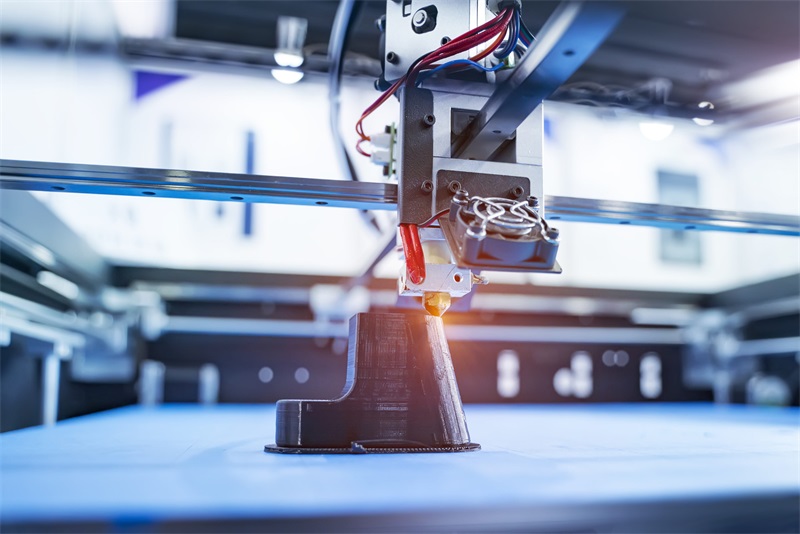
Injection Molding With Rapid Tooling for Fast Launches
Injection Molding Rapid Tooling: The Fastest Direct Answer for Product Launches
Injection molding rapid tooling is the use of faster, lower-investment molds to produce molded plastic parts quickly for validation, pilot runs, bridge production, and early market launch. For most manufacturers and sourcing teams, it is the best path when you need real injection-molded parts sooner than conventional production tooling can deliver, but still need better function, finish, and repeatability than 3D printing or vacuum casting alone.
In practical manufacturing terms, injection molding rapid tooling sits between prototype-only methods and fully hardened production tooling. It is commonly built with aluminum molds, MUD insert systems, or pre-hardened steels such as P20, depending on part geometry, annual demand, resin type, and lifespan requirements. When the part is designed correctly, this approach can compress launch schedules, reduce capital risk, and give engineering teams valuable production-intent feedback before committing to a long-life multi-cavity tool.
The reason buyers choose injection molding rapid tooling is simple: it provides molded parts that behave like real production parts in assembly, testing, and user evaluation. Unlike additive prototypes, molded parts reveal gate vestiges, sink risk, knit lines, ejection marks, shrink behavior, and cosmetic reality much earlier in the program. That makes it especially useful for product teams that need to validate snap fits, living hinges, threaded inserts, sealing surfaces, surface textures, or optical clarity before scaling up.
A good rule from the shop floor is this: if the product launch timeline is tight and the design still needs real-world verification, rapid tooling is usually the smartest bridge between CAD approval and stable production.
Injection Molding Rapid Tooling Market Trends and Why Fast Launches Matter
Injection molding rapid tooling has become more important because product cycles across industrial and consumer sectors keep getting shorter. OEMs are launching more variants, startups are testing markets earlier, and procurement teams are under pressure to control tooling investment until actual demand is proven. In that environment, speed matters, but speed without manufacturability discipline usually creates expensive rework.
This is where manufacturers like TEAM Rapid become relevant. In day-to-day sourcing work, buyers rarely need only a toolmaker. They need a partner that can move quickly from DFM review to tooling, first articles, secondary finishing, and shipment without losing control of cost or quality. That is particularly true for low-volume launches, engineering pilot builds, aftermarket parts, medical device housings, and commercial products with short validation windows.
Several demand drivers are pushing more programs toward injection molding rapid tooling:
- Product teams want production-intent parts earlier in the design cycle.
- Purchasing managers want to avoid full steel-tool investment before demand stabilizes.
- Engineers need functional testing with the correct resin rather than prototype substitutes.
- Global buyers want shorter launch schedules without carrying excess tooling risk.
The shift is especially visible in automotive subcomponents, handheld medical devices, consumer electronics housings, communication products, office equipment, and electrical appliances. These sectors often require better accuracy and appearance than soft prototype methods can provide, yet they also need to move faster than conventional tooling timelines allow.
From a sourcing standpoint, rapid tooling is not just about speed. It is about smarter capital allocation. A buyer may spend less overall by using a fast prototype mold to confirm wall thickness, gate location, or cosmetic finish first, then upgrading to a longer-life tool only after testing and market feedback are complete. TEAM Rapid’s experience with customers in more than 25 countries and 6,000+ delivered projects reflects this exact buying pattern: launch lean, validate early, and scale with less risk.
Injection Molding Rapid Tooling Process Options, Mold Types, Materials, and Technical Specifications
Injection molding rapid tooling works best when the tooling route, resin choice, and quality target are aligned from the beginning. In practice, the tool concept should match the project stage. Early development parts need speed and flexibility. Bridge production parts need stable repeatability. Longer programs need harder tooling, better wear resistance, and sometimes higher cavitation.
TEAM Rapid, for example, offers several tooling paths that fit different launch stages: low-cost MUD inserts, aluminum prototype molds with fast turnaround, and production steel molds in P20, NAK80, or S136. That range is useful because not every product should jump straight to a hardened multi-cavity tool.
| Tooling route for injection molding rapid tooling | Typical best use | Common lead time | Material compatibility | Main advantage |
|---|---|---|---|---|
| MUD insert tooling | Early validation, low-volume pilot parts | 5-10 days | Good for many standard thermoplastics | Lower tool cost and fast insert changes |
| Aluminum prototype molds | Fast launch, bridge runs, pre-production samples | 5-15 days | Strong fit for ABS, PC, PP, PA, TPE and many others | Rapid build speed and lower upfront investment |
| P20 steel tooling | Bridge production to medium-volume runs | 10-25 days | Broad resin compatibility | Better durability and process consistency |
| NAK80 or S136 steel tooling | Cosmetic parts, clear parts, longer-life programs | 15-25+ days | Strong for higher-finish and wear-sensitive applications | Excellent polish response and longer service life |
In injection molding rapid tooling, part design rules still matter even when the schedule is aggressive. Common engineering targets include wall thickness consistency, proper draft, balanced filling, venting, and realistic tolerances. For many molded engineering parts, a standard tolerance around ±0.05 mm is achievable when geometry and resin behavior support it, while tighter targets should be reserved for clearly defined critical features rather than entire parts.
Material selection is another critical part of injection molding rapid tooling. Common resins include ABS for housings, PC for impact-resistant transparent or structural parts, PP for living hinges and chemical resistance, PA/Nylon for mechanical strength, POM for wear properties, TPU and TPE for soft-touch components, and PEEK for high-performance applications. TEAM Rapid’s material range also includes silicone molding options for flexible parts and clear plastic molding for optical-grade finishes.
From an engineering perspective, these are the DFM checkpoints that usually determine whether a rapid tool will succeed:
- Wall thickness should be as uniform as possible to limit sink and warp.
- Draft angles should normally start around 1° to 2° per side, then increase for texture.
- Gates must be selected for fill balance, appearance, and shear sensitivity of the resin.
- Rib thickness is typically controlled to reduce sink, often around 50% to 70% of nominal wall.
- Critical shutoffs, threads, inserts, and sealing features should be reviewed before tool release.
Surface finish should also be decided early. Injection molding rapid tooling can support SPI polish grades, VDI textures, EDM texture, painting, plating, pad printing, and laser engraving. For functional molded parts, cavity finishes around Ra 0.8-1.6 um are common starting points, while high-gloss or clear parts need much finer mold polish. NAK80 and S136 are often chosen when a stable cosmetic surface or optical clarity matters.
| Technical specification area | Practical range for injection molding rapid tooling |
|---|---|
| Typical part quantity | 100 to 100,000+ parts depending on tool strategy |
| Standard tolerance | ±0.05 mm, tighter on selected critical features |
| Surface options | SPI, VDI, EDM texture, paint, plating, pad print, laser engraving |
| Supported features | Inserts, overmolding, threads, logos, snap fits, ribs, bosses |
| Typical plastics | ABS, PC, PP, PA/Nylon, POM, PEEK, TPU, TPE, silicone and more |
| First-article tooling lead time | Often 5-25 days depending on mold type and complexity |
For teams that need a deeper process view, injection molding services are most effective when tool design, material choice, and inspection planning are reviewed together rather than quoted separately.
When resin approval is still under discussion, engineering teams often reference ASTM International for test methods and use the MatWeb material database to compare property ranges before final validation.
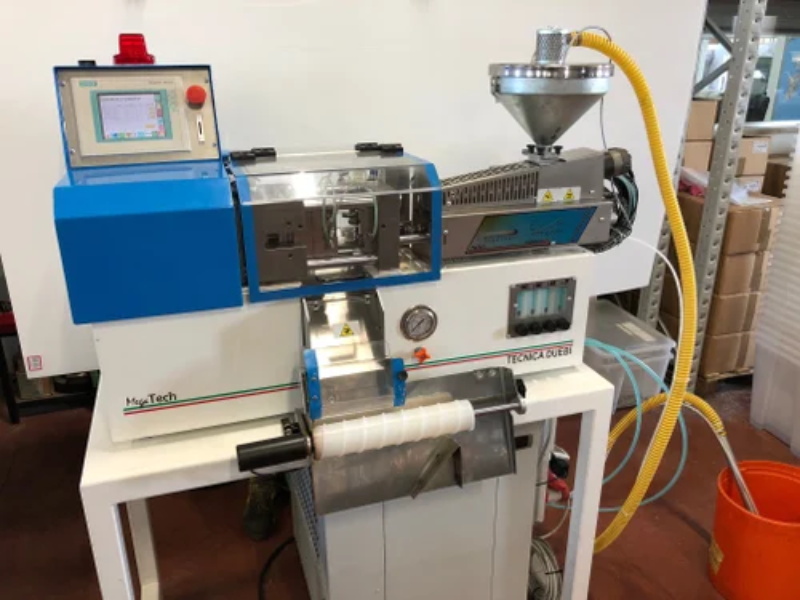
Injection Molding Rapid Tooling Cost, MOQ, and Lead Time Planning
Injection molding rapid tooling is chosen for commercial reasons as much as technical ones. Buyers use it to lower the first investment, accelerate launch timing, and avoid overcommitting to a full production tool before the product has passed assembly, test, and market review. The right cost discussion is not just “what does the mold cost?” but “what total risk does this tooling strategy remove?”
In real sourcing situations, injection molding rapid tooling is often less expensive than a full hardened production mold because the mold base, insert strategy, tooling material, and cavitation are optimized for speed. Unit price may be somewhat higher than a long-life high-cavitation production tool, but the total launch economics are often better because the program gets to test sooner and change sooner.
TEAM Rapid is a useful benchmark here because the company combines one-to-one engineering support with competitive manufacturing economics. For many overseas buyers, total project cost can be around 40% lower than Europe and America, especially when tooling, molding, finishing, packaging, and direct shipment are planned together instead of purchased in separate packages.
| Cost and schedule factor in injection molding rapid tooling | Typical impact on project |
|---|---|
| Simplified mold construction | Reduces upfront investment and cuts build time |
| Lower cavitation at launch stage | Lowers tool cost but raises unit cost slightly |
| Aluminum or insert tooling | Speeds machining and shortens tool adjustment cycles |
| Early DFM review | Prevents expensive rework caused by sink, warp, flash, or poor ejection |
| Bridge production strategy | Delays full production mold investment until demand is validated |
MOQ logic should be tied to the commercial stage of the project. Injection molding rapid tooling is often a strong fit from 100 parts upward, especially when the part must be molded in the real production resin. For some programs, the same tool family can support several hundred or several thousand parts before a transfer to harder tooling is needed. For others, especially with P20, NAK80, or S136 tools, the line between “rapid” and “production” becomes more about launch speed than strict volume.
Lead time is where this tooling strategy usually proves its value. TEAM Rapid’s normal benchmark for rapid tooling plus first articles is 5-25 days, while rapid prototypes from non-molded processes can often be delivered in 2-8 days when early geometry checks are needed first. That staged capability is important because many successful launches begin with a machined or printed proof model, then move into injection molding rapid tooling for function and pilot production.
These are the biggest cost levers to review before placing an order:
- Annual volume and whether the first tool is a pilot tool or a long-life tool
- Resin type, especially if filled, flame-retardant, abrasive, or high-temperature
- Part size, projected area, and wall thickness consistency
- Cosmetic requirements such as gloss, texture, or transparent surfaces
- Secondary work such as inserts, painting, laser marking, assembly, or packaging
A disciplined buyer will also ask about tooling change cost. Rapid tools are fast, but engineering changes after steel is cut can still be expensive if draft, shutoffs, rib layout, or insert geometry were not reviewed carefully. That is why the best injection molding rapid tooling suppliers invest time in DFM before chips start flying.
Injection Molding Rapid Tooling Industries Served and Ideal Buyer Profiles
Injection molding rapid tooling creates the most value in industries where speed, fit, and functional realism matter more than extreme tool life at the start of the program. Buyers in these sectors typically need molded parts quickly enough for testing, approval, pilot launch, or low-volume commercial supply, but they cannot accept the compromises that come with purely visual prototypes.
TEAM Rapid has delivered projects across automotive, medical devices, consumer and commercial products, industrial design, communication products, office equipment, electrical appliances, and sanitary products. That cross-industry experience matters because each sector defines “fast launch” differently. A startup might need 300 market-test parts in the right resin. An automotive supplier may need dimensional samples for assembly checks. A medical device team may need cosmetic housings with tight interfaces and clean documentation.
| Industry using injection molding rapid tooling | Why rapid tooling is attractive | Typical buyer concern |
|---|---|---|
| Automotive interior and under-hood | Fast fit checks, pilot builds, resin validation | Dimensional repeatability and assembly risk |
| Medical devices | Production-like housings for verification and early launch | Surface quality, repeatability, and traceability |
| Consumer electronics and appliances | Cosmetic parts with short launch windows | Finish quality, snap-fit performance, branding |
| Industrial equipment | Functional covers, knobs, housings, and guards | Low-volume economics and ruggedness |
| Communication and office products | Frequent design updates and short lifecycle products | Fast ECO response and controlled tooling cost |
| Sanitary and commercial products | Reliable molded components with packaging-ready output | Stable supply and total landed cost |
From a buyer-profile standpoint, the most common users of injection molding rapid tooling are:
- Product designers who need production-intent feedback before final release
- Mechanical engineers validating assemblies, seals, or latch performance
- Procurement managers reducing launch risk before committing to full steel
- Startups and OEMs managing low-volume introduction before scale-up
In sectors with multiple product revisions, rapid tooling often becomes part of the standard launch playbook. A fast mold is used to confirm design intent, train assembly teams, and support customer samples. Once the design stabilizes, the same buyer can decide whether to keep running the pilot tool, upgrade inserts, or move to a higher-cavitation production mold. That is a much more efficient path than waiting for a perfect release package that may not survive first physical testing.
Injection Molding Rapid Tooling Applications for Prototype, Bridge, and Production Parts
Injection molding rapid tooling is most valuable when the program needs real molded parts at three critical stages: prototype verification, bridge production, and early commercial release. Each stage solves a different problem, and the tooling strategy should reflect that.
At the prototype stage, rapid tooling is used when 3D printing or CNC machining cannot fully replicate material behavior. This is common for snap fits, thin-wall housings, sealed covers, living hinges, textured consumer parts, or components that must be tested in the exact resin grade. At the bridge-production stage, rapid tooling fills the gap between engineering validation and full production scale. At the early commercial stage, it lets a company launch, gather market feedback, and delay major capital investment until demand is confirmed.
These are the most common use cases where injection molding rapid tooling clearly outperforms slower or less representative alternatives:
- Functional housings for electronics, controls, and communication products
- Medical device enclosures that need assembly-ready molded geometry
- Overmolded grips, soft-touch handles, and dual-material user interfaces
- Clear covers and transparent plastic parts requiring polished tooling
- Small-batch commercial launch parts before high-cavitation production tools are ordered
Manufacturers like TEAM Rapid are effective in these programs because they can support the whole progression. A project may begin with rapid prototyping services in 2-8 days, move to rapid tooling and first molded articles in 5-25 days, and then continue into repeat molding, finishing, and packaging if the launch succeeds.
A common misconception is that injection molding rapid tooling only fits “prototype parts.” In practice, that is too narrow. Many bridge tools support real shipments, especially when annual demand is still uncertain or when the product is in regional rollout, channel testing, or controlled field release. The commercial value comes from launching earlier with parts that are much closer to final production intent.
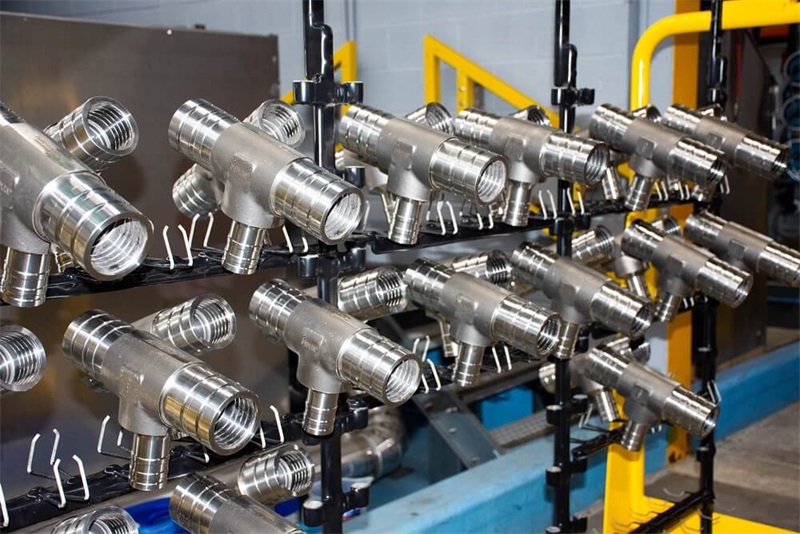
For assemblies with multiple plastic and metal components, rapid tooling also works well with secondary operations. TEAM Rapid’s broader manufacturing capability in CNC machining, finishing, assembly, packaging, procurement support, and direct shipping helps when the launch needs more than molded parts alone. That is particularly useful for small OEM teams that do not want to manage separate suppliers for molded housings, machined inserts, finishing, and fulfillment.
Injection Molding Rapid Tooling Customization, OEM Support, and Design Changes
Injection molding rapid tooling is especially powerful for OEM and custom manufacturing programs because it gives engineering teams a controlled way to refine the part before the long-life tool is locked. In custom manufacturing, the cost of getting the first tool slightly wrong is rarely the machining bill alone. The bigger cost is delayed launch, repeated approvals, and unstable assembly performance.
That is why rapid tooling is often paired with structured design change management. Features such as bosses, ribs, clips, threads, insert pockets, undercuts, and texture boundaries can be tested with real molded parts, then adjusted with less risk than a full-scale hardened production tool. At TEAM Rapid’s Zhongshan facility, engineers typically review gate location, ejection strategy, draft angles, wall transitions, and texture feasibility before recommending whether the program should stay in prototype tooling, move into P20, or step up to NAK80 or S136.
Customization options are one of the strongest reasons to use injection molding rapid tooling early. TEAM Rapid supports insert molding, overmolding, clear plastic molding, silicone rubber molding, and threaded components. Those capabilities are particularly useful for OEM programs that require:
- Soft-touch grips over rigid substrates
- Metal insert retention in plastic housings
- Transparent windows or lenses with optical-grade polish
- Brand-specific textures, engraved logos, pad printing, or laser marking
In practical terms, rapid tooling also helps manage engineering change orders. If a customer learns that the snap fit is too stiff, the clear cover shows flow lines, or the boss needs more pull-out strength, the design can be adjusted before scaling to larger production volumes. This is one reason experienced sourcing consultants recommend rapid tooling for first-generation products, regional launches, and applications where the user experience is still being tuned.
Another overlooked benefit is operational customization after molding. TEAM Rapid can extend support beyond the molded part into assembly, contract packaging, kitting, blister packaging, clamshell sealing, poly bagging, shrink filming, procurement support, and direct shipping. For OEM buyers, that reduces the number of supplier handoffs between tooling approval and customer delivery.
When customization is planned from the start, injection molding rapid tooling becomes more than a speed tool. It becomes a risk-management tool that lets the product mature without slowing the launch.
Sourcing Injection Molding Rapid Tooling From China Without Quality Risk
Injection molding rapid tooling sourced from China can offer excellent speed and economics, but only when the supplier is evaluated on engineering depth, communication quality, and process control, not on price alone. A mold that arrives cheaply but fills poorly, warps the part, or lacks documentation is not a saving. It is a delay.
China remains a strong sourcing base for rapid tooling because it combines toolmaking capacity, resin availability, finishing resources, and export experience. The best results usually come from suppliers that can handle both in-house operations and coordinated secondary work. TEAM Rapid fits that model well through its Zhongshan factory in Guangdong, Hong Kong office, in-house tooling and machining capability, and integrated manufacturing resource network across China.
When reviewing a China supplier for injection molding rapid tooling, buyers should ask the same questions they would ask any top-tier manufacturer:
- Will the supplier provide a real DFM report before tooling release?
- What mold material and mold life assumptions are being quoted?
- How will critical dimensions be measured and documented?
- Can the supplier handle finishing, assembly, packaging, and direct shipping?
- What is the process for engineering changes after tool approval?
| Sourcing checkpoint for injection molding rapid tooling | What a qualified supplier should provide |
|---|---|
| DFM review | Wall, draft, gate, vent, sink, warp, and ejection analysis before tooling |
| Tooling specification | Clear definition of MUD, aluminum, P20, NAK80, or S136 tool route |
| Quality control | First-article inspection, ongoing QC plan, and critical-dimension review |
| Documentation | Material confirmation, revision tracking, inspection records as required |
| Export support | Packaging plan, labeling, shipment coordination, and delivery communication |
Quality systems matter here. TEAM Rapid is ISO 9001:2015 certified, which is a strong baseline for controlled manufacturing and document flow. Buyers comparing suppliers can review the broader ISO 9001 quality management guidance to understand why consistent process control matters even on short-turn tooling programs.
For complex geometry, I also recommend asking how the supplier verifies critical features. Not every dimension needs advanced metrology, but high-risk features should have a defined inspection method, whether by calibrated hand tools, fixtures, optical measurement, or CMM-based checks when geometry demands it. Good injection molding rapid tooling suppliers will explain how they inspect, not simply say that they inspect.
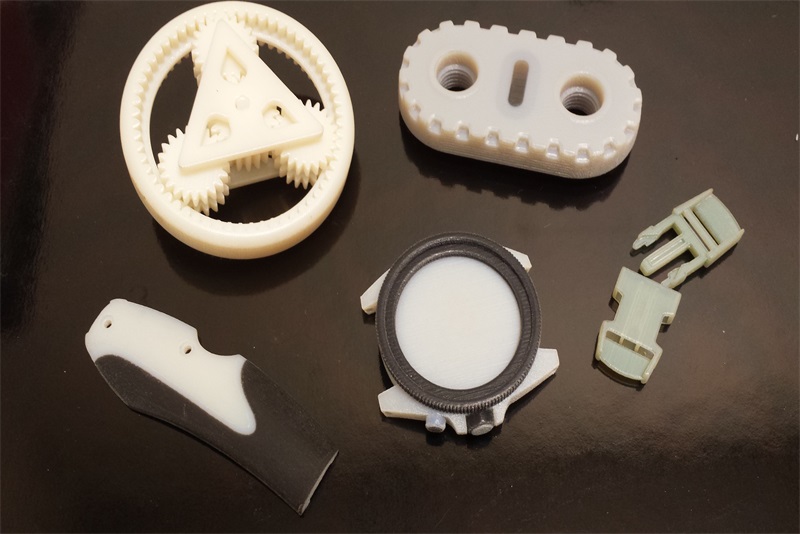
The best sourcing decision is usually made before the PO is issued. If the supplier can explain the tool path, likely risks, and inspection plan clearly, the launch usually moves much faster.
Why Choose TEAM Rapid for Injection Molding Rapid Tooling Projects
Injection molding rapid tooling only works as a launch accelerator when the supplier can move from design review to finished parts without creating new uncertainty. That is where TEAM Rapid stands out. The company is not just a mold builder or a molding shop. It is a one-stop rapid manufacturing partner that supports custom parts from early prototyping through low-volume and volume production.
For buyers evaluating suppliers, TEAM Rapid offers several advantages that matter in real programs: quick response within a few hours, one-to-one engineering support, 10+ years of manufacturing experience, customers in 25+ countries, 500+ satisfied customers, and 6,000+ delivered projects. More importantly, those strengths are connected to operational capability: in-house machining, tooling manufacturing, molding, finishing, assembly, packaging, procurement support, limited warehousing, and direct shipping.
The practical reasons companies choose TEAM Rapid for injection molding rapid tooling include:
- Mold strategies that fit the stage of the project, from MUD inserts to aluminum and steel tools
- Broad resin capability including ABS, PC, PP, PA/Nylon, POM, PEEK, TPU, TPE, and silicone
- Detailed DFM and manufacturability analysis before tooling release
- Standard molding tolerances around ±0.05 mm with tighter control on key features where feasible
- Fast turnaround for rapid prototyping in 2-8 days and tooling plus first articles in 5-25 days
- ISO 9001:2015 quality control with full inspection and specification-focused production
- Competitive pricing that can be significantly lower than Europe and America
- Turnkey support from molded parts to finishing, assembly, packaging, and logistics
This matters because fast launches rarely fail from one big mistake. They fail from small disconnects between design, tooling, molding, finishing, and delivery. TEAM Rapid reduces those disconnects by keeping engineering support close to production and by serving both Asian and Western business cultures with clear communication.
For teams ready to move, the most productive next step is to share 3D data, target resin, annual volume, finish expectation, and delivery timing through the request a free quote page. That gives the engineering team enough information to recommend the right injection molding rapid tooling path without overbuilding the first tool.
Injection Molding Rapid Tooling FAQ
Injection molding rapid tooling raises the same practical questions in almost every launch program: how fast it is, how much it costs, what materials it supports, and when it makes sense to upgrade to a full production tool. The answers below address the most common purchasing and engineering concerns.
What is injection molding rapid tooling?
Injection molding rapid tooling is a fast-turn mold strategy used to produce real molded plastic parts for design validation, pilot runs, bridge production, and early launch. It normally uses MUD inserts, aluminum molds, or pre-hardened steels instead of a fully optimized high-cavitation long-life production tool. The goal is to shorten lead time, reduce initial capital exposure, and get production-intent parts into testing and market review sooner.
How fast can injection molding rapid tooling deliver first parts?
Injection molding rapid tooling can usually deliver first molded parts in days or a few weeks rather than the longer timelines associated with complex conventional tooling. At TEAM Rapid, rapid tooling plus first articles typically runs 5-25 days, depending on part size, resin, finish, and mold complexity. If the project still needs very early geometry confirmation before molding, teams often start with prototype parts in 2-8 days and then move into molded validation.
What materials work best for injection molding rapid tooling?
Injection molding rapid tooling works well with a wide range of production resins, including ABS, PC, PP, PA/Nylon, POM, TPU, TPE, and even higher-performance materials such as PEEK where the tool route is planned correctly. TEAM Rapid also supports clear plastic molding, silicone rubber molding, insert molding, and overmolding. Material choice should always be tied to performance needs such as impact strength, temperature resistance, wear, chemical exposure, and cosmetic finish.
How much does injection molding rapid tooling cost compared with full production tooling?
Injection molding rapid tooling usually costs less upfront than a full hardened production mold because the tooling is optimized for speed, lower cavitation, and shorter launch-stage volumes. The exact price depends on part size, geometry, resin, surface finish, slide requirements, insert count, and expected tool life. In sourcing practice, the right comparison is total launch cost, not tool cost alone, because rapid tooling can prevent expensive redesigns and reduce the risk of overinvesting before demand is confirmed.
Is injection molding rapid tooling suitable for bridge production and low-volume manufacturing?
Yes. Injection molding rapid tooling is often ideal for bridge production, controlled launches, regional rollouts, aftermarket parts, and low-volume manufacturing where annual demand is still uncertain. Many buyers use it to cover the period between design validation and full-scale production. Suppliers such as TEAM Rapid can often support quantities from around 100 parts to 100,000+ parts, depending on the chosen mold type and the long-term production strategy.
How do I choose a China supplier for injection molding rapid tooling?
Choose a China supplier for injection molding rapid tooling based on DFM capability, tooling transparency, quality systems, communication speed, and downstream support, not only on quoted mold price. Ask for the recommended mold material, the reason for that recommendation, expected tool life, critical-dimension inspection plan, and packaging or shipping approach. TEAM Rapid is a strong option for buyers who want fast engineering feedback, ISO 9001:2015 process control, and a one-stop workflow that covers tooling, molding, finishing, assembly, and export support.
Content reviewed and updated: June 2026
