Injection Molding Products: Common Examples, Applications Across Industries, and Custom Parts
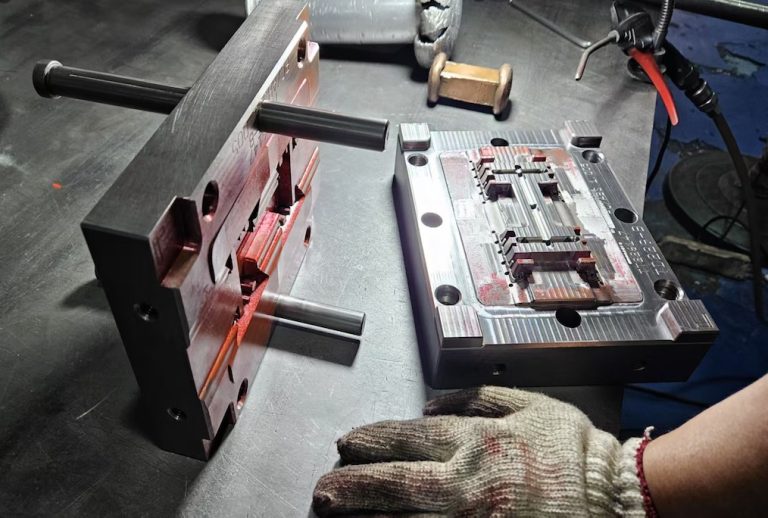
Injection molding is a widely used manufacturing process for producing plastic products and components in various shapes, sizes, and designs. It involves mold building and injecting molten plastic into a mold cavity, where the material cools and solidifies to form the desired part. From everyday household items to complex automotive and medical components, injection molding plays an important role in modern manufacturing.
Manufacturers use different types of thermoplastic and thermosetting materials to produce injection molding products for a wide range of applications. In this guide, we will explore common injection molding products, their applications across different industries, and the advantages of using injection molding for plastic part production.
The Advantages of Injection Molding in Manufacturing
Plastic injection molding offers several advantages for manufacturing parts and components. Its versatility, repeatability, and production efficiency make it suitable for both simple and complex plastic products.
Here are some key advantages of injection molding:
A Wide Variety of Materials and Colors
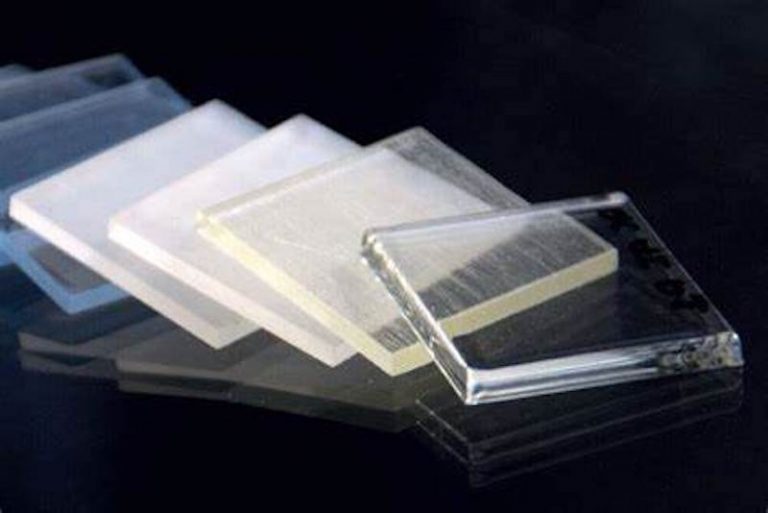
Injection molding supports a wide range of plastic materials, including ABS, PP, PC, PE, PA, POM, and PMMA. Each material offers different properties, such as impact resistance, chemical resistance, flexibility, transparency, and heat resistance.
Manufacturers can also produce parts in different colors by using color masterbatch, pigments, or pre-colored materials. This flexibility allows them to meet different product performance and appearance requirements.
Production of Complex Geometries
Injection molding allows manufacturers to produce plastic parts with complex shapes and detailed features. These may include ribs, bosses, snap-fit connections, undercuts, and thin walls.
With proper mold design, manufacturers can produce multiple features in a single molding cycle. This reduces the need for additional machining and assembly operations.
Fast and Repeatable Production
Once the injection mold is ready, manufacturers can produce large quantities of identical plastic parts through repeatable molding cycles.
Compared with CNC machining, injection molding can offer shorter production cycles and lower unit costs for medium- and high-volume plastic parts. However, the initial mold investment and production quantity should be considered when choosing between these manufacturing methods.
Efficient Material Usage
Injection molding can produce parts with relatively little material waste compared with subtractive manufacturing processes.
Some production waste, such as sprues, runners, and rejected parts, may be reground and reused in suitable applications. However, the reuse ratio depends on the plastic material, product specifications, and quality requirements.
Common Injection Molding Products and Their Applications
Plastic injection molding is widely used to manufacture products and components for everyday life and various industries. From household accessories to complex automotive and medical components, manufacturers rely on injection molding to produce plastic parts with consistent dimensions, complex geometries, and different material properties.
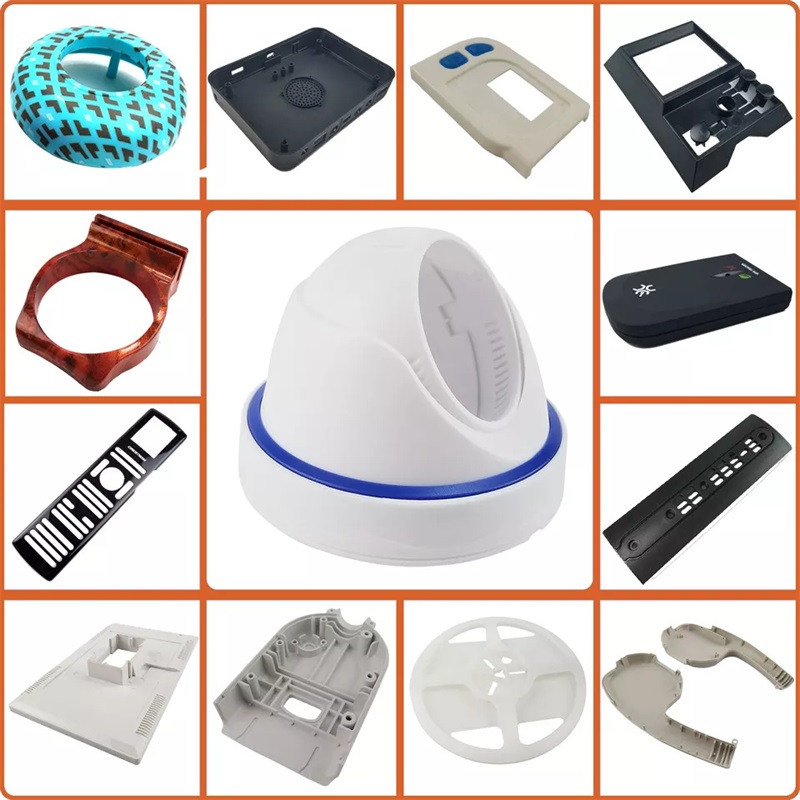
Here are some common injection molding products and their applications across different industries.
Consumer Products and Household Items
Many everyday consumer products are manufactured using injection molding. Examples include bottle caps, food storage containers, plastic boxes, kitchen accessories, storage racks, furniture fittings, and children’s toys.
Injection molding allows manufacturers to produce these products in different shapes, sizes, and colors while maintaining consistent quality in mass production.
Specialized processes such as overmolding can also be used to combine different plastic materials, such as rigid and soft plastics, to improve product functionality and appearance.
Electronic Products
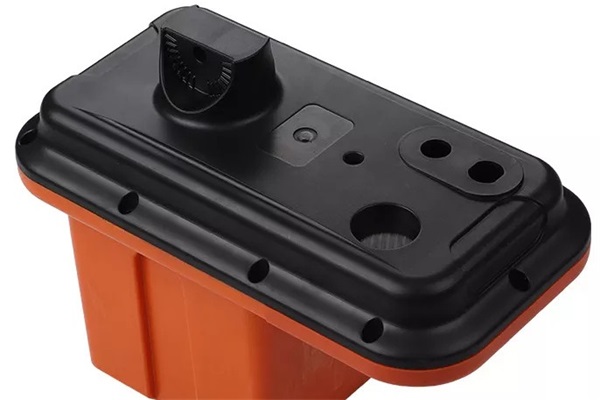
Electronic products often use injection-molded plastic housings and components to protect internal electrical parts.
Common examples include smartphone cases, laptop shells, television housings, speaker enclosures, game console covers, electrical connectors, and switch housings.
For electronic products that require metal inserts, manufacturers can also use insert molding to combine metal components with plastic parts in a single manufacturing process.
Automotive Components
The automotive industry uses injection molding to produce a wide range of interior and exterior plastic components.
Examples include dashboards, door panels, interior trim, air vents, bumper components, instrument panel housings, and electrical connector housings.
Injection molding allows automotive manufacturers to produce lightweight components with complex shapes and consistent dimensions. Different engineering plastics can be selected to meet specific requirements for impact resistance, heat resistance, and durability.
Medical Products and Components
Plastic injection molding is widely used in the medical industry to manufacture disposable and reusable products.
Common examples include medical trays, disposable containers, medical device housings, surgical instrument components, laboratory consumables, and diagnostic testing kit housings.
Depending on the application, manufacturers may select suitable medical-grade materials to meet requirements for strength, chemical resistance, cleanliness, and dimensional accuracy.
Construction Products and Hardware
The construction industry also uses various injection-molded plastic components in buildings, equipment, and installation systems.
Examples include plastic fasteners, electrical junction boxes, pipe fittings, insulation components, roofing accessories, construction tool housings, and mounting brackets.
These injection molding products offer advantages such as lightweight construction, corrosion resistance, and design flexibility.
Food and Beverage Products
Injection molding is commonly used to manufacture plastic products and components for the food and beverage industry.
Examples include bottle caps, food containers, storage lids, packaging components, and parts for food processing equipment.
For products that come into contact with food, manufacturers must select materials that comply with applicable food-contact regulations and requirements.
Commercial and Retail Products
Injection molding is also widely used in commercial and retail environments.
Common examples include supermarket display racks, product holders, store fixtures, point-of-sale equipment housings, and promotional product components.
These products often require attractive appearances, consistent dimensions, and economical production costs.
Exercise Equipment and Sports Accessories
Many exercise equipment components are also manufactured using injection molding.
Examples include equipment covers, adjustment knobs, handles, protective housings, control panel enclosures, and plastic accessories for fitness equipment.
Manufacturers can select different plastic materials and surface finishes to meet the mechanical and appearance requirements of these products.
Need Custom Plastic Parts in Small Quantities Without High Investment
Want to turn your product idea into real plastic parts, but don’t need thousands of pieces? Perhaps you’re a startup, product designer, or R&D team looking to test a new product without spending a fortune on production tooling.
You don’t need to jump straight into mass production. Rapid tooling and low-volume injection molding allow you to manufacture custom plastic parts in smaller quantities with a more manageable initial investment.
Avoid Expensive Production Molds
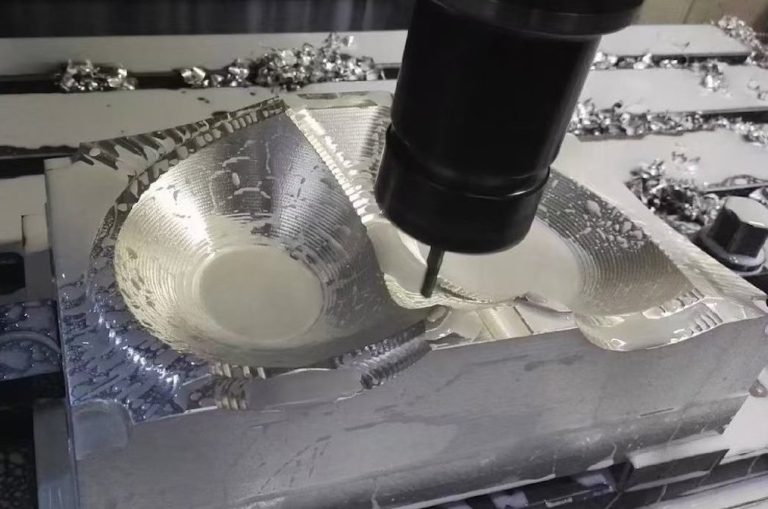
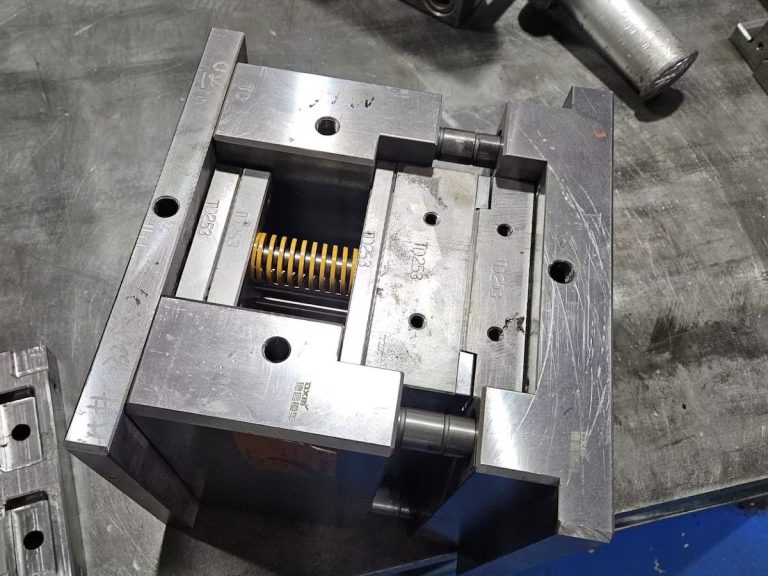
Why invest in a complex, high-cost production mold when you only need a few hundred parts? Rapid tooling offers a more economical approach. Depending on your project, manufacturers can use aluminum or suitable steel molds and simplify mold structures to reduce initial tooling costs.
Order Only What You Need
Whether you need 50, 100, 500, or 1,000 plastic parts, low-volume injection molding gives you more flexibility. You can manufacture small batches for product testing, initial sales, customer evaluation, or market validation without committing to mass production.
Get Real Injection-Molded Parts
Unlike 3D-printed prototypes, injection-molded parts can be made using your intended production materials, such as ABS, PC, PP, PA, and POM. You can evaluate actual material performance, fit, assembly, surface finish, and functionality before scaling up.
Need More Than Standard Plastic Parts? Try Insert Molding and Overmolding
Some custom products require more than a single plastic material. For example, you may need metal threads, stronger connections, soft-touch surfaces, or better product grip.
Two specialized injection molding processes can help:
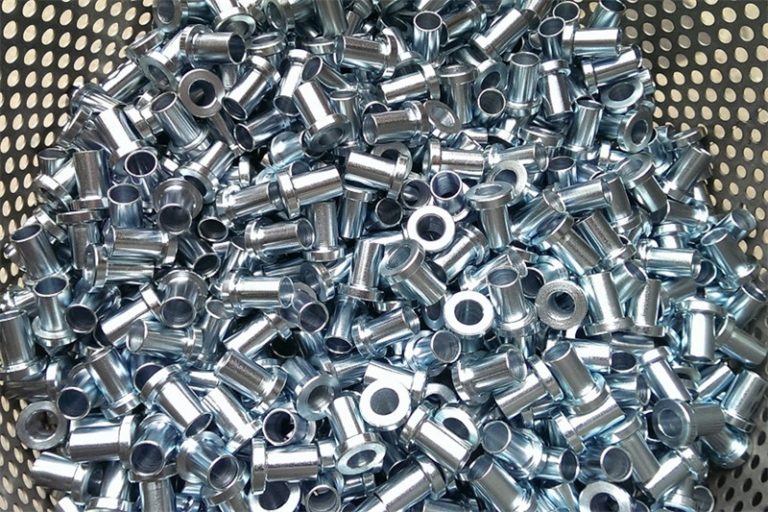
- Insert Molding: Metal inserts, threaded bushings, pins, or other components are placed into the mold before plastic is injected around them. This creates a combined metal-and-plastic component and can reduce secondary assembly operations.
- Overmolding: One material is molded over another, such as soft TPE over a rigid ABS or PC base. It is commonly used for ergonomic handles, grips, protective covers, and products requiring multiple material properties.
Both processes allow you to develop more functional and customized products while reducing separate assembly steps where appropriate.
Scale Up When You’re Ready
As your business grows and demand increases, you can move from prototype tooling to low-volume production, bridge production, and eventually mass production. You can invest in more durable production tooling when your order quantities justify it.
At TEAM Rapid, we help turn product ideas into real plastic parts without requiring you to start with mass production. Whether you need standard injection molding, insert molding, overmolding, or a small production batch, our team can help you find a suitable manufacturing solution.
Conclusion
Injection molding is one of the most widely used manufacturing processes for producing plastic products and components. From everyday household items to automotive, medical, electronic, and construction applications, injection molding offers excellent design flexibility and repeatable production quality.
For companies that need custom plastic parts, choosing the right tooling strategy is also important. Traditional production tooling is suitable for larger quantities, while rapid tooling and low-volume injection molding offer practical solutions for prototypes, small batches, and bridge production.
Are you looking for a reliable injection molding manufacturer for your custom plastic products? Contact TEAM Rapid to discuss your project and get a manufacturing solution that meets your requirements.