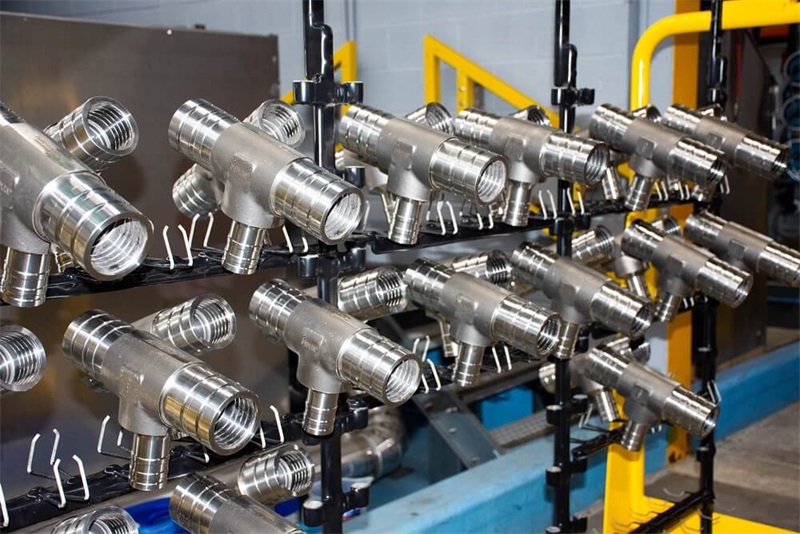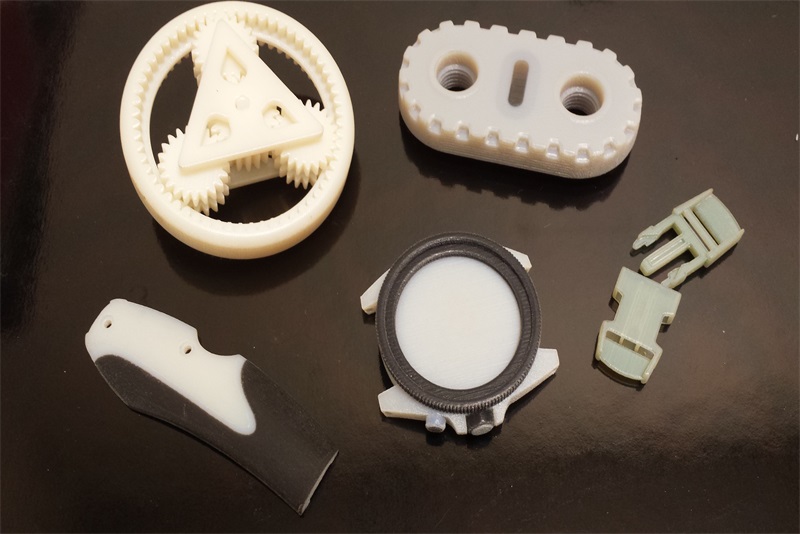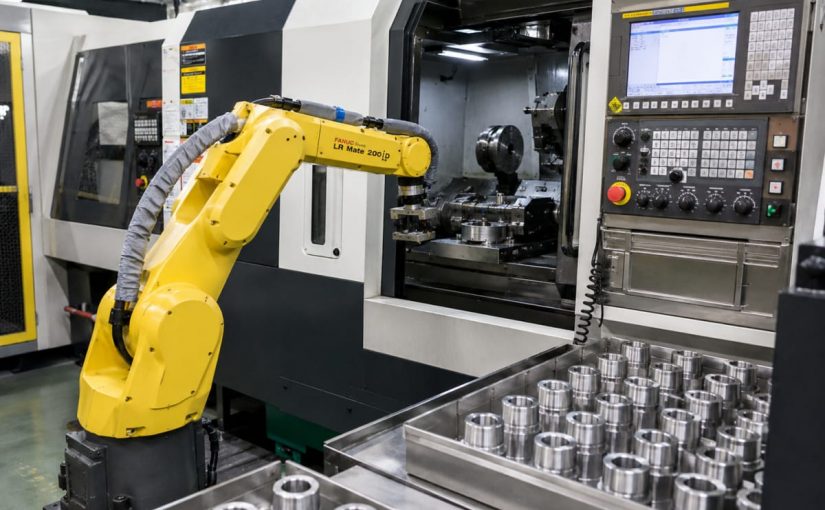
Types of Thread Taps: Essential for Metalworking

Thread taps are tools for machining internal threads. There is a wide variety of them, and different types of thread taps are suitable for different machining requirements. Good news! Here is a detailed introduction to various types of thread taps for you.

Classification of Types of Thread Taps by Machining Process

The material characteristics of the workpiece often directly determine the choice of the tap machining process. On materials with good ductility like aluminum alloy, forming taps can create dense and chip-free threads. When dealing with brittle materials such as cast iron, the rigid structure of straight-flute cutting taps can better play its advantages. Choosing the right process is like tailoring clothes to fit the body. It is necessary to balance the material hardness, thread accuracy, and machining efficiency.

Cutting Taps

  • Straight-Flute Taps: This is the most common type of cutting tap, with a straight-flute groove shape. It is simple to manufacture and easy to ensure accuracy. It is suitable for machining through-hole and blind – hole threads in various materials. When working with malleable metals, accumulated chips can interfere with cutting operations by jamming between the tool and the workpiece.
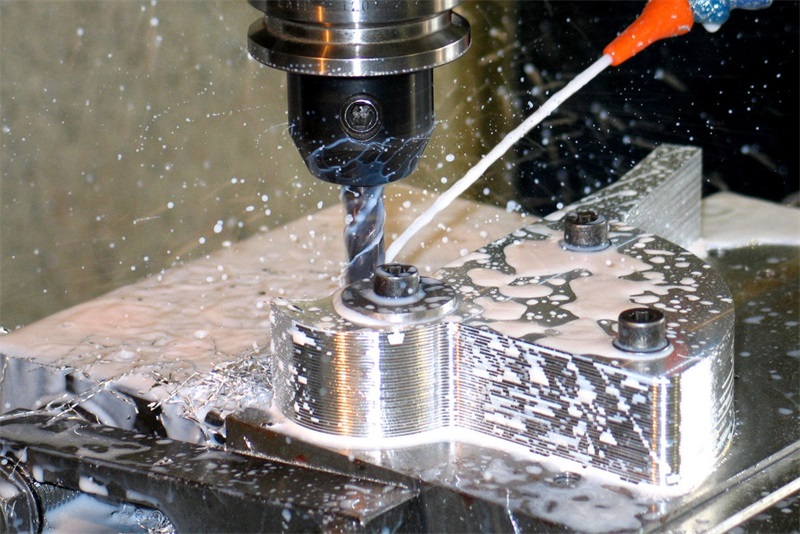
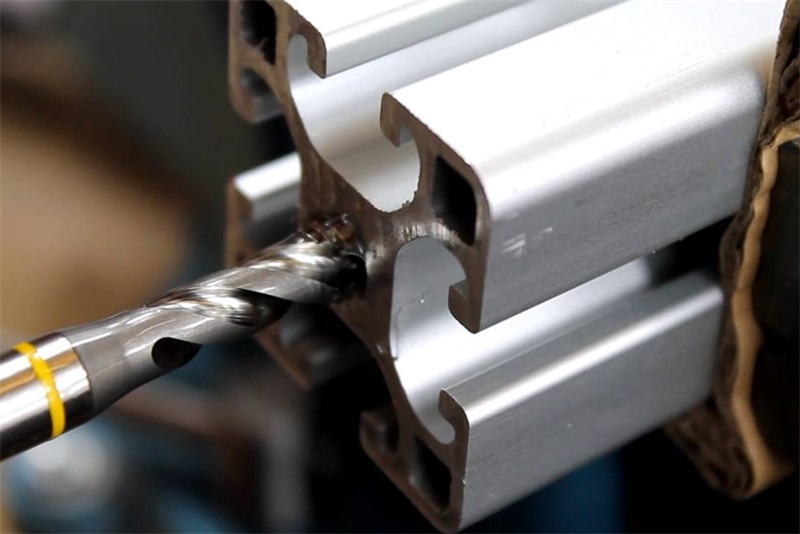
  • Spiral-Flute Taps: Spiral-flute taps feature spiral grooves, which manufacturers categorize into left-hand and right-hand types based on the direction of the spiral groove. Manufacturers design right-hand spiral-flute taps specifically for machining through-hole threads. During the tapping process, the spiral groove discharges chips forward, preventing blockages in the hole and significantly enhancing machining efficiency and thread quality. In contrast, manufacturers typically use left-hand spiral-flute taps for machining blind-hole threads. In this case, the spiral groove discharges chips upward, effectively avoiding chip accumulation at the bottom of the hole and ensuring smoother operations.
  • Taps with Relief Angle: The cutting edge of a tap with a relief angle has an inclined angle with the axis of the tap. The advantages of this type of tap are stable cutting, and smooth chip evacuation, which can effectively reduce the cutting force and vibration and improve the surface quality of the thread. You can see them when machining high-precision threads and difficult-to-machine materials.

Forming Taps

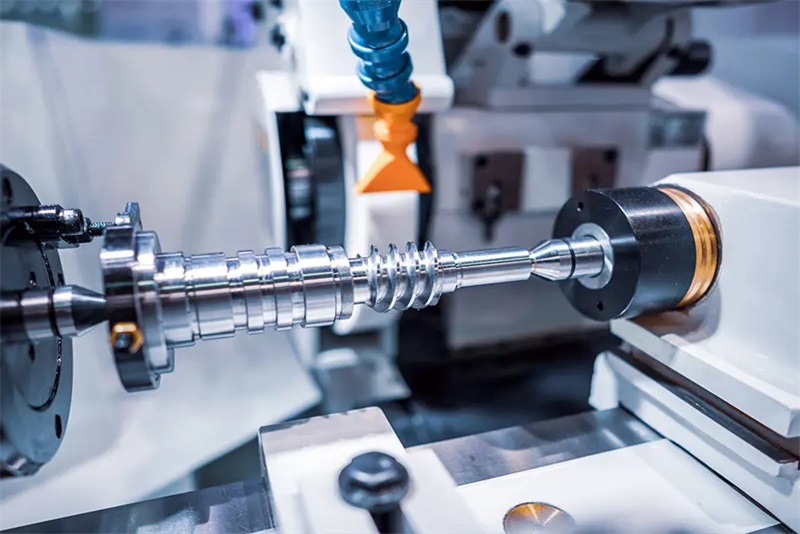
Forming taps create threads through the plastic deformation of the metal material, instead of relying on cutting methods. Unlike traditional cutting tools, these taps don’t have cutting edges or chip pockets. Instead, they feature a unique tooth shape on their surface. When forming taps are used to machine threads, the resulting threads boast high precision and low surface roughness. Moreover, the metal fibers remain continuous, which contributes to a higher strength of the threads. These forming taps are particularly suitable for machining materials with good plasticity, like aluminum alloy, copper alloy, and low-carbon steel.

Classification of Types of Thread Taps by Thread Profile

The differences in thread profile standards are a microcosm of a century of industrial development. Metric threads, with the advantage of decimal conversion, have become the common language of modern manufacturing. Some oil drill pipes still use the imperial API thread standard, which is the result of historical evolution and industry norms. A slight 5 – 5-degree difference in the thread profile angle often determines the sealing grade and load-bearing capacity of the thread pair.

Metric Taps

Metric taps create internal threads with that universal 60° V-shape – the workhorse profile behind ISO standardization. Their millimeter-based pitch system outshines imperial measurements for precision engineering. Consider M30 bolts using 3mm fine threads versus M6’s 1mm pitch – each calibrated for specific load requirements. You’ll find these threads anchoring skyscraper steelwork, securing power plant turbines, and even in your coffee maker’s gears. Aerospace applications particularly benefit from standardized pitch-diameter ratios that prevent mechanical failures.

Imperial Taps

Manufacturers use imperial taps to machine imperial threads. They create threads with a profile angle of 55° and express the pitch as the number of threads per inch. Today, imperial threads are still used in some traditional machinery manufacturing industries and for the maintenance of certain imported equipment.

Pipe Thread Taps

  • Straight Pipe Thread Taps: You will see these taps when machining straight pipe threads. The thread profile angle of such threads can be either 55° or 60°. They play a vital role in connecting different piping systems, like the water pipes that supply water to our homes and the air pipes used in various industrial setups. A key feature of straight pipe threads is the snug fit of the thread pair. This tight fit serves as an effective barrier, preventing fluid from leaking out.
  • Taper Pipe Thread Taps: Manufacturers design taps for taper pipe threads to produce threads with a specific taper of 1:16. These taps feature two types of thread profile angles: 55° and 60°. When making a connection, as one gradually tightens the threads, the fit of the taper pipe threads becomes increasingly snug. Therefore, they are often used in pipe connections where high sealing standards are necessary, such as in pipeline installations in the petroleum and chemical industries, where any leakage could have serious consequences.

Classification of Types of Thread Taps by Purpose

From the repair toolbox in a street hardware store to the automated production line in an automotive factory, the application scenarios of taps have shaped their morphological characteristics. The anti-slip knurling on the square shank at the end of a hand-held tap and the driving flats ground on the shank of a machine-held tap. These seemingly ordinary design details are actually the crystallization of decades of repeated optimization by engineers for different working conditions.

Hand-Held Taps

Hand-held taps are usually supplied in sets. Firstly, a set typically includes either two or three taps, referred to as the first tap, the second tap, and the third tap. The first tap boasts a particularly distinctive feature in its cutting part. Specifically, it is longer than the others and features a smaller cone angle. This allows the tap to penetrate smoothly into the workpiece, thus ensuring a more efficient and precise start to the threading process. Furthermore, the cutting parts of the second and third taps gradually become shorter, while their cone angles progressively increase. You can use these taps to further expand and finalize the thread. Lastly, hand-held taps are primarily used for manual tapping and are ideal for small-batch production, repairs, or situations where machining equipment is unavailable.

Machine-Held Taps

Machine-held taps are used for machining threads on machine tools. However, compared with hand-held taps, machine-held taps have higher accuracy and better cutting performance and can meet the requirements of high speed and high – efficiency machining.

Nut Taps

Nut taps are specifically designed to machine the internal threads of nuts. Since the production volume of nuts is usually large, the design and manufacture of nut taps pay more attention to improving machining efficiency and service life. To improve production efficiency, nut taps often adopt a multi-start thread design, that is, there are two or more thread lines on the tap. One tapping stroke can machine multiple thread teeth at the same time, greatly shortening the machining time.

Special Taps

For certain specialized machining needs, a variety of unique taps are utilized. One notable example of this is the use of taps specifically designed for challenging materials, such as superalloys and titanium alloys. In order to meet these demanding requirements, these taps often incorporate advanced tool materials and coating techniques. Consequently, they are able to enhance their durability and cutting efficiency.

Professional Customization: Making Precision Machining More Efficient

In actual production scenarios, no matter which type of thread tap is chosen, the accuracy, durability of the tool, and compatibility with the material directly affect the machining efficiency. For enterprises that need to customize non-standard taps or special thread machining tools, it is particularly important to choose an experienced and responsive supplier.

Team Rapid Tooling has been actively engaged in the field of precision manufacturing for over ten years. Its core services include:

FeatureDescription
Customized Types of Thread taps and ToolsSupports the rapid design and production of special thread specifications.
Quick Response AbilityProvides technical solutions and quotes within 24 hours. Completes sample delivery within 5-7 days to meet the needs of urgent orders.
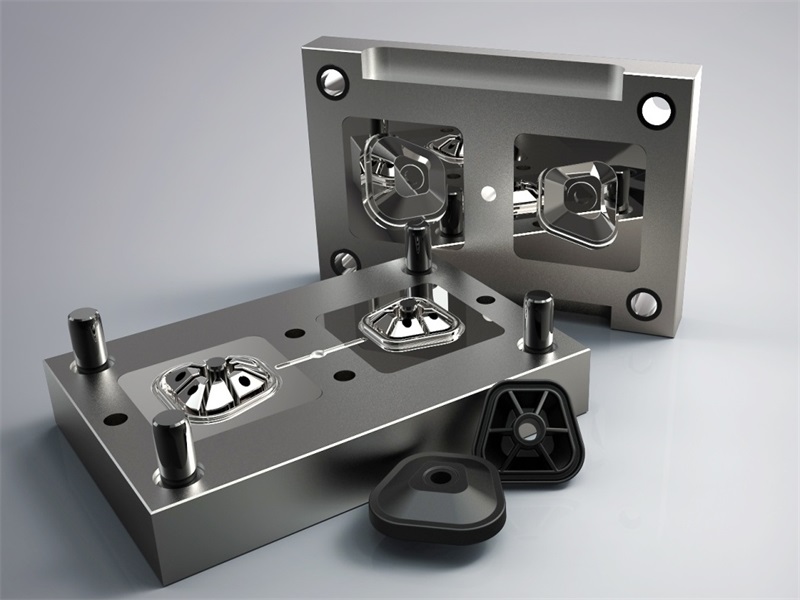
Full Industrial Chain SupportCovers from injection molds.

If you are looking for a cost-effective custom thread machining service, you can come to Team Rapid Tooling to obtain detailed technical information and case references.

Top 3 Common Types of Injection Molding Technology

The manufacturing industry is developing faster and faster, and injection molding technology is also “raging” along the way. This technology is amazing, fast, and accurate, and can make all kinds of products. Whether it is plastic, metal, or ceramic, as long as it can be shaped according to the appearance of the mold, it can be processed. There are so many types of injection molding technology that can be used in so many different places. What types types of injection molding technology do they have and how do they work? Let’s take a look today.

Common Types of Injection Molding Technology

Plastic Injection Molding: Most Common Type of Injection Molding Technology

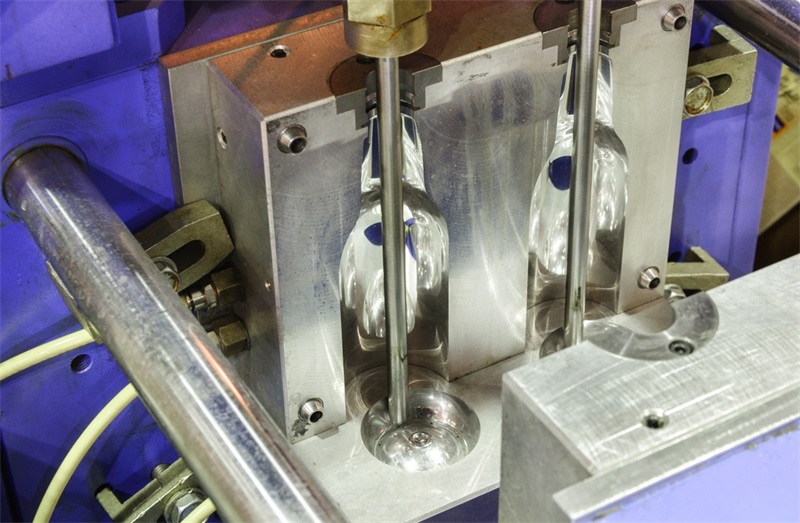
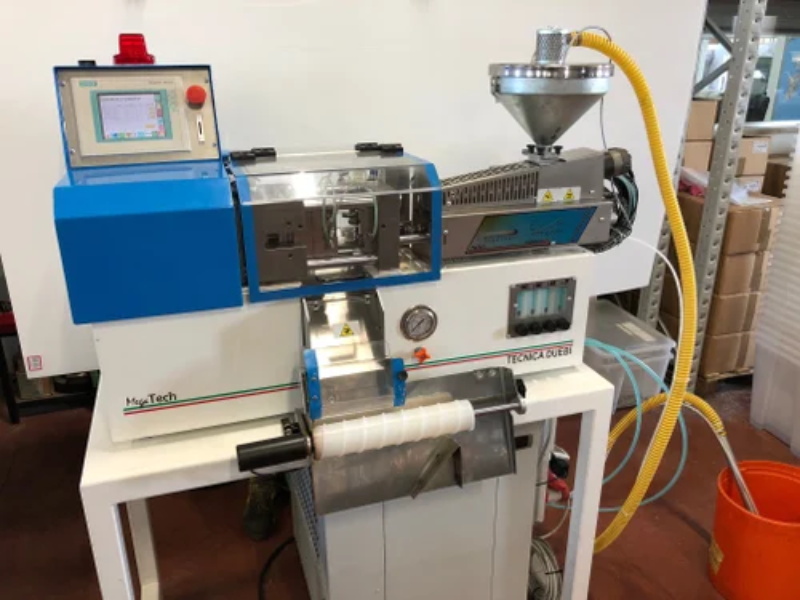
The injection molding plastic type is the common of all the types. As the name infers, the plastic injection moulding technology deals with thermoplastic or thermosetting polymer. Because thermoplastics can melt and reshape many times, such as ABS, PP, and PC, they are widely used. This technical step is not very complex in its course. Firstly, the plastic particles melt in the heated bucket. After that, by the function of a reciprocating screw, the plastic at high pressure pushes into the mold cavity. After these materials cool and cure, the parts we want can be ejected. This method is suitable for large quantities of consumer goods such as plastic bottles, toys, and electronic product shells.

Metal Injection Molding (MIM)

Metal injection molding combines the design versatility of plastic injection molding with the metal’s durability and characteristics. In this process, manufacturers mix fine metal powder—typically stainless steel, titanium, or nickel alloy—with a binder to create a feedstock. Next, they inject this material into a mold. After injection, the parts undergo degreasing to remove the binder, followed by sintering to fuse the metal particles into solid, dense components. As a result, this method is widely used in industries such as medical, automotive, and aerospace to produce high-precision parts, including surgical tools and turbine blades.

Ceramic Injection Molding (CIM)

Ceramic injection molding involves blending ceramic powder with a binder and injecting the mixture into a mold. The ceramic powders used can include materials such as alumina, zirconia, or other ceramic compounds. This process shares similarities with metal injection molding, as both methods involve injection, followed by a degreasing step to remove the binder, and then high-temperature sintering to achieve dense ceramic components. This technique is commonly employed to produce ceramic parts for electronics, such as substrates and insulators, as well as high-performance components for industrial machinery.

Specialized Injection Molding Techniques

In addition to the above common injection molding technology types, there are some specialized injection molding technologies in actual production, which further expand the application range of injection molding for specific product needs.

Gas-Assisted Injection Molding

When it comes to gas-assisted injection molding, we need to inject a certain amount of molten plastic into the mold, and then inject an inert gas (often nitrogen) into the core of the part. The gas forms hollow channels inside the parts, which helps reduce material usage, increase part strength and improve surface finish. If you want to produce large plastic parts, such as car bumpers and furniture parts, gas-assisted injection molding comes as a wise option!

AdvantagesDisadvantages
Reduced material consumptionRequires specialized equipment for gas injection
Improved part strengthComplex mold design
Enhanced surface finishHigher initial setup cost

Overmolding

Encapsulation molding is the injection molding of two or more different materials on the base substrate in turn. For example, in production, a rigid plastic base can be coated with a soft elastomer to provide a better grip or rubber seal. This method is ideal for manufacturing tool handles, consumer electronics featuring soft-touch surfaces, and medical devices that need a blend of rigid and flexible materials.

Insert Molding

If we need to use insert injection molding, we need to place the pre-formed insert into the mold before injecting the molten material, so that the insert becomes an integral part of the final product. This method is widely used in the manufacture of electrical connectors, where metal terminals are embedded in plastic housings to ensure reliable electrical connections.

Applications of Types of Injection Molding Technology

Injection molding technology has a variety of types and unique advantages, and can be widely used in many industries.

IndustryApplications
AutomotiveProduces a wide range of components including dashboards, door panels, gearshift knobs, bumpers, and side mirrors. Gas-assisted for large hollow parts to reduce weight; metal injection for high-strength engine components.
ElectronicsManufactures product housings, connectors, small precision components. Plastic injection molding is dominant. Micro injection molding for tiny components like microswitches and IC sockets.
MedicalPlays a crucial role in producing sterile and biocompatible products such as medical tubing, seals, prosthetics. Liquid silicone for tubing and seals; metal injection for surgical instruments and implants.

Advantages of Injection Molding

Injection molding technology has significant advantages. These advantages make it occupy an extremely important position in the manufacturing industry and become the preferred process for the production of many products.

High Production Efficiency

Injection molding machines operate continuously, with cycle times from seconds to minutes, enabling efficient mass production and lower unit costs.

Complex Part Geometry

The technology excels at creating intricate parts with precise molds, producing detailed backdrops, internal cavities, and fine features.

Material Versatility of Different Types of Injection Molding Technology

It supports a wide range of materials, including plastics, metals, ceramics, and composites, allowing tailored material selection for desired product properties.

Factors to Consider When Choosing Types of Injection Molding Technology

When choosing the appropriate injection molding technology, we need to evaluate several critical factors, which may influence the final product quality, cost, production efficiency, and so on.

Material Properties:

  • The mechanical, thermal, and chemical requirements of the end product determine the manufacturer’s choice of material.
  • If you need high strength and heat resistance, you can usually choose metal or high-performance thermoplastics.
  • It is important to understand the melting point, viscosity, and shrinkage characteristics of the material.

Part Design Complexity:

  • Complex designs may require specialized skills. For example, multiple injection molding or gas assisted injection molding, this requires specialized technology.
  • In order to ensure that the parts can be filled and shot correctly, the manufacturer must consider factors such as mold inclination, wall thickness uniformity, gate and exhaust port location.

Production Volume:

  • Mass production is suitable for traditional plastic injection molding and other technologies. With mass production, automated production lines helps to achieve high efficiency and low unit costs.
  • If it is a small batch or prototype production, then more flexible methods such as 3D printing or low-pressure injection molding will be better.

Conclusion: Best Types of Injection Molding Technology for Your Project

If you understand the different types of injection molding technologies, their applications, advantages, and considerations, you can make informed decisions to optimize your production process to meet changing market demands. In today’s competitive manufacturing environment, it is essential to find a professional and reliable partner when you meet with many options for injection molding technology. TEAM Rapid Tooling is such a trustworthy partner.

TEAM Rapid Tooling takes pride in its advanced equipment and an experienced professional team. Whether it is plastic injection molding, metal injection molding or ceramic injection molding, as well as various special injection molding technologies, we have a deep understanding and rich practical experience. When you face different production batch requirements, TEAM Rapid Tooling can also provide flexible and efficient solutions.

Click now to start your cooperation journey>>>

Face Milling Explained: Essential Basics for You

What makes a workpiece completely smooth and usable for precision applications? Face milling, of course. This powerful machining process not only removes excess material but also creates surfaces that meet the highest precision and quality standards. So why is face milling so important in modern manufacturing, and how does it achieve such impressive results? Let’s read on to learn more.

What is Face Milling?

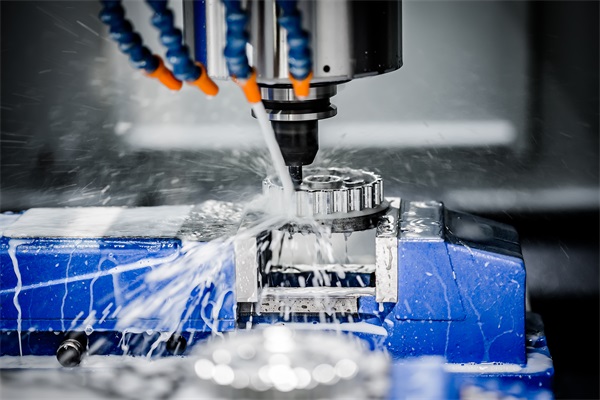
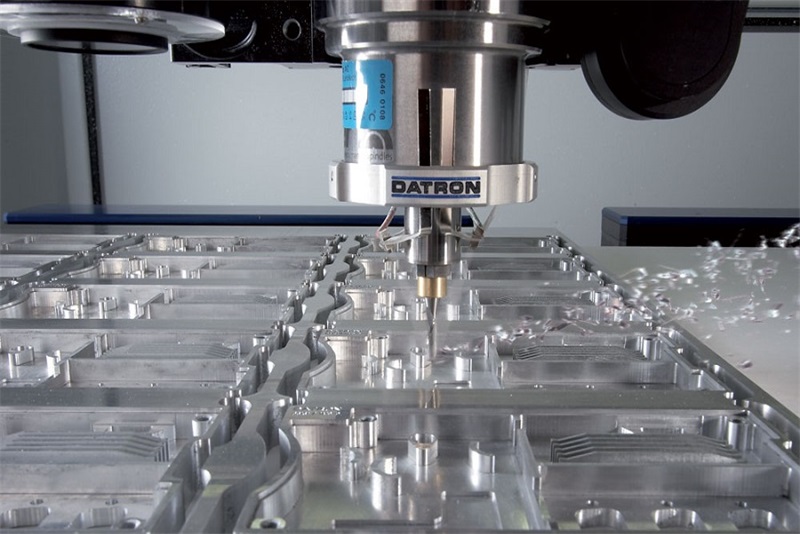
Face milling smooths a workpiece surface using machining centers or milling machines. Unlike traditional methods, the machine’s top, not the side, mills the vertically placed workpiece. It can be manual, requiring frequent stops to adjust the workpiece, or automatic, which offers steady feed speed and reduces errors.

Face Milling

Face Milling Process

Face milling consists of several steps, so let’s take a look at them.

Step 1: Fix the Workpiece

First of all, to firmly fix the workpiece to the machine table, we can use fixtures, vise or similar tools, which can allow the workpiece to be milling without disorderly movement. In addition, we need to check that the workpiece is stable and that it is properly aligned with the milling face.

Step 2: Align the Tool with the Workpiece

The second step is to align the workpiece and the cutting tool correctly. In this part, we can use some tools to help us better, such as dial gauges or other devices, such as alignment instruments. Next, adjustments are made until the cutting tool is located directly above the workpiece, ensuring that the surface of the workpiece is at the right Angle to the rotation of the cutting tool.

Step 3: Configure Milling Parameters

Next, in the third step, you need to adjust the control panel of the CNC machine tool by setting the spindle speed, feed speed, and cutting depth. These settings will vary based on the material being machined and the specifications of the tool. After configuring the parameters, it is important to test them on a sample to ensure they are optimized for efficient operation.

Step 4: Perform the Milling Operation

Finally, start milling. First, turn on the machine and slowly lower the tool so that the tool touches the surface of the workpiece. Because we have set the instructions, the CNC system will follow the programmed instructions, and the operator tool will move on the workpiece in an overlapping path to ensure that the entire surface is machined evenly.

Types of Face Milling Cutters and Their Uses

In face milling, we choose different types of tools according to the material to be removed, the desired finish and the characteristics of the workpiece. Here are some common types of face milling tools and their applications.

  • End Mills

End mills are adaptable and suitable for many tasks. They allow the surface finish to be smooth and precise, and we can create detailed designs using end mills. These tools perform well in both surface and side milling, so it is the first choice for general purpose machining.

  • Shell Mills

Shell mills can remove large amounts of material in a short amount of time. Because of the wide diameter of these tools, they are mainly used in roughing tasks, such as when machining larger workpieces that require stability and efficiency. Shell milling cutters are ideal for flattening large surfaces and preparing the workpiece for finishing.

  • Fly Cutters

Fly cutters feature a single cutting edge. Although its processing speed is slower, it is able to provide excellent surface quality. Fly cutters are practical and can be used on a variety of materials, and they are especially useful when machining smaller parts that require very smooth surfaces.

Key Applications of Face Milling

ApplicationDescription
Surface FlatteningThe main aim of face milling is to flatten the uneven or rough workpiece surface to create a uniform plane. This is crucial for providing a stable base for subsequent machining or obtaining a clean and polished final product.
Intensive Material RemovalThis method is frequently employed when there is a need to quickly and efficiently remove a large amount of excess material. Additionally, it is often used during roughing operations as a preparatory step to get the workpiece ready for more precise and finishing tasks.
Fine Finishing OperationsOften, this is the final step to create a smooth and high-quality finish. As a result, the process delivers a polished surface that looks good and works well.
Slot and Pocket MillingBy adjusting the toolpath, this milling process can be tailored for creating slots and pockets in the workpiece. This flexibility enables the manufacturing of not only flat surfaces but also specific internal features and details.
Machining of Large WorkpiecesFor large workpieces, heavy-duty face milling cutters work well to cover big areas. What’s more, shell mills help ensure even surfaces, making them ideal for parts like aircraft wings and car chassis.
Angular Face MillingBy adjusting the orientation of the face cutter, it becomes possible to create angled surfaces with ease. Additionally, this approach is particularly useful for forming angled features, such as chamfers or sloped surfaces, without requiring a different milling method.
Preparation for Secondary ProcessesFace milling is frequently employed as an initial step in the machining process to prepare the workpiece for further operations, such as drilling, end milling, or peripheral milling. Furthermore, producing a flat and even surface helps to reduce the complexity and precision requirements of the processes that follow.

Advantages and Disadvantages of Face Milling

Face milling offers many advantages, but it also has some challenges. You need to understand its advantages and disadvantages if you want to take advantage of it.

Advantages of Face Milling

Smooth Surface Quality: This method creates surfaces that are very smooth and polished, which is important for precision work, even low volumn manufacturing.
Efficient Material Removal: Face milling is capable of swiftly removing substantial amounts of material, which makes it extremely efficient.
Wide Range of Applications: It works well on a variety of surfaces and can handle many types of materials, making it a flexible option for machining.

Disadvantages and Challenges

Handling Chips: In the milling process, some materials will produce a lot of chips, especially materials that will form long and curly chips. Dealing with these chips can be tricky.
Tool Life Issues: Through a long time of use, the cutting edge will be worn, especially when processing hard materials, the wear will be more serious, so we need to replace the tool regularly.
Vibration Problems: If the machine setup is not stable, vibrations can occur. This may reduce surface quality and increase wear on the tools.

Face Milling Tools: Coatings and Materials

The material and coating of a face milling tool are crucial as they impact performance, durability, and efficiency, enabling effective handling of diverse machining tasks.

Tool Coatings

The coating applied to a face mill impacts its wear resistance, heat management, and overall performance. Below are two commonly used coatings and their characteristics.

CoatingBenefitsApplications
Titanium Nitride (TiN)It not only enhances hardness and improves wear resistance, making the material more durable, but it also minimizes friction. Also, it helps to reduce heat buildup during machining, which ensures a smoother and more efficient operation.Ideal for machining at high speeds and handling hard or challenging materials.
Diamond CoatingIt is extremely durable against wear and ideal for machining very hard and abrasive materials, such as composites.Costly, yet perfect for handling certain hard materials.

Tool Materials: Carbide vs. High-Speed Steel (HSS)

The material of a face milling cutter influences its strength, durability, and suitability for different operations. Below is a comparison of the two most common materials:

MaterialCharacteristicsUses
CarbideKnown for its high hardness and heat resistance. Excellent for high-speed and heavy-duty applications.Commonly used in high-end CNC machines where tool durability and efficiency are crucial.
High-Speed Steel (HSS)More affordable and versatile for moderate-speed operations.Ideal for easier tasks or when working with softer materials.

Advice on Best Practices for Face Milling

If you want to perform accurate face milling, you need to consider many factors, such as the right tool, the appropriate machining Settings, and so on.

Choose the Right Tool

The right tool increases efficiency and reduces tool wear. Therefore, it is first necessary to select a tool that matches the workpiece material, the required surface finish and the removal rate.

Maintain Tool Balance

Balanced tools reduce vibration and improve surface quality. If the tool is not balanced, it may wear out faster and affect the end result.

Use the Recommended Spindle Speed

During machining, if you use the correct speed, you can ensure smooth operation and extend tool life. Therefore, you should set the recommended spindle speed for the material and tool type.

Avoid Milling on Slots or Holes

Do not cut on slots or holes unless necessary. Doing so prevents the tool from deflecting and protects the tool and workpiece. In addition, careful planning of the path can help achieve better results.

Using CNC Automation

CNC machines provide better accuracy and consistency. They are ideal for large-scale production runs that require uniform quality.

Conclusion

Face milling is a significant machining technique that comes with its own unique features, benefits, and constraints. Therefore, gaining a thorough understanding of it and applying it correctly is crucial for achieving high-quality machining results.

If you are looking for a reliable partner to handle your face milling and other manufacturing needs, TEAM Rapid Tooling is an excellent choice for CNC machining China.

  • Advanced Equipment and Professional Team: TEAM Rapid Tooling is equipped with the most advanced machine tools and a team of highly skilled technicians. The team has extensive experience in face milling, and their careful operation ensures that the workpiece surface meets the highest accuracy and flatness standards.
  • Comprehensive Service Range: Our services are not limited to face milling. We offer many services, such as die casting for metal parts, CNC machining for precise and detailed forming and sheet metal machining. These comprehensive services streamline your production process, saving you time and effort.
  • Quality and Efficiency Focus: We have a strict quality control system to ensure that our products are of top quality. In addition, we constantly strive to optimize our manufacturing processes to improve efficiency.

Click on our website today and let us be your trusted ally in realizing your manufacturing visions and taking your projects to new heights.

Click to take your engineering business to the next level>>>

Types of Holes: A Comprehensive Overview

Holes play a crucial role in engineering design, as different types of holes serve various purposes in manufacturing and construction. To design, assemble, and manufacture them successfully, engineers must understand the characteristics and functions of these holes. This knowledge not only ensures accurate designs but also helps create efficient and reliable products.

Hole Characteristics in Engineering

Engineers usually categorize holes into two types: through holes and blind holes. Technical drawings use specific symbols, dimensions, and tolerances, like the diameter symbol “ø,” to mark holes.

Types of Holes

Machining these holes will use CNC drilling, stamping, and other technologies, if there are different design requirements, it is necessary to choose the appropriate processing technology according to the situation. The position, diameter, depth, and tolerance of the hole are key factors in determining the accuracy and quality of the hole machining, and the datum and reference ensure the exact position of the hole on the workpiece.

Different Types of Holes in Engineering

Each type of hole has its own specific use in different industries, such as manufacturing and construction. The use of a wide variety of holes in industry helps create accurate and efficient designs that make assembly work easier.

Simple Hole

A simple hole is a straight, round hole on the surface, and it has a regular circular opening. Furthermore, the hole can either pass through the material (called a through hole) or stop halfway (called a blind hole). Simple holes are primarily used for assembly or to create space. Additionally, their diameter symbol is “ø”.

Through Holes

A through hole is a hole that goes completely through an object. They are often used in machine assembly. For example, bolts or shafts can pass through these holes. In electronics, through holes can be applied to insert component pins into the circuit board, as this design ensures that the parts are firmly held in place and work properly.

Blind Holes

Blind holes are holes that cannot pass through the material, they stop at a certain depth of the material. These holes can be used in many fields. In a car engine block, for example, they can be used to hold small parts in place. In furniture manufacturing, blind holes can be used to insert pins. This creates a strong connection within the material.

Countersunk Holes

Countersunk holes feature a conical opening at the top. During machining, engineers use these holes to keep the screw or bolt head level with the surface. Furthermore, industries such as aerospace frequently rely on countersunk holes, for instance, to create smooth aircraft panels. Additionally, engineers use them to enhance the appearance of cabinets and minimize surface bumps.

Tapped Holes

Tapped holes are holes with internal threads, and these threads help to screw bolts or screws directly into the hole. Consequently, tapped holes play an important role in many mechanical structures. By using these holes, we can tighten components easily and safely; moreover, no additional nuts or parts are required.

Counterbored Holes

Counterbored holes have a wider section near the top, a design that allows the head of the screw or bolt to sit below the surface of the material. If a gasket is required, space can also be left for this. Counterbored holes are often used in heavy machinery where additional stability is required.

Spotfaced Holes

Engineers design spotfaced holes to create a flat, smooth surface around the hole. This design allows them to place bolts or washers properly, especially on uneven surfaces. Furthermore, engineers frequently use spotfaced holes in industrial applications that demand strong and stable connections.

Common Methods for Machining Types of Holes

Each of the different methods of machining holes has its own unique characteristics and unique advantages. Choosing the right machining method is very important because it guarantees the production of high-quality and precision holes.

CNC Milling

CNC milling is a very flexible machining method. This machining method uses many tools, such as drills, end mills, or fly mills, to create holes. The movement of the spindle can be carried out on multiple axes, and by this method, we can make complex hole shapes, even holes that are not circular. We can pre-program the instructions into the machine at the time of use, CNC milling can also perform several operations in one setting, for example, it can enlarge or reverse the hole. In addition, it can also add other features near or around the hole. Therefore, CNC milling is a very comprehensive choice when machining.

CNC Drilling

CNC drilling is specially made for round holes, and the holes vary in size and depth. To begin with, the design uses special software to ensure it adheres to appropriate geometric dimensions and tolerances (GD&T) rules. Once the design is converted into the correct format, the machine initiates the drilling process. With the right tools in place, the bit rotates and moves down into the material, which allows the holes to form quickly and efficiently. Furthermore, different rigs can handle various materials and hole requirements, showcasing strong versatility and effectiveness.

EDM Drilling

In general, melting materials will use the direct contact method, but this is not the case in EDM drilling, which uses a thin electrode wire in a dielectric solution to generate electrical sparks, which then hit the workpiece and melt the material. The final molten material forms a hole that matches the shape of the electrode wire. EDM drilling is ideal for machining extremely small holes, especially simple holes and curved holes. In addition, it can be used to process any conductive material, even if the material is very hard. This machining method is a popular choice for microporous machining.

CNC Tapping

CNC tapping plays a crucial role in machining threads in holes. Using this method, engineers rely on tap-and-die tools to create threads and fabricate various types of prefabricated holes. Additionally, CNC tapping enhances the hole’s functionality by processing the thread, enabling screws or bolts to be firmly installed for a secure connection. This process is particularly effective in ensuring better tightening of mechanical parts and other components, making it a widely used technique in precision engineering.

Pick the Right Type of Holes in Engineering Design

Choosing the right pass requires careful consideration of different factors so that we can avoid potential problems and at the same time ensure high-quality manufacturing results.

Use of Concern

First of all, engineers must carefully consider the purpose of a hole during processing. Is it intended to allow lubricant flow, fasten specific types of fasteners, seal joints, or simply enhance appearance? Each function aligns with a specific type of hole. By identifying the hole’s purpose, engineers can quickly narrow down the options and choose the most suitable type.

Size and Shape Matter

The size of the hole, including its diameter and depth, as well as its shape, is very critical. Are the holes round, rectangular, or irregular? We first have to think about the required shapes and sizes, etc., and then determine which type of hole can meet these size and shape requirements.

Consideration of Material Properties

The properties of the material are another important factor. High hardness or brittle materials will affect the processing process. We can machine the hole efficiently and accurately only when we use the right tools.

Matched Power Source

The power source of the machine is an important factor in the machining process. If the power is insufficient, it can cause problems, it can lead to machining errors, such as the size of the hole may be inaccurate or even blocked. The pass you need must match the performance of the existing machine and ensure that the machine and its power source can meet the design requirements.

Drilling Holes in Various Materials

Drilling holes in different materials requires specific techniques.

MaterialRecommended Drill BitDrilling Tips
ConcreteMasonry bitStart slow, apply steady pressure, and gradually increase speed.
MetalHigh-speed steel bitLubricate the bit during drilling to prevent overheating.
WoodSharp general-purpose drill bitClamp the wood firmly before drilling.
TileCarbide-tipped bitBegin at a slight angle and then straighten after making a small indentation.
Glass & Porcelain TilesDiamond-tipped drill bitKeep the work area wet to cool the bit and prevent cracking.

Key Factors in Machining Types of Holes and Their Assembly

Besides, in order to achieve precision machining of holes and ensure smooth assembly, it is necessary to understand some key factors such as fit, marking and tolerances.

Type of Fit

In mechanical devices where holes and shafts work together, the concept of “fit” is very important. Generally, there are three main types of coordination, each of which has a different purpose. This type of gap fit is common and refers to the type where the diameter of the hole is slightly larger than the diameter of the shaft. Assembly is easier because the diameter is slightly larger. An interference fit creates a very tight connection by making the hole’s diameter smaller than the shaft’s diameter. A transition fit balances gap fit and interference fit by combining their characteristics, offering a more balanced option.

Callouts for Type of Holes

Callouts for holes specify the size, shape, and position of holes. Additionally, notations provide annotations that include important measurement details. For instance, they indicate the diameter or depth of a hole. By using these annotations, engineers clearly communicate the exact requirements for a hole. This approach ensures that manufacturers create the hole precisely and fit it properly during assembly.

Machining Tolerance

The tolerance defines the range of variation allowed in the dimensions of the hole, such as the depth, diameter, Angle or roundness of the hole. Setting proper tolerances reduces machining errors and improves the consistency of the final product. Maintaining tight tolerances helps to improve the performance of the assembled parts, thus ensuring that all parts work smoothly together.

Conclusion: Best Manufacturer to Provide Types of Holes

The knowledge of holes in engineering has many aspects, all of which are closely related to each other and all of which are very important. With this knowledge, we can ensure the successful completion of all kinds of engineering and manufacturing projects, resulting in high-quality products.

Therefore, if your company is engaged in engineering related industries and would like to acquire more knowledge about hole machining and engineering manufacturing expertise and advanced technology, you can cooperate with TEAM Rapid Tooling! We will provide customers with professional technical support and high quality solutions. We also provide a wealth of industry information to help you keep abreast of industry developments.

In a word, we strive to help you improve your engineering processes, achieve greater success and create outstanding projects. Click on our website now to learn more and take your engineering business to the next level!

Click to acquire professional technical support>>

What’s Composite Material? Types, Benefits & Uses

Many industries are currently facing a common problem, which is that they need materials that are both strong and flexible, yet lightweight. Composite materials can solve this problem. They can combine the strengths of different materials to achieve better, more effective results. Composite materials are extensively utilized in industries such as aerospace, automotive manufacturing, and construction. What’s composite material?

These materials are formed by blending two or more distinct substances, each possessing its own unique physical or chemical characteristics. Consequently, when joined together, they create a new material with improved features. As a result, this new material might be stronger, lighter, or more resistant to forces compared to the original substances.

Are you curious about composite materials and their types? Let’s explore what makes these materials unique and how they are applied in various industries.

What’s Composite Material?

To create a composite material, engineers combine two different materials, each with its own unique properties. This combination results in a new material with characteristics not found in the originals. They design this new material to perform specific functions, like being stronger, lighter, or resistant to electricity. Additionally, composite materials can enhance both strength and stiffness.

Brief History of Composite Material

People started using composite materials many years ago in the past.As early as 3400 BC, Mesopotamians made the first man-made composite materials. They glue thin pieces of wood together at different angles to make a stronger plywood. Later, around 2181 BC, the ancient Egyptians made death masks. They used linen or papyrus and covered it with plaster. Both societies also added straw to reinforce other materials, such as mud bricks, pottery, and boats.

Around 1200 AD, the Mongols created a powerful compound bow. To make it, they combined several materials, including wood, tendon, horn, bamboo, bone, and silk. They used turpentine as glue to hold all the parts together, resulting in a highly effective weapon.

Modern Advancements in Composites

After the Industrial Revolution, synthetic resins became solid through the process of polymerization, which led to the production of various plastics in the 20th century. Leo Baekeland invented the phenolic resin, which was highly popular for its non-conductive and heat-resistant properties. In the 1930s, Owens Corning introduced glass fibers and pioneered the FRP (fiber reinforced polymer) industry. The resins made during that time developed strongly and are still in use today. Two years later, a stronger resin system emerged.

The Enduring Impact of Composites

The initial carbon fiber was patented in 1961 and gradually gained popularity in commercial applications. By the mid-1990s, composite materials gained greater popularity in industries like manufacturing and construction. They are cheaper and stronger than old materials. The use of composites in the Boeing 787 Dreamliner in the mid-2000s further demonstrated their value. It shows their importance for applications that require high strength, making them a necessity for modern applications.

What Are Composites Made of?

People also refer to composites as Fiber-Reinforced Polymer (FRP) composites. Manufacturers create them using a polymer matrix. They strengthen this matrix with engineered, synthetic, or natural fibers, which can include materials like glass, carbon, or aramid. Additionally, they can use other materials to enhance the composite’s strength.

The matrix has an important role. It shields the fibers from environmental damage and other external influences, while also facilitating load transfer between them. On the other hand, the fibers give strength and stiffness. They help support the matrix and allow it to resist cracks and breaks.

In numerous products within our industry, manufacturers frequently compose the matrix of polyester resin and typically employ glass fiber as a reinforcement material. Nonetheless, they can create composites using various combinations of resin and reinforcement, with each pairing uniquely influencing the final product’s distinct characteristics and properties. Although the fiber is strong, it tends to break easily, so it provides strength and stiffness. Meanwhile, the flexible resin molds and safeguards the fiber.

FRP composites can also include fillers, additives, and core materials. They might even have surface finishes. These additions are used to make the production process better. They also improve how the product looks and increase its performance.

Major Properties of Composite Materials

Composite materials have many special properties. Because of these characteristics, they are very versatile and perform well even in difficult and demanding uses. These important characteristics have a great impact on their effectiveness. Now, let’s look at the different properties that are very useful when making products.

Strength

People recognize composites for being stronger than the individual materials that form them. Consequently, they increase strength and make structures more sturdy. Therefore, composite materials serve as an excellent option for applications requiring the ability to support heavy loads.

Durability

Composite materials can be used in tough weather or environments that cause corrosion. They also work well under repeated stress like shocks and vibrations. This makes them ideal for use in spacecraft, cars, and airplanes.

Impact resistance

Manufacturers design these materials to handle impacts and spread out the force, doing so without sustaining damage. This capability is crucial, especially in applications where impact is likely. Consequently, their ability to resist damage from crashes or hits makes them essential for crash protection structures.

Chemical resistance

Composites are able to resist damage from strong chemicals or tough environments. This makes them ideal for creating chemical-resistant coatings.They are also used in equipment that handles chemicals.

Flexibility

Composites are highly flexible and can bend or change shape without breaking. They can also be designed to bend in specific ways, depending on their intended use. This makes them good for making prosthetic limbs. Also, their flexible nature gives engineers better choices for things that face moving loads or vibrations.

Lightweight

These materials have strong properties but are not heavy. They allow for the production of parts and structures that are light. Their strength compared to their weight is an important quality in industries where reducing weight is very important.

Thermal stability

Composite materials can keep their shape when exposed to high heat. The ability to stay strong under high temperatures is very important. This is needed for uses that face very hot conditions.

Electrical conductivity

Composites can have very good electrical properties. They can be made to act as good insulators or conduct electricity well.

Acoustic insulation

Composites are special because they can reduce or stop noise from passing through. This sound-blocking property makes them perfect for soundproofing purposes.

Composite Materials

Top 3 Benefits of Composite Materials

People often use composites in everyday items. We can find them in cars, golf equipment, and even in pipes. They are also very important for advanced machines like rocket ships. Because of their special properties, they provide more advantages compared to traditional materials. Engineers, designers, and architects prefer to use composites, especially in difficult situations where high strength or heat resistance is important.

Cost-Effectiveness

Composites are more cost-effective than regular materials such as wood and metal. Besides being cheaper, they also provide better functionality. In addition, composites are more environmentally friendly. This is because they create less waste during their production and use.

Reduced Production Time and Effort

Using composites in the production process helps reduce the time needed for making products. It also lowers the amount of work needed for putting together different traditional materials.

Design Versatility

One of the key advantages of composite materials is their flexibility in design. Engineers can make them into any shapes or forms they need. This allows them to create complex parts and components with these materials.

Types of Composites

After learning about the general benefits of composites, let’s now explore the different types of composites.

Natural Composite Materials

Composite TypeReinforcementMatrixExample Usage
WoodCellulose fibersLignin (organic, carbon-based polymers)Building materials, furniture making, etc.
BoneCollagen fibersHydroxyapatite (calcium-based crystalline mineral)Structural support within living organisms
Concrete/BrickStrawMud or clayConstruction of buildings, infrastructure like walls, etc.

Classic Composite Materials

In the 1930s, the first modern composite material, glass fiber, appeared. It is also known as glass fiber reinforced plastic (GRFP or GRP). With development, GRP usually comes in the form of tape, pasted to the mold for use, plastic straps as a substrate to support the glass fiber. The glass fiber helps to strengthen the material. Carbon fiber reinforced plastics (CRFP or CRP) are similar to GRP, but use carbon fiber.

  • Glass Fiber Reinforced Plastic (GRP)

Basic Introduction

Fiberglass was the first modern composite material. Initially spelled as “fibreglas,” it is now commonly called glass-fiber reinforced plastic (GRFP or GRP). This material originated in the 1930s.

Form and Composition

Today, manufacturers often offer fiberglass in the form of tapes that users can apply to the surface of a mold. The plastic backing tape acts as the matrix, holding the glass fibers in place. However, the glass fibers provide most of the material’s strength.

Material Properties

Plastic is naturally soft and flexible, while glass is strong but brittle. When combined, they form a material that is both strong and durable. This material is ideal for applications such as car or boat bodies. Unlike metals or alloys, it is lighter in weight and resistant to rust.

  • Carbon Fiber Reinforced Plastic (CRFP or CRP)

Connect to the GRP

It is similar to GRP.

Difference

It uses carbon fibers instead of glass fibers.

Modern Composites

Modern advanced composites are generally constructed using materials such as metal, plastic (polymer), or ceramic. As a result, this gives rise to three primary types of composites: metal matrix composites (MMC), polymer matrix composites (PMC), and ceramic matrix composites (CMC).

Metal Matrix Composites (MMC)

Manufacturers compose the matrix of MMC using lightweight metals such as aluminum or magnesium alloys. In production, they use ceramics or carbon fibers to strengthen it, like aluminum reinforced with silicon carbide and copper-nickel alloys reinforced with graphene. These materials are strong, hard, durable, rust-resistant, and relatively light. However, their high cost tends to limit their use. They are popular in aerospace, military, automotive and cutting tool applications.

Ceramic Matrix Composites (CMC)

Ceramic matrix composites (CMC) use a ceramic material, such as borosilicate glass, as the matrix. Carbon or ceramic fibers are added for reinforcement to reduce the brittleness of traditional ceramics. Examples of CMCs include carbon-fiber-reinforced silicon carbide (C/SiC) and silicon carbide-reinforced silicon carbide (SiC/SiC).

Initially, CMCs were developed for aerospace and military applications where lightweight materials and high-temperature resistance were crucial. Today, they are also used in automobile brakes, clutches, bearings, heat exchangers, and even nuclear reactors.

Polymer Matrix Composites (PMC)

PMCs like GRP are distinct. In PMCs, ceramic or carbon fibers enhance the strength and stiffness of the plastic matrix which can be thermoplastic or thermosetting. Generally, thermosetting-based PMCs are better at withstanding high temps and solvents but are less tough and take longer to make. They’re are excellent for manufacturing parts for cars, boats, and planes. Manufacturers widely use them in producing sports equipment. The aerospace industry commonly uses epoxy-based (thermoset) PMCs, and the importance of high-temperature-resistant thermoplastic-based PMCs is also growing there.

Applications of Composite Materials

Composite materials are used in many industries and have a lot of applications. Here are some examples:

  • Aerospace

The use of composites in airplanes has grown. For instance, the B787 is 50% composites by weight, using carbon sandwich structures, CFRP laminates, and fiberglass. Composites are preferred over aluminum for their better strength and tensile properties.

  • Automotive

Manufacturers use composites in sports and electric vehicles for their lightweight properties, which enhance performance and extend battery range. CFRC parts can reduce vehicle weight by 30%. Recycling carbon fiber helps save energy and lower emissions.

  • Marine

GF and CF composites are extensively used in shipbuilding and marine repairs. They have supplanted traditional metals due to their lightweight nature, exceptional strength, and durability. Manufacturers prefer GRP for its resistance to harsh environments and low maintenance requirements.

  • Wind Energy

Composites are essential in wind turbine blades for their high strength-to-weight ratio. As old turbines reach EoL, recycling is crucial. Some EU countries ban composite blade landfilling, pushing for better recycling solutions.

  • Construction and Infrastructure

Advanced composites are used in building bridges and retrofitting structures for earthquake resistance. Glass and carbon fibers in resins are common. The industry seeks sustainable recycling to manage large EoL material waste.

TEAM Rapid: Your Premier Choice for Composite Material Solutions

TEAM Rapid is a top company specializing in composite materials. We offer a wide array of services, leveraging our cutting-edge technology and industry knowledge. Our skilled team has extensive experience with various composite materials and manufacturing techniques. Whether your needs are in aerospace, automotive, marine, or other industries, we deliver tailored solutions designed to meet your specific requirements.

With our commitment to quality and innovation, we ensure that the composite parts and products we deliver are of the highest standard. With our state-of-the-art facilities and highly experienced professionals, we deliver efficient and reliable services for all your composite material needs. Opting for TEAM Rapid Tooling ensures you receive outstanding quality and performance in every project ranging from CNC rapid prototyping to injection molding parts. Reach out to us today, and let us assist you in bringing your next composite project to fruition!

FAQs

  • Which is more expensive, composite or traditional materials?

The cost of a composite material depends on the materials used to make it. The type of production processes and materials can sometimes make composites more costly than traditional materials. However, composites are seen as cost-effective because they offer better performance, lighter weight, and higher durability.

  • What are the disadvantages of composite materials?

While composite materials offer many advantages, they also have some drawbacks. They can be challenging to repair and maintain, as damage is often difficult to detect or fix. Delamination, where layers separate, is another common issue. Additionally, producing composites for specific applications can be complex and costly. Their impact resistance is often lower compared to traditional materials like metal, making them less suitable for certain high-stress environments.

Top 12 Types of CNC Machines(The Complete Guide)

CNC machines, as advanced automated tools, are vital in modern manufacturing. Their high precision, efficiency, flexibility, and stable quality make them ideal for precision machining and mass production. In this article, you’ll discover the top 12 types of CNC machines and learn how to select the perfect tool for your project, ensuring you make the most informed choice.

Brief Introduction of A CNC Machine

CNC stands for Computer Numerical Control Machine Tools, which are automatic machines with program control systems. Compared with traditional manual tools, CNC machines offer more precise machining, greater efficiency, and superior quality. Furthermore, the CNC machining process is achieved by writing a program. Typically, these programs use G-code or M-code to detail the workpiece’s size, shape, and processing path.

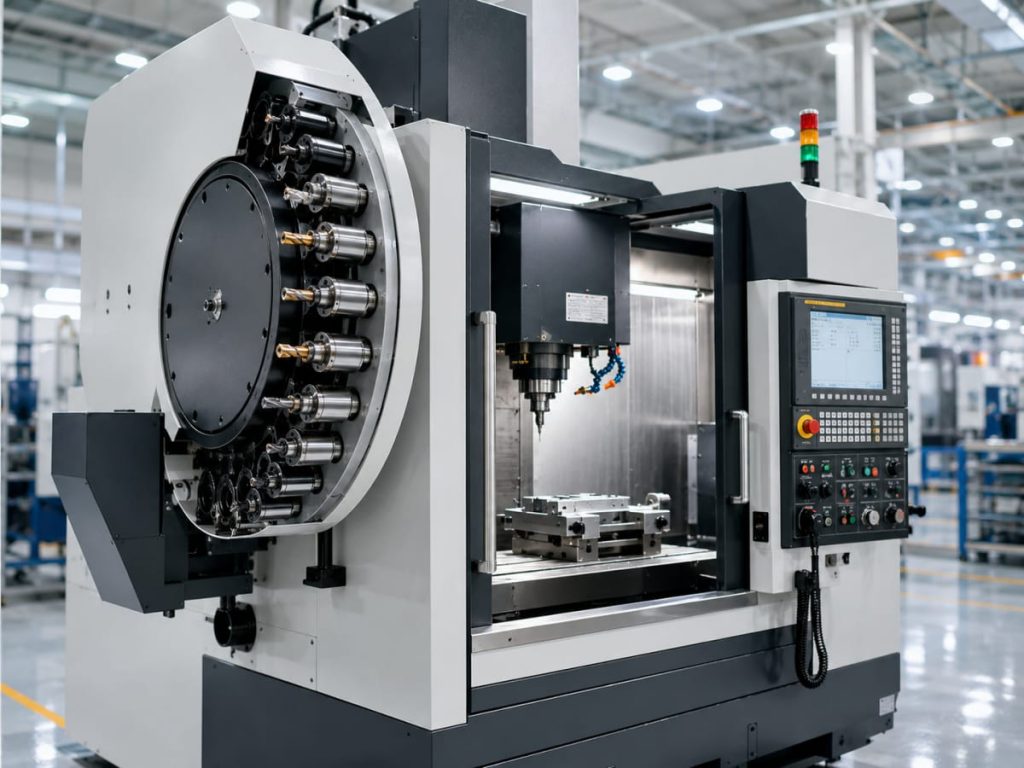
CNC Machining

As key equipment in modern manufacturing, CNC machines are set for a bright future due to technological advances, growing market demand, and faster localization. Moreover, there are many types of CNC machines, and here are some popular types of CNC machines:

CNC Milling Machines

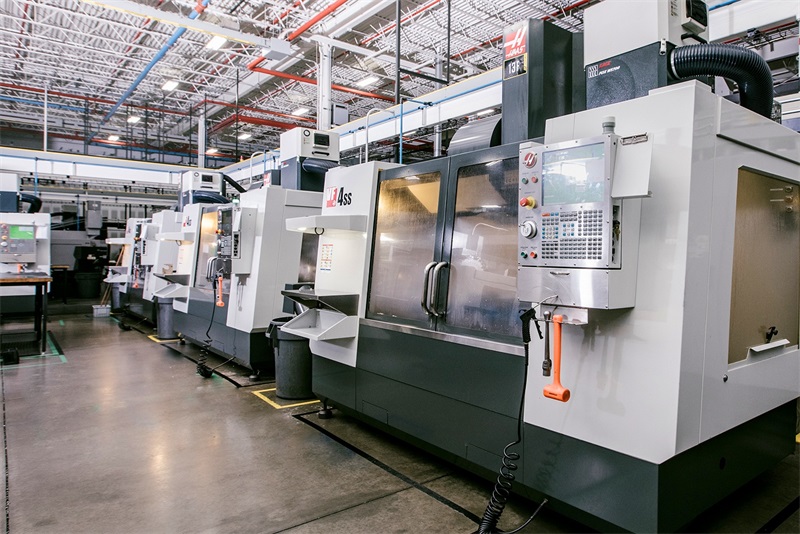
A milling machine is a tool for machining surfaces, milling, drilling, and boring workpieces, primarily using a rotating cutter. Essentially, the main motion in a milling machine comes from the rotation of the cutter. This cutter rotates at high speed via the spindle, forming the foundation of milling. Meanwhile, the workpiece is set on the table, and feed motion is achieved by moving the table itself. Notably, the table can move in three directions—longitudinal, transverse, and vertical—to accommodate various shapes and sizes of workpieces. Additionally, in some instances, the cutter itself may move to achieve feed motion.

Advantages

  • Milling machines can be categorized into ordinary, imitation, programmable, and CNC types, among others, allowing for a broad range of machining capabilities.
  • Milling is intermittent cutting using multi-blade cutting tools, which has high productivity.
  • Milling machines are capable of processing various types of surfaces and complex shapes, with strong adaptability.

Disadvantages

  • The flexibility of the spindle and the distance of tool movement limit the size of the parts.
  • During the CNC milling process, there may be backlash errors in the lead screw and nut.

Applications

A powerful machine tool suitable for processing various types of workpieces.

These machines offer robust technical support, thereby fueling advancements in key industries such as automotive, aerospace, and healthcare. Consequently, they ensure these sectors remain at the forefront of innovation.

Fully produce automobiles and customized mechanical parts.

Brands

  • Yamazaki Mazak Corporation (Japan)
  • Shandong Tsinfa (China)
  • Datron Dynamics (US)

Cost

$30000 to $80000

CNC Lathes and Turning Machines

CNC lathes primarily machine rotating parts like shafts, disks, and sleeves. With fixed cutting tools on the turret, these machines shape materials fed from the rotating rod. Furthermore, they are classified by transmission method—vertical or horizontal—depending on the workpiece’s machining position and direction. This allows users to choose the most suitable option for their specific needs.

Advantages

  • It can process complex shapes, high-precision parts, and other complex components.
  • It can process simple parts with simple shapes but low processing accuracy requirements.
  • Thread machining is especially suitable for precision parts and parts with complex dimensions.

Disadvantages

  • Material limitations.
  • The equipment price of CNC lathes is usually high, especially high-end CNC machine tools, which require a large initial investment

Applications

  • Suspension systems, frames, gears, and engine parts for vehicles.
  • Internal functions of customized hollow cylindrical parts
  • Mechanical and tool components

Brands

  • Haas Automation (USA)
  • DMG Mori (Germany)
  • SMTCS (China)

Cost

From $38000 to $60,000

CNC Turning & Milling Compound Machines

Turn milling CNC utilizes the combined motion of milling cutter rotation and workpiece rotation, thereby achieving the machining of complex parts. Consequently, it’s particularly suitable for processing complex shaped parts.

Advantages

  • Improve processing efficiency
  • Improve machining accuracy
  • Surface: more roughness with minimal irregularities.

Disadvantages

  • Shape limitation
  • It is difficult for the milling center to accommodate large machine tools.

Applications

  • Aerospace: used for processing high-precision parts
  • Medical devices: In medical devices, this technology adeptly processes complex tools and equipment, thereby enhancing precision and efficiency.
  • Automobile manufacturing: suitable for efficient processing of automotive components.

Brands

  • DMG Mori (Germany) and Yamazaki Mazak (Japan)

Cost

The cost of an industrial scale machine tool exceeds $100,000 and the small ones cost around $40,000.

Types of CNC Machines – CNC Router

A CNC router, taking full use of computer-based digital control, precisely machines workpieces through programming. Furthermore, the Automatic Tool Changer (ATC) plays a crucial role in machining centers, thanks to its efficient tool-switching capabilities and adaptability. Moreover, nested and industrial designs emphasize the unique advantages and specific designs of CNC machine tools across diverse application scenarios.

Advantages

  • High precision
  • High efficiency
  • Strong flexibility

Disadvantages

  • Limited flexibility
  • Processing limitations

Applications

  • In the woodworking sector, this technology is utilized to create an array of wooden products such as furniture, doors, windows, and cabinets.
  • Advertising industry: producing various billboards, signs, signage, etc.
  • Numerical Control Counting is an Ideal Tool for Parts and Planes

Brands

  • Camster
  • APSX
  • HAAS Automation
  • Bantam tools 

Cost

The typical price range for small routers is over $10,000, while the price range for standard industrial routers is over $80,000.

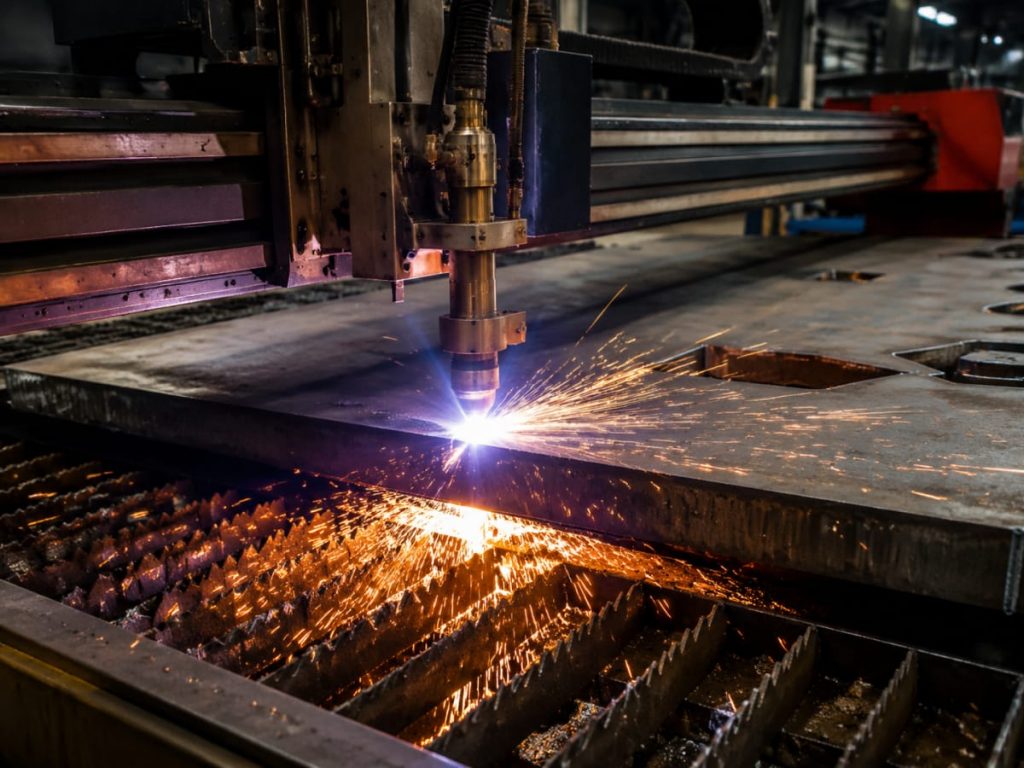
CNC Plasma Cutters

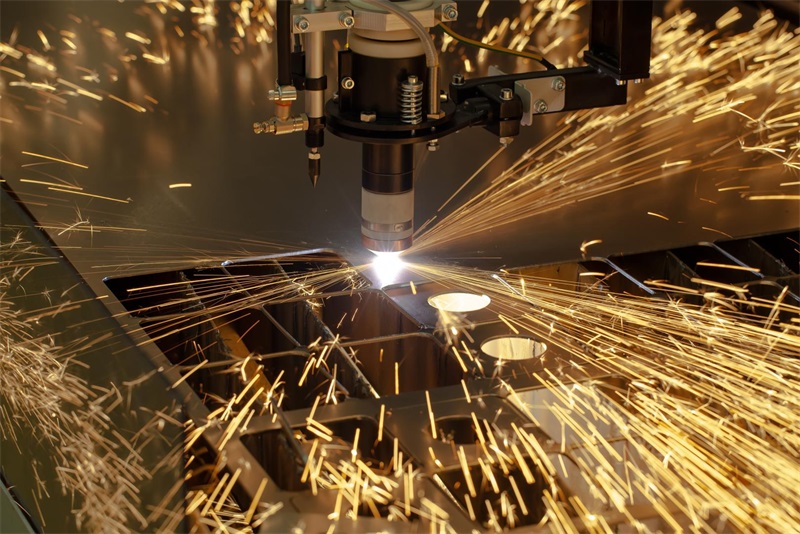
CNC plasma cutters are mainly used for the precise cutting and processing of metal sheets through high-temperature plasma arcs.

Advantages

  • No mechanical stress
  • Achieve high-precision cutting and engraving.
  • Realize cutting and carving of various complex shapes

Disadvantages

  • Plasma cutting is only applicable to conductive materials
  • Heat-affected zone issues
  • When dealing with small batch or single piece production, its advantages are not obvious

Applications

  • Metal processing
  • Automotive processing
  • Electronics industry

Brands

  • ESAB
  • Cruxweld
  • Lincoln

Cost

$12,000- $50,000

CNC Laser Cutting Machines 

CNC laser cutting machine is an automated machine tool equipment that uses computer digital control, mainly used for precise cutting and engraving of materials through laser beams.

Advantages

  • Faster speed and higher accuracy
  • Detailed cutting and carving with smooth completion
  • Laser cutting machine can cut other materials.

Disadvantages

  • Processing high-reflective materials such as brass and copper is a challenge.
  • Lasers are not the best choice for processing thicker plates and workpieces.
  • Polymers and plastics can produce harmful emissions during this process.

Applications

  • Cutting, etching, carving, and marking of trademarks, logos, symbols, text, artworks, etc.
  • Prototype production of automotive, aerospace, electronic, and medical products.
  • Creative arts and sculptures.
  • Production of furniture, cabinetry, and pipes.

Brands

  • Prima Industries
  • Ambada, Trumpf
  • Coherent

Cost

Simple: $10,000 to $18, 000

Industry-sized $ 60,000 to $200,000 or more.

CNC Electrical Discharge Machines

CNC electrical discharge machining (EDM) machine is a machine tool equipment that uses computer digital control, mainly used for precise cutting and machining of materials through electric discharge.

Advantages

  • By changing different programs and parameters, it is possible to achieve
  • Process of various complex shapes

Disadvantages

  • The EDM machining process is limited to materials that can conduct electricity.
  • Slow-cutting speed
  • High energy consumption

Applications

  • Medical industries
  • Various types of molds such as injection molds, casting molds, extrusion molds, etc.
  • Electrical connectors, sensors, etc.

Brands

  • Makino
  • JK Machines
  • FANUC
  • Accutex

Cost

$90,000 to $150,000

Small-sized below $50,000

CNC Waterjet Cutting Machine

As an automated tool, a CNC waterjet cutting machine employs high-pressure water flow to meticulously cut and process materials with precision.

Advantages

  • A water jet is capable of working with thicker sheets, up to 12 inches, depending on the material type.
  • It can handle a variety of materials.
  • No heat affected zone
  • Low cost

Disadvantages

  • The speed and productivity
  • Due to the risk of component failure caused by high voltage
  • The level of accuracy it offers is comparatively low.

Applications

  • Aerospace parts
  • Seals, gaskets, and gear cutting
  • Structural and architectural projects
  • Musical instruments, nameplates, stone art, ceramics, etc.

Brands

  • KMT Waterjet
  • OMAX
  • Jet Edge
  • WARD Jet

Cost

$50,000 to $1,80,000 or more

CNC Grinding Machines

CNC grinding machines are mainly used for precise machining of materials through grinding processes. Therefore, using finer abrasives can produce a mirror-like polishing effect.

Advantages

  • In addition to precision machining and polishing, grinding machines can also remove microcracks and surface irregularities.
  • The grinder can meet exact tolerances by taking away a minimal quantity of material.
  • Grind the sharp corners and edges into a circle

Disadvantages

  • Slow material removal makes it unsuitable for heavy processing tasks.
  • It generates debris, dust, and noise, and requires regular cleaning.

Applications

  • Surface treatment for automotive parts, including gears, brake components, bearings, and crankshafts.
  • Components for medical devices, encompassing surgical instruments and implants.
  • Manufacturing implements, featuring couplings, dies, and molds.

Brands

  • Yamazaki Mazak
  • Haas Automation
  • DMG Mori

Cost

$6,000 to $50,000

CNC Drilling Machines

Among the top types of CNC machines, CNC drilling machines are predominantly employed for the precise machining of materials through advanced drilling technology. Moreover, among the various CNC machine tools available, they particularly excel in tasks like drilling, reaming, boring, and internal thread machining.

Advantages

  • Implement computer control with state-of-the-art drilling technology. 
  • Automate the drilling operations. 
  • This drilling rig is capable of handling drill bits in different shapes and sizes.

Disadvantages

  • The complexity and frequent maintenance of machines
  • Diameter and depth limitations of holes

Applications

  • Automotive, shipbuilding, and aircraft components
  • Furniture, machinery, and tools
  • Internal thread tapping hole

Brands

  • Okuma
  • Haas
  • Amada
  • DMG Mori

Cost

$15,000 to $50,000

Multi-Axis Machines

By simultaneously managing the movement of multiple axes, these machines excel in machining intricate parts. Consequently, they provide increased flexibility in movement, thus accommodating the complexity of the parts. As a result, they are capable of crafting intricate features such as deep grooves, irregular shapes, contours, and indentations.

Advantages

  • Attain high-accuracy machining. 
  • Substantially boost production efficiency.
  • By changing different programs and parameters, multiple complex shapes can be processed.

Disadvantages

  • The operation of multi-axis machine tools is relatively complex.
  • The complex code of computer numerical control systems increases the risk of setting and positioning errors.

Applications

  • Accurate and customized components for aircraft, medical equipment, and defense equipment.
  • Automotive engine casing, interior parts, carburetor casing, cylinder head, etc.
  • Purchasing Jewelry, Furniture, and Decorative Parts and Products

Brands

  • Yamazaki Mazak
  • Haas
  • EMAG
  • Makino

Cost

$1,20,000 to $7,00,000

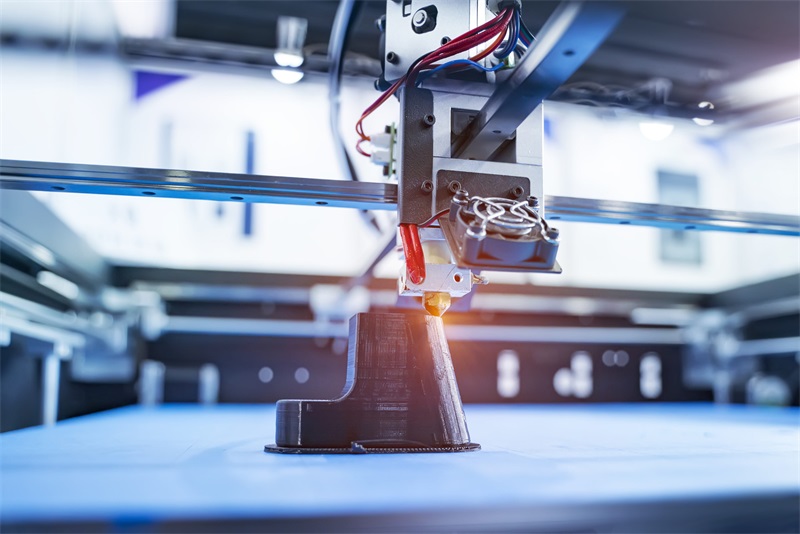
CNC 3D Printer

CNC 3D printer is an advanced equipment that combines computer digital control technology and 3D printing technology for 3D print threads compensation and more. It can achieve precise machining and manufacturing of three-dimensional objects through programming.

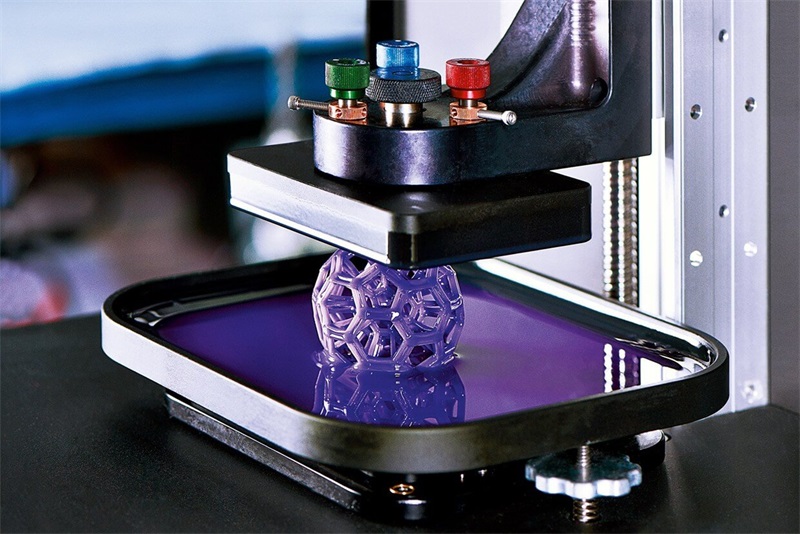
Some well-known types of 3D printers are selective laser sintering, direct metal laser sintering, stereolithography, and multi-jet melting.

Advantages

  • Complex geometric shapes and design freedom
  • Simple & minimal tool requirements
  • Minimize material waste as much as possible

Disadvantages

  • Limited to materials
  • Mass production is not suitable.

Applications

  • Carry out structural and performance assessments on a range of rapid prototyping designs. 
  • Drones, personal computers, and other electronic housings. 
  • Bespoke medical implants and surgical equipment. 
  • Parts for aircraft and spacecraft.

Brands

  • FlasForge
  • 3D Systems
  • Markforged
  • Raise 3D

Cost

Simple 3D printer $ 5,000

Industrial printers $ 20,000 to $120,000

For more info, you can refer to the video below: https://www.youtube.com/watch?v=sduVJOsMSIk

Best CNC Machining Services Provider – TEAM Rapid Tooling

For intricate CNC machining parts, employing advanced types of CNC machines is crucial to meet machining demands effectively. Furthermore, mastering machine functions and operations is essential for achieving precise machining results.

CNC Machining Parts

Team Rapid Tooling, a leading rapid manufacturing company headquartered in China, offers cutting-edge facilities and expertise. We collaborate with a range of industries worldwide, including automotive, aerospace, medical, hardware, and electronics, to supply CNC machine tool components. Connect with Team Rapid Tooling today to discuss how we can cater to your specific requirements.

What is Vapor Polishing And How Does It Work?

Polishing is essential for removing micro-imperfections from the surfaces of manufactured goods and machined components. Its main goal is to eliminate these flaws and sanding marks, leaving a glossy finish. This article will concentrate on vapor polishing, a popular technique known for its effectiveness in enhancing the transparency of plastic materials. This method is particularly beneficial when plastics are used in making lightweight optical lenses, where high transparency is crucial. Let’s explore the details of what is vapor polishing.

What’s Vapor Polishing?

Vanish polishing is a method of polishing plastics commonly used to achieve high transparency of plastics or to improve the surface smoothness, such as plastics used to make lightweight optical quality lenses.

In order to enhance surface smoothness, components are typically exposed to flowing chemical vapor. Vapor polishing, in this context, is one of the most effective and quickest methods to achieve optimal transparency.

Advantages of Using Vapor Polishing

  • Enhance the look and performance, offering greater beauty and superior protection.
  • Improve their surface with enhanced waterproof performance.
  • Improve endurance.
  • Improve Moisture proofing.
  • Accurate data for dimensional accuracy and geometries of the printed part.

How Does Vapor Polishing Process Work?

Because of the different kinds of smoothing the surface of different materials, vapor polishing may be the best choice. Maintaining accurate pressure and temperature control during the vapor polishing process is crucial. Here is an overview of the vapor polishing procedure:

Step 1: Unprocessed plastic components are placed in a sealed chamber where precision machining agents like FA 326 are utilized. This agent is generally appropriate for various plastic materials, though different agents may be employed depending on the specific material being processed.
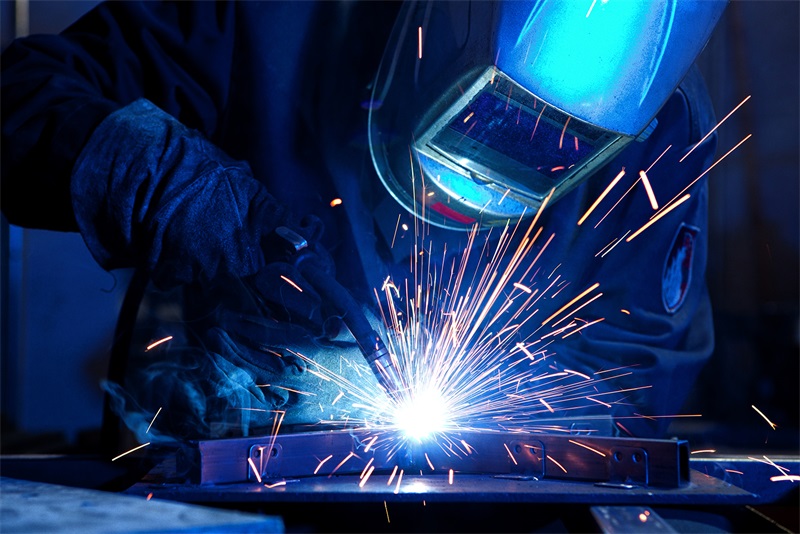
Step 2: It will generate the vapor around the part when the unprocessed plastic parts is in the sealed chamber with heating the agent to the desired temperature.

Step 3: Vapor adheres to the surface of the component, resulting in chemical melting. The liquefaction and redistribution of molten materials help reduce surface valleys and peaks, thereby eliminating surface roughness.

Step 4: The material obtains better gloss and luster because of the chemical melting. And the finishing agent and processing material makes more glosser on the enhancement.

Step 5: After completing the task, heat up the polishing chamber immediately and remove the finishing agent and steam. The remaining workpieces will be clean and do not require the use of other materials for processing and removal.

Step 6: After finished the process of vapor polishing, the workpiece will be arranged other surface treatments such as painting and dyeing.

Tips for Selecting Solvents for Steam Polishing

The choice of solvent is important because there must be a strong affinity between the solvent and polymer vapor for processing. Here’s a recommended list used for vapor smoothing:

  • Acetone: A transparent organic liquid renowned for its efficiency and adaptability as a solvent, ideal for ABS components.
  • Methyl ethyl ketone (MEK): A colorless liquid with a pungent smell, this highly flammable substance is both corrosive and naturally oxidized, serving as an efficient solvent.It is soluble in both water and alcohol and is widely employed in industrial environments. This liquid ketone is ideal for polishing thermoplastic materials like acrylic, polycarbonate, and ABS, as well as thermosetting plastics such as resins.
  • Tetrahydrofuran (THF):  A heterocyclic compound (cyclic ether), widely used as a solvent in organic synthesis. and suitable for polishing PLA parts.
  • Dichloromethane (DCM): A colorless, volatile liquid with a chloroform-like, sweet odor is widely used as a solvent, and suitable for ABS components.
  • Ethyl acetate: A mild solvent works well for polishing PLA, although it might require extended exposure to achieve the best results. It is commonly utilized as a solvent in several industries, including adhesives, paints, and coatings.

Part 1: Before Vapor Polishing

  • Selection of solvents

Various solvents can be effectively paired with different types of 3D printing materials. For instance, key solvents include methyl ethyl ketone, acetone, dichloromethane, tetrahydrofuran, and ethyl acetate, among others. Specifically, when working with ABS-manufactured components, acetone or dichloromethane is preferred. In the meantime, methyl ethyl ketone emerges as the ideal option for thermoplastic materials. Additionally, when dealing with PLA components, tetrahydrofuran or ethyl acetate is utilized.

  • Temperature regulation

The solvent’s temperature greatly influences this process. In general, increased temperatures result in quicker smoothing.

  • Safety precautions

When using solvents during the vapor polishing process, it is crucial to exercise caution. Besides, it’s crucial to always wear protective equipment such as safety goggles and gloves. Then, ensure you work in well-ventilated, cool areas, avoiding any exposure to sparks or open flames.

  • Make the parts clean before polishing

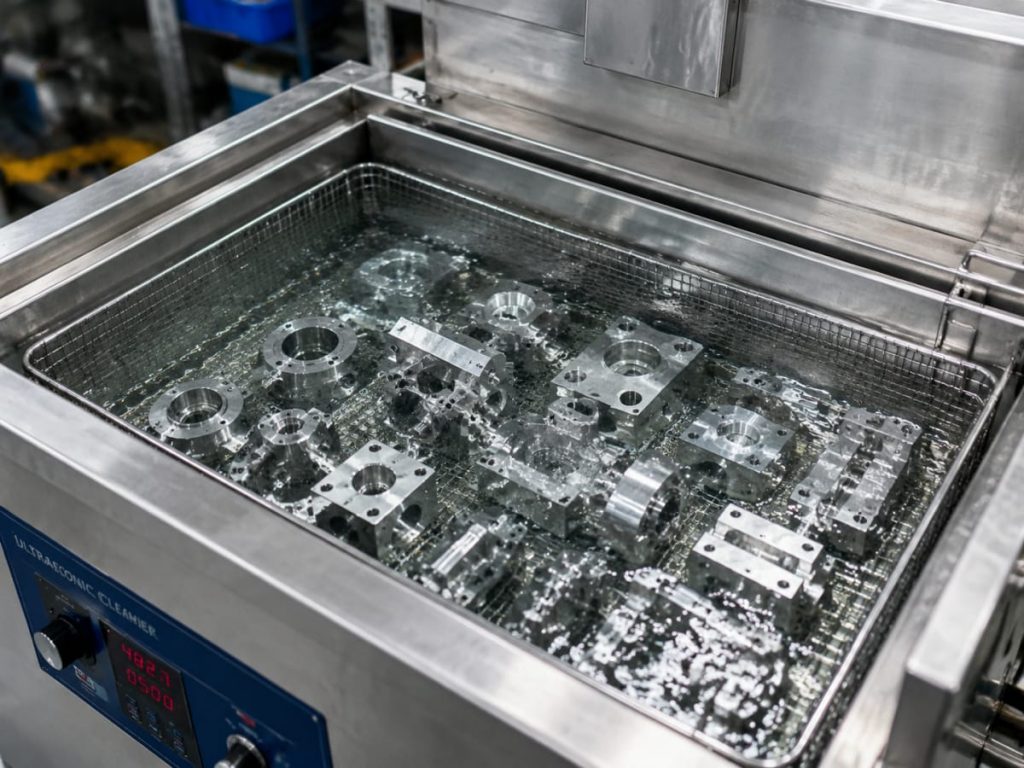
Before polishing, make sure the parts are free of dirt, grease, and debris. Use a reliable degreaser to dissolve surface oils, then rinse well with water. Completely dry the parts to avoid water spots. A spotless surface is essential for achieving a smooth, high-quality polish, boosting the final shine and finish.

Part 2: During Vapor Polishing

  • Exposure to vapor polish

Then, the exposure time is the most important part of the process of vapor polishing with solvent temperature, material type, and polishing level. It not only serves to protect the plastic from damage but also to ensure the task is fully completed.

  • Partial orientation

The positioning of the parts influences the polishing quality. Typically, you should arrange the parts so that the surface intended for polishing is oriented downwards and directed towards the solvent.

  •  Partial geometry

To fully grasp the process, it’s crucial to understand that a component’s geometric form and wall thickness are key to guiding the vapor polishing procedure. Moreover, these elements greatly affect the interaction of vapor with the surface and the final results. Additionally, thoughtfully designed geometry supports effective vapor flow, which is essential for achieving a consistent, high-quality finish. Specifically, wall thickness determines the necessary duration and intensity needed for successful polishing.

Part 3: After Vapor Polishing

  • After processing

At last, in order to remove residual solvents and improve surface smoothness, there needs post-processing after polishing the part.

Types of Plastics for Vapor Polishing

Vapor smoothing is highly effective on thermoplastics, especially those with high solubility in certain solvents. Furthermore, this technique efficiently enhances the surface quality of a wide range of plastic materials, making it a versatile solution for achieving a polished finish across numerous types of thermoplastics. Therefore, let’s explore some types that can be vapor polished. Shall we take a look?

Types of PlasticsDescription
Acrylic (PMMA) Acrylic (PMMA) is a man-made resin formed through the polymerization process of methyl methacrylate. This transparent and sturdy plastic frequently serves as an alternative to glass in items like shatter-resistant windows, skylights, illuminated signage, and aircraft canopies.
ABS Acetone smoothing for ABS is a post-processing method used on ABS 3D printed filament to remove layer lines by dissolving them with acetone. This process entails exposing the raw ABS prints to acetone vapors, which causes the layers to blend together. Consequently, the surface achieves a sleek and shiny finish, eradicating any noticeable lines.
Acetone Acetone is a clear organic liquid renowned for its versatile effectiveness as a solvent. Its chemical structure, featuring both polar and nonpolar traits, allows it to dissolve diverse materials. Thus, acetone effectively interacts with a range of organic and inorganic substances. Moreover, because it mixes completely with water, it aids in dissolving various chemicals in different settings. Despite being organic, its non-toxic nature further enhances its broad usage in numerous applications.
Polycarbonate (PC) For polycarbonate (PC) components, steam polishing provides a solution for surface defects that damage appearance as well as functionality. 
Nylon Vapor polishing also effectively improves the surface smoothness of nylon parts and eliminates roughness during processing or 3D printing.

Use for Different Industries

Kinds of industriesDescription
Aerospace industryVapor polishing plays a vital role in enhancing the surface finish of plastic parts utilized in control systems, instrument panels, and the interiors of aircraft.
Automotive industryIt is an appropriate precision machining procedure for parts with durability, tactile feel, and smooth surface.
Medical devicesUse vapor polishing to ensure the manufacture of components with sweat resistant and comfortable to wear.
Consumer product industryManufacture parts with ultra-smooth surfaces by using vapor polishing.
Industrial manufacturingThis process improves the surface smoothness of industrial parts.

How to Reduce the Cost of Vapor Polishing?

In order to achieve a smooth and glossy finish on plastic parts by reducing the cost of vapor polishing achieving a smooth, glossy finish on plastic parts, here are some tips:

Firstly, simplify the part design to reduce the amount of polishing required. Additionally, choose the appropriate materials to shorten the processing time. Furthermore, group multiple parts for polishing to improve efficiency. Moreover, automation can simplify processes and reduce labor costs. Finally, outsourcing to a professional company that provides polishing services may be more cost-effective, as these suppliers typically have optimized their processes to reduce the cost of each component.

Conclusion

As can be seen, vapor polishing offers various benefits with optically clearer, higher transparency, and smoother polished surfaces. To maximize the advantages of steam polishing, it’s essential to make informed decisions. Among rapid manufacturing group, TEAM RAPID performs the best. It provides customized steam polishing components and parts for you. As a manufacturing firm, we possess significant expertise in producing parts using a variety of post-processing methods.

Introducing Our Rapid Prototyping Services

At TEAM RAPID offers comprehensive rapid prototyping services. From functional prototype, a concept model, to pre-production testing, our services are designed to accelerate your development process while maintaining high quality and precision.

  • Fast Turnaround: Get prototypes in days instead of weeks.
  • Wide Material Selection: From engineering plastics to metals, we can create parts that closely mimic the final production components.
  • High Precision & Accuracy: Our advanced CNC machining China, 3D printing, and tooling technologies ensure your prototypes meet tight tolerances.
  • Design Support & DFM Feedback: Our experienced engineers can provide design-for-manufacturability suggestions to optimize your parts before production.
  • Flexible Production: Perfect for single pieces, small batches, or iterative prototyping.

Our rapid prototyping services are ideal for engineers, product designers, and businesses looking to reduce development time, test functionality, and refine designs before mass production.

Get In Touch

Ready to bring your ideas to life? TEAM RAPID is here to help.

We provide fast responses, personalized support, and technical guidance to ensure your prototype meets your exact requirements. Whether you have a 3D file ready or just an idea, contact us today to start your project!

Vapor Polishing

FAQs of Vapor Polishing

1. What is vapor polishing?

Vapor polishing as one of a post-processing technique, which is  used to improve plastic parts’ surface finish. It produces a clear, glossy finish and reducing micro-imperfections by using controlled solvent vapors to smooth rough or matte surfaces,.

2. What are the benefits of vapor polishing?

  • Achieves high-gloss, smooth surfaces
  • Improves optical clarity for transparent parts
  • Reduces stress concentrations from micro-imperfections
  • Prepares parts for visual inspection or assembly

3. Can vapor polishing affect part dimensions?

Yes, because the process slightly softens the surface, minor dimensional changes can occur. We need to take this into account during CNC machining or 3D printing to ensure tolerances are maintained.

The Complete Guides to Multi-Axis Machining

As industrialization continues to surge, multi-axis CNC machining emerges as a promising technology. It offers the ability to craft intricate shapes and precise features with exceptional manufacturing precision. We will show you the details of how to define multi-axis machining, how it works, what its types are, the components, the limitations, the applications, and so on. Let’s learn about it!

What’s Multi-axis Machining?

Multi-axis machining is a modern machining method used in engineering processes as the complex parts to be manufactured even in simple Settings. It’s different from traditional machining (only X, Y, and Z axes) because it allows upward rotation or movement on multiple axes. Multi-axis machining makes it convenient to use advanced tools and improves production efficiency by reducing errors, which also makes the application of high-performance materials to be used.

How Does CNC Multi-axis Machining Work?

The goal of multi-axis CNC machining is to manufacture complex parts when it is used in computer numerically controlled(CNC) programming. The movement of these axes allows the tool to cut in various planes and angles, creating complex geometries. The process involves programming the machine tool’s controller to move the tool along specified paths and at specific speeds. This programming is done using Computer Numerical Control (CNC) programming languages, which are similar to be used in single-axis machines but extended to handle multiple axes.

In multi-axis machining, one not only needs to calculate the point coordinate data but also needs to get the vector direction data on the coordinate points, this vector direction is usually used to express the tool axis direction in machining, which poses a challenge to the computing power.

Different Types of CNC Multi-axis Machining

TypeDescriptionPros
3-axis CNC Machining  3-axis CNC machining center is the most traditional type, including X, Y, Z three linear moving axes.3-axis CNC machining is suitable for most routine milling, drilling and cutting operations, which performs well in machining flat parts and simple 3D parts.
4-axis CNC Machining   A 4-axis CNC machining center incorporates an additional rotating axis, typically the X-axis, alongside the three standard axes.4-axis CNC machining is perfect for creating parts with sloped surfaces or precise angle specifications. It enables the machine tool to rotate the workpiece during the machining process, achieving more complex geometric shape machining.
5-axis CNC Machining  5-axis CNC machining center consists of three linear axes (X, Y, Z) and two rotational axes (two of A, B, C).5-axis CNC machining has five motion axes, which can achieve all-round machining and is suitable for machining high complexity and high-precision parts.
3+2 axis CNC Machining  3+2-axis machines are nearly equivalent to 5-axis machines, with the primary distinction being the number of axes the machine operates on.This is useful for machining features that require an appropriate angle.
6-axis CNC Machining   6-axis machining center is A CNC machine with six degrees of freedom ‌, which can accurately position and move on three linear axes (X, Y, Z) and three rotating axes (A, B, C).Achieving high precision in machining complex parts is possible. Six-axis machining centers are usually used to manufacture complex shaped parts, such as automotive parts, ‌ medical devices, ‌ aerospace parts, etc., which usually require machining at multiple angles to complete. ‌
7-axis CNC Machining  7-axis machining center refers to the ‌ CNC machine tool, at the same time there are 7 movement axes that can be controlled and programmed.‌The seven-axis machining center is characterized by its multi-axis control capability, which enables more complex machining tasks. This machine tool is usually used for parts processing requiring high precision and high complexity.
9-axis CNC Machining  9 axis machining center is a kind of high-precision CNC machine tool, it integrates a variety of machining functions, through an automatic tool-changing device and CNC system control, and can complete a variety of machining tasks in a single clamping.It’s well-suited for machining intricate parts and can greatly enhance production efficiency and precision.‌
12-axis Machining  12-axis machining center ‌ refers to a CNC machining center with 12 independent control axes.This kind of machining center is usually used for precision machining of complex parts and can carry out multi-axis linkage machining to improve processing efficiency and accuracy.
Multi-Axis Machining

Parts of Multi-Axis Machining Systems

Multi-axis machine tool system refers to a CNC machine tool system with multiple axes, which can complete multiple processes, such as milling, boring and drilling, in a single clamping, thereby improving the processing efficiency and accuracy ‌.

Machining

Cutter

A tool is the contact of machine parts at work with its function is to cut, drill or grind materials according to the requirements of the job. The tool’s nature, quality, and movement impact the workpiece’s surface quality and accuracy.

Principal axis

Multi-axis CNC lathe is one of the main components of machine tools. It is a special device that must quickly clamp and rotate cutting tools and ensure the correct state is maintained for necessary cutting operations.

Multi-Axes

Multi-axis milling allows the manufacture of parts with rotating forced rotation and axial rotation end mills on many other related axes.

Multi-Axis Machining Device

It refers to a device used in the machining process, in which cutting actions are performed using many cutting tools. During the machining process, one tool is used to replace another tool that is not fixed in the device. This part improves efficiency by reducing the required manual operations and machine downtime.

Work retention device

How do these workpiece clamping devices work? They firmly grasped the workpiece to avoid any movement, thereby improving precision machining capabilities.

Multi-Axis Machining – CNC Controller

The control panel is the final component of a CNC machine tool, serving as the interface between the operator and the machine tool. CNC controllers allow operators to design and control the rapid manufacturing process, and make changes as needed to achieve desired results.

How to Choose A Multi-Axis Machining Tool for Your Project

Looking for a multi-axis machine tool that meets all the requirements and needs of the entire project? Good! Please consider the following points.

CNC Machining Parts

Requirement of the Project

Firstly you need to do is analyze the complexity of the parts you are measuring to manufacture. In addition, the accuracy of the material and the final workpiece should also be considered.

The Correct Number of Axes to Choose

It’s crucial to choose the correct number of axes, as this determines the machine’s capability to produce complex parts.

The Capabilities of Machine to Evaluate

Assess all machine performance specifications and parameters, including spindle speed, power, and available tools, to ensure the machine aligns with the project’s material, size, and specifications.

Rigidity and Stability of Multi-Axis Machining machine

When ensuring the quality and accuracy of parts, consider the rigidity and stability of the machine. Parts machines with good rigidity and stability could be useful for reducing quality errors.

Total Cost of Ownership to Choose

The final “total cost of ownership” that includes TCO is the cost of the machine and its maintenance, equipment, and operation. It’s possible to choose a multi-axis machine tool that will meet your needs as it is project-related if considering all these factors.

Best Tips on Outsourcing Precision Multi-Axis

Good news! You have come to the right place. To achieve expected results within acceptable quality standards, several aspects need to be considered.

  • Design the components including a detailed description of dimensions, shapes, or materials, as well as any other tolerances required to complete the project. According to the design, the corresponding CAD model is developed.
  • Once the CAD model has been drafted, all illustrations should be included in a specific CAM session created in some way.
  • The machine needs to be set up. Once the setup is complete, the next step is to execute the program that has already been set up. At this stage, regular testing should be conducted to prevent any issues from arising.
  • Identify any physical characteristics of the components involved to ensure that the finished parts comply with quality standards and specifications. This step also verifies that the machining process has been executed correctly, confirming the parts are ready for use.

You will know how to manage the entire process after you select TEAM Rapid Tooling precision multi-axis machining services. How to follow each stage with TEAM Rapid’s expertise further to enhance the normal functionality of most stages (ensuring high-quality output) in the shortest possible time.

Conclusion

Considering the above situation, multi-axis machining is very useful for industries that manufacture parts with complex shapes and features as well as high precision. It improves the accuracy and surface smoothness of manufactured parts, as well as overall productivity.

TEAM Rapid Machining

As one of the best CNC machining China manufacturer, TEAM Rapid Tooling meets such a challenge because of its precision machining services. It organizes production stages in sequence, ensuring maximum possible production quality within appropriate time windows. Thanks to high technology and advanced skills, TEAM Rapid Tooling will assist your manufacturing efforts from CNC rapid prototyping to CNC manufacturing by achieving almost impossible levels of precision and efficiency. Contact us at [email protected] today!

All You Need To Know Factors Bear in 3D Printing Service Cost

3D printing can be an affordable manufacturing solution for individuals or businesses who want to perform a quick production process. It offers affordable material options with varying printing techniques you can choose based on your needs. The customization options are also plentiful with this manufacturing method, you can customize your project at acceptable 3D printing service cost easily.

Factors that Affect 3D Printing Service Costs

3D printing can be a budget-friendly solution for your prototype building or final product manufacturing. However, this process can also be costly if you don’t keep everything in check. Here are the factors that will determine your 3D printing production costs:

3D Printing Service Cost: Product quality

The first aspect affecting your production expense is the product quality you want to achieve. The higher the product quality, the more expensive the production expenses. It is a simple calculation you must keep in mind. The key to a successful production is balancing the product quality you want to achieve and the budget you have prepared.

Company reputation

A manufacturing company with a high reputation in the industry will often charge more for their 3D printing services. However, with the higher printing cost, you can get an overall higher product quality that usually comes with the manufacturer’s warranty. The company will also offer better quality control for all the manufactured products.

3D Printing Service Cost: Order quantity

Some companies might offer special deals when you order from them in bulk or mass quantity. Meanwhile, you will pay more if you only order a few prototypes for the 3D-printed products. It is a common practice in the manufacturing industry. Check the manufacturer’s pricing offers or negotiate with them for bulk ordering.

Materials

The material choice will also affect the pricing of the 3D-printed products. There are varying quality levels for the printing materials you can use during production. The higher material quality will offer better product quality with extra features. It’s best to pick the best material for your prototype or final product to match your production budget.

3D-printing tech

The tech for the 3D printing process also plays a role in determining the production price. A more modern tech will require state-of-the-art printing equipment with high initial and maintenance costs. However, the more modern printing tech will allow you to process complicated printing steps for the 3D prototype and final products. It can also provide better precision and overall product quality.

3D Printing Service Cost: Design complexity

A more minimalistic product design will be easier to produce using the 3D printing tech. A more complex design requires more calculations and a longer production time. Also, it will be more costly to 3D-print a prototype with a complex geometrical design. Consider simplifying your design if you want to minimize the production cost.

Product size

The prototype or final product size can also determine the 3D printing cost. More sizable products will require more materials, which means more expenses. Small to medium products will require fewer materials and shorter production time, which can minimize the production cost. Think about the size of your prototype if you are tight on budget.

Optimization

The optimization in design will affect the overall 3D printing cost. It can help reduce the material usage while simplifying the whole printing process. Some design elements that are too complicated can eat the production resources fast. Thus, it is essential to reduce these complicated design elements by optimizing them.

Factory location

The location of the production process will also affect the delivery process of your completed products. Your country or state might require you to pay different import taxes for the completed products delivered to you from an overseas factory. You can minimize the delivery cost if you order from a manufacturing company in the same country. However, specific 3D printing projects might require you to use a service from China-based manufacturing facilities, affecting the overall production expenses.

These factors can increase or decrease your 3D printing production expenses. Each factor will contribute to how you use the material or how long the printing process will take. Keeping the production process within your budget will require adjusting these factors to meet your project needs.

Benefits of 3D printing, and 3D Printing Service Cost Related

Getting your prototypes ready on a tight deadline can help you complete your production projects faster. 3D printing brings valuable benefits to the table for various industries. Here are the benefits of 3D printing:

3D Printing

Fast and efficient

3D printing offers a fast and efficient manufacturing method that you can rely on for tight-deadline productions. It uses computerized and automated processes to deliver high-quality prototypes or end products for differing industrial projects. Also, it is suitable for commercial manufacturing and personal hobby production. Material usage is very efficient in minimizing any material waste and production delays.

Customization

This manufacturing method offers almost unlimited customization options for the product or prototype you want to build. The custom production process is available per project or based on your requirements. You don’t need to mass-produce the final products. Also, you can introduce different versions of the same product and manufacture only the amount you need.

Geometric complexity

Each product will carry geometrical complexity in its design. The good news is that 3D printing can handle product manufacturing that requires a high level of geometrical complexity. It uses the additive manufacturing method that follows the design blueprint’s precision down to a T. You can design a complex prototype for your product and 3D-print it with no issues.

On-demand production

3D printing supports an on-demand production process that allows you to manufacture your products based on your unique requirements. It doesn’t have any minimum product number to initiate the production phase. You can use this manufacturing process for both low-volume and high-volume production.

Medical device specialization

It is the manufacturing method to produce medical device-related products and prototypes. Various medical devices and tools require precise design blueprints to help patients recover from illnesses or health issues. Each medical tool might also need specific customization for different patients to achieve the best result in their treatment. 3D printing can offer high-quality manufacturing production for various medical devices and tools with precise accuracy.

Material recycling

The 3D-printed products are highly recyclable. You can recycle the final products to the original plastic materials for further manufacturing operations. It helps reduce environmental waste in the long run. Most manufacturers will offer a recycling option for their 3D-printed products.

No material waste

This manufacturing method uses the additive manufacturing system that only uses plastic materials as necessary. So, there will be no material waste when you use this production process. The no-material-waste benefit will help keep the factory environment clean during production. Also, the factory will produce minimal waste from the 3D printing production process, keeping the surrounding environment clean.

These benefits will make 3D printing a preferable manufacturing solution for projects that require customized requirements and tight deadlines. Also, it allows you to adjust the project requirements based on your production budget. Thus, it gives a cost-effective production process that varying industries can take advantage of.

Tips to Reduce 3D Printing Service Cost

Do you need to complete your production goals on a budget? You can try adjusting various aspects of your 3D printing project to fit your planned production budget. Follow these tips to reduce your production expenses:

3D Printing Parts

Remove the design complexities

The complexity of your 3D print design will complicate the production process and add more expenses. It’s best to simplify your design blueprint and remove unnecessary design elements. It can help speed up your manufacturing production and lower production costs.

3D Printing Service Cost: Lower the material grade

Lowering the material grade doesn’t mean lowering the overall product quality. You can reduce the material grade to help adjust the final product to your production budget. You might need to remove the extra features from the material while keeping the final product’s top-notch quality.

Bulk ordering

Ordering the products in large quantities will also help lower the overall cost per product. It is the best solution to keep your production costs low if you plan on selling the products in large quantities. The cheaper per-product cost can help increase your profit margin when you sell them to the market.

3D Printing Service Cost: Free software

Using commercially available 3D printing software can also add to your production costs. You can use free alternative or open-source software to design your product or prototype blueprint. This way, you can keep the design creation costs at a minimum. It can lower the overall manufacturing expenses.

Follow these strategies to reduce the costs of 3D printing in your production scheme. You can keep your manufacturing expenses within your budget by adjusting various aspects of the product design. However, be sure to avoid sacrificing the overall quality of your product while minimizing the production costs.

Conclusion

Various aspects can affect the overall production costs for the 3D printing process. It is essential to understand these aspects before delving into your manufacturing project. Also, you must separate between prototype building and the production of final products with 3D printing. Each production type will have different costs associated with it. Contact TEAM Rapid at [email protected] today for 3d printing services.

Components of Injection Mold: An Injection Molding Basic Intro

Mold tooling is essential in plastic injection molding, shaping the final quality and form of parts or products. Rather than being a single unit, an injection mold comprises multiple components, each with specific roles in a compact design. This article explores the different systems and components of injection mold, illustrating their influence on the mold’s structure and function. It also briefly addresses potential defects and material options for mold manufacturing, offering insights to aid in better decision-making. Let’s dive in!

What Is Injection Molding?

Injection molding is a prevalent manufacturing technique that forms materials, often plastics, into specific shapes using molds. These molds contain cavities that represent the inverse shape of the desired product. The mold choice greatly impacts the process’s efficiency, cost of injection molding, and product quality.

Types of Injection Molds

There are numerous types of injection molds, each offering distinct production capabilities and assembly configurations for their components and systems. Here are several popular types of injection molds.

Types of Injection Molds
TypeDescriptionProsCons
Family MoldsFamily molds contain several cavities with unique designs, enabling the simultaneous production of different parts in one cycle. They are generally utilized to create components that will be assembled together.Versatility: Allows for the production of various injection molding parts at the same time. Lower Tooling Costs: One mold can create multiple parts.Complex Design & Balancing: Careful design is needed to ensure consistent filling and quality among different parts. Material Limitations: Parts often need to be made from similar materials due to the shared mold environment.
Two-Plate MoldsTwo-plate molds are basic injection molds with a moving and fixed half, meeting at a single parting line. This simple design eases the mold opening to release the finished part.Simplicity: Easy to use and maintain, offering a straightforward solution for manufacturers. Cost-Effectiveness: Basic design makes them affordable to produce and sustain.Limited Design Flexibility: Limiting for intricate part designs or those needing multiple gates. Risk of Parting Line Flash: Simple design may cause material leakage at the mold split, affecting product quality.  
Three-Plate MoldsThree-plate molds are sophisticated injection molds that consist of three main plates separated by two parting lines. This design supports complex gating options, enhancing design flexibility and material flow, which leads to higher-quality products.Improved Design Flexibility: Support producing more complex and detailed parts. Better Gating Options: Allow for optimal placement of gates, enhancing part quality. Enhanced Material Flow: Better control over the flow of material for higher-quality products.Increased Complexity: More intricate design compared to two-plate molds. Higher Costs: More expensive to manufacture and maintain. Skilled Operation Needed: Additional complexity needs more expertise to operate effectively.
Stack MoldsStack molds have multiple cavity levels and parting planes, allowing them to produce multiple parts per cycle. This design increases output without requiring extra clamping force or larger machines.Increased Production Efficiency: This can produce multiple parts per cycle for higher output and productivity. Reduced Cycle Times: This can minimize production cycle time by producing more parts simultaneously. Space Optimization: Saving floor space without the need for larger machines.Higher Initial Costs: The intricate design of stack molds leads to higher initial costs for both design and manufacturing. Maintenance Challenges: The multi-level structure can lead to more complicated maintenance and potential downtime if issues emerge.
Unscrewing MoldsUnscrewing molds are specialized tools that create threaded parts by using a rotating core mechanism. This is essential for creating parts with internal or external threads, like bottle caps and connectors.Precision: Ensure high precision in the production of threaded parts, critical for ensuring a perfect fit and function. Uniformity: Ensure consistent thread quality, crucial for preserving the parts’ integrity and performance. Efficiency: Automated unscrewing process streamlines production for shorter cycle times.Complexity: More complex than standard molds due to the need for moving parts and mechanisms to rotate the core. Cost: Higher design and manufacturing costs may impact the overall budget. Maintenance: The intricate mechanisms require regular maintenance to ensure reliability and minimize downtime.
Insert MoldsInsert molds integrate metallic inserts into injection-molded parts, encapsulating them with the material. Used for threading components and electronic connectors, inserts can be placed manually or automatically with robots or feeders for precise alignment before molding.Enhanced Part Strength: Using inserts in molded parts enhances their mechanical properties, strength and durability, especially beneficial for load-bearing applications. Material Efficiency: Combine multiple materials in a single part without extra assembly, optimizing material use and minimizing waste. Design Flexibility: Integrates components like bushings directly into molds, enhancing functionality without extra steps or complexity.Potential Cost: Additional steps and precision hike setup costs, impacting cost-effectiveness for small production runs. Maintenance: Intricate mold setups and material integration increase maintenance frequency, causing more potential downtime.
Multi-Shot MoldsThis tooling creates multi-colored, multi-material parts using multiple injectors and a rotating or shifting mechanism to layer successive shots over the initial one.Efficiency: Eliminating secondary operations like assembling multiple components, thus saving time. Design Flexibility: Facilitates complex designs by integrating diverse textures, colors, and functions into a single seamless part. Optimize material usage: Apply precisely what’s needed for each section of the part.Increased Complexity: Sophisticated machinery and precise control are needed to ensure proper material flow and bonding, adding complexity to the production setup. Increased Upfront Expenses: Specialized equipment and tooling requirements can lead to higher initial setup costs.
Injection Mold Types

Main Components of Injection Molds

Injection molding facilitates the precise and efficient production of intricate plastic parts. At the heart of this process lie the injection molds, especially the Cavity A Side (Stationary Side) and Cavity B Side (Moving Side), which work together seamlessly to form the final product.

Cavity A Side (Stationary Side)

Cavity Side A, fixed to the molding machine’s stationary plate, stays immobile during the cycle. It houses the runner system and aligns precisely with the moving Side B using guide pins and bushings. Additionally, this side includes cooling channels to circulate coolants as the material solidifies.

Cavity B Side (Moving Side)

The Cavity B Side, known as the moving side, is responsible for opening and closing during the molding process. It typically contains an ejector system and insert holder, mounted on the machine’s movable platen. Proper movement and alignment of this cavity are crucial for achieving precise dimensions and ensuring the smooth release of finished parts.

Components of Injection Molds by Function

After discussing the core components, here we will analyze the injection mold components according to their functionality. Some of them are responsible for transferring raw materials, guiding mold operations like opening and closing, and providing cooling. Each set of parts is specifically designed to perform distinct tasks for desired results.

Components of Injection Mold

Runner System

The runner system is responsible for channeling molten material from the barrel nozzle to the injection gate, which leads into the mold cavity. This system may also consist of a network of channels to distribute the material efficiently in multi-cavity molds.

A typical runner system in an injection mold includes several key components:

  • Sprue Bushing
  • Runner Network
  • Gate

When considering pressure and temperature in the runner components of an injection mold, the nozzle plays a key role by maintaining high injection pressure to ensure a consistent material flow. Runner systems can be cold or hot: cold runners simply guide the material without additional heating, while hot runners include heating elements to maintain temperature and prevent early solidification.

Components of Injection Mold: Cooling System

The cooling phase is vital in injection molding, taking up 50 to 80% of the process time, and is essential for creating defect-free plastic parts. The cooling system, a network of water lines or sometimes ethylene glycol and oils for high temperatures, surrounds the main cavity to shape the molten material. It allows precise control of temperature and flow, preventing warping, boosting production efficiency, and reducing mold wear.

In complex and large molds, water circulation is conformal rather than in straight lines. The cooling system components include:

  • Baffles
  • Thermal Pins
  • External Pump
  • Bubblers

Components of Injection Mold: Molding Components System

These essential elements of an injection mold define the parts’ final shape, dimensions, and accuracy. They define the surface details and internal features, including elements like the core, molding rod, cavity, and lifter. You can identify these components by their direct contact with the material as it enters the cavity from the gate.

The molding system includes key components:

  • Mold Cavity
  • Core
  • Molding Sliders
  • Lifters

Components of Injection Mold: Venting System

Trapped air and gases during molding can cause defects such as voids, burn marks, bubbles, weak spots, and incomplete filling. To address these issues, a venting system is crucial in injection molds to expel trapped air and manage injection pressure. In simpler molds, vents are typically located along the plating line and include vent pins on the cavity body. However, as mold complexity increases, the venting system components also become more intricate.

Here are other common venting systems:

  • Grooves and Channels
  • Air Vacuuming
  • Venting Valves
  • Vents Around the Components

Guiding System

The guiding system components are essential for maintaining the alignment of mold halves and other elements during each open and close cycle. They are essential for maintaining precision and consistency in the molding process. As repetitive clamping forces can cause misalignment, components such as guide pins, bushes, and plates are employed to prevent these deviations.

Ejector System

After the part has cooled and solidified, the mold opens, and the ejector system safely extracts the parts and runners. Ejector pins, thin cylindrical pins fixed to an ejector plate on the moving side, are used to ensure even force distribution, preventing damage to the parts.

Other components often include:

  • Return Pins
  • Ejector Sleeves

Components of Injection Mold by Structure

Injection mold components can be categorized based on their structural attributes. This classification method allows for a deeper understanding of how each part functions within the overall mold assembly.

Mold Base

The mold base acts as the crucial support system for the entire mold setup, holding various components securely in place. Made with robust and durable materials like hardened steel, it offers the essential structural resilience needed to endure the substantial pressures encountered during the injection molding process. This construction ensures precise alignment and consistent stability, thus minimizing wear and tear on the more delicate components of the mold assembly.

Components of Injection Mold: Mold Core

The mold core shapes the hollow and internal features of a part by combining with the cavity. It supports the structure and handles some clamping pressure, often featuring rounded corners and draft angles. Proper alignment with the cavity creates a space for the molten plastic. Following molding, the core retracts, and the ejection system removes the part. Core pulling can be mechanical, hydraulic, or pneumatic.

Auxiliary Parts

Auxiliary parts are temporary components that support the function of injection mold parts without being part of the mold structure. While they don’t influence shape or geometry, they are vital for ensuring tight tolerances, structural integrity, and the overall quality of molded plastic parts. These may include:

  • Locating Ring
  • Sprue Bushing
  • Ejector Pins
  • Material Grabber
  • Support Pillers
  • Ejector Plate
  • Guide Pins and Bushes
  • Ejector Retainer Pin

Auxiliary Systems

Auxiliary systems support the injection molding process, similar to auxiliary parts. Examples include the runner, ejection, and cooling systems.

Auxiliary Setups

The primary auxiliary setups in injection molds include lifting eye bolt holes and KO holes, which aid in mold transfer and support the ejection process.

Components of Injection Mold: Dead Corner Handling Structures

Dead corners are hard-to-reach areas in processing, like undercuts and deep channels. Structures such as angle ejectors, hydraulic cylinders, and slides help manage these complexities.

Injection Mold and Injection Molding

Conclusion

Each component of an injection mold works in harmony to produce high-quality molded parts efficiently. Whether you’re new or experienced in manufacturing, knowing the basics of injection mold components helps you better deal with the injection molding process and handle your projects.

TEAM Rapid Tooling offers a full spectrum of injection molding services, where precision mold machining with CNC, EDM, and other advanced techniques meets an array of surface finishing options to perfect your products. Step into superior results on every project by uploading your design files to our user-friendly online platform today!

Vacuum Casting Material Selection – What to Consider, Material Types, and Things to Avoid

Vacuum casting uses a wide selection of resin-type materials made from plastics. You will melt the materials and send them into the vacuum chamber to shape the final product. However, each material will have its characteristics and properties that separate it from the others. It is essential to have the proper vacuum casting material selection for your project.

Vacuum Casting Material Selection: What to Consider

Choosing a material for vacuum casting is not about randomly picking and using them. Each vacuum casting material has the characteristics that set them apart from the others. Here are the factors to consider:

Durability

Some factors contribute to the durability characteristics of vacuum casting materials. Tensile strength and impact resistance are among the most essential aspects. Choose the materials that can meet your quality standards regarding durability and strength.

Vacuum casting material selection: Processing

Varying materials offer different processing characteristics. Some materials are more effortless to process, which might affect the production time and cost. Easier-to-process materials can contribute to smoother production operations.

Performance

How will the material perform as a final product? It is something you have to consider as well. You can choose the materials that can perform best in their designated applications.

Finish

Different materials will offer varying finishing options for the final products. Some materials will give you a finer finish than others, which can result in the aesthetics of the final products. Creating high-quality products with the best aesthetics is often the best way to make a successful and marketable product.

Vacuum casting material selection: Compatibility

Not all materials will be compatible with the final product’s application. You will need to use specific vacuum casting materials for particular applications. It is essential to pick the material that has full compatibility with the intended usage application of the final product.

Affordability

Also, consider the cost factor of the material you use for vacuum casting. Each material type has specific grades or quality levels, making it more or less expensive. The affordability factor of the material will help give you the best consideration regarding the price-to-value of the end product.

Environmental usage

The final products manufactured with vacuum casting will have varying compatibility for their uses in specific environments. You must use specific materials to comply with particular usage scenarios for the final product. Each material will have different characteristics regarding how the material can work under particular environments.

Vacuum casting material selection: Regulatory

Some material types require the manufacturers to follow specific regulatory requirements before use. It is often for the benefit of the environment or any other factors. You must only use the materials that comply with the regulations. This way, you can manufacture your products with full responsibility.

These are the essential factors to consider before choosing the materials for vacuum casting. By following these guidelines, you can ensure the best result in your manufacturing process. Also, it can offer the best-use scenario for each production and rapid manufacturing application.

Material Types in Vacuum casting material selection

Vacuum casting uses resin-type materials that you can cast inside the vacuum chamber to shape the final products. This process uses only plastic-type resins with varying characteristics to accommodate your design requirements. Here are the available material types:

Vacuum Casting

ABS

A durable material for vacuum casting, offering high impact resistance and thermal stability. The material has the best dimensional stability to keep a consistent shape when put under high-temperature environments. Also, it provides a surface finish that you can polish with flexibility to help increase its aesthetic value. The ABS material type ranges from PU8150 to UP4280, each with differing characteristics and designated applications.

PC

With the PC resin material, you can get several benefits. The benefits of this material include shape versatility, resistance to cracks, glass part replacement, and best thermal resistance. It also has a transparent form that offers high UV resistance and a high level of stiffness. The material ranges from PU8098 to PX23HT with differing properties and applications.

PP

This material offers the best properties to make gaskets, seals, and transparent components in various industries. The benefits of PP include minimum shrinkage, smooth-flowing performance during production, toughness, and flexibility. The low shrinkage feature helps this material to maintain its dimensional stability during high or low-temperature applications. It ranges from 8550 to UP5690, offering slightly different characteristics.

Vacuum casting material selection: Acrylic

The acrylic material offers two primary characteristics for your final products–transparency and durability. Other benefits of acrylic materials include aesthetics, versatility, and precision. In vacuum casting, you can use acrylic to build optical lenses, protective enclosures, decorations, and medical device parts. The material ranges from PX5210HT to X522HT, which offers differing properties and practical usage.

Soft rubbers

Next, the soft rubber materials allow you to make softer industrial components using vacuum casting. Also, this material is smooth-flowing during the vacuum casting application, making the production process faster and more controllable. It offers various benefits for your final products, including freedom in design, flexibility, transparency, and durability. The material has two primary types–UPX8400 and T0387, offering varied industrial applications.

Considering the correct material type in your vacuum casting production will help ensure the best output. Also, choose the material grade level suitable for your current budget or project goals. Each material gives the flexibility to select the varying quality levels you can use in your manufacturing operations.

Things to Avoid in Vacuum casting material selection

Choosing the proper materials for your vacuum casting project can help avoid any issues or pitfalls in manufacturing production. Avoid selecting materials that are not good for your vacuum casting project. Here are the things to avoid:

Material incompatibility

Not all plastic or resin materials will be compatible with vacuum casting production. Choose only the materials that meet the specific conditions of vacuum casting production. Also, ensure that the material will be suitable for the particular industrial application of the final product.

Vacuum casting material selection: Wall thickness inconsistency

The inconsistency of the wall thickness of the material can pose some issues when you use it for vacuum casting. Physical defects can happen during the vacuum casting operation, affecting the overall quality of the final product. Consistent wall thickness is essential to keep the final product’s dimension stable.

Poor flow

Some materials offer a smooth flow when you put them into the vacuum casting chamber. However, some others will have a poor flow. Choose plastic materials that have a smooth flow in the vacuum casting process. It can help ease the production and give you the best quality products.

Poor surface condition

The poor surface condition will affect the aesthetic look of the final product. It will also be more difficult to surface polishing. A defective surface condition will affect the overall value of your vacuum-casted products. It will even make the product unusable for subsequent production processes.

Vacuum casting material selection: Cost-to-value

How much does the material cost? Avoid buying vacuum casting materials that are too expensive for your budget. Also, avoid materials that offer a bad cost-to-value ratio. Find the best deals from reputable material suppliers to get the best value for your material purchase.

High-temperature curing

Please note that vacuum casting uses room-temperature curing in its operation. Materials that require high-temperature curing will not be compatible with vacuum casting. Ensure that the materials use room-temperature curing as the requirements before you pick them as your vacuum casting materials.

Consider the things to avoid before choosing the materials for your vacuum casting project. It can help filter the good from the bad. The proper materials will also give you the best result in your vacuum casting production.

Benefits of Choosing Proper Materials in Vacuum casting material selection

Vacuum casting requires specific materials to allow a smooth production operation. Why choose the proper materials for vacuum casting? Here are the benefits:

Vacuum Casting Process

Better aesthetics

Selecting the correct materials for your vacuum casting project will give your final products the best aesthetics. You can polish your final products / ABS keychains even more effortlessly with suitable finishing options. The polished surface will show no defects, increasing the value of your vacuum-casted components.

Best performance for industrial applications

The proper materials will ensure the best performance when you use them in specific industrial applications. The final products you make will work best for the intended usage in various industries. It will also withstand daily wear and tear, and you can use it for the long term.

Faster production and cost-effectiveness

The correct materials for vacuum casting will ensure a smooth flow during manufacturing production. It will also contribute to the quicker production time. The proper materials will also be cost-effective and produce the best results in your manufacturing operation.

Ensuring the best quality and proper material usage for your vacuum casting operation will give you the best result in your production run. It will also provide the best overall performance for the industrial application of the vacuum-casted components.

Conclusion

Choosing the best materials for the process is essential to make a successful product with vacuum casting. Each material will have specific characteristics suitable for your current project goals. You must evaluate the project requirements before selecting the materials for your vacuum casting operation. Weigh the pros and cons of the materials before deciding to use them in your manufacturing project. Contact TEAM Rapid at [email protected] today for your upcoming projects now.

ABS Acetone Smoothing – The Complete Guide

Acrylonitrile Butadiene Styrene (ABS) is favored for many 3D printing projects because of its strength, flexibility, and ease of use. However, a common issue with ABS is the noticeable layer lines it produces, which can affect the overall aesthetic of the prints. Luckily, acetone smoothing provides a practical way to address this, improving both the look and texture of ABS prints. This guide will lead you through the ABS acetone smoothing process, helping you to achieve high-quality results in a safe and effective manner.

What Is ABS Acetone Smoothing?

ABS acetone smoothing is a post-processing technique for ABS 3D printing filament that eliminates layer lines by dissolving them with acetone. This technique involves placing unprocessed ABS plastic prints in acetone vapors, which causes the layers to merge. This leads to a smooth and shiny surface without any visible lines.

What Is Acetone?

Acetone is a clear organic liquid highly valued for its effectiveness and versatility as a solvent. Due to its chemical structure that integrates both polar and nonpolar characteristics, it owns dual-solvent capability, which makes it possible to dissolve both polar and nonpolar materials. Consequently, acetone is effective with various organic and inorganic materials. Additionally, acetone can mix fully with water, facilitating the dissolution of different chemicals across various environments. Despite being organic, acetone is non-toxic, which contributes to its widespread application in many areas.

The Interaction Between Acetone and ABS Plastic

ABS is a thermoplastic polymer created by polymerizing styrene and acrylonitrile with polybutadiene. Like other polymers, ABS resists some substances while being vulnerable to others. When acetone interacts with ABS plastic, it can dissolve in several substances, such as esters, chloroform, ethylene dichloride, and specific ketones like acetone. Chloroform and ethylene dichloride are hazardous and demand strict safety measures, whereas acetone is safer for casual use. Acetone dissolves ABS since the polymer is soluble in ketones, creating a surface slurry when used on 3D-printed ABS components. This interaction is widely used in post-processing to enhance the aesthetic appeal of ABS prints, making them suitable for professional and decorative applications.

Reasons for Acetone Smoothing Your ABS Prints

Acetone smoothing offers an affordable method to improve the visual appeal and durability of ABS prints, making it a valuable technique for both enthusiasts and professionals. Here are 3 key reasons for using acetone to smooth ABS prints.

Create a Glossy Surface Finish

Smoothing ABS parts helps effectively remove visible layer lines and converts the surface from a matte to a glossy texture. By applying acetone, the ABS material nearly dissolves, which causes the layers to blend together, giving a sleek and polished sheen. The result is a 3D print featuring a smooth, glossy, and professional-looking surface finish.

Glossy finishes are especially attractive for certain prints like models, busts, figures, and decorative items. Moreover, if the filament is already the desired color, further painting is unnecessary. The improved appearance of glossy parts also enhances their versatility, making 3D-printed ABS parts ideal for a wide range of uses.

ABS Smoothing

Eliminating Layer Lines and Imperfections

Certain 3D printing methods can leave noticeable layer lines on parts due to layer-by-layer construction along the Z-axis. These lines are more pronounced with larger layers and curved shapes. Acetone is crucial in the smoothing process. When acetone is applied to an ABS printed surface, it causes the plastic to dissolve slightly. This action enables the layers to merge, filling any gaps and forming a smooth, continuous surface. The outcome is a finish that looks much like an injection-molded product, free of visible layer lines.

Enhance the Strength of ABS Parts

Acetone vapor smoothing enhances the strength of ABS 3D printed parts by removing layer lines and tiny gaps, thereby reducing stress points and potential weak areas caused by layer adhesion problems. FDM prints typically show anisotropic mechanical properties, meaning their strength changes depending on the direction of the load, a common issue in FDM 3D printing. This process enhances the bonds along the z-axis, making parts more robust against z-axis stresses. It’s crucial to note that exposure to acetone temporarily softens the outer layers of the print, and it may take several weeks for them to fully harden again.

Step-by-Step Guide to ABS Acetone Smoothing

Preparation: Materials and Equipment Needed

If you’re committed to using acetone for smoothing your 3D prints, you can conveniently utilize common household items. Before that, have a look at the list of what you may need:

Acetone Varieties

It is the primary solvent used for smoothing ABS prints. For effective ABS smoothing, you should adopt high-purity acetone (at least 99% purity) to ensure it is free from impurities, water, and contaminants. Impurities or moisture in the solvent may lead to uneven results, potentially affecting the smoothing process and the quality of your ABS prints.

Safety Gear

Since acetone is a highly flammable solvent that can pose health risks if inhaled in large quantities, before starting, it’s crucial to prioritize safety. Here’s a recommended list of safety gears for ABS acetone smoothing:

Safety Glasses or GogglesWear safety glasses or goggles with side shields to protect yourself from splashes or fumes.
Respirator Mask with an Appropriate FilterTo avoid inhaling acetone vapors, especially in areas with poor ventilation, wear a respirator or mask equipped with organic vapor cartridges, ensuring it effectively filters chemical fumes.
Chemical-Resistant GlovesChoose gloves crafted from materials such as nitrile or neoprene to shield your hands from acetone exposure, as these materials resist chemical penetration.
Protective ClothingWear long sleeves to reduce skin contact with acetone, preventing accidental exposure.
Fume HoodConduct smoothing in a well-ventilated area or a fume hood to disperse acetone vapors, minimizing inhalation risks.
Fire ExtinguisherKeep a fire extinguisher close at hand since acetone is highly flammable, enabling swift and safe action in case of a fire.
Emergency EquipmentKnow the locations of safety showers and eye wash stations for emergency use if accidental acetone exposure occurs.
Safety Gear

Brushes, Containers, and Other Tools

During the ABS acetone smoothing process, there are several essential tools you need to ensure a smooth and effective finish. Let’s have a look!

Transparent ContainerSelect a container that accommodates the size of your 3D-printed piece. A transparent material makes it easier to monitor the smoothing process. Ensure it has a tightly sealed lid to effectively contain the acetone vapor.
BrushYou’ll need a brush to evenly apply acetone to the surface of your ABS print. It functions in spreading the solvent uniformly for consistent smoothing.  
Aluminum FoilAluminum foil is commonly used at the bottom of the container to stop the ABS part from adhering to the base, as acetone does not dissolve metals.
Paper TowelsTo aid in vaporization, you’ll need to soak paper towels in acetone. Any absorbent paper towels or tissues will be suitable for this task.
Tools

Start ABS Acetone Smoothing

Step 1: Prepare the ABS Part for Smoothing

Begin with an ABS printed piece that is both clean and dry. Now, you can use specific plastic cleanup files, such as flat or half-round files, to smooth the surface. This step helps eliminate rough spots and layers that acetone alone smooth out. Ensure you use files that haven’t been used on other materials to prevent foreign particles from damaging the finish. The filing process should be efficient and doesn’t require covering the entire piece. Omitting this step might result in uneven spots on your print.

Step 2: Apply Acetone

Method 1: Brushing

If you’re looking for the easiest way to achieve a relatively smooth finish on ABS parts, then using a brush to apply liquid acetone is possible. This method gives you control over the smoothing level and application. For small details, you should choose a fine-tipped brush while for larger areas, you should choose a flat brush.

  • Begin by adding a small quantity of liquid acetone into a shallow container.
  • Dip the brush tip into the acetone and gently spread it over the 3D-printed surface.
  • Keep going until you achieve the smoothness and look you want.
  • Allow the parts to dry before use.

Brushing with acetone is effective for smoothing models with intricate details, offering precision and reducing the risk of damage. Compared to other methods, it also takes less time.

Note:
  • It uses a considerable amount of acetone and may lead to uneven smoothing, causing streaks or irregular surfaces.
  • Using excessive solvent might permanently warp or dissolve the thin walls of the part.

Method 2: Acetone Vapor Bath

An acetone vapor bath is a highly effective method for smoothing ABS without directly applying liquid acetone. It uses acetone fumes to gently smooth the surface of the part. Here’s a detailed guide for vapor smoothing ABS:

Set Up the Smoothing Box

Use a suitable container that is partially enclosed but not airtight. For example, a glass jar works well for small parts, while a transparent polypropylene (PP) container works better for larger parts or multiple items.

Prepare the Raised Platform

The raised platform is often placed inside the container. Please ensure that this platform is made from a material that won’t dissolve in acetone, such as a metal plate covered with aluminum foil. This will prevent the ABS parts from touching the bottom of the container.

Use Acetone-Soaked Paper Towels

Dampen paper towels with acetone and position them along the inner edges of the smoothing box. Secure them by pressing against the container walls or use magnets, placing one inside and one outside the box, to hold them in place.

Manage the Vapor Smoothing Process

Gently place the lid on the container without sealing it completely. Create a few small holes in the lid for ventilation to avoid any hazardous pressure buildup.

Keep an eye on the process through the clear container to ensure you reach the desired level of smoothness. This can take anywhere from 10 minutes to an hour

Step 3: Monitor and Control the Acetone Smoothing Process

The acetone smoothing process, particularly using the vapor bath method, requires careful monitoring and control to achieve optimal results. Here is a systematic guide to help you effectively manage the acetone smoothing process.

Set a Timer

First, set a timer to manage the duration of exposure to acetone fumes, which helps in maintaining consistency across different smoothing sessions. The required time can vary significantly, usually ranging from 10 minutes to 2 hours. This depends on your model size, the space within the smoothing box, and the amount of acetone used.

Determine Appropriate Duration
  • How to determine the suitable duration? Here are some tips:
  • Model Size: Larger models might require more time to ensure that all areas are evenly smoothed.
  • Acetone Amount: The amount soaked into the tissues influences how quickly the fumes permeate the part.
  • Experience: As you gain experience, you’ll better estimate the necessary duration.
Regularly Check Progress

To avoid over-smoothing, check the part’s progress every few minutes, which is simpler with a transparent box.You might add a mild heat source to accelerate the smoothing process or a small fan to help distribute the fumes evenly within the box, but be cautious with electronics to avoid fire risks.

Step 4: Conclude the Process Perfectly

After achieving the desired smoothness, conclude the process with these steps for the vapor bath method:

Ensure Proper Ventilation

Before carefully removing the container, ensure you are in a well-ventilated space. This step is crucial to effectively prevent any contact between the paper towels and the 3D-printed part, safely manage the release of acetone fumes and prevent any health hazards.

Handle the Part with Care

Refrain from touching the part once it is out of the container. At this stage, the part is still in a semi-liquid state, and any contact can lead to distortion or unwanted fingerprints on its surface.

Allow the Part to Dry

Place the part/ craft in a secluded area to dry out, which will allow any excess acetone to evaporate. The drying period, which allows the part to regain rigidity, can vary from a few hours to several days, depending on environmental conditions and the part’s specifics.

Once the piece has hardened, check for a consistent glossy finish. If you’re satisfied with the outcome, you can remove it from the wire hanger. However, if you plan to paint the piece, keeping it on the hanger can be useful for holding and suspending during painting.

Finishing Options:

TypesMethods
Satisfactory finishYou can either leave it as it is or sand it for a smoother matte finish.
Any surface imperfectionsConsider filing or sanding them down, and you can repeat the smoothing process if needed.
Painting in plansMove on to priming and painting.
Finishing Options

Addressing Hanger Holes:

TypesMethods
Small holes (easy to clean up)Ideally located in less visible areas.
PaintingFill the hole with spot filler, sand it until smooth, and then continue with painting.
Hanger Holes

Brief Guide to Safety Precautions During the ABS Acetone Smoothing Process

Though ABS acetone smoothing is effective, when working with acetone for smoothing ABS parts, safety should come first. Here’s a short guide with key precautions to protect yourself and your workspace.

Work in a Well-Ventilated Area

Since acetone is easy to be flammable and volatile, ensure the area is open and airy enough to avoid inhaling harmful acetone fumes. Otherwise, this could potentially lead to health hazards.

Put on Protective Gear

Make sure to wear gloves and goggles before opening the acetone bottle and pouring it onto the paper towels. Chemical-resistant gloves are used to prevent skin contact and goggles are used to protect your eyes from accidental splashes.

Choose a Quality ABS Print

Invest in a top-notch ABS filament. Cheaper options might contain additives from other plastics that don’t react well with acetone. To protect your work and achieve great results, select ABS filaments from trusted brands.

Keep Away from Electrical Outlets & Open Flames

Acetone is highly flammable, so make sure there are no electrical outlets, open flames or heat sources during the smoothing process.

Dispose of Materials Responsibly

For acetone-soaked materials, place them in a metal container lined with a plastic garbage bag and then discard them with regular trash, ensuring they are not left lying around where they could pose a fire hazard. Take liquid acetone to a facility that handles hazardous waste for treatment, storage, disposal, or recycling.

Best ABS Acetone Smoothing Service Provider – TEAM Rapid Tooling

Whether CNC rapid prototyping or low-volume production, it aims to achieve quality standards. Vapor polishing is used in post-production to ensure that your 3D-printed ABS products comply with these standards. TEAM Rapid Tooling firmly recognizes this point and is dedicated to bringing your prototyping ideas to life.

ABS Acetone Smoothing Service

Superior Quality Finish

TEAM Rapid Tooling delivers a smooth and glossy finish on ABS prints, enhancing aesthetic appeal and making them ideal for presentation and display purposes.

Increased Efficiency

TEAM Rapid Tooling’s advanced vapor polishing techniques ensure a quick turnaround time with rapid tooling services, allowing you to meet strict deadlines and accelerate your projects without compromising on the superior quality of results.

Expertise in ABS Polishing

With extensive experience and specialized knowledge in vapor polishing, TEAM Rapid Tooling can easily handle complex designs and intricate details of each ABS print for precise finishes.

Exceptional Customer Satisfaction

TEAM Rapid Tooling is committed to delivering outstanding service with flexible customized options, consistently going above and beyond to meet customer expectations.

Environmental-friendly Practices

TEAM Rapid Tooling employs eco-friendly methods in the vapor polishing process, reducing ecological impact and promoting sustainability without sacrificing quality.

Competitive Pricing

TEAM Rapid Tooling combines affordability with top-tier results. It offers unparalleled precision and reliability in its vapor polishing services at cost-effective prices.

Tips for ABS Acetone Smoothing

Here are some useful tips for achieving the best results when using acetone to smooth ABS:

Achieve Consistent Results

To achieve consistent results in ABS acetone smoothing, monitor the process closely to avoid over-smoothing. This is because overexposure to acetone may result in over-smoothing and the loss of intricate details. Regularly evaluating your print’s progress is essential to achieving the desired result. Furthermore, experiment with acetone amounts, using methods like brushing or vapor baths for even distribution. This helps to discover the optimal balance for your project.

Adjust the Process to Accommodate Various Part Sizes and Geometries

While the fundamental principles of acetone smoothing are consistent, modifying your approach can greatly influence the results. For smaller parts with complex details, it’s best to use less acetone and shorter exposure times, as they smooth quickly due to their limited surface area. Instead, larger parts might need more acetone and longer exposure to ensure even smoothing.

Additionally, the orientation of your 3D print influences the process, with vertical surfaces smoothing more quickly than horizontal ones. Conducting experiments and test prints can assist in determining the optimal settings for various sizes and geometries.

Alternatives to ABS Acetone Smoothing

Acetone smoothing is very effective, but if you need a method that avoids chemicals, consider these alternatives:

Sanding

Sanding comes as one of the most common non-chemical techniques for smoothing 3D printed parts. It involves manually using sandpaper to gradually remove material from the surface. Start with coarse sandpaper, such as 80-grit, and gradually progress to finer grits like 120 and 240. For a smoother finish, use very fine-grit sandpaper (around 1000) with water. Ensure you cover the entire surface evenly. Time permitting, manual sanding is advisable. Although sanding is safe and simple, reaching deep crevices and maintaining consistent pressure can be challenging.

Polishing

To achieve a glossy finish on your ABS parts without using a strong solvent like acetone, you can use liquid polish and a cloth. This should be applied after sanding, once the surface is fairly smooth. Use a cloth soaked in polish and apply firm circular motions until the part reaches a high gloss.

Conclusion

Acetone smoothing is an invaluable technique for 3D printing enthusiasts looking to elevate the quality of their ABS prints. With this comprehensive guide, you can achieve a polished and professional finish that enhances both the appearance and durability of your creations. This detailed guide enables you to attain a polished and professional finish, improving both the look and durability of your creations. Reach out to us at [email protected] today to discuss your vapor polishing and rapid manufacturing requirements.

Vacuum Casting for Medical Devices: Benefits & Best Practices

Are you among the ones looking for medical device parts with exceptional detail and high precision? Vacuum casting must be your best pick. It comes as a game-changing technique to help you produce high-quality parts for small and medium batch production with unparalleled benefits. What about vacuum casting? Let’s take a closer look at the benefits and best practices of vacuum casting for medical devices.

What’s Vacuum Casting?

Vacuum casting, or urethane casting, is a manufacturing process used to create limited runs of high-quality plastic or metal components. The process begins by crafting a mold of the intended part, which is then filled with liquid plastic or metal under vacuum conditions. This contributes to a part that is consistently detailed with superior surface finish and precise dimensions.

Process

  • The master mold is created via CNC machining or 3D printing.
  • This mold will be placed in a container and filled with silicone.
  • The silicone dries rapidly to form a mold ready for vacuum casting of plastic or metal.

It performs well with high precision and consistency, making it an excellent option for situations where exact measurements are essential. It also supports the casting of more complex designs.   However, vacuum casting is not ideal for every situation, especially when handling materials that are sensitive to heat or pressure.

Benefits of Vacuum Casting for Medical Device Manufacturing

Why opt for vacuum casting for your project? As we know, the medical sector is a highly sensitive sector, which means that the materials selected should be based on strict criteria. Then, the vacuum casting better aids in fulfilling those standards. Here are several reasons to opt for vacuum casting in the rapid prototyping and production of medical device components:

Exceptional Precision and Detail Accuracy

One of the main benefits of vacuum casting is its exceptional precision and detail accuracy, though this largely depends on the accuracy of the master mold. The process excels at producing parts with precise dimensions, which is crucial in medical applications where even the smallest differences can make a big difference. Generally, you can expect that vacuum casting can achieve an accuracy of even 0.05mm.

vacuum casting for medical devices: Material Flexibility

Renowned for its great material versatility, vacuum casting stands out as an ideal option across various industries, particularly in medical device manufacturing. This technique empowers manufacturers to utilize a wide spectrum of plastics and resins (including ABS, Rubber, Polypropylene, HDPE, Polyamide, Polycarbonate, PMMA (Acrylic), and Glass Filled Nylon, better catering to diverse requirements in the medical sector.

High Quality

Vacuum casting delivers an excellent surface finish in medical devices. Resin copies of the master model match it in terms of quality and attributes, including texture, surface detail, tolerance, and dimensions. Besides, color pigments can be incorporated to create any desired surface finish, whether glossy, matte, or a unique texture.

Vacuum Casting for Medical devices: Affordability for Small Batches

When it comes to medical device rapid manufacturing, particularly during the development stages, you must consider its managing costs. It’s important to avoid too much expense on prototypes and testing. Luckily, vacuum casting offers a more economical solution compared to other rapid manufacturing techniques. It requires a lower upfront tooling investment and only needs a master mold and resin materials. A single mold can produce up to 25 copies. Unlike other techniques, vacuum casting doesn’t rely on high-powered machines, reducing electricity consumption and overall operational costs.

Shorter Lead Times

In the medical industry which highly stresses rapid production speed, researchers need a quicker process to test their hypotheses efficiently. While methods like injection molding have a lead time of 2 to 3 weeks, vacuum casting shortens this period to just 10 to 15 days from concept to finished product.

Vacuum Casting

Minimized Risk of Air Bubbles and Imperfections

In casting process, trapped air with molten material can create bubbles, resulting in imperfections in the products. To prevent this, casting is performed under a vacuum, eliminating the formation of bubbles and ensuring the molten material fills every part of the silicone mold.

Flexible Design Modifications

The use of permanent metal molds in metal die cast makes design modifications both challenging and costly. In contrast, the silicone itself is cheap and the silicone molds are more affordable and easier to produce. Before full-scale production, you can easily modify or redesign the mold at a relatively low cost. This approach also accelerates the development process while ensuring that high-quality standards are upheld.

Vacuum Casting For Medical Devices: Best Practices

Vacuum casting is widely adopted across various industries due to its adaptability and exceptional accuracy, with its importance in the medical sector standing out. This technique is especially beneficial for creating exact replicas of human organs or complex components of medical equipment. Now, let’s have a look at its typical uses in the medical sector, accompanied by best practices of devices and components produced through vacuum casting.

ApplicationBest Practices
Prosthetic Parts lightweight prosthetic limbs with customized shapes and sizes
Implant Prototypes        joint replacements, spinal implants, and dental implants
Surgical Models and Simulatorsanatomical models, surgical training simulators, and practice dummies
Medical Enclosures and Housingsdiagnostic device casings, portable medical equipment housings, and protective covers
Hearing Aid Componentscustom ear molds, protective casings, and internal component housings for hearing aids
Surgical Instruments and Tools    ergonomic handles, precision tool prototypes, and custom grips for surgical instruments
Respiratory Therapy Devicesmask components, tubing connectors, and device housings in respiratory therapy devices
Dental Devicesdental impression trays, orthodontic device components, and custom molds
Custom Orthotics and Bracesfoot orthotics, knee braces, and support splints
Vacuum Casting for Medical Devices

Get Precision & Durability in Every Cast Part with TEAM Rapid Tooling

TEAM Rapid Tooling excels in delivering precision medical device parts through expert rapid tooling and vacuum casting. It makes it possible to bring your designs into reality from producing detailed medical prototypes to small batch productions.

The skilled engineering team will provide you with professional ideas on choosing the most appropriate manufacturing method, whether it’s injection molding for large-scale production, 3D printing for detailed designs, or CNC machining for precision components. With quick turnaround times and the ability to customize solutions like custom orthotics, dental tools, and respiratory therapy components, TEAM Rapid Tooling will better meet your specific medical needs efficiently.

As a reliable partner, TEAM Rapid Tooling supports medical device manufacturers in achieving superior performance and efficiency. Trust us as a go-to choice for your precision medical component needs. Get a quote today!

Materials Used in Vacuum Casting for Medical Devices

A wide range of plastics is commonly utilized in the production of medical devices because of their versatility and dependability. These materials are preferred for their capability to fulfill the rigorous standards required in medical applications. Different materials offer different properties, making them ideal for specific applications. Here are some popular material options.

MaterialDescription
Rubber Grade MaterialsRubber is favored for its flexibility, allowing it to be easily shaped into intricate forms. It is also cost-effective and recyclable. In vacuum casting, rubber-like materials such as T0387, a translucent rubber, and UPX800 are commonly used. This kind of material is excellent for crafting elastic prototypes.
Polypropylene (PP) and HDPEPolypropylene (PP) is a type of thermoplastic material that is particularly well-suited for use in vacuum casting processes. It is known for being lightweight and resistant to heat. Similar in properties is high-density polyethylene (HDPE), though it is more rigid than PP.
PolyamidePolyamide, commonly known as nylon, boasts superior strength and durability while being exceptionally flexible. This ensures that components can endure the mechanical stress they encounter during usage. It is particularly recognized for its chemical resistance, which makes it perfect for uses that involve elevated temperatures.
Polycarbonate-like ResinsPolycarbonate-like resins are renowned for their exceptional durability combined with a lightweight structure. Besides, their excellent dimensional stability ensures that components retain their shape and function over time, even under varying environmental conditions. UP6160 and PX510 are frequently used in polyurethane casting.
PMMA/Acrylic-likeWith exceptional clarity, acrylic (also known as PMMA), allows for excellent visibility, which is crucial in medical sectors where precision and observation are vital. Its lightweight nature makes it an easy material to handle and integrate into various devices, reducing the overall weight of medical equipment without compromising strength. In the market, popular PMMA grades include X522HT, PX5210, and PX5210H.
Glass-filled Nylon-like MaterialGlass fiber-reinforced nylon is an innovative material increasingly used in the vacuum casting of medical devices. Adding glass fibers to nylon greatly enhances its strength and rigidity while also boosting its resistance to wear and thermal stress. This makes it particularly well-suited for internal moving parts that experience friction and wear.
ABS-like General Purpose ResinCharacterized by a low melting viscosity, ABS simplifies the casting process. Once solidified, it exhibits impressive impact resistance, toughness, and chemical resilience. Its dimensional stability ensures that ABS components remain free from warping over time.     Additionally, the variants, PU8260 and PU8263, offer superior flame resistance, making them ideal for producing robust and high-strength parts with smooth surfaces.
Filled ABSFilled ABS often integrates ABS with various materials to improve its attributes. This significantly boosts its strength, rigidity, and impact resistance, making it a highly reliable choice for medical applications, and contributing to the longevity and reliability of medical devices.
Vacuum Casting Materials

Alternatives of Vacuum Casting for Medical Devices

While vacuum casting is a popular choice, several alternatives are available for different stages of medical device manufacturing to achieve similar results. Key among these are injection molding, 3D printing, and CNC machining.

Vacuum Casting Parts

Vacuum Casting vs Injection Molding

Injection molding service shares similarities with vacuum molding as both processes utilize a mold cavity to form products. Vacuum casting is often employed for creating prototypes and producing small batches thanks to its cost-efficiency and adaptability. Unlike injection molding, it doesn’t require a DFM process. Many developers adopt it for testing and development stages. In contrast, injection molding is more suitable for mass-produced parts because of its precision and efficiency.

Vacuum Casting vs 3D Printing

Both vacuum casting and 3D printing offer distinct advantages in manufacturing. 3D printing is an additive manufacturing process praised for its ability to achieve high levels of customization and rapidly prototype complex geometries. In contrast, vacuum casting excels in providing superior surface finish and is more cost-effective for low volume manufacturing.

Vacuum Casting vs CNC Machining

Vacuum casting and CNC (Computer Numeric Control) machining cater to different manufacturing needs. CNC machining is a subtractive process. Renowned for its precision and versatility, it is capable of handling a broad spectrum of materials to produce intricate and accurate parts. Compared to vacuum casting, it tends to be more expensive. Besides, vacuum casting is more suitable for early-stage development with a focus on aesthetics, while CNC machining is ideal for precise, high-tolerance parts in the medical device industry.

Conclusion

Vacuum casting for medical devices, nowadays, is widely regarded as a cost-effective and versatile choice to realize high-quality prototypes and flexible designs.  No matter it involves creating joint replacements, dental implants, tubing connectors, or rapid prototyping, this method works smoothly and efficiently. It firmly keeps advancing technological progress and improving healthcare solutions.

Are you planning any new projects requiring vacuum cast parts? Simply upload your CAD files to TEAM Rapid Tooling’s Instant Quoting Engine and you will get a quote asap.

Can Steel Be Anodized: The Definitive Guide

Nowadays, metals are commonly seen in our daily life, since they’re robust with lustrous appearance and great properties, making them perfect for various applications. However, they can easily be corroded. So, what can we do to enhance their corrosion resistance? Some metals may get anodized to form a protective oxide coating, which is often adopted for non-ferrous metals like aluminum. But what about ferrous metals such as steel? Can steel be anodized? Let’s find the answer in this article by delving into whether steel is suitable for anodizing and examining why it isn’t widely practiced in industry.

What Is Anodizing? Can steel Be Anodized?

Anodizing is an electrochemical technique used to enhance the surface characteristics of certain metals by creating a robust and corrosion-resistant oxide coating. This process is predominantly used for non-ferrous metals such as magnesium, aluminum, and titanium. When anodized, the metal serves as the anode within an electrolytic cell, forming an oxide layer on the metal surface by applying a controlled oxidation.

Purpose

It aims to increase corrosion resistance, improve wear resistance, and enhance the appearance of metal appearance. This process is achieved by allowing surface finishes of various colors. In this process, the oxide layer mentioned above plays an integral role in the metal, making it better equipped to endure environmental and mechanical challenges.

Application

You will find it commonly used in aerospace parts, architectural structures, consumer electronics, custom medal, and automotive components, where both durability and visual attractiveness are needed.

Can Steel Be Anodized?

Steel cannot be anodized in the same way as non-ferrous metals like aluminum. Steel, a ferrous alloy, develops a layer of ferrous oxide known as rust when oxidized. Unlike protective oxides, this rust layer corrodes the metal. If you anodize steel with an acidic solution, similar to that used for aluminum, it will worsen rusting rather than prevent it.

Alternatively, steel is usually safeguarded by methods like galvanization, which involves applying a protective zinc layer, or by painting and powder coating. These techniques help inhibit corrosion and prolong the durability of steel items.

Can Steel Be Anodized? – The Process of Steel Anodizing

Anodizing steel is not a common practice, unlike the anodizing aluminum process; however, it can be done through specialized processes in labs. Here’s a general overview of how steel anodizing can be approached:

Can steel be anodized – Pre-Treatment

Pre-treatment is crucial for both steel and aluminum as it greatly influences the final look of the coating. It is important that the steel surface is free of contaminants, oils, and any existing rust. It should be meticulously cleaned and polished, either chemically or abrasively. This process is generally achieved with the use of chemical cleaners or abrasive blasting techniques.

Anodizing should be performed as the last manufacturing step. Thus, it is crucial to complete any drilling or welding operations prior to initiating the anodizing procedure.

Steel Parts

Set up an Electrolytic Cell

To set up an electrolytic cell for steel anodization, a basic medium is required, typically 50% NaOH or KOH solution. Besides, the temperature should be maintained slightly above 70°C with a magnetic stirrer for uniform distribution. In this setup, steel is positioned as the anode within the alkaline electrolyte, with another metal, like aluminum or lead, acting as the cathode.

Can steel be Anodized

The anodizing process starts by applying a high voltage across the electrodes. Gradually, a magnetite layer, which is made of iron and oxygen, forms on the surface. This black magnetite layer will provide protection superior to the common red rust. The layer’s thickness increases with the cube of the submersion time. Increased voltages and temperatures can also speed up the coating process, though the exact settings vary from metal to metal.

Sealing

The anodized layer on steel is porous, which can make it susceptible to corrosion and wear. Therefore, sealing is required to maintain the finish and extend the durability of the coating. This is achieved by submerging the metal in high-temperature de-ionized water to seal the pores.

Pros & Cons of Steel Anodizing

Knowing the advantages and disadvantages helps manufacturers, engineers, and designers make informed choices about whether anodizing is the right process for their specific needs and applications and whether the investment in anodizing will provide a good return, etc.

AdvantagesPotential Issues
Enhanced corrosion resistance: Anodized coatings offer enhanced resistance against rust and corrosion.Increased cost: Due to the high costs of chemicals and the need for a strictly controlled high-temperature environment, anodizing may increase manufacturing costs.
Improved wear resistance: The oxide layer is harder and offers greater protection against scratches and wear.Maintenance requirements: Regular cleaning and maintenance of the anodic oxide might be necessary to preserve its appearance and functionality.
Improved aesthetic appeal: Anodizing can produce a variety of colors and finishes, improving the appearance of the product.Intricate procedure: The steel anodizing entails several stages and demands meticulous regulation of factors like voltage, temperature, and timing, adding complexity to the process.
Enhanced electrical insulation: The oxide layer possesses insulating qualities, which make it ideal for use in electrical applications.Restricted to specific uses: It might not be appropriate for every type of steel or application, thereby restricting its application in certain industries.
Steel Anodizing Pros & Cons

Can steel be Anodized?Surface Treatment Alternatives to Steel Anodization

Steel anodization is not commonly used as a surface treatment because alternatives like passivation, phosphating, electropolishing are more practical.

Passivation

Passivation involves treating the surface of stainless steel with a gentle oxidizing agent (often nitric acid), to remove free iron and other types of contaminants. This treatment helps to create a thin and protective oxide layer that is less reactive and offers more corrosion resistance.

Phosphating

Phosphating involves applying phosphoric acid to steel to create a coating of iron, zinc, or manganese phosphate. This conversion coating is ready for additional coating or painting, while also offering a degree of corrosion protection and minimizing friction in moving parts.

Electropolishing

Electropolishing, also known as reverse electroplating, involves utilizing an electrochemical solution to strip away the metal’s outer layer. It effectively enhances corrosion resistance and smooths surfaces, crucial in industries demanding high precision and cleanliness.

Steel Anodizing vs Aluminum Anodizing

When it comes to anodizing, steel and aluminum must come into your mind. Due to their different properties, the anodizing performance behaves differently in durability and appearance. Here’s a detailed comparison:

 Steel AnodizingAluminum Anodizing
PropertiesIt produces a magnetite (Fe3O4) layer, also known as black rust, which is magnetic and offers protective properties different from those of aluminum oxide.It forms a layer of aluminum oxide (Al2O3), which is non-magnetic, hard, and improves corrosion resistance, with the added benefit of being dyeable in various colors.
ProcessAnodized in a basic (NaOH) solution.Use an acidic bath with aluminum serving as the anode.
ApplicationsNot generally viable for commercial use, mainly limited to specific laboratory settings.Commonly found in commercial scenarios.
Steel Anodizing vs. Aluminum Anodizing

Anodizing Metal Parts with TEAM Rapid Tooling

For aluminum alloys, anodizing must be your best pick. It better protects the metal from corrosion and offers rich coloring options. If you’re looking for a reliable partner to help you enhance the durability and visual appeal of your aluminum projects with rapid tooling techniques, TEAM Rapid Tooling can do it! It takes pride in its outstanding anodizing services as its dedicated engineers are always here to provide you with professional ideas in order to better meet all your customization needs.

TEAM Rapid

Can steel be Anodizing? The Conclusion

Even metals with great resisting corrosion like aluminum can experience wear and tear over time.  Anodizing offers an economical way to boost the durability of aluminum alloys. However, steel anodizing can result in rust and other types of damage. While steel anodizing can be done in laboratory settings, it isn’t cost-effective for wide applications. Thus, industries prefer more practical surface treatments for steel, like passivation, electropolishing, and phosphatization, which are better suited for industrial purposes.

Contact us today for an instant quote to explore how TEAM Rapid Tooling, a CNC machining China partner, can assist in elevating your metal fabrication endeavors.

Injection Molding Side Action: Everything You Need to Know

Nowadays, in such a fast-paced global market, mold design must evolve to meet contemporary industrial needs. With products having increasingly shorter lifespans, in order to maintain a competitive edge, mold manufacturers should provide innovative solutions. Here comes the injection molding side action which offers a transformative solution for managing complex geometries and challenging tricky undercuts.

As designers and engineers, what should they do first? They must understand how to fully unlock the potential of the side actions. If you’re going to explore everything you need to know about injection molding side action, including how it works, various types for different applications, and tips on improving precision molding skills, then you’ve come to the right place! Let’s read on!

Brief Introduction of Injection Molding Side Action

Injection molding side actions are specialized components, also called “features”, integrated into the mold to facilitate the formation of undercut geometries. Owing to their specific characteristics, they cannot be produced with a traditional straight-pull mold. Making full use of the function of side actions for the mold design, the material can flow around them to create the undercut features.

The injection molding side action can enhance design flexibility by enabling the creation of intricate part geometries, such as holes for cables or slots for assembly. It is specifically designed to address the challenges posed by the undercut geometries in traditional straight-pull injection molding, where the direct action of the mold is inadequate to release the part with undercuts. The injection molding side action happens to overcome this limitation by adopting a cam-driven mechanism that retracts the mold surface and promotes safe part ejection.

However, careful consideration is quite needed before you decide to employ side actions. Once a part is molded, side actions must be removed, either manually or automatically, to allow for part ejection. Moreover, the key is to assess whether they are necessary or whether alternative design strategies, such as incorporating slot features, can also achieve the desired results.

Pros

  • Greater design flexibility
  • Reduce the need for secondary operations
  • Lower overall project costs

Cons

  • Increase the complexity and cost of the mold

How Does injection molding Side Action Work?

Side actions can create complex geometries featuring undercuts that standard two-part molds cannot achieve. These undercuts involve inward-facing angles or projections, thus making part removal difficult without potential damage.

In order to effectively address this, CNC machining manufacturers often employ lateral movements, , incorporating sideways sliding or cam action to interact with the mold cavity when it is closed. Angle pins, crucial components in injection molding, are used in conjunction with side actions to provide precise guidance for accurately positioning them to create undercuts. This approach makes it easier to create an undercut area on the part. These pins drive the side actions into a specified place during mold closure.

Injection Molding Structure

After plastic molding, the side action is controlled to shrink, so that the parts are ejected smoothly and without interference. Hydraulic or mechanical actuators handle this process, which ensures smooth and seamless operations. By retracting side actions before the part ejection, damage to the molded elements with undercuts can be avoided. This may contributes to the efficient production of parts and crafts of high quality with complex details.

Different Types of injection molding Side Actions

When side actions are unavoidable in the injection molding process, it’s crucial to understand which type of side action helps to minimize injection mold costs and boost better project performance.  Manufacturers like TEAM Rapid can offer professional guidance on the best option for your particular injection molded part, as each type comes with different cost impacts on your tooling costs. Here are different side action types for your consideration.

injection molding side action: Cams

Cams are ingenious mechanisms that open the mold by removing the undercut mold surfaces from the part. A common cam design involves an angled pin that controls the movement of the action, reflecting the speed at which the mold is opened and closed. This design allows for more complex geometries in part design without external adjustment or operator intervention.

They facilitate the production of components with complex details that would be challenging with traditional molding methods, offering enhanced precision and accuracy in part design. In addition, they minimize the necessity for additional processes such as drilling or machining and can be used alongside other mechanisms such as lifters or sliders. However, it’s crucial to keep monitoring the cam pins during the whole production cycle. Due to the compressibility of steel, excessive load can cause pin deformation, impacting part quality. Regular maintenance and inspection of cam pins are essential for maintaining consistent performance and part precision.

Lifters

In injection molding, lifters play a crucial role in forming and releasing internal undercut features, such as internal threads or bosses that require a specific orientation. Lifters are especially useful for parts with complex internal geometries, offering mold design flexibility by eliminating the need for angled pins, thus minimizing the risk of pin deformation.

However, internal features such as drafts, bosses, and ribs may need to be modified to accommodate the movement of the lift. In addition, the design of injection mold lifters can be complicated beyond your expectation. This requires careful planning and testing. Besides, the design and timing of the ejector plate will empower proper takeoff and retraction.

injection molding side action: Sliders

Unlike lifters, this kind of side action is designed to manage and release external undercut features. They provide flexible actuation methods such as cam-driven, solenoid-driven, or hydraulic systems, making it possible to create parts with intricate external designs. Sliders in injection molding are critical for manufacturing parts with external undercuts or features that need to be detached without affecting the main core and cavity, such as external threads or features that require precise positioning. This approach minimizes the necessity for additional operations like drilling or machining.

However, there is no doubt that slider design can be complex. It needs meticulous planning and thorough testing. Proper timing and coordination with other mold functions are essential to guarantee smooth slider engagement and disengagement.

Unscrewing Action

Unscrewing actions in thread injection molding, no matter automatic or manual ones, enable the precise formation of threaded features by carefully managing the screwing process. This ensures that the high quality of thread can be achieved and the damage can be prevented during each cycle. While essential for consistent thread production, adopting hand-loaded cores might be a more cost-effective choice for smaller production runs.

Parts with threaded features like screws and fasteners may be difficult to remove in injection molding. External threads that are perpendicular to the draw line can be seamlessly incorporated into the mold design easily. However, both internal and external threads require an external unscrewing mechanism. This mechanism is placed into the mold before the injection process begins and is then meticulously removed from the part once the material has solidified.

Collapsible Core

Collapsible cores are instrumental in releasing circular undercut features and the operation is similar to that of lifters. They retract inward to create the necessary clearance for ejecting parts.  In the molding process, components are shaped directly around the core, and once the material solidifies, the mechanism retracts. This makes it easy to remove actions and parts from the mold.  Therefore, they are particularly suitable for the features with sizable internal threads or circular undercuts. Also, collapsible cores can be employed to produce threaded features, enhancing their versatility in molding applications.

Types of Side ActionsProsConsApplications
CamsComplex movements possible, accurately positioned, versatile for various designs, high durabilityMore expensive, challenging & time-consuming processComplex geometries, high-volume production 
LiftersSimple structure, cost-effective, high demolding forceLimited precision, wear and tear over time, not ideal for complex geometriesUndercuts, holes, recesses, large items with simpler geometries
SlidersSmooth movement, low friction, straightforward to designrestricted movement, unsuitable for complex geometriesBasic structures such as slots, grooves, and ribs
Unscrewing ActionAccurate control, robust durability, and well-suited for intricate threading tasksHigher costs, intricate design, skilled labor requiredConsistent thread production, threaded components like screws, bolts, and nuts
Collapsible CoreAllow for negative draft, precise control, exceptional durabilityHigher cost, complex design, regular maintenanceHoles, pockets, recesses, complex geometries with negative draft
Types of Side Actions

Tips on Manufacturing of Side Action Molds

The production of side action molds covers various key stages, from design and to assembly.   You need to pay enough attention to details in each stage to ensure that the final product meets the required standards and best performance. Here are some useful tips on side action molds, from design considerations to manufacturing tips.

Design Considerations

Undercut features

The side actions are essential to create undercut geometries that cannot be achieved with straight-pull molds. They allow part features such as holes, slots and recesses to be formed.

Perpendicular Movement

Ensure that the side movement is perpendicular to the direction of the main opening and closing mold. This movement is usually guided by angled pins or cams.

Parting Line Placement

Positioning the side action on the external parting line of the part is essential for efficiently controlling the mold’s opening and closing operations.

Size and Travel Restrictions

Note the size limits and travel distances of cam features. These constraints may affect the design and functionality of the side actions.

Manufacturing Tips

Select Suitable Mold and Component Materials

Choosing the appropriate materials for the mold and side action components is vital for optimal performance. These materials must exhibit the expected strength, durability, and thermal characteristics to withstand the rigors of the injection molding process.

Machining and Fabrication

This phase demands meticulous machining and fabrication methods to ensure exact dimensions and tolerances. CNC machines and other specialized tools are employed to achieve the necessary precision. It’s important to consider surface finish and texture for optimal performance.

Heat Treatment

This phase necessitates careful management of temperature and timing to attain the preferred material characteristics. Manufacturers apply heat treatment methods such as annealing, quenching, and tempering to enhance material strength, hardness, and thermal conductivity.

Assembly

Accurate alignment and positioning of components at this stage help to ensure precise movement and operation. Clearances and tolerances are critical to smooth operation, as excessive gaps between components may affect precision and accuracy.

TEAM Rapid: Your Best Mold Maker

When it comes to a plastic injection mold maker, it is necessary to choose a partner with rich experience, advanced technology and a skillful team. In other words, a dependable collaborator can deliver top-notch molds tailored to match your exact needs and deadlines. TEAM Rapid comes as your best mold maker.

  • We prioritize quality and innovation for better customer satisfaction. we keeps delivering high-quality molds for your expectations.
  • We offer flexible customization options for side action injection molding to better accommodate your unique part designs. With quality materials, advanced rapid manufacturing technology and professional engineers, it ensures efficient production cycles to reduce lead times and on-time delivery to satisfy your production schedules.
  • We provide clear pricing to avoid hidden costs, responsive after-sales support, and open lines of communication.

For professional injection molding services that drive business success, consider partnering with a trusted mold maker like TEAM Rapid.

Injection Molding

Conclusion

In conclusion, mastering the intricacies of injection molding side actions is essential for achieving outstanding results in your manufacturing projects. This process makes it possible to realize complex geometric designs, though it poses challenges for mold removal. Luckily, manufacturers like TEAM Rapid help you overcome different challenges during the whole product lifecycle, from prototyping to production. Try contacting TEAM Rapid for professional project ideas NOW.

CNC Lathe vs. CNC Turning Center : An In-depth Comparison

In CNC turning, you can use two primary turning equipment in your manufacturing production. The first is the regular lathe, while the second is the CNC turning center. CNC Lathe vs. CNC Turning Center, let’s dive deeper into each piece of equipment to understand more about them.

CNC Lathe vs. CNC Turning Center – CNC Lathe – Features

Primary turning operation

The lathe system is essential for the primary turning operation in your manufacturing production. This tool will allow you to cut and shape the material workpiece during the rotating movements. It can provide the most accurate cuts for the material workpiece and turn it into various cylindrical-shaped components.

Manual and automation

Lathe offers dual-operation modes, which are manual and automated. You can program the lathe to turn automatically and cut the material based on your programming commands. Specific manufacturing operations might need you to move the lathe system manually to get the best result out of this process.

Safety

Another essential feature of a lathe is the safety system. CNC turning can be dangerous to run if you don’t know what to do. The safety system will allow you to operate the lathe machine with the best safety precautions to prevent any harm to the operator.

Control system

A lathe will connect to the computerized control system, where you can adjust and configure its settings. It is where you can program the lathe system to follow a precise command that contributes to the accuracy and precision of the CNC turning operation. You can also set up the lathe system for automatic or manual operation from the control system.

Versatility and efficiency

A lathe provides versatile usage scenarios in the CNC turning operation, which is not limited to the turning process. It can perform additional operations such as threading, facing, and drilling. CNC lathes can produce components faster and with fewer resources than traditional lathe tools.

CNC Lathe vs. CNC Turning Center – CNC Turning Center – Features

Live rotating tools

The turning center has live rotating tools capable of performing additional CNC milling and drilling tasks during CNC operations. These tasks are workable even when you still attach the workpiece to the lathe. The live rotating tools have their dedicated power source, which you can control using automated commands.

Automatic tool changing

You can perform the tool-changing mechanism automatically on the turning center. Manual intervention is very minimal for the turning center in your CNC operation. You can program and configure how deep you can undergo the automation process via the command center.

Milling integration

You can integrate the milling operation into the turning center to allow the milling process during the CNC turning session. It is a valuable feature you can use for complex CNC operations that involve turning and milling. You can control each additional milling operation with ease.

Drilling integration

It is the same with drilling. You can also integrate the drilling process into the turning operation with the turning center. Also, you can add some additional drilling operations for the primary turning process.

Sub-spindle integration

Turning centers also offer sub-spindle integration. It adds a secondary spindle system that can work hand-in-hand with the primary spindle. You can perform a secondary operation for your CNC turning process with it. It can perform automatically without human intervention once you’ve programmed it.

CNC Lathe vs. CNC Turning Center – CNC Lathe – How It Works

Design

CNC lathe requires a design blueprint for the component you want to produce. You can use CAD software to create the design for the lathe and then convert it to G-code. The lathe equipment will analyze your design and prepare the steps to produce the final products.

Machine programming

You can program the lathe machine to work on your product design via the command center. Next, you can prepare the necessary tools for the lathe machine. You can add more cutting tools to use besides CNC turning. However, you can only use a single tool at a time.

CNC Lathe vs. CNC Turning Center: Manual or automatic configuration

The lathe is capable of manual and automatic operation. You can choose between the two depending on your project’s goals. The manual operation will allow you to perform the turning operation in person and ensure you follow all the details.

CNC Lathe vs. CNC Turning Center: Workpiece mounting

You can mount the workpiece material to the lathe machine after configuring it. The lathe will work only with CNC turning using rotational cutting. You must configure all additional processes after that.

Cutting process

The lathe machine will perform the cutting process to create the cylindrical-shaped components. The turning process will follow the G-code programming specified by your design blueprint. It will provide the best accuracy based on the dimensional information of your final products.

Adjustments and completion

You can adjust the turning process if you find it a little off. Manual adjustment is possible. The turning process will finish after you’ve done the adjustment process. Then, you can eject the finished products from the lathe. Some products are suitable for further polishing processes.

CNC Machining

CNC Lathe vs. CNC Turning Center – CNC Turning Center – How It Works

G-code design creation

The CNC turning center will only understand the design files converted to G-the code format. The first step to using this machine is to create a G-code design format for your component. Then, submit the file to the turning center’s primary machine for scanning and preparing for operation.

CNC turning center configuration

Next, you can configure the turning center machine to operate based on the design you have created. Configure the tools you want to use for the turning operation. Then, configure the additional operations you can perform besides CNC turning. All operations will be automatic.

Workpiece installation

Mount the workpiece into the designated spot before starting the turning operation. You can install it to the lathe slot and start the operation from the command center. The workpiece will rotate, and the turning center will cut the workpiece based on your G-code design blueprint.

Cutting process

The turning center will perform all the cutting processes on the workpiece materials using the cutting tools you have configured before. It will give the workpiece material different cutting procedures, which include turning, drilling, and milling. You can start additional rapid manufacturing processes without stopping the operation in the middle.

CNC Lathe vs. CNC Turning Center: Adjustment

You can rely on the automatic adjustment feature of the turning center to help fix any issues during production. The machine will monitor the production process and spot any problems affecting the production results. It will adjust the cutting tool movements to ensure the best accuracy and consistent results for the final products.

Finish

The turning center will finish its operation after following your programmed production procedures. The ejection process for the resulting end products will commence after it finishes the operation. Then, you can reprogram the turning center for the next job.

CNC Lathe – Disadvantages

It supports only rotational cutting

CNC lathe only supports CNC turning as its primary cutting process. It means you can only create cylindrical-shaped objects with the lathe system. The lathe can only provide cutting operations with the rotational movements of the material workpiece.

CNC Lathe vs. CNC Turning Center: Skilled staff

You can’t operate the CNC lathe machine without considerable skill and knowledge in the CNC machining field. You must hire skilled staff to oversee the manufacturing production of the CNC lathe. It can add to more time and expenses for your manufacturing production.

A single cutting tool

With the CNC lathe, you can only use a single cutting tool. It will support additional cutting operations. However, you will need to configure them manually. It is different from the turning center, which allows you to change the cutting tools automatically.

CNC Machine

CNC Turning Center – Disadvantages

Cost-related

CNC turning centers can be very costly to prepare for your production project. The equipment and initial cost of production is high compared to the regular lathe system. The tools and accessories you must use for the turning center can also add to the more expensive costs of your manufacturing production.

Complex usage and maintenance

Another disadvantage of the turning center is the complexity of equipment usage during production. Adding more cutting tools and programming for the turning center can make the production process more complex. The maintenance process will also require highly skilled operators to complete.

CNC Lathe vs. CNC Turning Center: Tool wear and scraps

Turning centers use automated tool changing during manufacturing production. It will put the cutting tools into more intense usage overall, which can lead to quick tool wear. Also, you will produce more scraps and metal waste when using the CNC turning center. The more scraps will harm the environment if you don’t dispose of them properly.

Conclusion

The CNC lathe does not differ much from the turning center. The primary difference is automation and the number of tools they can use. The lathe can only handle a single cutting tool at a time. However, the turning center can handle multiple cutting tools in a single production process. CNC turning center uses programmed automation to allow you to change the cutting tools during production without removing them from the lathe. In terms of costs, the lathe is much more affordable than the turning center because of the more simplified technology. Contact us today for your upcoming machining projects.

Plastic Fabrication – Definition, Methods, Materials, and Applications

Plastics are cheap and versatile. You can find plastic products everywhere, from the electronic gadgets you use to the construction frames of your house. We can’t escape from using plastic materials in our manufacturing process. We use the term “plastic fabrication” to describe plastic-related manufacturing.

What is Plastic Fabrication?

Plastic fabrication entails manufacturing production methods that use plastics as the primary materials. It doesn’t matter the industry that you are working on. It involves various range of plastic-related manufacturing processes suitable for producing plastic-related products.

Plastic Fabrication Methods

You can use varying plastic-based materials for different plastic rapid manufacturing processes. Plastic fabrication involves using plastic material to produce plastic-based products in varying industries. Here are the available methods:

Vacuum casting

Vacuum casting requires silicone mold that you must cure for the best durability and strength. Then, you must cast the plastic resin materials into the mold inside the high-temperature vacuum chamber. After cooling down, you can remove the completed plastic product from the silicone mold.

Plastic Fabrication: Injection molding

Injection molding uses metal-based molds to host the injected liquid plastic materials. The molds will assume the shape of the completed plastic product. The injected plastic materials will form the completed plastic shape after cooling down.

Roto molding

This production process uses the rotational mold system to rotate vertically and horizontally during molding. The mold must be pre-heated before you place the plastic-based powder material into it. It will take shape during the rotational process.

Plastic extrusion

It provides the plastic fabrication process to produce long-dimensional plastic products in a continuous process. You must enter the melted plastic materials into the die cavity and extrude it to follow the final product’s shape. The long-dimensional products will get cut based on your design requirements.

Plastic Fabrication: Blow Injection molding

This plastic fabrication method uses a sleeve-like plastic film where you will place the plastic materials there. Next, you will use pressurized air to blow the plastic sleeve to shape the plastic materials into the completed product. It is a suitable method to produce hollow-shaped plastic products such as water bottles.

CNC machining

Specific plastic materials are compatible with the CNC machining process. The ABS and nylon are one of them. Plastic materials with high-level strength and durability will require CNC tools to cut them. Also, these sturdy plastics are suitable for milling, turning, and other CNC operations.

Plastic Fabrication – 3D printing

It uses 3D print technology that allows you to produce prototypes and small-sized components at a quick pace. It uses specific plastic resins you can place as the 3D print materials, which will be applied layer by layer using the 3D printing machine. It will follow the digital 3D blueprint you must submit to the machine’s control center.

Welding

Welding is not only for metals. Plastic welding is also an essential part of plastic fabrication. You can join two sturdy plastic materials using various welding tools and techniques.

Plastic fabrication – Pultrusion

It is the plastic fabrication method contrary to the extrusion process. This process will involve pulling out the plastic materials from the hot temperature dies to produce continuous, long dimensional products. You can configure the dimensional length of the finished products with this technique.

Manufacturers use these plastic fabrication methods in various industrial applications with differing production machines and material types. Each technique will have different functions to create differing plastic product types. Also, each fabrication method will be compatible with specific plastic materials only.

Plastic Fabrication Materials

Plastic materials offer many sub-categories for different manufacturing production goals. You can use these sub-categories of plastic materials in varying industries. Here are the types of plastic materials for fabrication:

Fabrication

PP

It has a strong resistance to various chemicals. It is also a perfect plastic-based material for electrical insulation. The applications of this material include car interiors, medical tools, and containers.

PE

It offers an affordable and lightweight material for plastic-based production. It is also resistant to physical impact and chemical compounds. You can use it to produce plastic bags, pipes, and plastic-based packaging.

PS in plastic fabrication

Polystyrene (PS) presents clear-type and opaque designs that allow you to produce enclosures of various types. The clear-type PS material is suitable for producing CD cases and laboratory tools. This plastic material is valuable as an electrical insulation with its rigid and brittle characteristics.

PVC

The Polyvinyl Chloride (PVC) has two primary types–plasticized PVC and uPVC. The plasticized model offers flexibility, whereas the uPVC design provides rigidity. You can use both PVC models to produce medical devices, pipes, pvc keychains, and cables.

Acrylic in plastic fabrication

Acrylic is a plastic material applicable for producing clear-design enclosures, signage, display cases, and aquariums. It is lightweight and durable with weather-resistant characteristics. You can also use acrylic to make keychains and small ornamental accessories for decorations.

PC

It is a plastic material type with excellent impact resistance for producing automotive components. It also has a transparent characteristic, which makes this material perfect for making contact lenses and medical components. It can resist high temperatures with a high melting point for extreme temperature applications.

Nylon in plastic fabrication

Nylon or polyamide can provide excellent wear resistance, making it suitable for producing long-term durable plastic products. Nylon applications include bearings, automotive parts, gears, and textiles. This plastic material can also provide mechanical and chemical resistance.

ABS

It is a plastic material with high-level toughness and impact resistance. You can use it to produce auto parts, toys, and consumer-related products. ABS also has excellent machinability and heat resistance.

PTFE in plastic fabrication

PTFE provides frictionless plastic material with heat resistance that can withstand high temperatures. It also has a non-sticky characteristic for producing non-sticky cookware and seals. Also, PTFE has chemical resistance properties, making it best to make chemical containers.

PET

It offers a plastic material with high-level strength and durability for producing food packaging. Also, this material is transparent and chemical resistant, which is best for beverage bottles. Its chemical resistance properties keep the food and beverage packaging products safe and healthy.

Many plastic material types are available for different plastic fabrication purposes. Each plastic material has characteristics suitable for varying industrial applications. Some plastic materials will have better properties than others.

Plastic Fabrication Applications

Plastic fabrication has seen plenty of uses in varying industries throughout the years. Nowadays, we can see many products with plastics as the primary materials. Here are the regular industrial applications:

Plastic Parts

Consumer products

It is the most common end-user application of plastic fabrication, which encompasses a wide range of consumer-related products. You can use specific plastic material types to create plastic spatulas, bowls, bottles, furniture, electronic casings, and frames. These are the familiar items you can find around the household or office.

Medical

Plastic fabrication is also essential in producing various medical kits and devices, which can help both health professionals and patients. You can use differing materials to mass-produce blood bags, syringes, components for prosthetics, medical implants, and containers or vials. The goal is to help speed up recovery for the patients while assisting the health professionals better.

Automotive

Many automotive components use varying plastic materials to produce the interior and exterior parts. The regular applications for plastic fabrication in the automotive industry include steering wheels, dashboards, gears, hoods, and engine enclosures. Plastic fabrications will focus on producing lightweight vehicle components in this industry.

Construction

Plastics are also plentiful in the construction industry. It is essential for building frames, pipe systems, decks, and window panels. You can use acrylics as a glass or roof replacement in house construction.

Foods

Plastics are very close to food production. You can find many plastic-based materials in a wide range of food-related products. Plastic fabrications are essential to produce many food-related products, including packaging, water bottles, disposable cutlery, straws, and long-term food containers.

Aerospace

The aerospace industry also benefits from using varying plastic-based materials for plastic fabrication. You can use plastic materials to produce seating components, airplane window panels, fuel systems, and radar components. Airplane manufacturers use sturdy and flexible plastics to produce various plane parts and components.

Kitchenware by Plastic Fabrication

Non-sticky kitchen cookware uses plastic materials to produce the non-sticky surface parts. Also, plastic fabrication will be essential to produce exterior components of kitchen-related items, such as microwaves, rice cookers, and cooking pots. These plastic materials help keep the prices of kitchen utensils affordable for consumers.

Textiles

Specific plastic materials, such as nylon and PP, are valuable for making clothing-related products. You can use it to produce synthetic fibers for various textile-related uses. The textile industry can benefit from plastic-related materials to weave durable textile-related products, such as swimwear and upholstery.

These industrial applications have become an essential part of plastic fabrication. Manufacturing companies use various plastic fabrication methods to create plastic-related products based on their material characteristics. The cheap production budget for plastic materials makes it easier for companies to mass-produce different plastic products quickly.

Conclusion

The various beneficial characteristics of plastics give rise to the massive demand for plastic-related products and components in varying industries. The good news about plastic materials is that you can use their unique characteristics to produce sturdy or flexible products based on your project goals. You can choose the best-suited fabrication method for your primary plastic materials according to your design requirements. Contact TEAM Rapid at [email protected] today to request a quote now!

10 Types of Bearings You Can Use in CNC Machining

Spindle movements are an essential part of any CNC machine operation, which can affect the rotations of the cutting tools. Maintaining a stable rotational movement at high speed is crucial to ensure the best cutting results in your CNC production. You will need CNC bearings to do that, here are 10 types of bearings that used commonly in CNC machining and CNC machining services.

Bearing Usage

Aside from CNC machining, bearings are also suitable for various mechanical aspects of manufacturing production. This article will focus on the bearing types for CNC machining.

Types of Bearings

The stability and speed of the spindle movements in CNC will affect the quality of your cutting results. Without having a stable spindle rotation, CNC machines can’t maintain the best performance and accuracy during their operations. You will need to use bearings to keep the spindle movement stable. Here’s the list of bearing types to use in CNC machining:

Bearings Types

Ball

The high-speed spindle movements need the ball bearing type to accommodate. The ball bearing will handle the high radial load and high-speed spindle movements to maintain accuracy during the CNC operations. It helps deliver the highest performance and precision to any CNC task.

Types of Bearings: Roller

The heavy-duty CNC equipment will require the type of roller bearing to handle its spindle movements. This bearing will keep the machine’s movements smooth during heavy loads. It reduces the spindle friction to support one-directional axial and radial loads.

Plain

Plain bearings use the sliding motion to help reduce the friction between moving parts in CNC equipment. It can contribute to smoother movements between CNC components, including spindles and others. It is available as metal or non-metal bearings, which can give the best performance and reliability in each CNC operation.

Types of Bearings: Flexure

Misalignment and other spindle rotation issues can happen during precision machining services and operations. Flexure bearing can help re-align the spindle rotation when these issues occur. This bearing will keep the balance of the spindle rotation while still carrying a consistent workload.

Needle

For small or lightweight CNC equipment, needle bearings are valuable to help maintain the rotational balance of the CNC spindle. It resembles a needle because it uses a thin cylinder with a small radial size. The needle bearing can help maintain a high rotational speed for the spindle during CNC applications.

Types of Bearings: Linear

Linear bearings are valuable to substitute the traditional bearing type while offering more features. It uses a specialized mechanism that can help increase the accuracy of your CNC applications. It can support one-directional movements for the CNC equipment while maintaining high speed and performance.

Fluid

Fluid bearings use the type of liquid or gas to help control the spindle movements and stabilize it during CNC applications. You will use the high-pressure system to maintain the fluidity of these bearings. Using the fluid bearings will help stabilize the spindle movements without making high vibrations. It can also help reduce noises that come from the rotational movements.

Types of bearings: Magnet

It uses magnetic bearing technology that helps levitate the spindle for better rotational movement. You can use both passive and active magnetic bearings for different purposes. The active type will use the function of mechanical bearing to stabilize one-axis rotation. The active magnetic system uses electromagnetic technology for the magnetic stability of the spindle rotation.

Taper

This bearing has a similar role to the roller type, which allows for heavy-duty workloads. However, its conical design can help reduce heat during the spindle rotation. Also, taper bearings can reduce torque within the CNC equipment while keeping its speed consistent.

Cylinder

Cylinder bearings can handle heavy loads in your CNC operation while maximizing the machine’s performance. It uses a cylinder-based design with double rows, making it easier to handle heavy-duty spindle movements. You can combine cylinder bearings with precision-type bearings to maintain high accuracy in CNC operations.

Without these bearings, CNC machines won’t work well during any applications. These bearings have the essential function of stabilizing the spindle movements and keeping the CNC machine’s performance at its best.

Challenges with Types of Bearings

Using bearings will not always be smooth sailing for your CNC production and rapid manufacturing. Some issues will appear every once in a while, which will require your swift response. Here are some challenges of using CNC bearings:

Bearings Adjustment

Machine requirements

Each bearing type will only correspond with specific machine requirements. So, different bearings will be usable for different CNC machine types. Each bearing will also have specific functions, which might be un-switchable with other bearings.

Workloads

Each bearing can only handle a specific workload requirement. There are CNC bearings that can only handle light workloads. Some can handle heavy-duty workloads. You must pick the bearing to use accordingly and match it with the workload specifications of your CNC equipment.

Skilled technicians

The installation and management of CNC bearings require skilled technicians who understand the workings of CNC equipment. The hiring of these technicians can incur some significant expenses on your part. Also, the work of skilled CNC technicians is essential to fix any issues related to using the CNC bearings.

Cost-effectiveness

You must replace the bearings regularly, which can incur additional costs for your production. Also, the issues related to the malfunctioning CNC bearings can cause massive expenses in fixing them. So, the cost-effectiveness factor in choosing the perfect bearings for each CNC application is paramount to your production success.

Replacements

Replacing the bearings can be daunting, as you must stop the production for maintenance purposes. It can also take a long time, depending on the complexity of the installation process. Also, you must readjust and reconfigure the bearings before using them for production.

These challenges of using CNC bearings can sometimes hinder your production progress. Be sure to have some risk mitigation plans ready to handle these challenges.

Conclusion

Understanding the types of CNC bearings, their functions, and how to apply them in your CNC operation is crucial for your production success. Different bearings work on different CNC equipment, making it essential for you to choose them carefully. Using incompatible or low-quality bearings for your CNC machine can destabilize the movements or rotations of the machine during operations. It is something you need to avoid. Be selective in the quality of bearings you use for the CNC equipment. Their durability will affect the success of your production operations and the quality of your final products. Contact TEAM Rapid today for your custom made product or metal craft.