
: Materials & Challenges Injection molding for smart home products involves selecting appropriate engineering plastics (such as ABS, PC/ABS, PP, or PA), integrating electronics within tight enclosures, managing heat and EMI, maintaining dimensional accuracy and cosmetic quality, and addressing common defects like warpage, sink marks, and weld...
News&Events


Injection Molding for Consumer Electronics
28 Sep , 2026
Views:
209
Injection Molding for Consumer Electronic: Design & Manufacturing Tips Injection molding for consumer electronic products is a practical way to produce plastic housings, enclosures, buttons, and internal structural components at production volumes. It provides consistent dimensions and surface finish, while bringing the per-part cost down once...
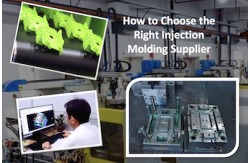
How to Choose Injection Molding Supplier
21 Sep , 2026
Views:
180
How to Choose the Right Injection Molding Supplier: A Practical Buyer's Guide Choosing the right injection molding supplier is one of the most important decisions a mechanical engineer or procurement buyer faces during product development. The wrong choice can lead to delayed launches, inconsistent part quality, and rising costs that eat into your...
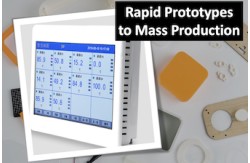
Prototype to Production Manufacturing Roadmap
14 Sep , 2026
Views:
360
From Prototype to Production: A Complete Manufacturing Roadmap A prototype to production manufacturing roadmap is a step-by-step guide that helps engineers and product teams move from prototype to mass production by covering DFM analysis, manufacturing process selection, tooling strategy, first article inspection, and pilot production—ensuring a...
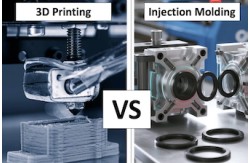
3D Printing vs Injection Molding for Functional Parts
07 Sep , 2026
Views:
311
3D Printing vs. Injection Molding for Functional Parts: A Complete Engineering Guide When comparing 3D printing vs injection molding for functional parts, 3D printing is best suited for low-volume prototyping and end-use parts under 200 units, while injection molding offers superior strength, fatigue resistance, and per-part cost efficiency at...
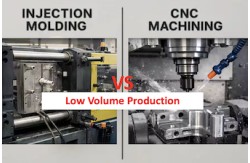
CNC Machining vs Injection Molding for Low-Volume Production
31 Aug , 2026
Views:
561
: How to Choose the Right Process (and When to Use Both) Most articles comparing CNC machining and injection molding give you a simplistic answer: "CNC is better for low volume, injection molding is better for high volume." But that's not how real engineering decisions work. Actually, the right answer depends on your part geometry, material...
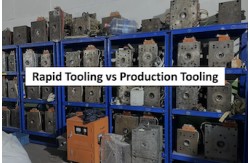
Rapid Tooling vs Production Tooling
24 Aug , 2026
Views:
517
: Cost, Speed, Quality, and How to Choose Choosing between rapid tooling and production tooling is not simply a matter of picking the cheaper or the more durable option. Rapid tooling uses aluminum molds / soft tooling molds for fast, low-cost prototyping and low-volume production, while production tooling uses hardened steel for high-volume,...
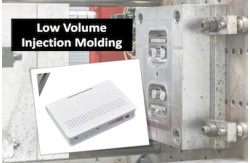
Low Volume Injection Molding
17 Aug , 2026
Views:
848
: When Does It Make Sense? Low volume injection molding makes the most sense when you need production-quality, injection-molded plastic parts in quantities of 100 to 10,000 units but don't yet have enough proven demand to justify the high cost and long lead time of full-scale production tooling. What IsDefinition ofLow volume injection molding is a...
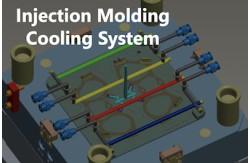
Injection Molding Cooling System Design
10 Aug , 2026
Views:
1349
: How to Reduce Cycle Time, Improve Part Quality, and Lower Production Cost Injection molding cooling system design is the engineering process of strategically placing and configuring cooling channels, baffles, and thermal management features within a mold to remove heat uniformly and efficiently, thereby minimizing cycle time, preventing part...

Injection Molding Gate Design
03 Aug , 2026
Views:
1520
Gate Design in Injection Molding: Types, Pros, Cons, Design Guidelines & Applications In injection molding, the gate is far more than a small opening between the runner system and the mold cavity. It is one of the most critical design decisions that determines whether your final part meets dimensional, cosmetic, and structural requirements....

Injection Molding Tolerances
27 Jul , 2026
Views:
1851
Tolerance Standards in Injection Molding: What's Realistic? A Practical Guide for Engineers When designing plastic components, specifying the right tolerances is the bridge between a functional part and a manufacturing nightmare. Actually we can have the answer here: A realistic injection molding tolerance is typically ±0.1 mm to ±0.3...
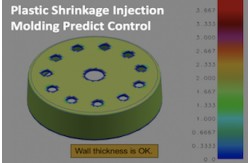
Plastic Shrinkage Injection Molding Predict Control
20 Jul , 2026
Views:
2003
Plastic Shrinkage in Injection Molding: How to Predict and Control It (Complete Engineering Guide) Why does plastic shrinkage matter more than most designers realize? Because shrinkage is the silent killer of part quality, tooling budgets, and production consistency. A common misconception among junior engineers is that shrinkage is just a...
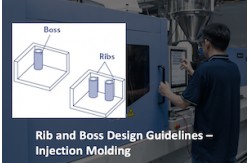
Rib and Boss Design Guidelines Injection Molding
13 Jul , 2026
Views:
2640
Rib and Boss Design Guidelines for Strong Plastic Parts: Complete Injection Molding Design Guide When it comes to plastic part design, many novice engineers make a critical mistake: they try to make a part stronger by simply making the walls thicker. In the world of injection molding, more material does not equal a better part. In fact, it...
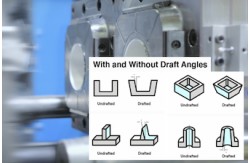
Draft Angle Injection Molding Guide
06 Jul , 2026
Views:
3091
Draft Angle in Injection Molding: Why It Matters and How to Design It Correctly When designing plastic parts, engineers often obsess over wall thickness, tolerances, and material selection. Yet, one of the most critical design parameters is frequently treated as an afterthought: the draft angle. Draft angle matters because it prevents...
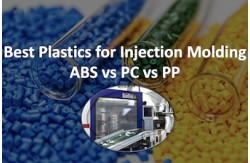
Best Plastics for Injection Molding ABS PC PP
29 Jun , 2026
Views:
3133
Best Plastic Materials for Injection Molding (ABS vs PC vs PP): Which Material Should You Choose? When it comes to manufacturing high-quality plastic parts, selecting the right resin is the most critical decision you will make. If you are searching for the best plastic materials for injection molding, you have likely narrowed your choices down...


 Contact