
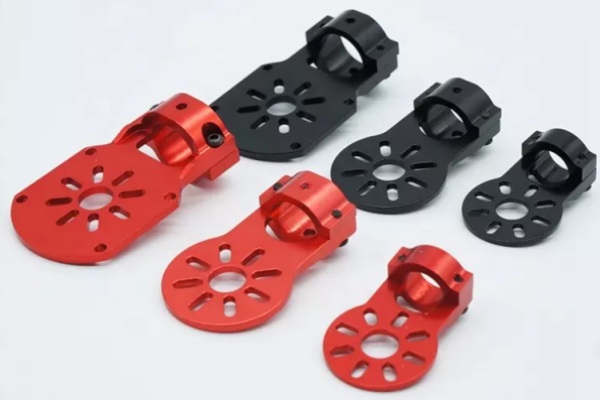
What is Anodized Aluminum?
Anodization is a common process to increase the thickness of the oxidation layers in various metals. One of the various metals common for anodization is aluminum. Regular aluminum can undergo the process of anodization to turn it into anodized aluminum, which is a metal that has better characteristics than regular aluminum.
The Difference between the Anodized Aluminum and the Regular Aluminum
Anodizing aluminum is the regular aluminum that has been going through the anodization process, which means polishing the aluminum surface and making it corrosion-free and much more durable. So, anodizing aluminum differs in various respects when compared to regular aluminum.
For instance, anodizing aluminum offers color variations that regular aluminum doesn’t have. Also, the color variations in the anodizing aluminum will have the metallic look that makes them unique. Anodized aluminum also has better durability and better resistance to corrosion when compared to regular aluminum, and it offers a much better long-term usage.
For general use, anodized aluminum offers better features than regular aluminum, which is the reason that many manufacturers prefer to use it in their products. With its superior durability and better designs overall, anodizing aluminum has become a preferred material in various products, including in buildings and everyday electronics.
Advantages of Anodized Aluminum
Anodizing aluminum has various advantages when you use it, as it has gone through a process that improves its quality for long-term use. Regular aluminum might provide a good enough quality as the basic material for your CNC machining projects, but by using anodized aluminum, you can get even better quality than the aluminum material can offer you. Here are some of the best advantages of anodizing aluminum:
● Metallic colors.
Unlike regular aluminum which has the same gray metallic color, anodizing aluminum has a range of metallic colors that are much more pleasing to see. These metallic colors can add more style to your products or buildings, and also, these colors will last for a long time.
● Anti-corrosion and better durability.
The anodized aluminum won’t get any corrosion problems, unlike iron and other metals containing iron. Regular aluminum might have a good enough anti-corrosion property, but anodizing aluminum will have a much better anti-corrosion property and better durability for long-term use.
● Easy and low-cost long-term maintenance.
Anodizing aluminum is very easy to clean, and you don’t need to worry about scratches and any other problems that might come across the surface of the anodized aluminum material. Even when it gets very dirty, a cleaning solution for the anodized aluminum will come cheap and can solve the problem in a breeze.
● Health and safety for the body and the environment.
The anodization process is an artificial process that mimics the natural oxidation process on the aluminum’s surface. The anodization process will speed up the natural oxidation process on the aluminum surface, allowing you to get the best finish for the aluminum surface. This process is safe and healthy for the body and the environment, so you don’t need to worry about any adverse effects that might come with it.
● Better aesthetics.
Anodizing aluminum is the material used for decoration in various buildings and architecture. Certain products or building materials can use anodized aluminum instead of regular aluminum to give them more decorative and aesthetic effects, while still benefiting from all the features that the aluminum material can offer when you use it.
Disadvantages of Anodized Aluminum
Despite the various advantages the anodized aluminum can provide, there are also some disadvantages that you can get when you use this type of aluminum. Here are some disadvantages of anodized aluminum:
● Limited options for colors.
You might get various metallic color variations for the anodized aluminum, but it has limited color options. You can’t just pick any color for the anodized aluminum, as you only have a few available color options for it.
● Bad resistance against high temperature.
Anodizing aluminum is not quite good at resisting high temperatures. It couldn’t keep its durability when exposed to the temperature of 80-degree Celsius or above. Thus, it is not the best material for cookware.
● Potential cracks at high temperatures.
The anodizing aluminum can also get cracked when exposed to high temperatures. You will need to retouch the anodized aluminum to get it back to its normal condition after cracking. Also, the aesthetic might become worse after a retouch.
What Aluminum Is Good to Anodized
Not all aluminum alloys respond the same way to anodizing. The anodized quality, surface finish, and color uniformity depend strongly on the aluminum’s alloy composition. Understanding which aluminum grades are best suited for anodizing helps you achieve better corrosion protection, consistent appearance, and higher product durability.
1. Best Aluminum Alloys for Anodized
Aluminum 1000 Series (Pure Aluminum – 1050, 1100, 1200)
- Anodizing Performance: Excellent
- Features: Contains 99%+ pure aluminum, producing a bright, clear oxide layer.
- Applications: Decorative panels, reflectors, consumer products.
- Note: The resulting oxide film is thin but has very high corrosion resistance.
💡 Ideal for: Applications that require high reflectivity, such as lighting or decorative trim.
Aluminum 5000 Series (Magnesium Alloys – 5052, 5083, 5005)
- Anodizing Performance: Excellent
- Features: Magnesium content improves strength while maintaining good color uniformity after anodizing.
- Applications: Marine components, architectural panels, automotive parts.
- Special Note: Alloy 5005 is particularly known for its consistent anodized finish and is widely used for architectural anodizing.
💡 Ideal for: Outdoor and marine use, where corrosion resistance is essential.
Aluminum 6000 Series (Magnesium-Silicon Alloys – 6061, 6063)
- Anodizing Performance: Very Good
- Features: Provides a hard, durable anodized layer and supports clear, dyed, or hard anodizing.
- Applications: Structural components, extrusions, frames, and mechanical parts.
- Notes: Alloy 6063 gives a smooth, uniform finish-excellent for decorative anodizing. Alloy 6061 offers higher strength and wear resistance.
💡 Ideal for: High-strength mechanical parts and architectural anodized finishes.
2. Aluminum Alloys That Are Fair or Poor to Anodized
Aluminum 2000 Series (Copper Alloys – 2024, 2011)
- Anodizing Performance: Poor to Fair
- Issue: Copper content can cause dark, uneven color and reduced corrosion resistance.
- Usage: If anodized, typically done for functional hard coating, not for aesthetics.
- Tip: Apply sealing or paint after anodizing to enhance corrosion protection.
Aluminum 7000 Series (Zinc Alloys – 7075, 7050)
- Anodizing Performance: Moderate
- Features: Very strong but tends to produce a gray or dull surface after anodizing.
- Applications: Aerospace and structural components where strength is critical.
- Tip: Suitable for hard anodizing when appearance is less important.
Aluminum Cast Alloys (e.g., 380, 356, 319)
- Anodizing Performance: Poor
- Reason: High silicon content causes dark, uneven, or blotchy finishes.
- Recommendation: Use machining-grade wrought alloys instead of cast aluminum when anodizing is required.
3. Summary Table – Aluminum Alloys and Anodized Performance
| Alloy Series | Main Alloying Element | Anodizing Quality | Finish Color | Typical Use |
|---|---|---|---|---|
| 1000 Series | Pure Aluminum | ★★★★★ Excellent | Bright, clear | Decorative, reflective parts |
| 5000 Series | Magnesium | ★★★★★ Excellent | Clear to light bronze | Marine & architectural |
| 6000 Series | Mg + Si | ★★★★☆ Very Good | Clear or dyed | Structural & general use |
| 2000 Series | Copper | ★★☆☆☆ Fair | Dull, dark | Aerospace, not aesthetic |
| 7000 Series | Zinc | ★★★☆☆ Moderate | Gray to brown | Structural, high strength |
| Cast Alloys | Silicon | ★☆☆☆☆ Poor | Blotchy or dark | Not recommended |
4. How to Choose the Right Aluminum for Anodizing
When selecting aluminum for anodized, consider the following:
- End Use: If you need decorative finishes, choose 5000 or 6000 series alloys.
- Corrosion Resistance: For outdoor or marine environments, 5052 or 5005 perform best.
- Strength and Function: For structural strength plus good appearance, 6061 or 6063 are ideal.
- Color Consistency: Use alloys with low impurities for uniform dye results.
- Anodizing Type: For hard anodizing, 6061 and 7075 are commonly used.
💡 Tip from TEAM RAPID: Always specify your anodizing finish requirements (e.g., clear, colored, hard coat) before alloy selection. Our experts can recommend the right alloy and surface treatment to achieve your desired results.
Common Uses for Anodized Aluminum
What is anodized aluminum? Actually, there are various common uses for anodizing aluminum in our daily life. This is the material that many companies are using to make various home appliances, building structures, and many other products. Here are the common uses for anodizing aluminum:
● Mechanical components for vehicles.
Anodizing aluminum is a primary material for various mechanical components for cars, motorcycles, boats, and many other vehicles. Small mechanical components on motorized vehicles often use anodizing aluminum because of its heat transfer capacity and easy lubrication qualities.
● Various consumer products.
We can also find various consumer products that use anodized aluminum as its primary or secondary material, such as cookware, jewelry, sport-related products, and so on.
● Architecture.
Anodizing aluminum is also perfect for enhancing architectural buildings by providing them with better aesthetic looks. The decorative qualities of anodized aluminum can make architectures look their best.
● Construction buildings.
Anodizing aluminum is also common for traditional construction buildings, as it can provide a sturdy frame and an aesthetic look. Thus, we can see various anodized aluminum uses in residential and commercial buildings.
● Space technology.
NASA also uses anodizing aluminum as a part of its space technology. For instance, the trusses of the ISS (International Space Station) use anodized aluminum for its heat distribution capability and durability.
Conclusion
Anodizing aluminum has plenty of advantages when compared to regular aluminum, and this is the reason that manufacturers choose the anodizing aluminum material in their manufacturing process.
With qualities that are better than regular aluminum, anodizing aluminum is something that will find more and more uses throughout the years, even more so with the advancements in today’s technology. Want to learn more about what is anodized aluminum and apply it to your new project? TEAM RAPID is a professional rapid manufacturing company in China, we offer aluminum machining services at low MOQ but high quality, Contact us today for your aluminum parts!