
Best Plastic Materials for Injection Molding (ABS vs PC vs PP): Which Material Should You Choose?
When it comes to manufacturing high-quality plastic parts, selecting the right resin is the most critical decision you will make. If you are searching for the best plastic materials for injection molding, you have likely narrowed your choices down to the "Big Three" thermoplastics: Acrylonitrile Butadiene Styrene (ABS), Polycarbonate (PC), and Polypropylene (PP). But in the ABS vs PC vs PP debate, which one is actually right for your specific project? While ABS excels in surface finish, PC dominates in impact strength, and PP leads in chemical resistance, selecting the best injection molding material ultimately requires balancing your product's specific performance demands with your manufacturing budget.
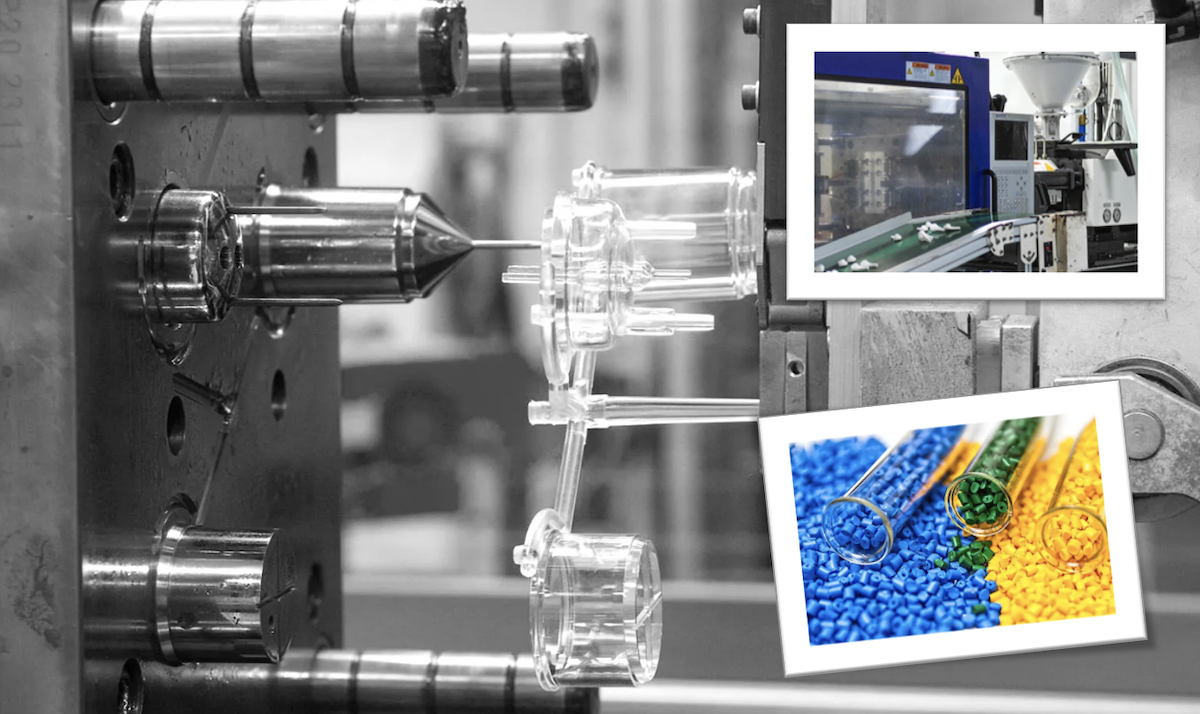
At TEAM Rapid, we specialize in turning complex designs into flawless manufactured parts. In this comprehensive plastic material selection guide, we will break down the engineering properties, manufacturing considerations, and cost factors of these top injection molding services to help you make an informed, cost-effective decision.
Why Material Selection Matters in Injection Molding
Choosing the right plastic is far more important than many initial product designers realize. It dictates the entire lifecycle of your product. Here is how your plastic choice impacts your project:
- Product Quality: The material determines the surface finish, dimensional accuracy, and aesthetic appeal of the final part.
- Impact on Manufacturing Cost: Different resins have varying raw material costs, shrinkage rates, and cycle times, all of which directly affect your bottom line.
- Mechanical Performance: The tensile strength, flexibility, and impact resistance of the part are entirely dependent on the polymer's molecular structure.
- Product Lifespan: UV resistance, fatigue resistance, and thermal stability determine how long the part will survive in its operating environment.
- Regulatory and Environmental Requirements: Industries like medical and food packaging require FDA-compliant, biocompatible, or highly recyclable materials.
Understanding these factors is the first step in mastering plastic materials comparison.
Quick Comparison: ABS vs PC vs PP at a Glance
For engineers and sourcing professionals who need a rapid overview, here is a high-level plastic materials comparison of ABS, PC, and PP.
|
Property |
ABS (Acrylonitrile Butadiene Styrene) |
PC (Polycarbonate) |
PP (Polypropylene) |
|
Strength |
High |
Very High |
Moderate |
|
Impact Resistance |
Good |
Excellent |
Good |
|
Heat Resistance |
Moderate |
High |
Low to Moderate |
|
Chemical Resistance |
Poor to Moderate |
Poor |
Excellent |
|
Surface Finish |
Excellent (Glossy/Matte) |
Excellent (Glass-like) |
Good (Waxy feel) |
|
Flexibility |
Rigid |
Rigid |
Semi-flexible |
|
Cost |
Low to Moderate |
High |
Very Low |
|
Ease of Molding |
Very Easy |
Moderate (Requires drying) |
Very Easy |
|
Typical Applications |
Electronics housings, toys, auto interiors |
Safety gear, lenses, medical devices |
Food containers, living hinges, caps |
ABS Plastic: Features, Advantages, and Limitations
What is ABS
ABS is an amorphous terpolymer made by polymerizing acrylonitrile, butadiene, and styrene. This unique combination gives it a balance of properties that make it one of the most popular injection molding materials globally.
Key Properties & ABS Plastic Properties
- High Toughness: The butadiene component provides excellent impact resistance even at low temperatures.
- Excellent Machinability: Easily drilled, milled, and sanded for secondary operations.
- Good Dimensional Stability: Low shrinkage rate ensures parts hold tight tolerances.
- Attractive Surface Finish: Takes paint, glue, and electroplating exceptionally well.
Advantages
ABS injection molding is incredibly versatile, easy to process, and offers a fantastic balance of strength and aesthetics at a reasonable price point.
Limitations
It has poor resistance to UV light (yellows and degrades outdoors unless treated) and is highly susceptible to degradation from strong solvents and chemicals.
Typical Injection Molded Products
- Consumer electronics housings (keyboards, monitors)
- Automotive interior parts (dashboards, trim)
- Toys (e.g., LEGO bricks)
- Appliance housings
Best Applications for ABS
Choose ABS plastic when you need a rigid, aesthetically pleasing, and cost-effective part for indoor use that may require secondary finishing like painting or chrome plating.
Polycarbonate (PC): Features, Advantages, and Limitations
What is PC
Polycarbonate is a robust, amorphous engineering thermoplastic known for its exceptional strength and optical clarity. Polycarbonate injection molding is the go-to choice for demanding, high-performance applications.
Key Properties
- Extremely High Impact Strength: PC is virtually unbreakable and is often used as a glass substitute.
- Optical Clarity: Naturally transparent with high light transmission rates.
- High-Temperature Resistance: Maintains structural integrity at much higher temperatures than ABS or PP.
- Excellent Dimensional Stability: Highly resistant to creeping and warping under load.
Advantages
PC offers unparalleled impact resistance and thermal stability. It can be easily blended with other materials (like ABS to make PC/ABS blends) to optimize specific properties.
Limitations
It is highly susceptible to scratching, has poor chemical resistance (especially to strong bases and hydrocarbons), and is prone to stress cracking. Furthermore, polycarbonate injection molding requires strict moisture control; the resin must be thoroughly dried before processing to prevent hydrolysis.
Common Injection Molded Products
- Safety helmets and riot shields
- Medical devices and surgical instruments
- Transparent covers and automotive lighting lenses
- Bulletproof glass alternatives
Best Applications for PC
Select PC for plastic injection molded parts that require high impact resistance, transparency, or the ability to withstand high operating temperatures and sterilization processes.
Polypropylene (PP): Features, Advantages, and Limitations
What is PP
Polypropylene is a semi-crystalline thermoplastic polymer. Polypropylene molding is highly favored in high-volume manufacturing due to its low cost and unique mechanical characteristics.
Key Properties
- Excellent Chemical Resistance: Highly inert; resists acids, bases, and most solvents.
- Lightweight: One of the lightest commercial plastics available, offering a great strength-to-weight ratio.
- Outstanding Fatigue Resistance: Can withstand millions of flex cycles without failing.
- Living Hinge Capability: Can be molded into thin, flexible hinges that integrate directly into the part.
Advantages
PP is incredibly cheap, highly resistant to chemicals and moisture, and uniquely capable of forming living hinges. It is also highly recyclable and generally food-safe.
Limitations
It has high shrinkage rates, making tight dimensional tolerances difficult. It is also highly flammable, degrades under UV exposure, and is notoriously difficult to glue or paint due to its low surface energy.
Common Injection Molded Products
- Food containers and Tupperware
- Bottle caps and closures
- Medical packaging and syringes
- Household products (buckets, bins)
Best Applications for PP
PP is the undisputed champion for high-volume, low-cost parts that require chemical resistance, food safety, or flexible living hinges.
ABS vs PC vs PP: Detailed Property Comparison
To truly understand ABS vs PC vs PP, we must break down their specific engineering properties. This section addresses common searches like ABS vs PC strength and PP chemical resistance.
Mechanical Strength & Impact Resistance
When comparing ABS vs PC strength, PC is the clear winner. PC has significantly higher tensile and flexural strength. For the best plastic for impact resistance, PC is unmatched, absorbing massive amounts of energy before fracturing. ABS offers good impact resistance but will crack under extreme force, while PP yields and dents rather than shattering.
Heat & Chemical Resistance
PC boasts the highest heat deflection temperature, making it ideal for hot environments. PP has moderate heat resistance but is the undisputed king of PP chemical resistance, surviving harsh acids and bases that would melt ABS or cloud PC. ABS has the poorest chemical and heat resistance of the three.
Wear, UV, and Moisture Resistance
None of these three base resins excel in UV resistance without additives; however, PP and ABS degrade faster in direct sunlight. PC absorbs more moisture from the air than ABS or PP, which is why pre-drying is mandatory for PC. For wear resistance, PC and ABS outperform the softer PP.
Dimensional Stability & Surface Finish
Because ABS and PC are amorphous, they have low, predictable shrinkage rates, offering excellent dimensional stability and beautiful surface finishes. PP is semi-crystalline, meaning it has higher, variable shrinkage, making it harder to hold tight tolerances. Its surface finish is functional but often feels "waxy."
Colorability, Recyclability, and Cost
All three can be easily colored with masterbatches. PP and ABS are highly recyclable (Resin codes 5 and 7/2 respectively), while PC is harder to recycle in municipal streams. Regarding cost, PP is the cheapest, ABS is mid-tier, and PC is the most expensive.
Processing Difficulty
ABS and PP are very forgiving and easy to mold. PC is difficult; it requires high melt temperatures, high injection pressures, and rigorous drying, increasing processing difficulty and cycle times.
Which Material Is Best for Different Industries
Choosing the right material often depends on your specific industry standards:
- Automotive Parts: ABS for interiors (dashboards, trim); PC for headlight lenses; PP for under-the-hood fluid reservoirs and bumpers.
- Consumer Electronics: ABS is the standard for housings due to its finish and EMI shielding capabilities (when blended).
- Medical Devices: PC for reusable, autoclave-sterilizable tools; PP for single-use, disposable syringes and vials.
- Food Packaging: PP is the primary choice due to its food-safe nature, chemical inertness, and microwaveability.
- Industrial Equipment: PC for heavy-duty sight glasses and protective shields; ABS for machine housings.
- Electrical Components: PC and ABS (specifically flame-retardant grades) for sockets, switches, and enclosures.
- Household Products: PP for storage bins and buckets; ABS for vacuum cleaner bodies.
- Toys: ABS is the gold standard for rigid, high-impact toys (like building blocks) due to its safety and colorability.
Injection Molding Design Considerations for ABS, PC, and PP
As experts at TEAM Rapid, we know that part design must be optimized for the specific resin.
- Recommended Wall Thickness: Keep walls uniform. ABS and PC prefer 1.5mm to 3.0mm. PP can be molded thinner (down to 0.8mm) due to its high flowability.
- Draft Angle: Minimum 1° to 2° for ABS and PC. PP requires slightly more draft (1.5° to 3°) because it shrinks tightly onto the core.
- Rib & Boss Design: Rib thickness should be 50-60% of the nominal wall to prevent sink marks. This is especially critical for PP and ABS.
- Snap Fits: ABS and PP are excellent for snap fits due to their flexibility and fatigue resistance. PC is too rigid and may snap or stress-crack.
- Shrinkage Rate Comparison: ABS (0.5-0.7%), PP (~1.0-2.5%). Tooling for PP must account for significantly higher shrinkage.
- Gate Design: Pinpoint or submarine gates work well for all three. For PC, larger gates are often needed to handle high-viscosity melt and reduce shear stress.
- Cooling Characteristics: PP requires longer cooling times due to its semi-crystalline nature and high shrinkage. PC requires higher mold temperatures to prevent internal stresses.
Processing Parameters Comparison
For process engineers setting up the injection molding machine, here are the baseline processing parameters. (Note: Always consult the specific resin manufacturer's data sheet).
|
Parameter |
ABS |
PC |
PP |
|
Melt Temperature |
210°C - 250°C |
280°C - 320°C |
200°C - 250°C |
|
Mold Temperature |
40°C - 80°C |
70°C - 120°C |
20°C - 60°C |
|
Injection Pressure |
Moderate to High |
High |
Moderate |
|
Drying Requirement |
2-4 hours at 80°C |
Strict:3-4 hours at 120°C |
Usually not required |
|
Shrinkage |
0.4% - 0.7% |
0.5% - 0.7% |
1.0% - 2.5% |
|
Cycle Time |
Fast |
Moderate to Slow |
Fast to Moderate |
Cost Comparison: Which Plastic Offers the Best Value
When evaluating the best plastic materials for injection molding, looking only at the price per kilogram of raw resin is a rookie mistake. You must calculate the Total Cost of Ownership (TCO).
- Raw Material Pricing: PP is the cheapest (1.80? 2.50/kg), and PC is expensive (~3.00? 5.00+/kg).
- Tooling Considerations: Because PP shrinks more and unpredictably, tooling might require more iterative modifications to hit tight tolerances, slightly increasing tooling costs compared to ABS or PC.
- Cycle Time Impact: PC requires higher mold temperatures and longer cooling times, increasing the cost per part due to lower machine output. ABS and PP cycle much faster.
- Scrap Rates: PC is highly sensitive to moisture; if not dried properly, parts will have splay marks and brittleness, leading to high scrap rates. PP and ABS are much more forgiving.
- Long-term Durability: While PC costs more upfront, its superior lifespan in harsh environments can make it cheaper in the long run by reducing warranty claims and part replacements.
Common Mistakes When Choosing Injection Molding Materials
Avoid these critical pitfalls that we frequently see in the industry:
- Selecting based solely on price: Choosing PP over ABS just to save $0.50/kg, only to realize PP cannot be painted or glued for your assembly process.
- Ignoring operating temperature: Using ABS in an automotive under-hood application where temperatures exceed its heat deflection point, causing the part to warp.
- Overlooking chemical exposure: Using PC for a housing that will be cleaned with harsh industrial solvents, leading to catastrophic stress cracking.
- Neglecting UV resistance: Using standard ABS or PP for outdoor applications without UV stabilizers, resulting in brittle, discolored parts within months.
- Forgetting regulatory compliance: Failing to specify FDA or USP Class VI compliant grades for medical or food contact applications.
- Using excessive material specifications: Over-engineering a simple household bucket with expensive PC when standard PP would perform perfectly.
How to Choose the Right Plastic for Your Injection Molded Part
Follow this proven decision-making workflow to select the optimal material:
- Step 1: Define product function - What does the part actually do? Is it structural, aesthetic, or a fluid container?
- Step 2: Determine mechanical requirements - Does it need to bear heavy loads (PC), survive drops (ABS/PC), or flex repeatedly (PP)?
- Step 3: Evaluate environmental conditions - Will it face extreme heat, UV light, or harsh chemicals? (Heat = PC, Chemicals = PP, Indoors = ABS).
- Step 4: Consider appearance requirements - Do you need optical clarity (PC), a high-gloss paintable finish (ABS), or is a functional, waxy finish acceptable (PP)?
- Step 5: Review production volume - High volume demands fast cycle times and low resin costs (PP/ABS). Low volume can absorb the cost of premium engineering resins (PC).
- Step 6: Balance performance and budget - Calculate the Total Cost of Ownership. If standard resins fail, look into blends like PC/ABS to get the best of both worlds.
Frequently Asked Questions (FAQ)
Is ABS stronger than polypropylene?
Yes, in terms of rigid structural strength and stiffness, ABS is stronger than PP. However, PP has better fatigue resistance and can flex without breaking.
Is PC better than ABS?
"Better" depends on the application. PC is stronger, more impact-resistant, and handles higher heat than ABS. However, ABS is cheaper, easier to mold, and offers better surface finishes for painting.
Which plastic is best for outdoor use?
None of the base resins (ABS, PC, PP) are ideal for outdoors without additives. However, UV-stabilized ASA (an alternative to ABS) or UV-treated PC and PP are commonly used for outdoor applications.
Which material is easiest to injection mold?
PP and ABS are the easiest. They require less stringent drying, have wide processing windows, and flow easily into complex molds.
Which plastic has the best impact resistance?
Polycarbonate (PC) has the highest impact resistance of the three, making it virtually unbreakable in standard applications.
Can ABS replace polycarbonate?
Only if the application does not require high impact resistance, optical clarity, or high-temperature tolerance. For structural housings, ABS is a great, cheaper alternative to PC.
Is polypropylene food safe?
Yes, PP is widely used in food packaging and containers. It is naturally BPA-free, chemically inert, and can be formulated to meet FDA food-contact regulations.
Which material is the cheapest for injection molding?
Polypropylene (PP) is generally the cheapest in terms of raw material cost, and its fast cycle times keep overall manufacturing costs very low.
Which plastic has the lowest shrinkage?
ABS and PC both have very low and predictable shrinkage rates (around 0.4% to 0.7%). PP has a much higher shrinkage rate (up to 2.5%).
How do I choose the best injection molding material?
Define your mechanical, thermal, and chemical requirements, consider the operating environment, evaluate aesthetic needs, and balance these against your production budget. Consulting with an expert tooling partner is highly recommended.
Final Thoughts
When navigating the ABS vs PC vs PP debate, the most important takeaway is this: there is no single "universal best" material.
The best plastic materials for injection molding are entirely dependent on your specific application's performance requirements, manufacturing conditions, and budget. ABS offers the best balance of aesthetics and cost for consumer goods; PC provides unmatched strength and clarity for demanding engineering applications; and PP delivers unbeatable chemical resistance and economy for high-volume, flexible, or food-safe parts.
Material selection is not a decision you should make in a vacuum. Early collaboration with an experienced injection molding manufacturer can help you optimize your material selection, refine your part design for manufacturability (DFM), and drastically reduce production costs.
At TEAM Rapid, our engineering team is ready to help you navigate these complex material choices. Whether you need a quick prototype or high-volume mass production, we provide expert DFM analysis, precision tooling, and top-tier injection molding services.
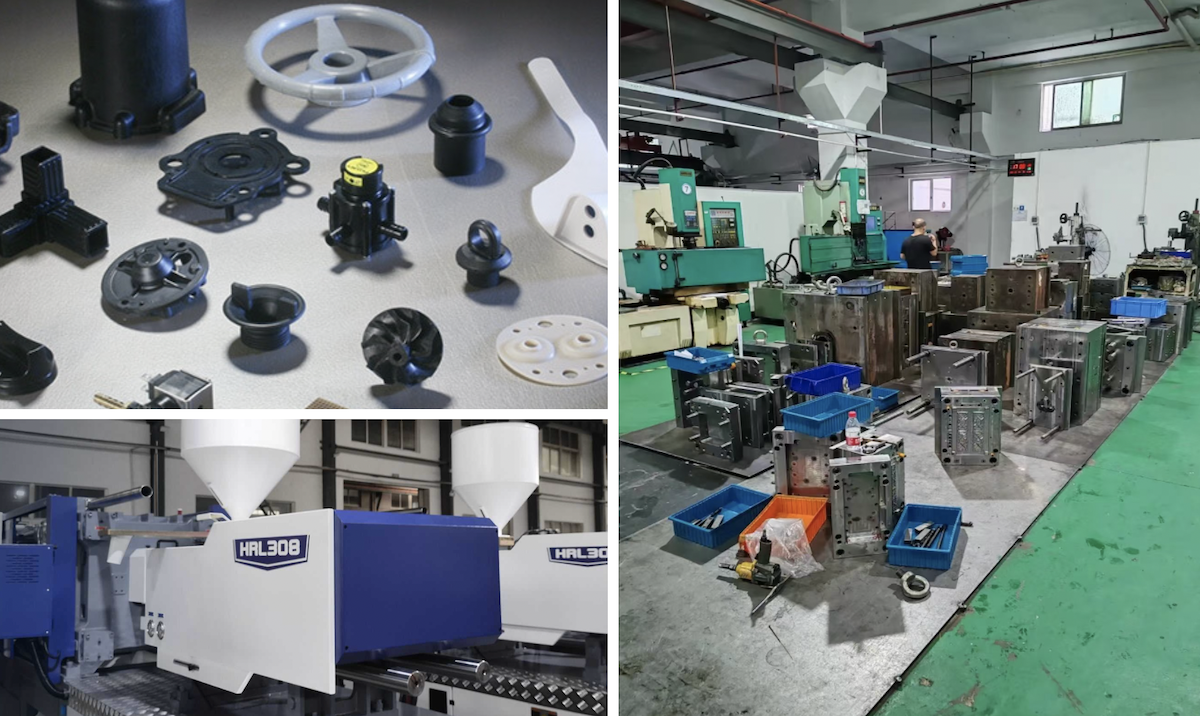
Ready to start your next project? Contact the experts at www.teamrapditooling.com today for a free quote and material consultation!


 Contact