
10 Common Injection Molding Defects & How TEAM Rapid Fixes Them
Injection molding is the most widely used manufacturing process for producing high?volume, consistent plastic parts across automotive, electronics, medical devices, consumer goods, and industrial components. However, even minor issues in mold design, material handling, or process parameters can lead to costly injection molding defects, including increased scrap rates, production delays, and compromised part quality.
The 10 most common injection molding defects are flash, short shot, sink marks, warpage, weld lines, burn marks, jetting, bubbles/voids, scratches, and discoloration. These issues typically arise from poor mold design, improper process parameters, or material?related problems. At TEAM Rapid, we resolve them through precision mold making, optimized DFM/Moldflow analysis, stable process control, and strict quality management-ensuring high?quality, consistent plastic parts for low?volume and production molding.
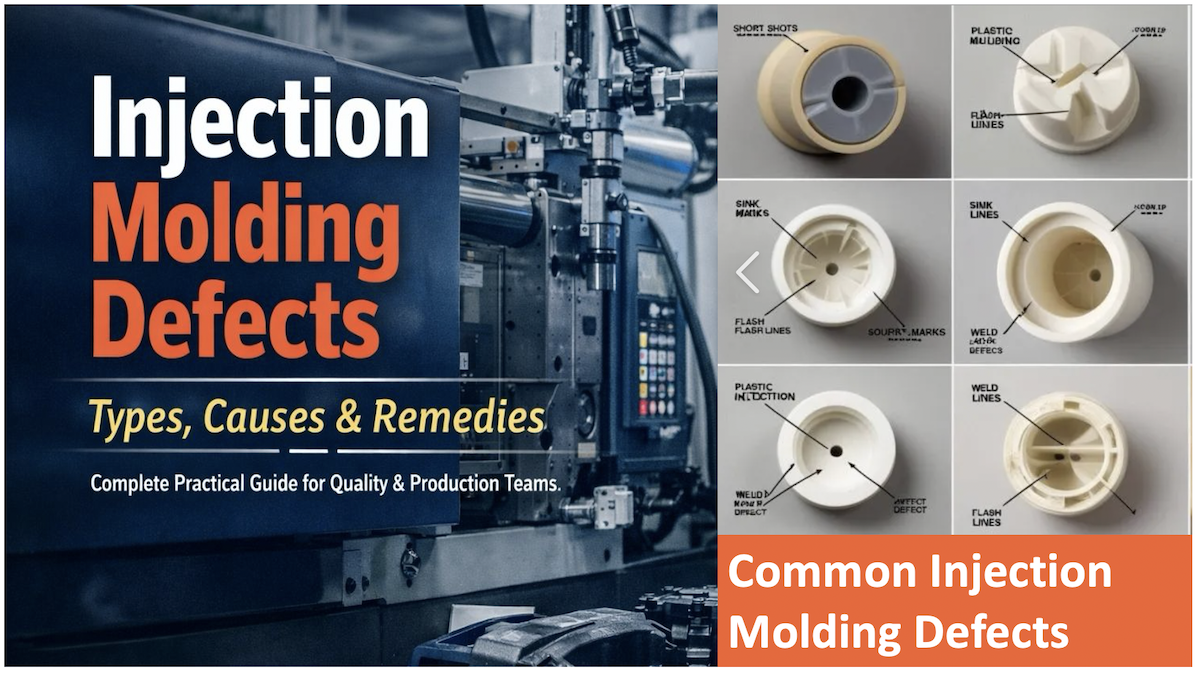
This article covers the top 10 most common injection molding defects, their root causes, practical solutions, and how TEAM Rapid prevents and resolves these issues for stable, efficient production.
10 Most Common Injection Molding Defects and Solutions
1. Flash / Burr
Description
Flash, also known as burr, refers to excess thin plastic that forms along mold parting lines, ejector pins, inserts, or gaps in the mold assembly. It is one of the most frequent issues in custom injection molding.
Causes
- Insufficient clamping force
- Excessively high injection pressure or melt temperature
- Worn or poorly fitted mold surfaces
- Improper shot volume or material overpacking
- Low mold precision and poor assembly
Solutions
- Reduce injection pressure and barrel temperature
- Increase clamping force to seal the mold properly
- Repair, polish, and realign parting lines
- Optimize shot size and material flow
- Improve mold machining accuracy
How TEAM Rapid Solves Flash
Our precision mold making process uses high accuracy CNC machining and strict assembly standards to ensure tight mold fits. Our technicians perform professional injection molding troubleshooting during setup to optimize pressure, temperature, and clamping force, eliminating flash in both prototype and production runs.
2. Short Shot
Description
A short shot occurs when the molten plastic fails to completely fill the mold cavity, resulting in incomplete parts, missing features, or thin sections.
Causes
- Low injection pressure or injection speed
- Insufficient melt or mold temperature
- Blocked or inadequate mold venting
- Undersized gates or poorly designed runners
- Poor flow path geometry
Solutions
- Increase injection pressure, speed, and temperature
- Improve mold venting and expand vent channels
- Optimize gate size and runner layout
- Use Moldflow analysis to predict filling behavior
- Adjust material selection for better flow
How TEAM Rapid Solves Short Shots
We perform Moldflow simulation and DFM (Design for Manufacturing) analysis before mold production to optimize gating, venting, and flow paths. Our experienced engineers fine?tune injection parameters during trial runs to ensure complete filling for low?volume injection molding and mass production.
3. Sink Marks
Description
Sink marks are surface depressions that appear on thick sections, ribs, bosses, or areas near internal features. They are caused by uneven cooling and material shrinkage.
Causes
- Insufficient packing pressure or holding time
- High melt temperature leading to excessive shrinkage
- Uneven wall thickness in part design
- Poor cooling system performance
- Early gate freeze?off
Solutions
- Increase holding pressure and holding time
- Lower melt temperature and improve cooling
- Optimize part design for uniform wall thickness
- Add ribs or structural features to reduce thick sections
- Use conformal cooling for faster, even heat removal
How TEAM Rapid Solves Sink Marks
Our DFM review identifies potential sink issues early. We optimize part geometry, gate placement, and cooling systems-including conformal cooling-to minimize shrinkage. Precise process control ensures consistent packing for stable, sink?free parts.
4. Warpage & Deformation
Description
Warpage refers to bending, twisting, bowing, or distortion of plastic parts after ejection. It affects dimensional accuracy and assembly fit.
Causes
- Uneven cooling and inconsistent mold temperature
- Asymmetric part design causing uneven shrinkage
- Unbalanced ejection forces
- Material shrinkage variation
- Insufficient holding pressure
Solutions
- Balance cooling circuits and mold temperature distribution
- Optimize ejection pin layout and force distribution
- Strengthen part rigidity with ribs and structural design
- Adjust holding and cooling parameters
- Use Moldflow to predict and correct warpage
How TEAM Rapid Solves Warpage
Our precision mold design includes balanced cooling systems and optimized ejection layouts. We use Moldflow analysis to simulate shrinkage and warpage, then adjust part design and mold structure accordingly. Stable process parameters ensure consistent dimensions in rapid tooling and production molding.
5. Weld Lines / Knit Lines
Description
Weld lines (or knit lines) are visible lines formed when two separate melt fronts meet inside the mold cavity. They can reduce part strength and affect appearance.
Causes
- Low melt temperature at the meeting point
- Slow injection speed
- Poor venting in weld line areas
- Multi?gate design or flow obstructions like holes and pins
- Flow hesitation and cold material merging
Solutions
- Increase melt temperature and injection speed
- Improve venting near weld line locations
- Optimize gate positions to reduce flow separation
- Use Moldflow to minimize weld line visibility
- Adjust material selection for better fusion
How TEAM Rapid Solves Weld Lines
We design advanced gating systems and optimize vent placement to reduce weld line formation. Our engineers fine?tune injection speed and temperature during custom injection molding to improve melt fusion and minimize visible lines.
6. Burn Marks / Black Spots
Description
Burn marks are dark, discolored, or charred areas on the part surface caused by trapped air combustion or material overheating.
Causes
- Trapped air compressed and burned during filling
- Excessively high barrel temperature
- High injection speed creating shear heat
- Material degradation or contamination
- Insufficient venting
Solutions
- Improve mold venting and add vent channels
- Reduce injection speed and barrel temperature
- Purge and clean material systems
- Use proper drying and handling procedures
- Optimize flow paths to reduce air entrapment
How TEAM Rapid Solves Burn Marks
Our mold design emphasizes effective venting strategies. We implement strict material handling and temperature control, and our injection molding troubleshooting process quickly identifies and resolves overheating and air?related issues.
7. Jetting
Description
Jetting appears as snake?like flow patterns near the gate, caused by molten plastic jetting directly into the cavity instead of flowing smoothly.
Causes
- Small gate size or direct gate impact
- High initial injection speed
- Poor gate geometry
- Insufficient land length at the gate
Solutions
- Enlarge gate size or use fan gates, tab gates, or submarine gates
- Slow initial injection velocity
- Increase gate land length
- Redirect melt flow away from direct cavity impact
How TEAM Rapid Solves Jetting
Our engineers design optimized gate systems verified by Moldflow analysis. We adjust injection profiles to reduce jetting and ensure smooth, uniform melt flow in custom injection molding projects.
8. Bubbles & Voids
Description
Bubbles and voids are internal or surface air pockets caused by trapped gas or moisture in the material.
Causes
- Moisture in hygroscopic materials
- Trapped air from high injection speed
- Insufficient venting
- Inadequate packing pressure
- Rapid cooling trapping gas inside
Solutions
- Thoroughly dry materials before processing
- Improve mold venting
- Reduce injection speed to minimize air entrapment
- Increase holding pressure to compress voids
- Extend cooling time
How TEAM Rapid Solves Bubbles
We enforce strict material drying protocols and design effective venting systems. Our process control ensures proper packing and stable parameters, reducing bubbles and voids in rapid tooling prototypes and production parts.
9. Scratches & Scuff Marks
Description
Scratches, scuffs, and drag marks occur during ejection due to friction between the part and mold surfaces.
Causes
- Rough or unpolished mold surfaces
- Insufficient draft angle
- Unbalanced ejection or sharp ejector pins
- Mold contamination or debris
- Improper ejection timing
Solutions
- Polish mold surfaces and add texture if needed
- Increase draft angles on vertical surfaces
- Optimize ejection pin layout and length
- Clean molds regularly
- Use appropriate ejection timing and force
How TEAM Rapid Solves Scratches
Our precision mold making includes mirror polishing and proper draft design. We optimize ejection systems and perform regular mold maintenance to ensure smooth, damage?free part release.
10. Discoloration & Color Variation
Description
Discoloration includes uneven color, streaks, fading, dark spots, or inconsistent tint across parts.
Causes
- Poor masterbatch dispersion
- Temperature fluctuations causing material degradation
- Barrel contamination from previous materials
- Inconsistent material batches
- Improper mixing
Solutions
- Improve mixing of resin and color masterbatch
- Stabilize barrel and mold temperatures
- Thoroughly purge barrels between material changes
- Use consistent, high?quality materials
- Implement color calibration and inspection
How TEAM Rapid Solves Discoloration
We provide professional color matching and strict quality control. Our custom injection molding process uses consistent materials, stable temperatures, and thorough purging to ensure uniform color across production runs.
How TEAM Rapid Prevents Injection Molding Defects
Design?Level Prevention
- Comprehensive DFM analysis for manufacturability
- Moldflow simulation for flow, cooling, shrinkage, and warpage
- Optimized part geometry, gates, vents, and cooling systems
Precision Mold Making
- High?accuracy CNC and EDM machining
- Premium mold steels including P20, H13, S136, and NAK80
- Conformal cooling, polished surfaces, and precise assembly
Stable Injection Molding Process
- Expert process tuning and parameter control
- Consistent temperature, pressure, speed, and cooling cycles
- Professional injection molding troubleshooting and optimization
Strict Quality Control
- Full dimensional and visual inspection
- Material traceability and cleanliness management
- Consistent quality assurance for low?volume and mass production
Industries We Serve
- Automotive injection molding parts
- Medical device injection molding components
- Electronics and consumer product housings
- Industrial components and rapid tooling prototypes
- Home appliances, smart devices, and custom plastic parts
Conclusion
Most injection molding defects stem from three key areas: mold design, process parameters, and material management. By addressing these factors early and implementing precise control throughout production, manufacturers can significantly reduce scrap, improve quality, and lower costs.
Contact Us
At TEAM Rapid, we deliver end?to?end solutions from rapid tooling and precision mold making to custom injection molding and low?volume production. Our integrated approach combines advanced engineering, precision manufacturing, and expert process control to minimize defects and deliver consistent, high?quality plastic components for global clients.
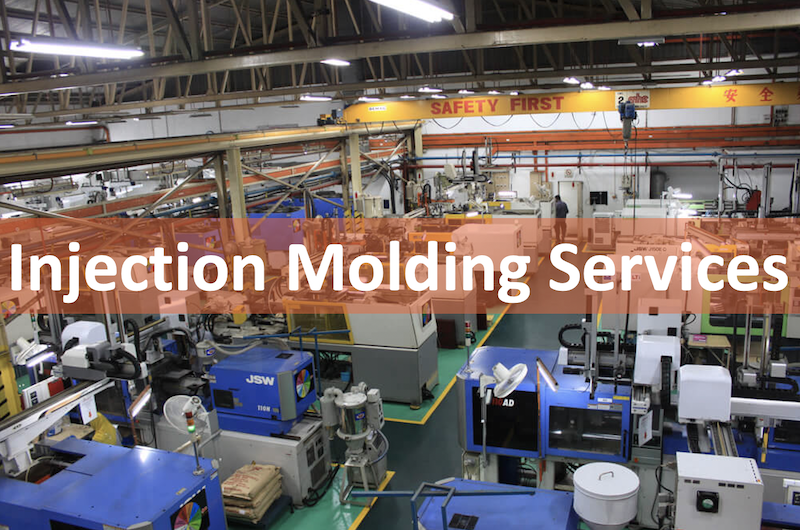
If you’re facing injection molding challenges or need reliable, high?quality plastic part production, contact TEAM Rapid today to discuss your project.



 Contact