
Dog House: Design, Materials, and Custom Manufacturing Guide
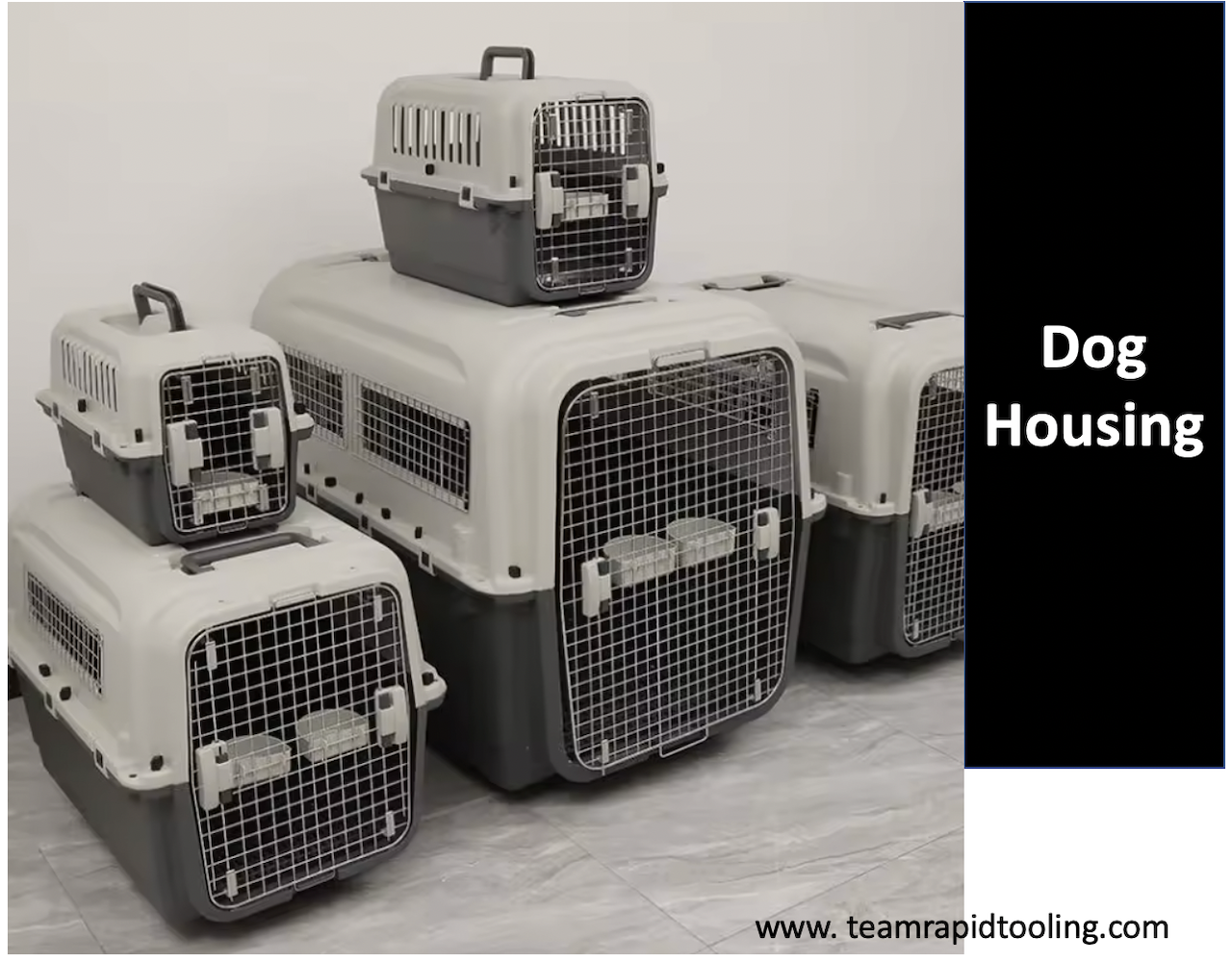
A Dog House is more than just a shelter-it’s a safe, comfortable space that protects dogs from weather, provides privacy, and enhances their overall well-being. With growing demand in the pet industry across the US and Europe, the concept of a Custom Dog House has become increasingly important for both functionality and brand differentiation.
In this article, we’ll explore everything from the basics to advanced manufacturing insights, helping you understand how dog houses are designed, produced, and customized.
What is Dog House
A dog house can be defined as a dedicated outdoor structure designed to provide dogs with protection from environmental elements such as rain, wind, heat, and cold, while also offering a secure and private resting space. Unlike indoor alternatives such as dog beds or crates, the dog house is specifically intended for outdoor use and must therefore address a wider range of environmental and functional challenges.
Modern dog houses go beyond simple wooden boxes. Today’s designs may include insulation, ventilation systems, raised floors, and even smart temperature control-especially in high-end or Custom Dog House solutions.
Historical Evolution of the Dog House
The idea of housing dogs dates back thousands of years, but early versions were quite primitive.
- Ancient Times:Dogs often shared living spaces with humans or used simple shelters made from natural materials like straw or wood.
- 19th-20th Century:The classic wooden dog house with a pitched roof became popular, especially in Western countries.
- Modern Era:With the rise of pet humanization, dog houses have evolved into sophisticated products featuring ergonomic design, weather resistance, and aesthetic appeal.
Today, the focus has shifted toward customization, durability, and mass manufacturability, particularly through plastic injection molding and advanced fabrication techniques.
Core Design Principles of Dog House
Designing a high-quality Dog House requires balancing comfort, durability, and manufacturability.
| Category | Key Features |
|---|---|
| Weather Protection | - Sloped roofs for rain runoff - Waterproof materials - UV-resistant surfaces |
| Thermal Comfort | - Insulation for cold climates - Ventilation for airflow in hot conditions - Elevated floors to prevent moisture buildup |
| Structural Stability | - Reinforced walls and base - Impact-resistant materials - Secure assembly for outdoor use |
| Ergonomics and Size | - Proper internal space based on dog breed - Easy entry/exit design - Comfortable resting area |
| Ease of Cleaning | - Smooth internal surfaces - Removable roofs or panels - Drainage-friendly design |
For a Custom Dog House, these principles are often tailored to specific market needs, such as extreme weather regions or premium pet products.
Modern Trends and Innovations in Dog House Design
In recent years, the design of the Dog House has undergone significant transformation, driven by advances in technology, changing lifestyles, and increased awareness of animal welfare. One notable trend is the rise of human-centered and customizable designs, where theCustom Dog House is tailored to specific user needs. Features such as modular construction, foldable components, and easy-clean surfaces make these products more adaptable to urban living environments and diverse use cases.
Another important development is the integration of smart technology. Modern dog houses may include temperature control systems, lighting, and even remote monitoring capabilities, allowing owners to ensure optimal conditions for their pets at all times. These innovations reflect broader trends in smart home technology and demonstrate how pet care is becoming increasingly sophisticated.
Sustainability has also become a key consideration. Manufacturers are exploring the use of recycled plastics, biodegradable materials, and environmentally friendly production methods to reduce the ecological impact of pet products. This aligns with growing consumer demand for sustainable solutions.
Finally, aesthetics have gained prominence. Dog houses are now often designed to complement home architecture and landscaping, transforming them into integrated elements of outdoor living spaces. This shift highlights the growing importance of design not only as a functional requirement but also as a form of expression.
Types of Dog House Today
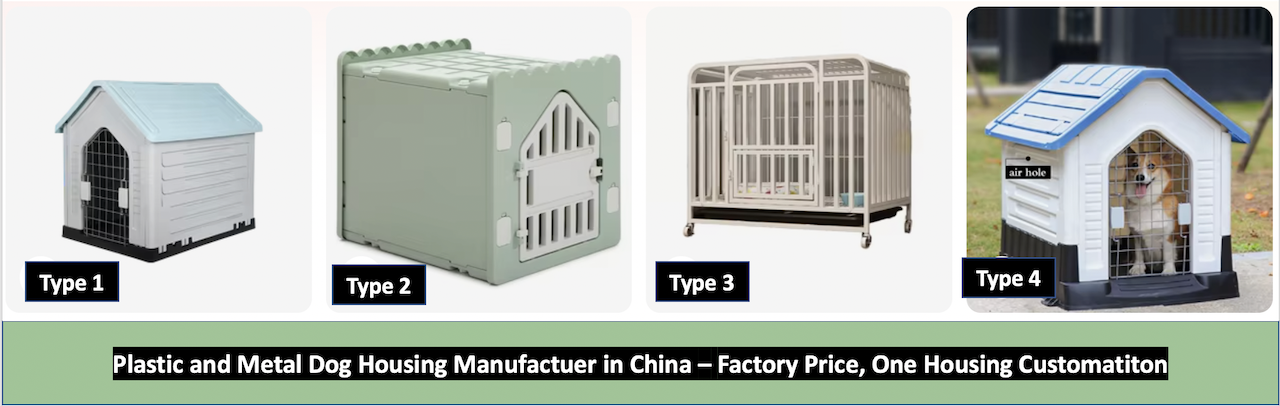
There are several types of Dog House designs available, each suited for different applications:
| Type of Dog House | Key Features | Estimated Market Share (%) | Typical Use / Positioning |
|---|---|---|---|
| Traditional Wooden Dog House | - Classic appearance - Good insulation - Requires maintenance | 25-35% | Premium, aesthetic, outdoor gardens (EU/US markets) |
| Plastic Dog House | - Lightweight and durable - Easy to clean - Ideal for mass production | 45-55% | Mass market, cost-effective, high-volume production |
| Insulated Dog House | - Designed for cold climates - Multi-layer construction - Higher cost but improved comfort | 10-15% | Cold regions, comfort-focused users |
| Portable Dog House | - Foldable or lightweight - Suitable for travel - Plastic/fabric combinations | 5-10% | Travel, temporary use, urban lifestyle |
| Custom Dog House | - Tailored dimensions and features - Branding and color customization - Modular/ventilation systems | 5-10% | Premium, branded, high-margin segment |
Dog House Materials Selections
Material selection plays a critical role in performance, cost, and manufacturing efficiency.
1. Plastics (Most Popular for Mass Production)
- HDPE / PP:Lightweight, weather-resistant, cost-effective
- ABS:Stronger and more rigid, suitable for premium designs
- PC (Polycarbonate):High impact resistance and transparency (used in windows or panels)
2. Wood
- Natural insulation
- Aesthetic appeal
- Requires sealing and maintenance
3. Metal (Limited Use)
- Strong but heavy
- Typically used in frames or reinforcement
4. Composite Materials
- Combine durability with insulation
- Increasingly used in high-endCustom Dog House designs
For manufacturers, plastics-especially injection-molded parts-offer the best balance between scalability and cost.
Dog House Manufacture
The production of a Dog House depends on material choice and production volume. For large-scale manufacturing, plastic processing dominates.
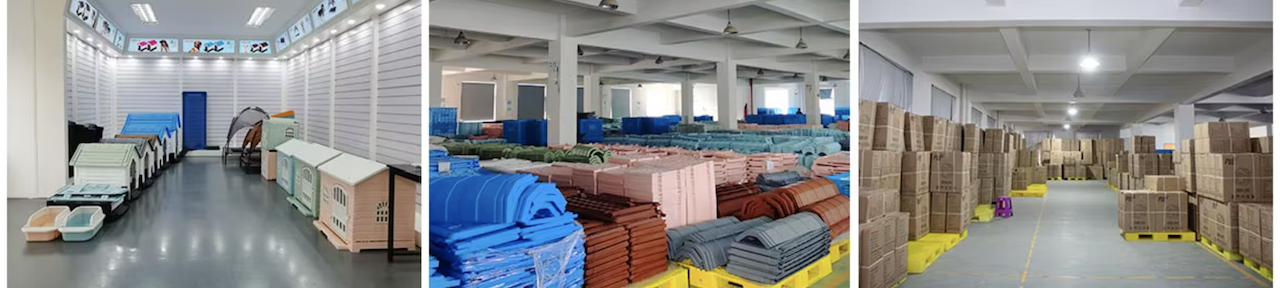
1. Injection Molding
- Ideal for high-volume plastic dog houses
- Consistent quality and tight tolerances
- Enables complex shapes and integrated features
2. Rotational Molding
- Suitable for large hollow structures
- Uniform wall thickness
- Excellent durability
3. CNC Machining
- Used for prototyping or low-volume production
- Supports development of Custom Dog House designs
- Shortens product development cycles
4. Assembly & Finishing
- Snap-fit or screw assembly
- Surface texturing for aesthetics
- Branding (logos, colors, labels)
Why Custom Dog House Solutions Matter
The pet product market is highly competitive, especially in the US and European regions. A Custom Dog House offers several advantages:
- Brand differentiation through unique design
- Better fit for specific dog breeds or climates
- Enhanced user experience (both pet and owner)
- Optimized manufacturing for cost and scalability
Customization is no longer a luxury-it’s becoming the standard in modern pet product development.
Why Custom Dog House Solutions Matter
The pet product market is highly competitive, especially in the US and European regions. A Custom Dog House offers several advantages:
- Brand differentiation through unique design
- Better fit for specific dog breeds or climates
- Enhanced user experience (both pet and owner)
- Optimized manufacturing for cost and scalability
Customization is no longer a luxury-it’s becoming the standard in modern pet product development.
How to Custom Dog House
1. Define the Purpose and Use Scenario
Start by clarifying how theCustom Dog House will be used:
- Outdoor vs. indoor
- Permanent backyard installation vs. portable use
- Climate conditions (cold, hot, humid, rainy)
- Single dog or multiple dogs
This step determines design complexity and material selection.
2. Determine the Right Size (Critical Step)
Sizing is the foundation of a goodDog House:
- Length: 1.2-1.5 × dog body length
- Height: Slightly taller than the dog’s standing height
- Width: Enough for turning comfortably
Avoid making it too large-oversized houses lose heat in winter.
For commercial projects, you usually design:
- S / M / L / XL standardized sizes
- Or breed-specific models (e.g., Labrador, German Shepherd)
3. Choose the Right Materials
Material choice directly impacts durability, cost, and manufacturability.
Common Options:
Plastic (Best for mass production)
- PP / HDPE → cost-effective, weather-resistant
- ABS → stronger, premium look
- Advantages: lightweight, easy to clean, ideal for injection molding
Wood
- Natural insulation
- Premium feel
- Requires maintenance
Composite / Insulated Panels
- High-end Custom Dog House solutions
- Better thermal performance
4. Design Key Functional Features
A well-designed Dog House must include:
Weather Protection
- Sloped roof (rain runoff)
- Waterproof structure
- UV-resistant materials
Ventilation
- Side vents or rear airflow channels
- Prevent overheating
Raised Floor
- Keeps interior dry
- Improves insulation
Easy Cleaning
- Removable roof or panels
- Smooth inner surfaces
Safety
- Rounded edges
- Non-toxic materials
- Stable structure (anti-tip design)
5. Add Custom Features (Where You Differentiate)
This is where a Custom Dog House becomes unique:
- Insulation (double-wall structure)
- Heating pad compatibility
- Cooling ventilation system
- LED lighting
- Smart sensors (temperature monitoring)
- Modular design (expandable panels)
- Branding (logo, colors, textures)
6. Select the Manufacturing Method
This is critical if you're producing at scale.
Injection Molding (Recommended)
- Best for plastic dog houses
- High initial tooling cost, low unit cost
- Suitable for large volumes
Rotational Molding
- Great for large hollow structures
- Uniform thickness
CNC + Rapid Tooling
- Ideal for prototyping
- Fast iteration forCustom Dog House development
7. Prototype and Testing
Before mass production:
- Build prototypes (3D printing or CNC machining)
- Test for:
- Structural strength
- Weather resistance
- User (dog) comfort
This step reduces risk and improves product-market fit.
8. Optimize for Market (EU / US Focus)
Since you're targeting Western markets:
- Ensure REACH / RoHS compliance for materials
- Focus on eco-friendly materials
- Add modern aesthetics (minimalist design)
- Consider flat-pack shipping to reduce logistics cost
Conclusion
A well-designed Dog House is a combination of smart design, proper material selection, and efficient manufacturing. From traditional wooden shelters to advanced injection-molded plastic structures, the evolution of dog houses reflects broader trends in both pet care and industrial production.
For businesses looking to enter or expand in the pet product market, investing in Custom Dog House development-supported by prototypes and scalable manufacturing-can unlock significant opportunities.
Why Choose TEAM Rapid
When developing products like a Custom Dog House or any plastic/metal component, choosing the right manufacturing partner is critical. TEAM Rapid stands out as a reliable global supplier by combining engineering expertise, speed, and cost efficiency.
One-Stop Manufacturing Solution
TEAM Rapid offers a complete range of services from concept to production:
- Rapid prototyping (CNC, 3D printing, vacuum casting)
- Rapid tooling and injection molding
- CNC machining and sheet metal fabrication
- Die casting for metal parts
This means you can go from design → prototype → mass production with a single partner, reducing complexity and communication cost. Contact us today!


 Contact